Mint Drying Quality: Measure Chlorophyll Separately from Visible Green Colour
By QUANPIN
A dried mint leaf can look greener without that observation establishing its measured chlorophyll concentration. A useful quality comparison reports visual or instrumental colour and pigment analysis as separate observations, connected by a traceable sampling plan.
For a hot air circulation oven trial, define which mint product is required and how its quality will be assessed. A pleasing photograph alone cannot establish pigment retention, while a pigment assay does not describe every aspect of appearance.
Distinguish Optical Colour from a Pigment Assay
Colour describes the optical response under specified observation conditions. Chlorophyll analysis describes a chemical measurement obtained using a defined preparation, extraction and analytical method.
The two observations can be related without being interchangeable. Changes in the specimen or its presentation may affect a colour comparison, while extraction and analytical conditions matter to a chlorophyll result.
Define the Mint Product and Reference
State whether the comparison concerns whole leaves, cut material or powder. The intended product form determines which specimens and measurements provide useful information for the drying decision.
Keep the starting material identifiable. Mint species, genotype and incoming condition should not be hidden within a generic fresh-leaf control when comparing drying outcomes.
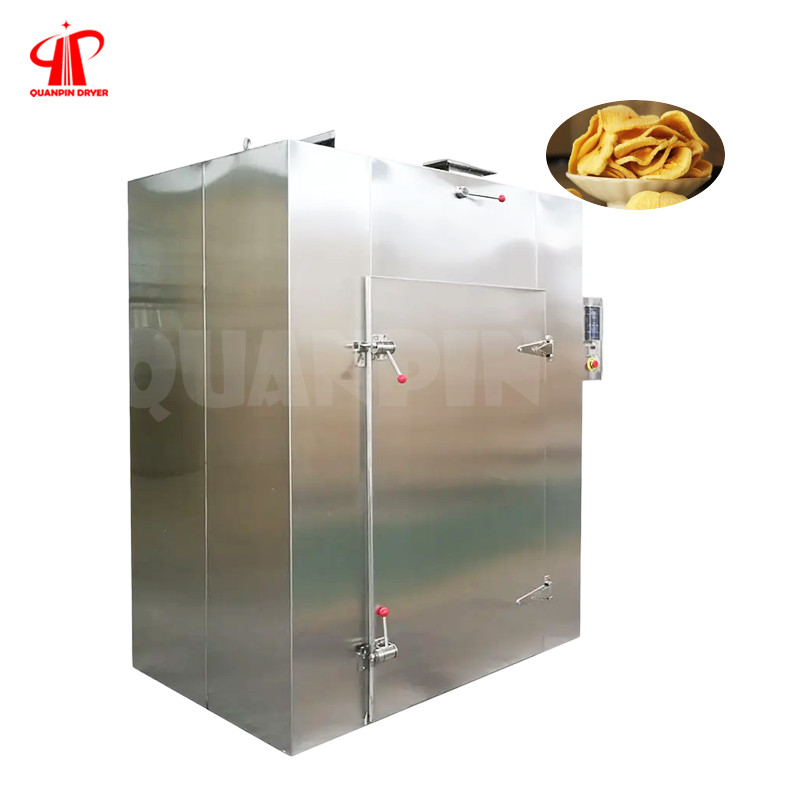
Five Records Needed for a Paired Comparison
Incoming mint identity
Record the mint identity and source lot. Differences in the incoming material can affect the comparison and should not be assigned automatically to a change in drying conditions.
Dryer loading
Record the loading and material presentation in the dryer. The actual drying trial needs a clear description rather than only a nominal air-temperature setting.
Collection and handling
Record the point at which specimens were collected and their handling before testing. A delayed or differently stored specimen may no longer represent the condition observed immediately after drying.
Colour measurement
Record the colour method, specimen presentation and observation conditions. Use consistent procedures instead of comparing unrelated images as though they were a controlled measurement.
Chlorophyll assay basis
Record the pigment assay and its reporting basis. Sample preparation and extraction conditions belong with the chlorophyll result, not merely in an omitted laboratory notebook.
Plan Colour and Chlorophyll Measurements Together
Begin with a paired measurement plan for the same material comparison. Decide how specimens for colour and pigment analysis will be selected and connected to the drying condition.
Use a clearly identified reference sample when reporting a change. Explain whether the comparison is with fresh material, another drying condition or a stored specimen.
Retain each measurement on its appropriate basis. A concentration reported for an extract should not be renamed as the fraction of original pigment retained in the entire leaf batch.
Include other product criteria required for the intended use. A colour-and-pigment study can contribute to quality assessment without by itself establishing flavour, safety, shelf life or every commercial acceptance requirement.
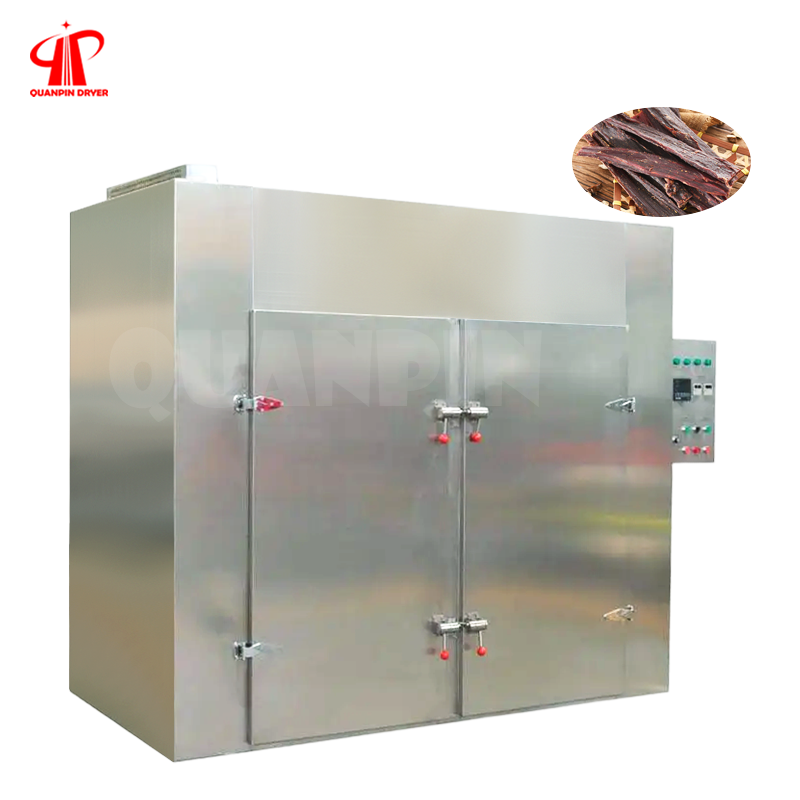
Follow Six Steps Through the Trial
Verify the reference
First verify the mint material and reference condition. Preserve identification and specimen history so that the comparison is based on the material actually processed.
Record drying and collection
Next document the drying trial and collection point. Keep loading and operating observations available when interpreting a difference between the resulting specimens.
Measure optical colour
Then measure colour under the agreed procedure. Retain the conditions needed to understand the optical comparison rather than presenting a single image as an objective pigment measurement.
Analyze pigment specimens
Prepare and analyze pigment specimens using a documented method. Connect the assay result with the sample, extraction conditions and reporting basis actually used.
Compare both observations
Compare the two sets of observations without forcing agreement. A discrepancy can be informative and may justify reviewing preparation, presentation or changes in the material.
Judge the product criteria
Finally judge the drying condition against the full agreed product criteria. State what the measurements support and which quality questions remain outside the experiment.
What Original Mint Studies Establish
Extraction affects the analytical result
Original research on peppermint extraction examined chlorophyll alongside other measured compounds under different extraction conditions. The work addressed recovery into an extract, not a comparison of commercial drying equipment.
The peppermint extraction investigation supports reporting the assay method with the result. It does not establish that changing a dryer setting will produce the same differences observed when extraction conditions change.
For a hot air drying oven trial, keep drying and analytical extraction as separate parts of the record. Otherwise an apparent pigment difference can be assigned to the wrong operation.
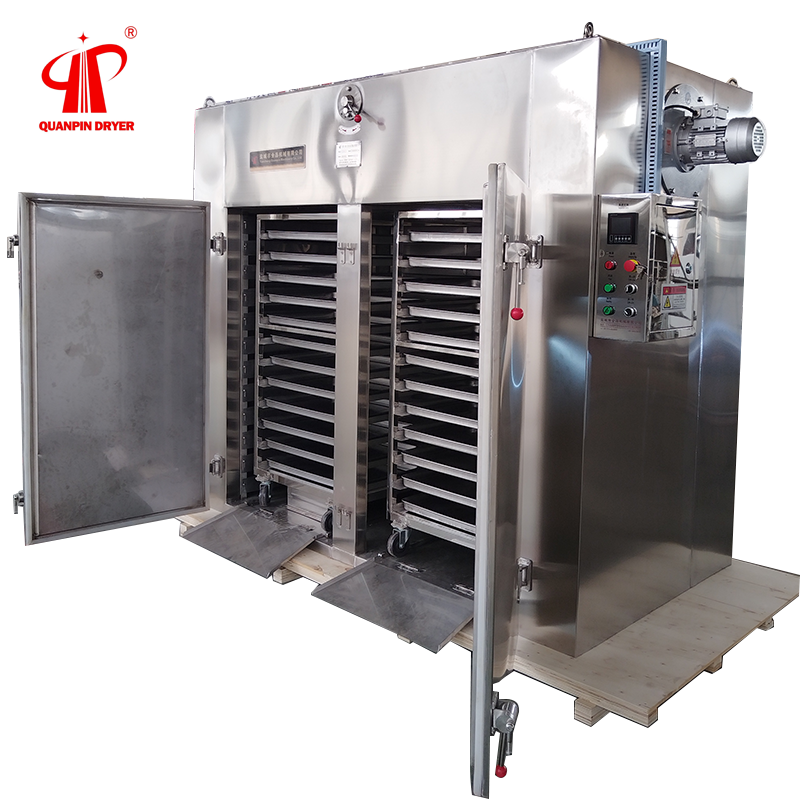
Genotype and drying comparison
An original study examined genotype and drying-method effects in organically grown mint. Chlorophyll observations and colour-related measurements were considered within the material comparison.
The mint-genotype investigation illustrates why incoming identity and multiple measurements matter. Its observed differences are not a universal ranking that applies to every mint cultivar and product form.
Use the same material where possible when comparing drying conditions, and retain its identity when that is not possible. A method comparison should not conceal a simultaneous genotype change.
Dehumidified-air mint study
Original mint-drying research investigated dehumidified-air conditions and evaluated colour and chlorophyll observations alongside other product measurements. Its experimental apparatus and operating conditions define the scope of that evidence.
The dehumidified-air study provides a relevant example of assessing both measurements. It does not mean that every tray dryer includes dehumidification or reproduces the tested material outcome.
Equipment selection therefore requires confirmation of the proposed configuration. Research on a particular drying technology can guide quality questions without establishing unlisted hardware or performance in another dryer.
Keep Drying Technology and Quality Evidence Separate
Another original investigation compared drying methods for mint leaves and assessed several quality attributes, including colour and chlorophyll. Its measurements describe the tested material and experimental arrangements.
The university-journal mint study supports retaining separate optical and chemical observations. Its findings do not supply a universal operating temperature or a guaranteed result for a CT-C installation.
A later original mint study investigated heat-pump drying using a planned comparison of drying conditions and several quality responses. This is a distinct apparatus and experimental system from a conventional batch hot-air oven.
The publisher-deposited abstract of the heat-pump study illustrates a multi-response development approach. Its selected operating condition should not be copied as a general optimum or presented as evidence that QUANPIN equipment includes heat-pump functionality.
Investigate Disagreement Between Results
If colour appears better preserved while the pigment result changes unfavorably, report both observations. Review specimen presentation, material state and assay conditions before deciding what the disagreement means.
If an extract shows a higher concentration, inspect the reporting basis before calling it improved retention. A chemical concentration result alone does not establish a complete batch pigment balance.
Prepare the Mint Drying Enquiry
Describe the intended mint product when requesting a drying trial. State whether whole leaves or powder will be evaluated and identify the quality decision the comparison must support.
Provide the incoming material information and proposed reference sample. Keep species or genotype differences visible so that the trial does not attribute every variation to the equipment.
Agree the colour and pigment methods with the responsible laboratory. Specify how specimens will be selected, handled and linked to each drying condition.
Include collection and post-drying handling in the trial plan. The time between drying and analysis can be relevant to interpreting the actual material condition tested.
When discussing hot air tray dryer price, compare confirmed supply and trial scopes. Analytical testing, special conditioning and additional drying-system functions should not be assumed to be included in a standard quotation.
Request the observations and supporting records needed from the trial. A report should distinguish measured product quality from a prediction about the result expected in a future production batch.
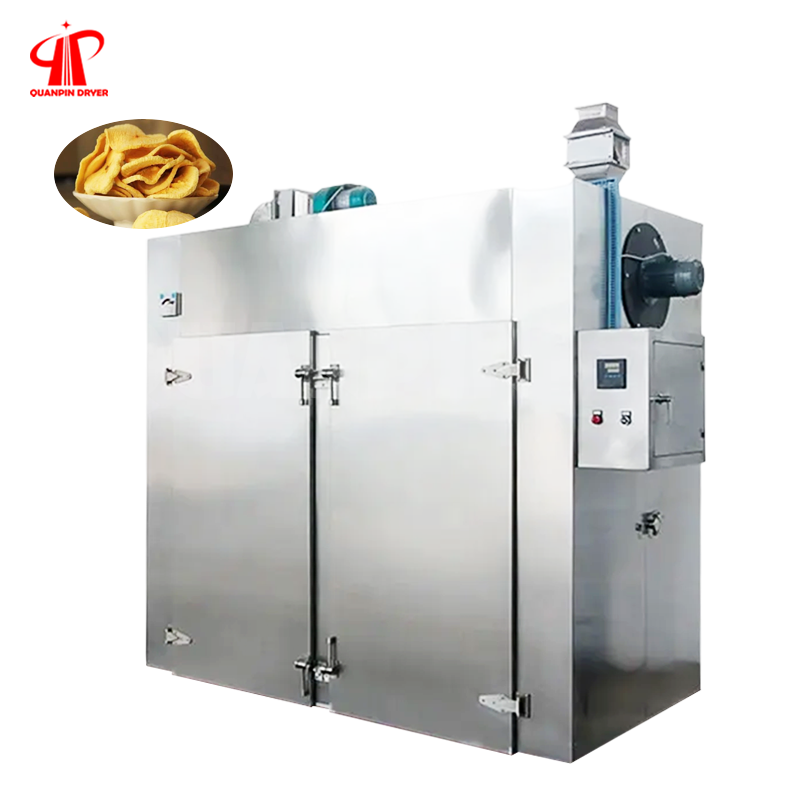
Confirm the Actual Hot-Air Duty
Use CT-C equipment information to discuss the confirmed hot-air duty and loading arrangement. It cannot establish equivalence with microwave, dehumidified-air or heat-pump apparatus described in separate research studies.
Select the configuration for the actual material and process requirements. A colour-and-pigment assessment complements equipment selection without guaranteeing flavour, storage stability or every aspect of product suitability.
Preserve a Traceable Quality Conclusion
The final report should connect each colour and chlorophyll result with an identified specimen and method. Retain reference conditions, preparation details and the basis used to express the analytical result.
Keep the conclusion proportionate to the evidence. The trial may identify a useful next comparison without establishing a universal pigment-retention claim or a complete commercial product specification.
Frequently Asked Questions
Does greener appearance prove higher chlorophyll?
No. Visual appearance and chlorophyll analysis are different observations. A greener-looking specimen does not independently demonstrate a higher chemically measured pigment content.
Does extract concentration prove retention?
No. The interpretation depends on sample preparation and the reporting basis. Extract concentration should not automatically be described as total pigment retained in the original batch.
Does mint genotype matter?
Yes. Original mint research examined genotype together with drying methods. Record the incoming identity rather than assuming that all mint materials provide equivalent starting conditions.
Do these tests establish all product quality?
Not by themselves. They address useful optical and pigment questions, but flavour, safety and other product requirements need appropriate separate evidence.
Can a published drying optimum be copied?
No. Each publication describes a particular apparatus and material comparison. It does not establish a universal operating optimum or unlisted functionality in a different dryer.
What should the enquiry include?
Provide mint identity, product form, reference material and the proposed paired measurements. Confirm the equipment and analytical scope before adopting a quality or pigment-retention claim.
Discuss Your Drying Requirements
Discuss the material, processing objective and required trials with QUANPIN. Review the equipment information and the relevant industry applications, or send an enquiry through our contact page.
Email sales@qpdryer.com or stacie@qpdryer.com. Call +86 19850785582 or contact WhatsApp +86 15921493205 to discuss the proposed scope.
For process evaluation, consider the hot air oven for batch tray drying with circulating hot air. Confirm suitability with representative material, the required product properties and the proposed process conditions.