High-Speed Mixing Granulator: Distinguish Prepared Binder from Liquid Delivered to the Bowl
By QUANPIN
Prepared binder quantity and delivered binder quantity are different records. A pharmaceutical wet-granulation trial should identify what reaches the bowl rather than treating every prepared amount as an actual addition. The High-Speed Mixing Granulator duty should be defined by the prepared mass and the intended granule.
This review concerns the GHL delivery interface and any remaining liquid within the defined preparation and transfer arrangement. See the matching pharmaceutical industry applications.
How Much Prepared Binder Reaches the Bowl?
State the prepared amount, the delivered-quantity evidence and the boundary used to account for remaining liquid.
If delivery is not measured directly, describe the estimation method and its limitations instead of presenting an assumption as a measured addition. Use product-specific development knowledge to justify the attributes being examined. See FDA ICH Q8 pharmaceutical development.
Equipment Principle and Material Requirements
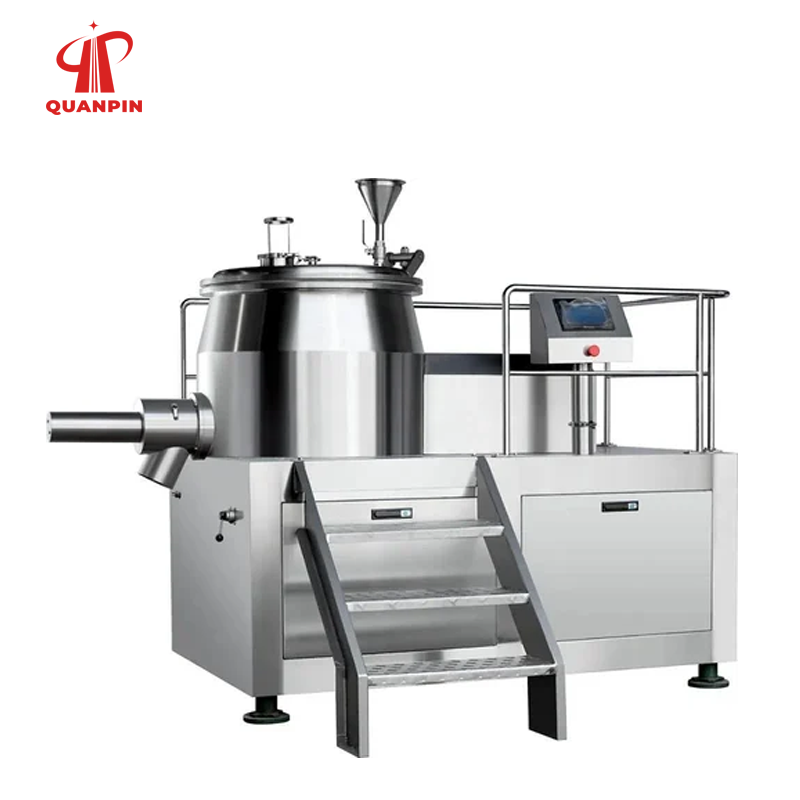
The GHL mixes and granulates through its specified working assemblies after materials enter the bowl. Compare the proposed high speed mixer granulator arrangement against this material and the documented process stage.
The binder vessel, transfer line and addition arrangement may be separately supplied and need confirmation in the equipment scope.
Five Steps for the Application Study
Identify prepared binder
Identify the binder preparation and its actual documented quantity basis.
Map the transfer route
Map the transfer route from preparation to the granulator addition point.
Define delivery accounting
Define how delivered quantity and remaining liquid will be recorded through the approved procedure.
Link addition and samples
Link the addition record with the operating sequence and material samples.
Assess the granule evidence
Review wet and dried granule evidence before assigning a result to the liquid amount alone.
Four Process Boundaries to Record
The preparation boundary identifies the binder actually prepared for the run.
The transfer boundary includes the equipment and connections used to move that binder.
The addition boundary states what is measured or estimated as reaching the bowl.
The acceptance boundary separates liquid-accounting evidence from the required granule quality tests.
High-Speed Mixing Granulator Components and Interfaces
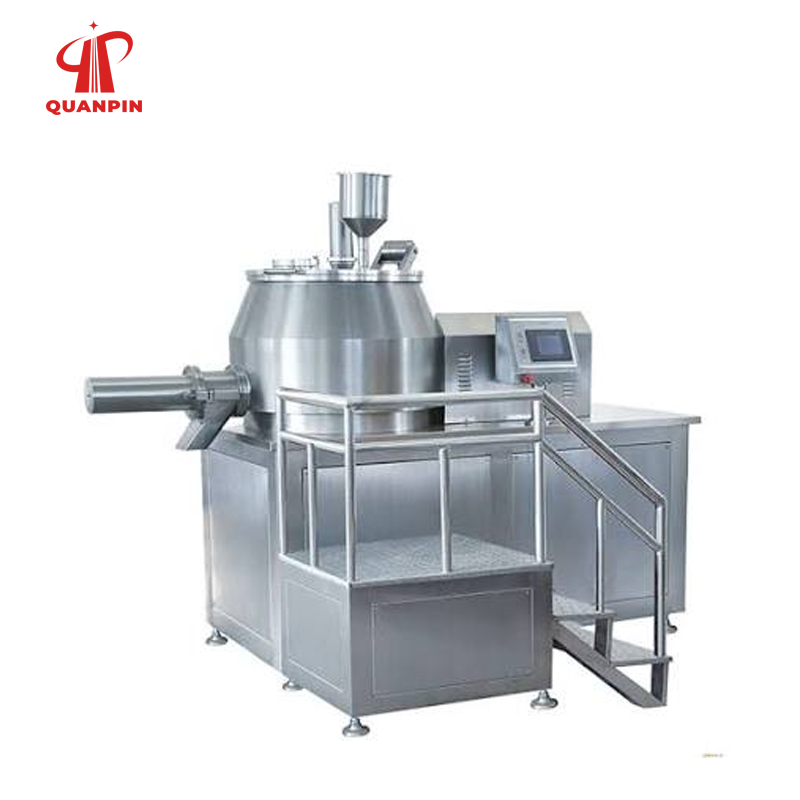
Bowl and working assembly
Confirm the bowl and working assembly configuration in the GHL documentation. For high-speed wet mixer granulator, state which attributes will be tested before and after the operation.
Binder addition connection
Identify the installed addition connection and any confirmed delivery components. A rapid mixer granulator description does not replace the trial evidence for this formulation.
Preparation vessel
Describe the preparation vessel separately where it is outside the granulator supply.
Transfer contact path
Review transfer connections and contact parts included in the actual route.
Delivery accounting method
Identify the measurement or accounting method proposed for the liquid addition.
Cleaning and access
Keep cleaning and access requirements with the delivery-interface review.
Comparison Choices and Process Interfaces
Define the Reference Basis
Establish a reference addition with a documented binder preparation and transfer boundary. Place rapid mixer granulator machine within the complete process boundary, including the next handling step.
Retain the actual evidence used to determine the delivered quantity.
Keep remaining liquid distinguishable from material that entered the process.
Keep the Comparison Interpretable
If the transfer route changes, review the quantity-accounting method before comparing runs.
Do not infer that a nominally identical prepared quantity created an identical bowl addition.
Document incomplete measurements as limitations rather than filling gaps with assumed recovery.
Assess the Receiving Process
Assess wet granules and dried granules as separate product states.
Preserve the drying and later handling histories when those stages belong in the investigation.
Use the combined evidence to decide whether another controlled addition comparison is needed.
Industry Application and Acceptance
Pharmaceutical formulation development should identify the role of binder delivery in the intended process.
The relevant quality attributes depend on the actual product and should be defined by the development team. A development comparison should not be presented as complete validation of an untested production process. See FDA process validation guidance.
Quantity reconciliation supports process knowledge without establishing a universal binder requirement.
Routine process controls and validation require their own justified approach and quality-system review.
Benefits and Practical Limits
A clear delivered-quantity record reduces ambiguity in a granulation comparison. Specify granulation equipment using the actual preparation history and the required finished material.
It cannot establish that every granule difference is caused by binder quantity or that an untested delivery system is suitable. Assess relevant quality risks using the actual material and process context. See FDA ICH Q9 quality risk management.
Six Details That Affect the Result
Use one clearly identified quantity basis across preparation and delivery records.
Record the actual transfer arrangement rather than a simplified equipment name.
Distinguish measured additions from values inferred by difference.
Identify remaining liquid only within the stated accounting boundary. Interpret measurements through process understanding rather than treating an isolated instrument reading as product acceptance. See FDA process analytical technology framework.
Preserve deviations or interruptions during transfer and addition.
Keep sample identities connected to the binder preparation and delivered-quantity record.
Safety and Operating Requirements
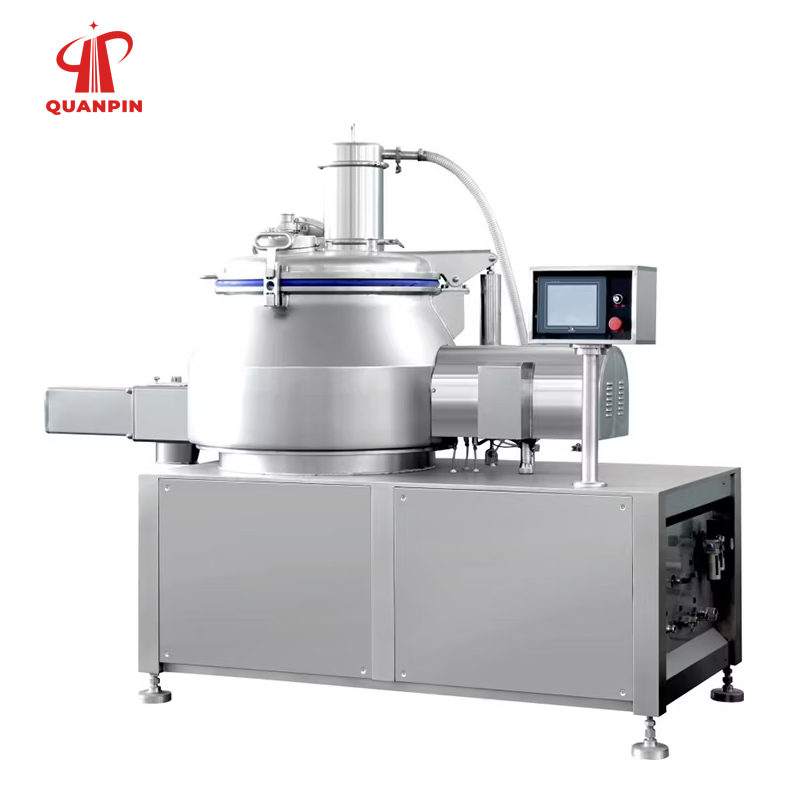
Liquid addition must follow the installed granulator’s approved operating procedure.
Binder hazards, cleaning compatibility and safe access need assessment for the actual preparation and transfer arrangement.
Prepare Your Equipment Enquiry
Send QUANPIN the binder description, preparation basis and proposed delivery route. Review the interface with wet granulation so preparation and final treatment are not confused with the machine’s own duty.
State the required addition evidence and which vessels, connections or measurement interfaces belong in the supply scope. The granulation line for solid dosage form requirement should retain the material identity, sampling method and downstream acceptance boundary. Retain knowledge and manage adopted process changes through the pharmaceutical quality system. See FDA ICH Q10 pharmaceutical quality system.
Frequently Asked Questions
Is prepared binder the same as delivered binder?
Prepared binder should not automatically be counted as binder delivered to the bowl.
Can an estimate be used without stating its basis?
An estimate can be useful when its method and limitations are stated clearly.
Does a transfer-route change matter?
Changing the transfer route may require the delivered-quantity assessment to be reviewed.
Does liquid accounting replace granule testing?
Granule quality still needs the specified product tests rather than a liquid balance alone.
Are delivery accessories automatically supplied?
Delivery accessories require confirmation in the actual equipment specification.
What addition requirements belong in the enquiry?
A useful enquiry connects formulation requirements with the liquid-delivery and accounting interfaces.
Discuss Your High-Speed Mixing Granulator Application with QUANPIN
Discuss your application with High-Speed Mixing Granulator specialists at QUANPIN. Use the enquiry below or our contact page.
Email sales@quanpinmachine.com or stacie@quanpinmachine.com. Call +86 19850785582, or contact us on WhatsApp: +86 15921493205.