Herbal Pulverizer Trials: Separate Total Extract Yield from Individual Marker Recovery
By QUANPIN
A pulverizer machine trial for herbal raw materials should distinguish the mass of extract obtained from the amount of a particular compound recovered. A larger extract is not automatically richer in the marker that matters.
Define the botanical material, intended powder and downstream extraction question before selecting a milling comparison. The application belongs within the relevant QUANPIN industry scope for herbal processing.
Define the Extraction Result before Milling
Total extract yield describes recovered extract mass relative to a stated input basis. It includes whatever material the selected extraction and recovery procedure brings into that measured fraction.
Marker content describes a specified compound on a stated basis, such as per mass of dried extract. Identify both the analyte and the denominator.
Distinguish Yield, Content and Recovery
Marker recovery asks how much of that compound was recovered relative to a defined starting amount. It requires suitable information about the incoming material as well as the extract.
These results can answer different development questions. Do not replace a compound-specific measurement with an extract mass simply because both are reported as percentages.
Five Inputs for an Interpretable Study
Botanical material
Record botanical identity, plant part and lot. Leaf, root and previously extracted residue should not share an assumed chemical starting condition.
Grinding objective
State the powder preparation objective and its size-evaluation method. A visual description of fine powder does not establish an individual chemical component’s recovery.
Extraction method
Record solvent, extraction sequence and the condition of the material entering extraction. Those operations can affect the report independently of the powder grinding machine.
Marker identity
Name the marker and appropriate analytical method. A group assay such as total phenolics differs from a selective determination of an individual compound.
Reporting denominator
State every denominator, including whether the original herb or extract is described on a dry basis. Otherwise apparently similar results can represent different quantities.
Read Plant-Grinding Research within Its Scope
An original Manuka and Stevia grinding investigation examined extraction of selected compounds after particle-size preparation. It found that grinding could change the extraction time profile under the tested conditions.
Its two plant systems and extraction procedures were specific. Their findings justify examining the actual botanical and method, not promising the same response for every herb.
The study investigated particular recovered compounds. A general statement that grinding improves extraction must still identify what was extracted and how it was measured.
A universal pulverizer enquiry should therefore include a chemical evaluation plan where marker recovery matters. Equipment fineness alone cannot supply that analytical evidence.
Six Boundaries from Herb to Report
Identify the botanical lot
Identify and retain the incoming botanical lot. Record plant part, preparation and any previous extraction or distillation that changes what remains in the feed.
Document preparation
Document the dry preparation and milling sequence. Do not silently include a separate solvent treatment within the claimed performance of the pulverizer.
Collect the powder
Collect identified powder for the subsequent evaluation. Preserve the material condition required by the customer’s sampling and laboratory procedures.
Conduct the separate extraction
Conduct the extraction as a separately described operation. Its solvent and operating conditions belong in the result even when the milling comparison is the main purchasing question.
Analyse the extract
Analyse the recovered material using methods suitable for the stated quantities. Retain extract mass and compound-specific measurements as separate observations.
Reconcile the report
Reconcile the report using consistent material bases. Explain which results describe the original herb, recovered extract or a selected analytical fraction.
Compare Different Analytical Questions
Total extract yield
Total extract yield is a mass result. An increase can involve constituents other than the selected marker, so it should not be presented as a selective chemical improvement.
An original rosemary-residue study separately examined extraction kinetics, total phenolic recovery and radical-scavenging capacity while varying preparation and extraction conditions.
Its material had already undergone essential-oil distillation. That starting condition matters when deciding whether its findings are relevant to an untreated botanical powder.
Marker concentration
Marker concentration is a composition result for the tested material. Specify whether a larger value refers to a richer extract or a larger recovered amount from the original feed.
A concentrated extract may have a different total mass from another preparation. Comparing concentration without the associated mass cannot establish recovered marker quantity.
Where a marker assay is required, identify the reference standard and suitable laboratory method through the customer’s analytical plan. Do not invent a product specification from a research paper.
Marker recovery
Recovery connects starting material with the compound actually collected. It depends on the defined starting quantity, extraction and analytical basis.
An industrial pulverizer comparison should preserve this distinction when a downstream laboratory reports only concentration. Ask what additional information is needed to answer recovery.
Keep conclusions limited to the measurement available. An unknown incoming marker amount cannot be replaced with an assumed botanical average.
Recognize Compound-Specific Responses
An original olive-leaf investigation used chromatography-mass spectrometry to assess different phenolic compounds during ball-milling-assisted extraction. The compounds had distinct evaluated responses.
The experiment combined milling with an extraction arrangement. It is not evidence that a dry QUANPIN pulverizer performs ball milling in solvent or supplies that extraction process.
Its value here is compound-specific reporting. Treat oleuropein, luteoloside and hydroxytyrosol as separate measured entities rather than one interchangeable extract-quality number.
A chosen marker should suit the intended botanical specification. Neither the equipment supplier nor a convenient published analyte should silently replace the customer’s defined chemical objective.
Keep Extraction Conditions Visible
A pressurized extraction study of wild-thyme dust evaluated total extraction yield and phenolic-related responses as distinct optimization quantities.
Its pressure-assisted extraction is separate equipment and a separate operation. The paper supports retaining the extraction conditions without attributing them to the pulverizing assembly.
Investigate a Yield-Marker Disagreement
If total extract increases but marker concentration falls, check both denominators before assigning a cause. A change in the recovered mixture can alter concentration without answering total marker recovery.
Then compare powder and extraction histories. Changing particle preparation, solvent and extraction method together prevents a simple attribution to fineness alone.
An original twelve-plant preparation study combined coarse or fine preparation with different extraction methods and distinguished group assays from individual polyphenol measurements.
Its analytical distinctions show why a broad phytochemical response should not be described as every marker increasing together. Each selected compound requires its own relevant evidence.
Keep biological assays separate from process yield. An antioxidant or antimicrobial laboratory response is not a clinical demonstration or a universal measure of extract suitability.
Retain an unexpected result instead of selecting only the favourable measurement. The discrepancy can reveal a reporting-basis or selectivity question worth investigating.
Prepare the Pulverizer Enquiry
Prepare the enquiry with botanical feed identity, desired dry powder and the proposed downstream evaluation. State whether the actual objective is extract mass, marker content or marker recovery.
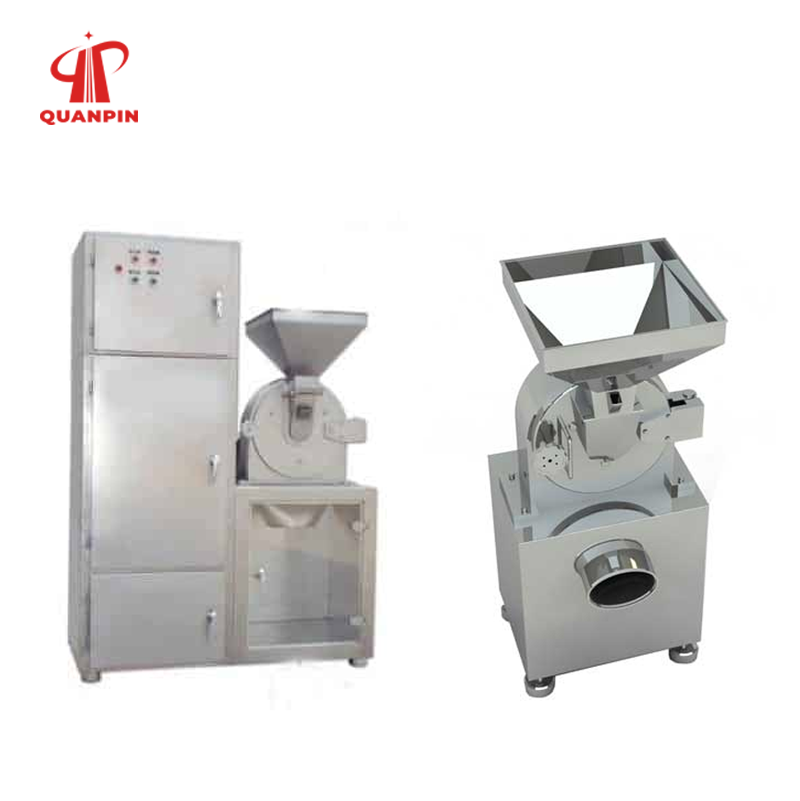
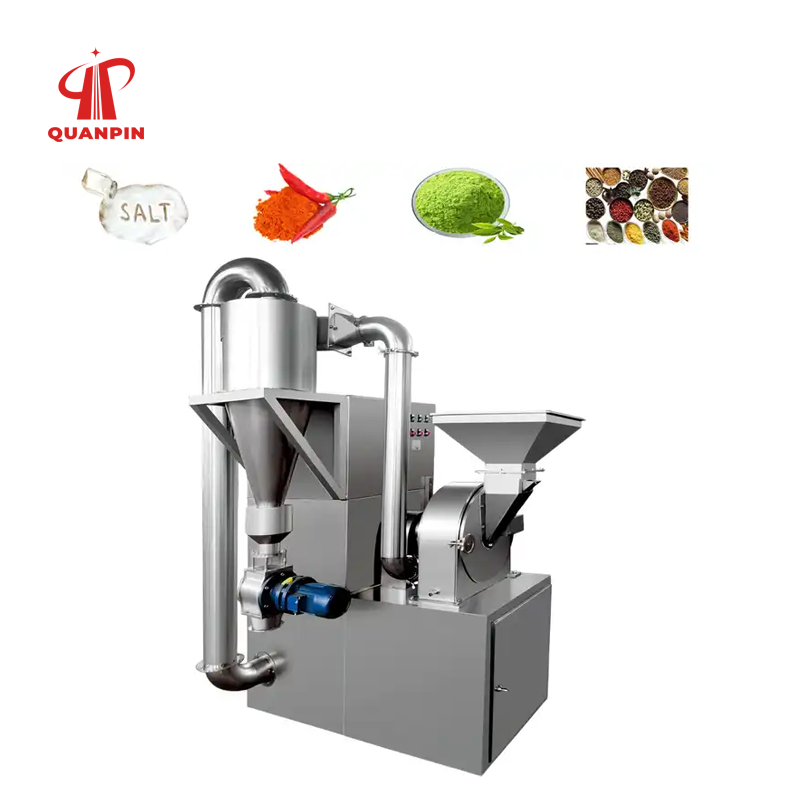
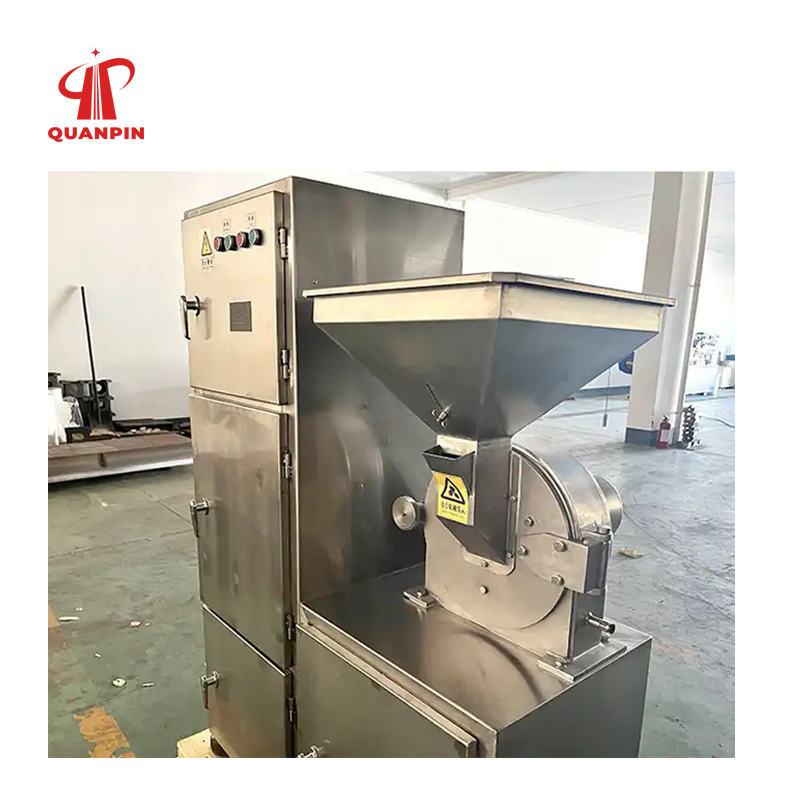
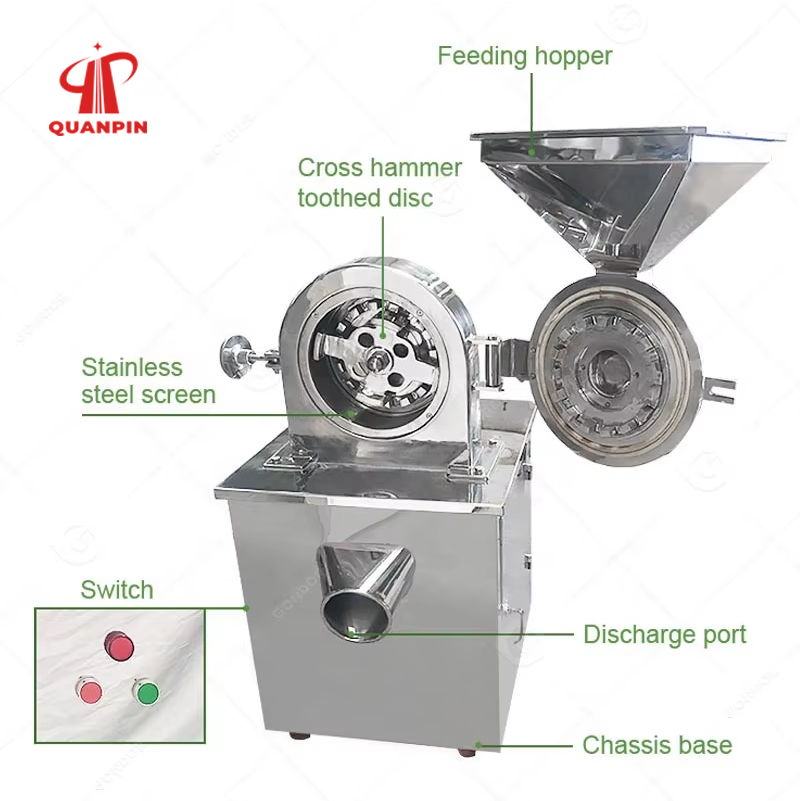
Review the High-Efficiency Pulverizer Unit for the confirmed dry size-reduction duty; extraction capability must be assessed separately rather than inferred from its name.
Retain the Reporting Basis
Retain specimen identities, analytical methods and calculation bases with the report. That record makes a later formulation or material-lot comparison interpretable.
A useful recommendation identifies the powder duty demonstrated and the downstream chemistry still to be established. It does not guarantee an unmeasured marker outcome.
Frequently Asked Questions
Does more extract mean more marker?
No. Total extract includes multiple recovered constituents. A selected marker needs its own quantitative result and an explicit reporting basis.
Are total phenolics a specific marker assay?
No. Total phenolics is a group-response measurement. It should not be substituted for a selective assay of an individual specified compound.
Does finer powder always give the preferred extract?
Not universally. Botanical composition and extraction conditions matter, and the preferred result depends on the actual chemical objective and product requirements.
Is milling-assisted extraction the same as dry pulverizing?
No. Milling-assisted extraction can combine mechanical treatment and solvent contact. A dry pulverizer does not acquire that capability from a cited experiment.
Can antioxidant tests establish clinical benefit?
No. Such laboratory responses address their test conditions. They do not establish clinical benefit, and this milling guide makes no therapeutic claim.
What should QUANPIN receive?
Provide the botanical lot and plant part, dry powder objective, separate extraction procedure, marker identity and analytical reporting basis. Explain the result the trial must actually demonstrate.
Discuss Your Herbal Powder Trial
Discuss the material, processing objective and required trials with QUANPIN. Review the equipment information and the relevant industry applications, or send an enquiry through our contact page.
Email sales@qpdryer.com or stacie@qpdryer.com. Call +86 19850785582 or contact WhatsApp +86 15921493205 to discuss the proposed scope.