GHL Nanocrystal Development: Measure Drug-Particle Redispersion Separately from Granule Diameter
By QUANPIN
A high shear granulator development trial involving drug nanocrystals needs two particle-size questions. The size of the collected granules does not establish the size of drug particles recovered from them.
A granule is a larger assembly containing drug and excipients. Redispersion testing examines what particles appear when that assembly is placed in a specified liquid under a defined procedure.
Distinguish the Two Particle Populations
The original nanosuspension supplies an important reference for the recovered drug particles. Comparing only the dried granule sizes leaves that reference question unanswered.
Granule flow, strength, drug content and nanocrystal redispersibility are different observations. A satisfactory result for one property cannot automatically replace measurement of the others.
Define the Proposed Processing Duty
For a rapid mixer granulator enquiry, identify the actual proposed formulation and liquid duty. Compatibility with the nanosuspension requires a material-specific technical assessment.
The research includes manual wet granulation, fluidized-bed processing and other drying methods. These apparatus differences remain explicit; none proves a supplied GHL operating window.
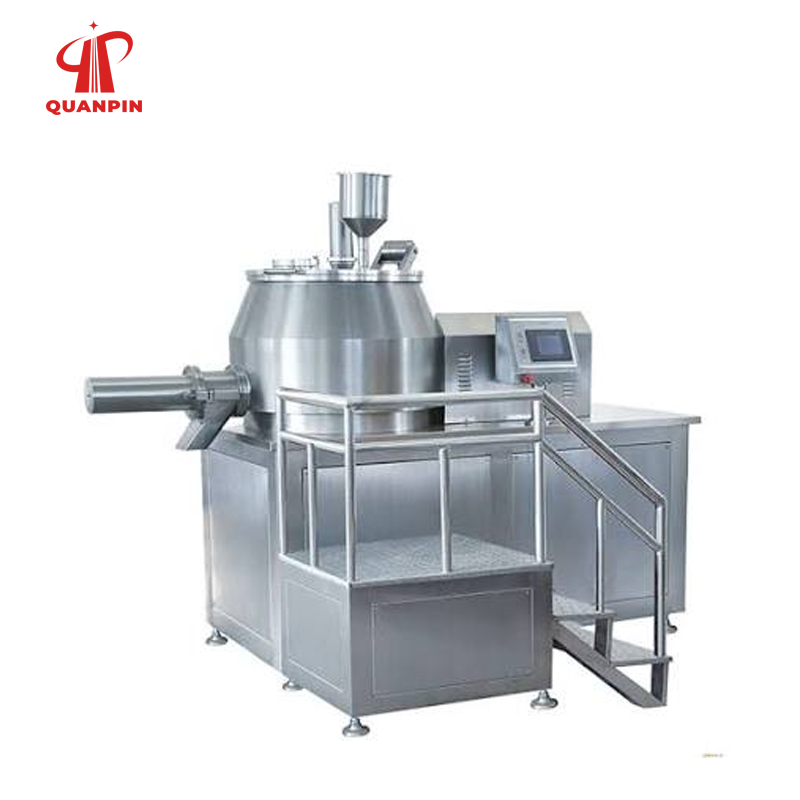
Five Inputs for a Redispersion Comparison
Starting nanosuspension
Record the active ingredient, stabilizers and initial nanosuspension condition. A later redispersion comparison needs an identifiable starting particle-size distribution.
Carrier and polymer
Specify the carrier and any additional polymer used during solidification. These materials can affect how nanoparticles are separated or embedded when liquid is removed.
Formulation basis
Keep the drug-to-excipient basis clear across formulations. Changing a polymer amount without preserving the comparison basis can confound interpretation of the recovered particles.
Redispersion procedure
Define the redispersion medium and procedure before comparing products. Drug dissolution, incomplete carrier dissolution or excessive preparation energy can alter the measured specimen.
Sizing method
Select particle-sizing methods appropriate to the question. An apparent size increase needs interpretation when insoluble excipient fragments can contribute to the measurement signal.
Account for Analytical Interference
Plan a separate granule assessment using the relevant bulk and mechanical observations. Those measurements describe the intermediate rather than directly measuring its primary drug particles.
An original pharmaceutical investigation converted cinnarizine nanosuspensions into granules using manual laboratory wet granulation, then evaluated the products and later mini-tablets.
The study evaluated drug loading and recovered nanocrystal size separately from granule properties. It also discussed how insoluble carrier-derived particles could complicate interpretation of the sizing result.
For a high shear mixer granulator trial, preserve that analytical distinction. The manual laboratory result is a development example and cannot qualify a different processing apparatus.
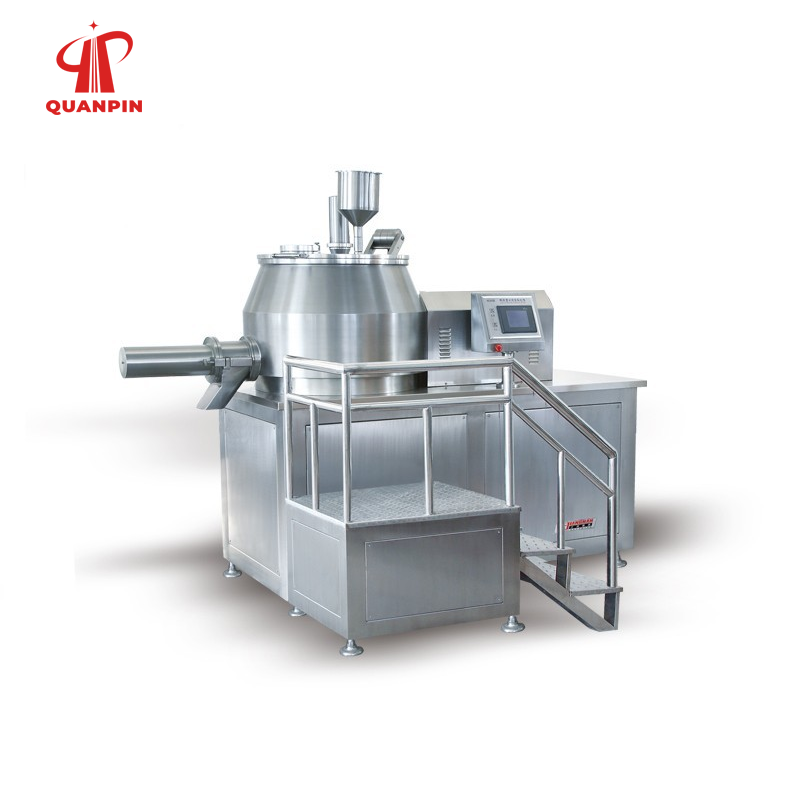
Six Stages from Suspension to Result
Reference specimen
First characterize and preserve a reference of the incoming nanosuspension. Record any extra polymer added before using that liquid in the proposed solidification stage.
Wet processing
Next document the actual granulation programme and additions. A formulation and apparatus change should remain distinguishable rather than being combined into an unexplained comparison.
Intermediate collection
Collect the intermediate fraction identified in the trial plan. Associate the specimen with the actual stage and any size-selection procedure used before analysis.
Drying history
Record the drying route and relevant specimen history. A measurement after drying includes the effect of more than the earlier wet granulation operation alone.
Redispersion preparation
Redisperse the specimen using the agreed laboratory method. Document preparation energy and duration so a second product is not tested under more favourable conditions.
Joint interpretation
Compare the recovered particles with the reference alongside other product measurements. State which particle population each reported size distribution actually represents.
Read Carrier and Polymer Evidence
Naproxen granules
An original pharmaceutical investigation used naproxen nanosuspension as the liquid in fluidized-bed granulation, systematically varying carrier and polymer conditions.
Carrier dissolution and added polymer influenced nanoparticle recovery. The investigators used saturated drug solution for redispersion and complemented dynamic light scattering with laser diffraction.
That approach limited premature drug dissolution during preparation and examined larger agglomerates separately. It does not establish a universal analytical method for every active ingredient.
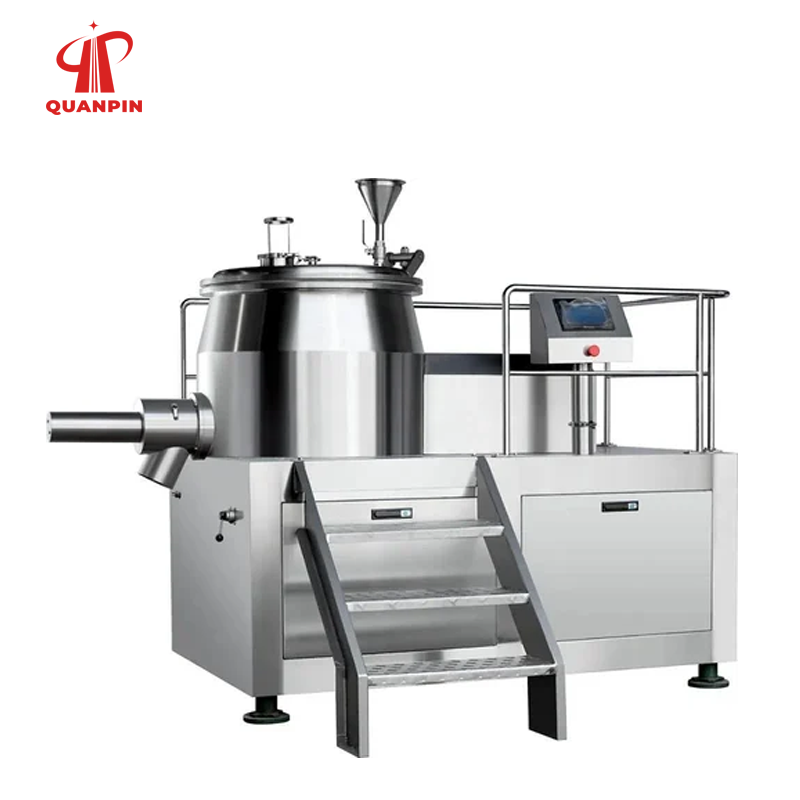
Itraconazole granule structure
An original pharmaceutical investigation examined itraconazole nanoparticles recovered from fluid-bed granules while varying the carrier material and polymer formulation.
Changes in carrier and polymer affected both granule structure and nanoparticle recovery. Coarser granules could coexist with better redispersibility under the investigated formulation conditions.
Consequently, a larger dried assembly is not direct evidence that the primary drug particles have irreversibly grown. The recovered particle population needs its own evaluation.
Downstream crystal preservation
For a high shear wet granulator development programme, specify which hypothesis the trial tests. Granule growth and nanoparticle aggregation should not be assigned the same acceptance observation.
An original pharmaceutical investigation compared two downstream routes for diclofenac nanocrystals and evaluated the resulting solid dosage-form materials.
The investigators compared fluid-bed processing of a nanosuspension with a spray-dried nanocrystalline dispersion. Their discriminatory dissolution evaluation indicated changes in the drug crystals during downstream processing of the suspension.
Interpret Assembly Size Separately
This supports checking the material after the complete relevant processing route. It does not establish that every drying or granulation method has the same effect.
An original pharmaceutical investigation compared vacuum drum drying and spray drying of ABT-199 nanocrystal suspensions, followed by evaluation of tableting and redispersion.
Drug loading and drying-protectant proportion affected recovered particle size. The study also examined compaction, showing why evaluation should continue when the intermediate undergoes another operation.
These results concern drying and tableting rather than GHL granulation. Their purpose here is to define the downstream preservation question, not prescribe equipment settings.
Assess the Complete Downstream Route
For a high shear granulator price discussion, distinguish the mechanical processing duty from nanosuspension preparation, drying and specialist particle analysis. Confirm each responsibility in the proposed scope.
Describe the intended final dosage-form route. A trial stopping at the wet intermediate cannot answer every question about a later dried or compressed product.
Interpret Different Size and Release Results
If granules grow but recovered drug particles remain comparable, retain both findings. The observations concern different structural levels and need not be contradictory.
If the apparent recovered size rises, examine preparation and excipient interference. A scattering signal alone may not identify which material created the larger population.
If dissolution changes without an obvious size change, investigate the relevant formulation and test conditions. Nanocrystal recovery is one property rather than a complete explanation of release.
If a polymer or carrier changes, preserve the actual formulation basis. A beneficial result for one active ingredient does not establish equivalent behaviour for another.
If an additional drying or compression stage follows, test the appropriate final specimen. An earlier intermediate result does not demonstrate preservation through every later operation.
If two sizing methods disagree, describe their measured populations and limitations. Reporting only the more favourable number would obscure the analytical question the trial was designed to resolve.
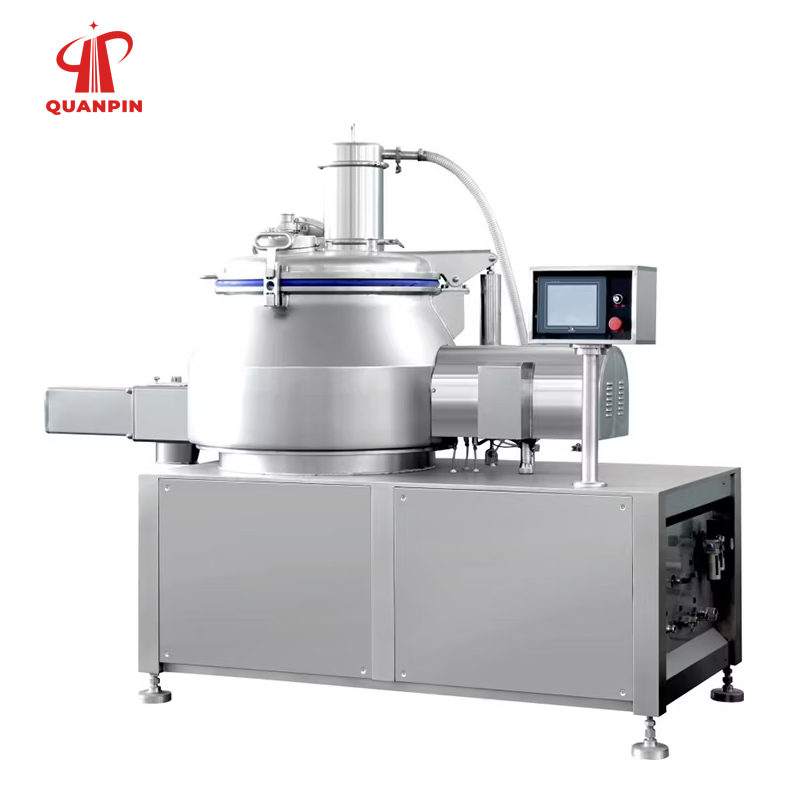
Prepare the Granulation Enquiry
Prepare the enquiry with the active ingredient, nanosuspension composition and proposed wet-processing duty. Include the reference particle data available for the starting material.
Describe the downstream drying and dosage-form operations that must be evaluated. Identify where representative specimens can be collected without losing their process history.
Confirm the Process and Analytical Scope
Review the scope for granulation, transfer, drying and analytical work individually. The cited research does not establish that one equipment package includes all of these tasks.
The useful development conclusion states whether suitable granules formed and whether the drug particles were preserved. It also identifies what the analytical procedure could and could not distinguish.
Frequently Asked Questions
Does granule size measure drug particle size?
No. Granule diameter describes the assembled intermediate. Primary drug-particle size after redispersion requires a separate measurement with an appropriate reference.
Do larger granules mean larger drug particles?
No. The itraconazole experiments showed that coarser granules could have better nanoparticle redispersibility under certain formulation conditions; the two sizes are not interchangeable.
Can any liquid be used for redispersion?
Not automatically. Dissolution during specimen preparation can change the population being measured. The redispersion medium must suit the specific analytical question and drug.
Can carrier particles affect the result?
Yes. Insoluble carrier fragments or aggregates can contribute to the measured signal, so an apparent size change needs interpretation rather than automatic attribution to drug growth.
Does laboratory research validate GHL settings?
No. The cited manual and fluid-bed studies concern their own apparatus. They provide formulation evidence and analytical boundaries, not validation of commercial GHL operating settings.
What should the enquiry include?
Provide the starting nanosuspension identity, reference size, excipient composition, processing route and redispersion procedure. Define the separate granule and primary-particle objectives before comparing trials.
Discuss Your Granulation Application
Discuss the material, processing objective and required trials with QUANPIN. Review the equipment information and the relevant industry applications, or send an enquiry through our contact page.
Email sales@qpdryer.com or stacie@qpdryer.com. Call +86 19850785582 or contact WhatsApp +86 15921493205 to discuss the proposed scope.