Drying Aromatic Plants: Distilled Oil Recovery Is Not a Direct Measure of Original Aroma Retention
By QUANPIN
Drying an aromatic plant can change the amount of oil subsequently recovered by hydrodistillation. That recovery measurement is not automatically a direct measurement of the original plant’s retained aroma.
For a hot air circulation oven trial, identify whether the intended product is a dried ingredient or material for a later extraction operation. The acceptance question determines the evidence required.
Distinguish Recovery from Retention
Hydrodistillation recovers oil through a defined extraction procedure. Report the plant specimen, method and calculation basis together with the measured quantity.
A chromatographic composition describes components within the analysed oil. A relative component percentage does not independently state its absolute amount in the original plant.
Name the Measurement Basis
Sensory aroma is another response. Neither total distilled-oil yield nor a relative chromatographic percentage should be relabelled as a measured sensory result.
These distinctions matter when comparing fresh and dried inputs because their water contents differ. Preserve the actual mass basis instead of comparing unqualified percentages.
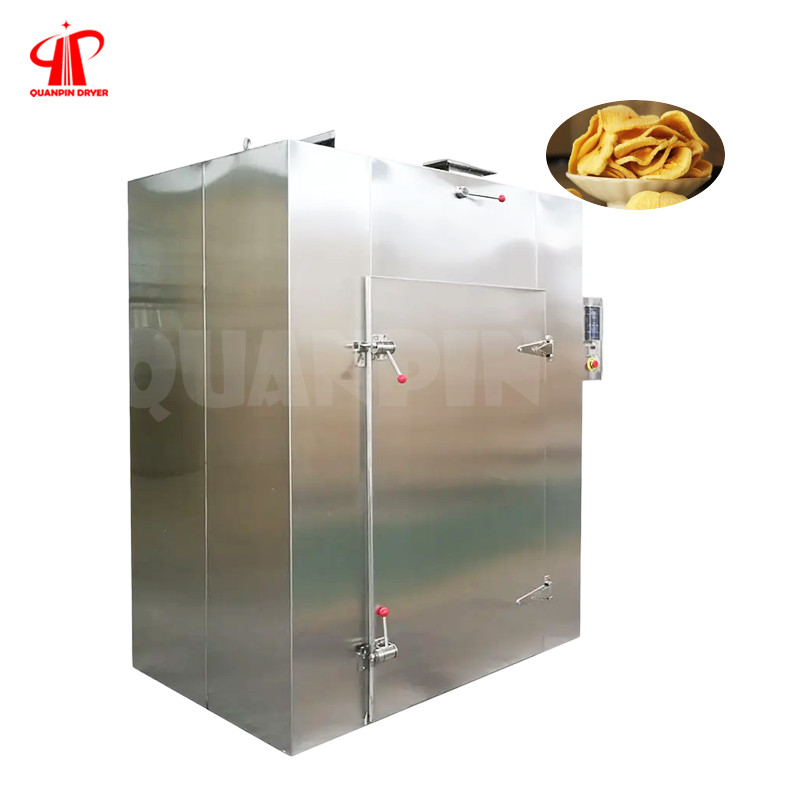
Five Inputs for the Plant Trial
Plant identity
Identify species and relevant harvest history. Different aromatic materials can respond differently, even when they undergo a similarly named drying treatment.
Incoming quantity
Record incoming plant condition and the actual quantity sampled. Distinguish comparisons made on fresh mass from those made on dry material.
Drying treatment
Define the drying treatment and collection point. Keep the resulting sample associated with its specific material and processing history.
Extraction method
State the extraction procedure used for assessment. A different hydrodistillation procedure creates a different analytical comparison and should remain visible.
Product objective
Specify the product objective and measurement. Oil recovery, relative composition and sensory character need their own acceptance criteria where relevant.
Read the Drying-Period Comparison
A rosemary experiment illustrates why removing more water does not establish a simple monotonic improvement in the oil recovered through a subsequent extraction procedure.
Drying Induced Impact on Composition and Oil Quality of Rosemary Herb, Rosmarinus Officinalis Linn compared fresh rosemary with material naturally dried for different periods and measured the oils obtained through hydrodistillation.
The recovered oil quantities and chromatographic profiles differed across the investigated periods. Longer drying did not produce a simple uniform increase in recovered oil.
This is evidence for those specimens and extraction conditions. It does not establish an optimum time for a QUANPIN oven or an absolute balance of all original volatile compounds.
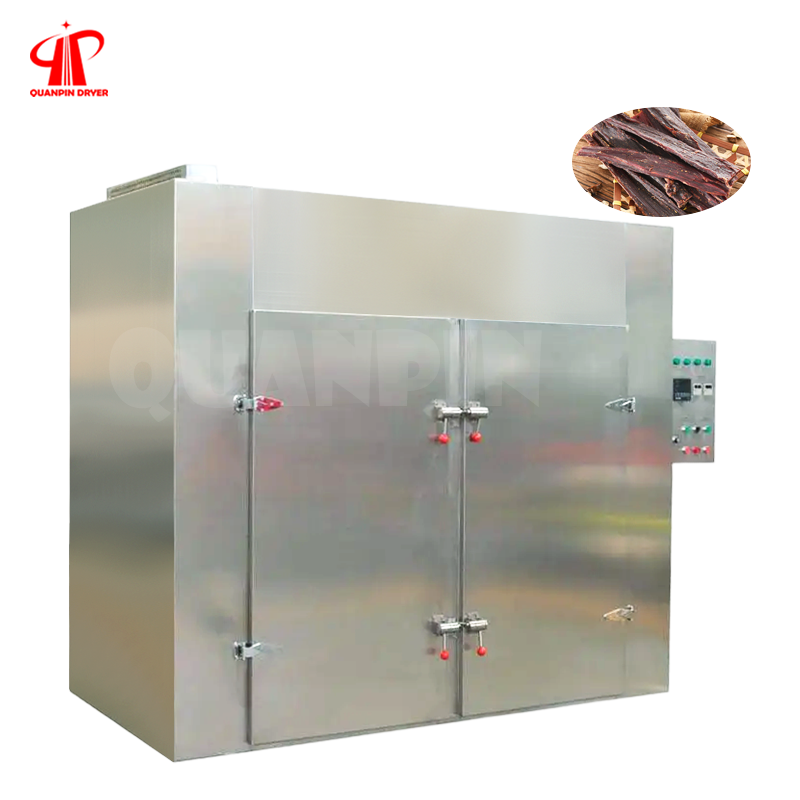
Six Stages from Plant to Oil Profile
Before drying
Before drying, retain the species and harvest record. Preserve a representative reference suitable for the intended fresh-versus-dried analytical comparison.
During loading
During loading, identify the sampled material and arrangement. An extraction result needs a clear connection to the plant material that entered the trial.
During drying
During drying, record the actual treatment history. Avoid substituting a literature label such as shade drying for the process used in the evaluation.
At collection
At collection, label the specimen and any holding interval. Subsequent extraction should be traceable to the relevant drying condition and sample quantity.
During extraction
During extraction, retain the analytical procedure and yield basis. Differences in extraction treatment should not be attributed silently to drying alone.
During analysis
During composition analysis, retain the identification and reporting method. Relative percentages belong to the analysed oil and require careful interpretation.
Compare Yield, Composition and Harvest
Yield and relative profile
A drying comparison can change both the amount of recovered oil and its relative composition. Those two results should be retained independently.
Impact of drying methods on the yield and chemistry of Origanum vulgare L. essential oil applied different dehydration methods to oregano aerial parts, then examined the extracted oils by chromatographic methods.
The treatments produced differences in recovered oil yield and relative component profiles. A larger relative percentage of a constituent does not alone establish a larger absolute quantity retained in the plant.
Similar recovery different composition
Similar total recovery can also conceal compositional changes. A single yield value therefore cannot replace the profile measurement when composition matters.
The Impact of Drying Methods on Product Quality of Rosmarinus officinalis L. compared shade, sun and oven drying of rosemary and examined hydrodistilled oil and leaf colour.
The study reported no significant effect on total oil content across its treatments while finding differences in oil composition. Its findings do not imply that every aromatic plant behaves similarly.
Harvest context
Incoming-material variation is a further part of the comparison. Harvest timing can change the reference material before a drying treatment begins.
The impact of the harvesting period and drying conditions on the essential oil yield of Rosmarinus officinalis, Thymus satureioides and Origanum compactum from the Taza-Taounate region investigated harvest period and drying conditions for three aromatic species and measured oil recovery through hydrodistillation.
The reported yields depended on species, harvest and investigated conditions. That study cannot supply a universal recovery target or one drying recipe for all herbs.
Define the Oven Enquiry
A hot air drying oven enquiry should describe the actual plant and intended collected form. Explain whether subsequent oil extraction is part of the customer’s process.
For a tray dryer trial, agree what material will be collected for extraction and which measurements will be compared. Keep the evaluation route consistent.
If the product is sold as a dried food ingredient, state its sensory and compositional requirements separately. An extraction assay does not by itself describe the consumer’s use.
A hot air tray dryer price enquiry should therefore include material, process duty and acceptance questions. Cost does not establish volatile preservation or extraction yield.
Keep Extraction Scope Explicit
The equipment application is preparation of the agreed dried material. Hydrodistillation in these papers is an assessment or downstream extraction operation, not a standard oven function.
The cited work does not justify therapeutic claims for the dried plant or recovered oil. The article concerns defined processing and composition observations.
Record Drying and Extraction Separately
Air-treatment conditions can influence the subsequent extraction result. That connection should remain material-specific and should not be generalized beyond the experimental scope.
Essential oil yield and the chemical characterization of Hyptis marrubioides leaves submitted to drying reports the author’s original Hyptis experiments in an institutional thesis, including a chapter on essential oil recovery from dried leaves.
The investigated fixed-bed drying temperatures and air velocities affected the recovered oil and its measured composition. The thesis separates the drying stage from subsequent hydrodistillation and chromatography.
These findings support recording both stages. They do not demonstrate the same result for a different species, extraction procedure or QUANPIN equipment configuration.
When comparing reported percentages, inspect the denominator first. Fresh mass, dried mass and relative chromatographic area describe different quantities.
When comparing profiles, retain both the component result and the total recovered oil where available. Avoid manufacturing an absolute retention result from incomplete data.
Prepare the Application Record
Prepare the enquiry with species, harvest context, incoming form and intended dried product. Describe the downstream extraction route if that route determines acceptance.
Provide available recovery and composition measurements with their methods. Mark missing sensory or absolute-balance evidence rather than inferring it from the oil profile.
Agree Separate Acceptance Questions
Agree a sampling plan that connects incoming plant, dried specimen and extracted oil. Define how each quantity will be recorded and compared.
Keep recovery, composition and sensory acceptance separate. This makes a drying evaluation reviewable without promising a result the available tests do not measure.
Frequently Asked Questions
Does recovery prove aroma retention?
No. Hydrodistillation measures oil recovered through its defined procedure; original aroma retention requires evidence appropriate to that separate question.
Does relative percentage give absolute quantity?
No. A relative percentage describes a share of the analysed oil. It does not independently provide an absolute amount in the original plant.
Does longer drying mean greater recovery?
No. The rosemary experiments illustrate that recovery and composition can respond differently across the investigated drying treatments.
Does harvest context matter?
Yes. Species and harvest conditions belong in the record because they can change the input before drying begins.
Is hydrodistillation an oven function?
No. Hydrodistillation and chromatography in the research are separate operations and do not establish standard functions of a tray oven.
What should an enquiry contain?
Provide the plant, drying duty, intended use, extraction procedure and separate recovery, composition or sensory measurements required for acceptance.
Discuss Your Aromatic Plant Application
Discuss the material, processing objective and required trials with QUANPIN. Review the equipment information and the relevant industry applications, or send an enquiry through our contact page.
Email sales@qpdryer.com or stacie@qpdryer.com. Call +86 19850785582 or contact WhatsApp +86 15921493205 to discuss the proposed scope.
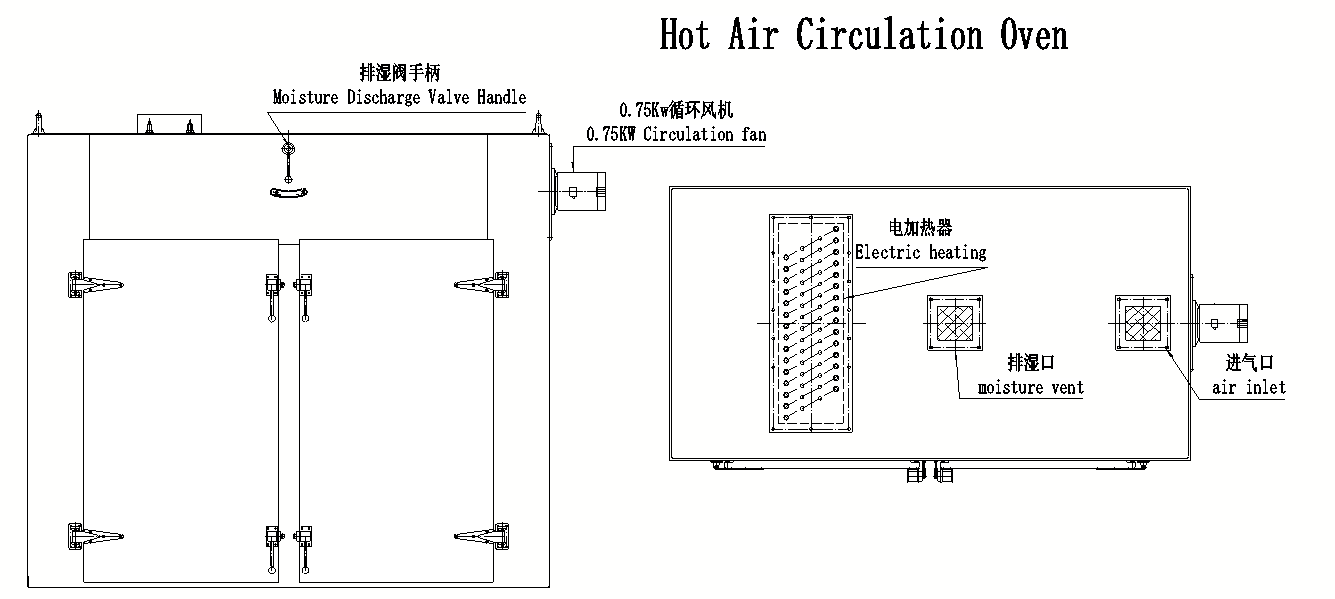
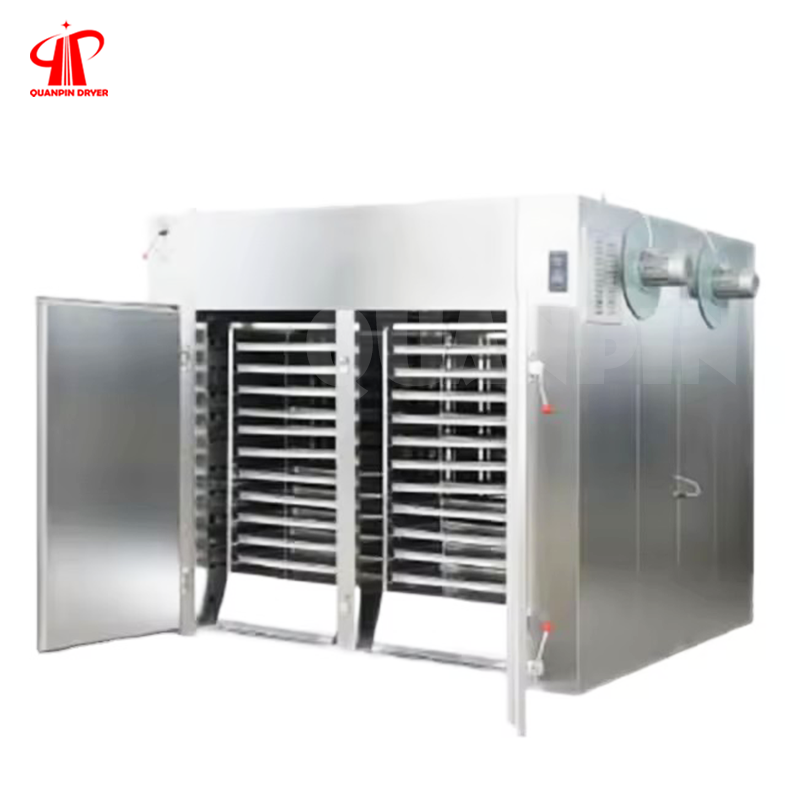
For process evaluation, consider the hot air oven for batch tray drying with circulating hot air. Confirm suitability with representative material, the required product properties and the proposed process conditions.