JZL extrusion granulation forms prepared damp material by forcing it through forming openings. Unlike a process that mainly builds loose agglomerates through repeated wet collisions, extrusion depends on a mass that deforms coherently during passage. The consistency established upstream therefore has a direct effect on strand formation, sticking and the condition presented to the dryer.
For pharmaceutical blends, the useful equipment question is whether the real wet mass can be fed, shaped and collected consistently. That question includes the response after drying, because wet strands can deform or fracture during the next operation. This guide follows the production sequence and identifies observations that connect the extrusion mechanism with practical material selection.
- Specify the intended output form. Define whether the next operation needs coherent pieces that resist transfer or material that will be broken down later. The desired handling behavior guides the trial. A smooth wet strand is not by itself evidence that the dried product will meet the receiving process requirement. Review this stage with the Extrusion Granulator configuration.
- Develop plasticity upstream. The prepared mass must deform through the openings without behaving like loose crumbs or an adhesive slurry. Compare representative feed portions using a controlled preparation method. Extrusion makes differences visible at the outlet, but it cannot automatically correct uneven binder distribution inherited from the mixer.
- Distribute liquid throughout the blend. Local wet pockets can smear while drier regions fracture, even when the average moisture result looks consistent. Review the mixing sequence and sampling locations before changing the forming hardware. Otherwise an apparent die problem may actually originate in preparation of the feed.
- Keep the feed supply steady. Bridging or intermittent charging changes how material reaches the working region. Observe the hopper and the emerging extrudate together so that a broken strand pattern can be connected to a supply interruption. State the intended feeding arrangement when requesting the equipment configuration. Review this stage with the pharmaceutical granulator configuration.
- Trace mechanical action toward the openings. The machine advances and presses the damp mass through the forming boundary. Resistance depends on the material and selected geometry together. Change one development factor at a time when investigating difficult passage, preserving enough feed for a meaningful comparison between trial conditions.
- Inspect extrudate immediately at formation. Rough fracture, coherent strands and smeared material describe different responses. Collect a sample before drops or receiver compression alter the shape. Match that sample to its feed portion so the team can distinguish a preparation difference from a collection problem. For finished-drug operations within its scope, 21 CFR 211.188 supports this requirement: record significant production steps, equipment identity, materials and relevant in-process results in the batch production record.
- Monitor the consequences of mechanical work. Repeated deformation may change a sensitive blend during processing. Use suitable observations of product condition and operating behavior during the trial. Do not assume that the feed remains physically unchanged simply because the machine operates without intentional external heating at the forming step. Review this stage with the JZL Series Extrusion Granulator configuration.
- Avoid deep accumulation during collection. Fresh extrudate may adhere to neighboring pieces or flatten under the weight of material above it. Arrange the receiving tray or transfer frequency around that behavior. The benefit of producing a defined form depends on preserving it long enough to reach the next operation.
- Evaluate drying with the extruded structure. Liquid must leave formed pieces rather than an unconsolidated powder layer. Compare the dried interior and exterior with appropriate methods, and inspect for breakage or unexpectedly hard pieces. Wet appearance cannot establish the final moisture distribution or handling strength of the recovered granules. For finished-drug operations within its scope, 21 CFR 211.160 supports this requirement: use scientifically sound specifications, sampling plans and test procedures when assessing dried extrudate.
- Choose pharmaceutical applications by formulation behavior. A damp excipient blend that deforms and holds its emerging shape may justify an extrusion trial. A brittle or strongly adhesive formulation may require a different preparation route. Ingredient compatibility and final dosage performance remain separate questions from mechanical passage through the equipment. Review this stage with the extrusion granulation configuration. For finished-drug operations within its scope, 21 CFR 211.165 supports this requirement: keep final drug-product release separate from the extrusion trial: each applicable batch requires appropriate laboratory confirmation against final specifications before release.
- Inspect forming components between campaigns. Deposits around openings can change passage and strand appearance, while damaged parts can change the shape itself. Review removal and restoration with operators. Include practical inspection effort in the evaluation instead of comparing only the time during which material is visibly emerging. For finished-drug operations within its scope, 21 CFR 211.182 supports this requirement: record major equipment cleaning, maintenance and use in the applicable equipment log or dedicated-equipment batch record.
- Give QUANPIN a complete process brief. Include the actual blend, binder preparation, feed holding time, desired form and planned dryer. Request samples from feed, fresh extrudate and dried output. Select the arrangement using coherent evidence across those stages rather than relying on an isolated extrusion demonstration. For finished-drug operations within its scope, 21 CFR 211.180 supports this requirement: retain required production and control records and keep them available for authorized inspection.
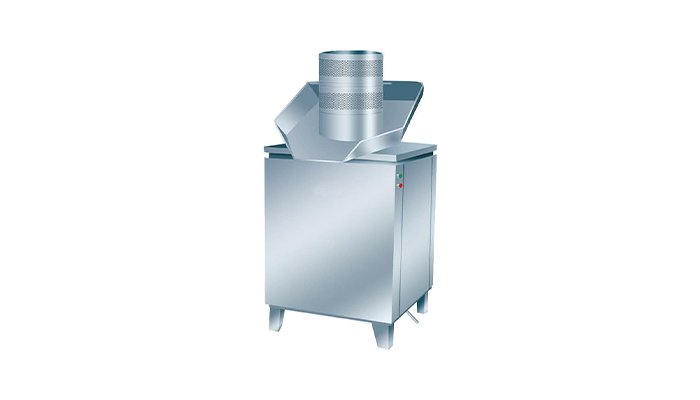
Discuss your material and production route with QUANPIN. Review the corresponding equipment information before arranging a material trial.
YANCHENG QUANPIN MACHINERY CO.. LTD
Sales Manager – Stacie Tang
MP: +86 19850785582
Tel: +86 0515-69038899
E-mail: stacie@qpdryer.com
WhatsAPP: 8615921493205
https://quanpindrying.en.alibaba.com/
Address: Jiangsu Province, China.