Foamed Binder in Wet Granulation: Evaluate Delivery Mechanisms Before Specifying Equipment
By QUANPIN
Foamed-binder granulation changes the way a liquid reaches a powder bed. It should be assessed as a binder-delivery process, with evidence connecting the foam, the moving powder and the resulting granules.
For a high shear granulator project, published foam research can help define development questions. It does not establish that a particular machine is supplied with foam-generation or foam-delivery capability. A high shear mixer granulator enquiry should state whether a conventional liquid addition system or a proposed foam delivery arrangement is being discussed; the phrase high shear wet granulator alone does not confirm either configuration.
Define the Binder-Delivery Change
Aqueous foam introduces gas into a binder-liquid system before delivery. The delivered foam and the underlying binder liquid therefore need separate descriptions in a comparison.
A foam-volume comparison alone can obscure how much liquid binder was delivered. Establish a common liquid and binder basis before comparing the products of different delivery routes.
Choose the Experimental Question
Begin by stating the intended comparison: initial nucleation, complete granulation, or downstream product behaviour. A short experiment designed to form nuclei does not answer every full-batch question.
A rapid mixer granulator trial plan should identify that objective explicitly. Otherwise a visually attractive early result can become an unsupported claim about final product performance.
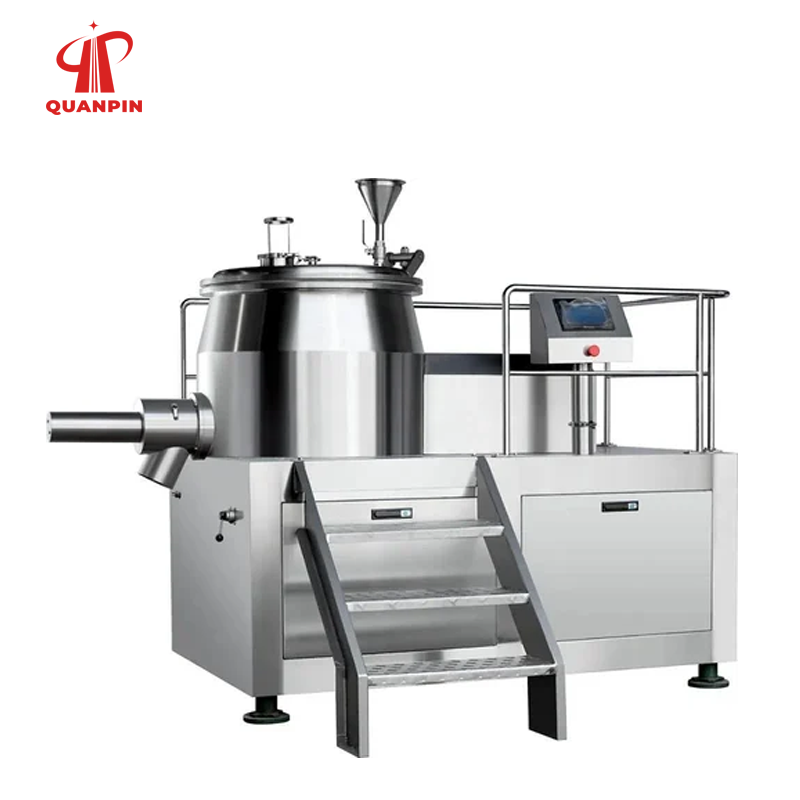
Five Records for a Foam Comparison
Binder identity
Identify the binder chemistry and grade. Keep the prepared solution associated with the foam sample, rather than describing every foamed liquid simply as binder.
Solution concentration
Record the prepared solution concentration and the basis used to express it. Do not substitute a foam-volume measurement for the amount of binder solids delivered.
Foam description
Describe the foam condition and how it was characterised. Preserve the study’s definition of foam quality instead of treating the word quality as a general judgement of suitability.
Powder identity
Identify the powder formulation and preparation. Model lactose systems and commercial pharmaceutical formulations should remain distinct in any evidence summary.
Delivery sequence
Record the delivery and mixing sequence. A foam deposited on a static bed experiences a different environment from foam contacting circulating powder.
Separate the Experimental Stages
Static-bed penetration examines how liquid enters a prepared powder bed. It can isolate part of the interaction without reproducing the full mechanical environment of granulation.
Short-nucleation experiments use limited addition and processing to investigate early granule formation. Their purpose differs from a trial where growth and breakage occur throughout a batch.
Full-granulation experiments include additional interactions as processing continues. Interpret their final distributions in relation to the preceding delivery and mixing history.
A downstream evaluation asks another question again. Granule appearance or diameter cannot replace the product measurements required for the intended application.
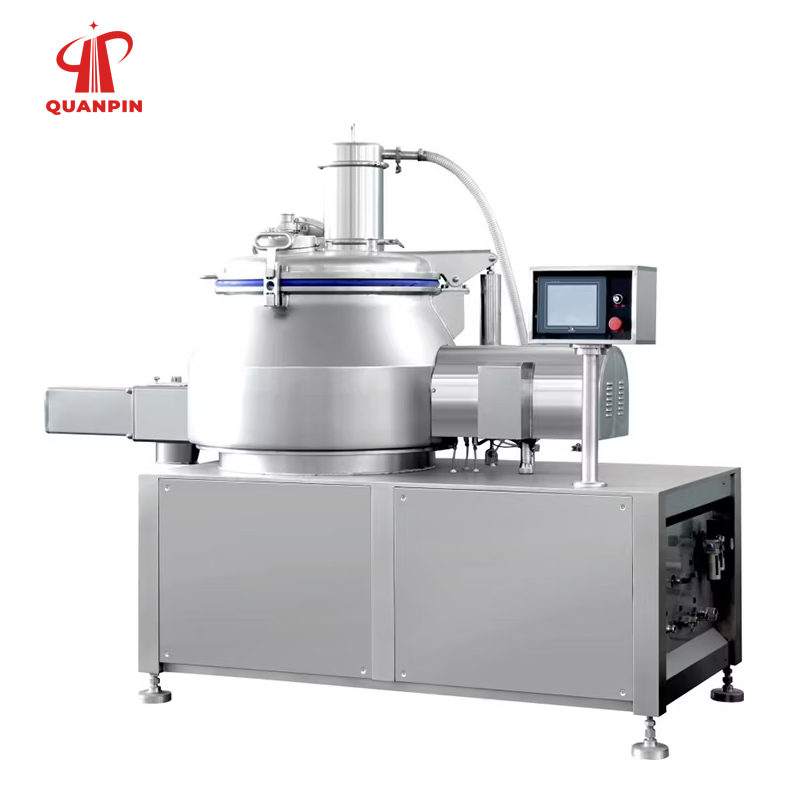
Six Controls for a Fair Trial
Liquid comparison basis
Set the liquid-binder comparison basis before the trial. State whether the routes receive the same liquid amount, binder-solid amount or another deliberately selected basis.
Powder condition
Keep powder identity and starting condition comparable. Changing the formulation while changing the delivery route creates a compound comparison that needs a different interpretation.
Generation and delivery
Record how the foam was generated and delivered. These details define the experimental system without implying that every mixer includes the necessary auxiliary equipment.
Powder movement
Retain observations of the powder motion during addition. Foam behaviour should be interpreted with the mixing environment rather than as an isolated property of the liquid.
Observation stage
Measure outcomes at the stage specified in the plan. Initial nuclei and final dried granules represent different points in the process history.
Unsuccessful observations
Preserve both successful and unsuccessful observations. A method comparison becomes less informative when unstable delivery or difficult incorporation is omitted from the development record.
What Original Foam Studies Establish
Static-bed evidence
A single-foam and single-drop investigation compared HPC and HPMC solutions in glass-ballotini and lactose beds. It evaluated penetration time per binder mass and a nucleus-to-liquid mass ratio.
The authors reported more efficient nucleation for the foam route in their tested systems. Those findings concern the specified powders, liquids and static-bed experiments.
A Monash conference investigation filmed single foams on moving powder in a high-shear mixer. Its abstract describes different foam behaviour under bumping and roping powder flows and proposes drainage and mechanical-dispersion regimes.
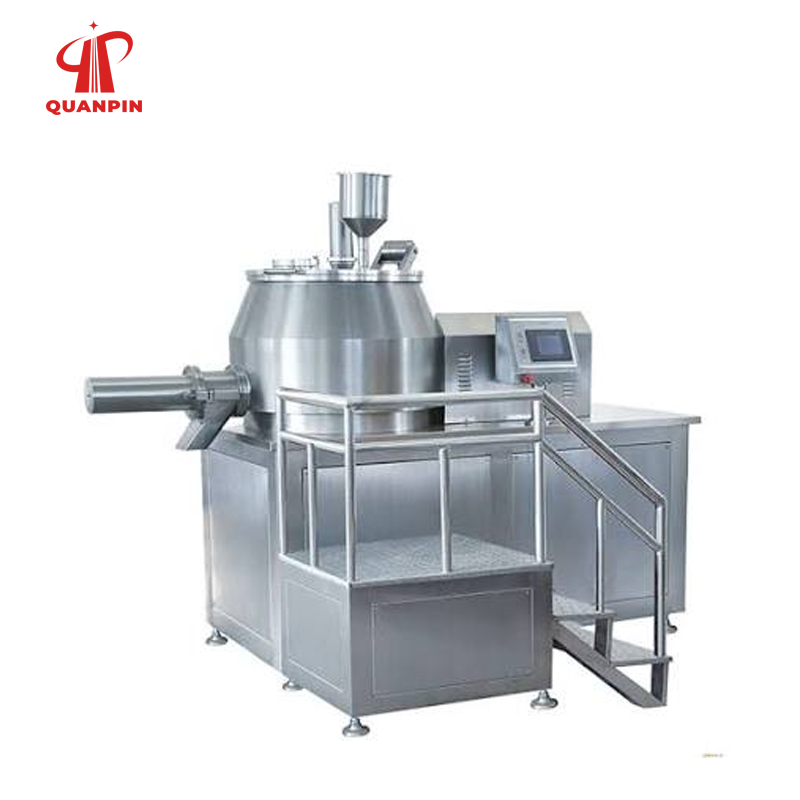
Early nucleation evidence
This conference observation supports documenting powder motion alongside foam behaviour. It does not establish that every foam formulation will behave alike in another mixer.
The useful comparison distinguishes direct observation of incorporation from an inferred distribution benefit. Final granules still need evaluation after the complete process.
A twin-screw foam study examined how microcrystalline-cellulose content in lactose formulations affected penetration and nuclei. Its authors separated static-bed testing from extrusion conditions and reported sensitivity to filler water-absorption capacity.
Full-process and formulation evidence
A high-drug-load formulation study compared two HPC grades and foam conditions with dripped solution. Its abstract reports differences in granule size, distribution and compactibility within that specific formulation; it is not a universal foam setting.
Together, these experiments support testing the interaction between formulation and binder delivery. A result in a static powder bed, a high-shear bowl or a twin-screw system should retain that equipment context when it is used to plan another trial.
A foam-versus-spray regime study compared wetting, nucleation and growth behaviour. Its proposed map describes the experimental systems studied rather than a ready-made operating recipe.
Document the Mechanism Evidence
Build the comparison table around the actual delivery routes. Include prepared liquid, foam description, delivered liquid basis, powder condition and the observation stage.
Keep observations separate from the proposed mechanism. A visible patch of foam is an observation; a conclusion about drainage or mechanical dispersion requires supporting evidence.
Record when the foam ceases to be visible and what happens to the powder during that interval. Avoid treating disappearance alone as proof of uniform binder distribution.
Compare the resulting granules using measurements selected for the development objective. State the sampling and specimen preparation associated with each reported outcome.
Keep Pharmaceutical Decisions Product-Specific
In pharmaceutical development, the responsible team should define how intermediate observations connect to the intended product. An experimental delivery-route change requires product-specific evaluation.
Research on lactose model systems can inform hypotheses. It cannot independently establish suitability, product acceptance or a validated processing route for another pharmaceutical formulation.
Investigate Unexpected Foam Behaviour
If foam incorporation differs from the expected behaviour, first check the prepared liquid and delivery history. The nominal foam description may not explain what reached the powder bed.
Review the powder condition and mixing observations next. The same liquid system can encounter a different powder environment when formulation or processing conditions change.
If early nuclei differ but final granules converge, retain both observations. The later process can add information that is absent from an early nucleation measurement.
If final distributions differ, investigate the sequence rather than assigning the difference automatically to foam generation. Delivery, incorporation and subsequent processing remain connected parts of the experiment.
Use a focused follow-up to test the proposed explanation. A carefully chosen comparison is more useful than changing several formulation and equipment variables simultaneously.
Report any relationship within its tested range. A result from one formulation and trial design should remain a conditional finding when another material is considered.
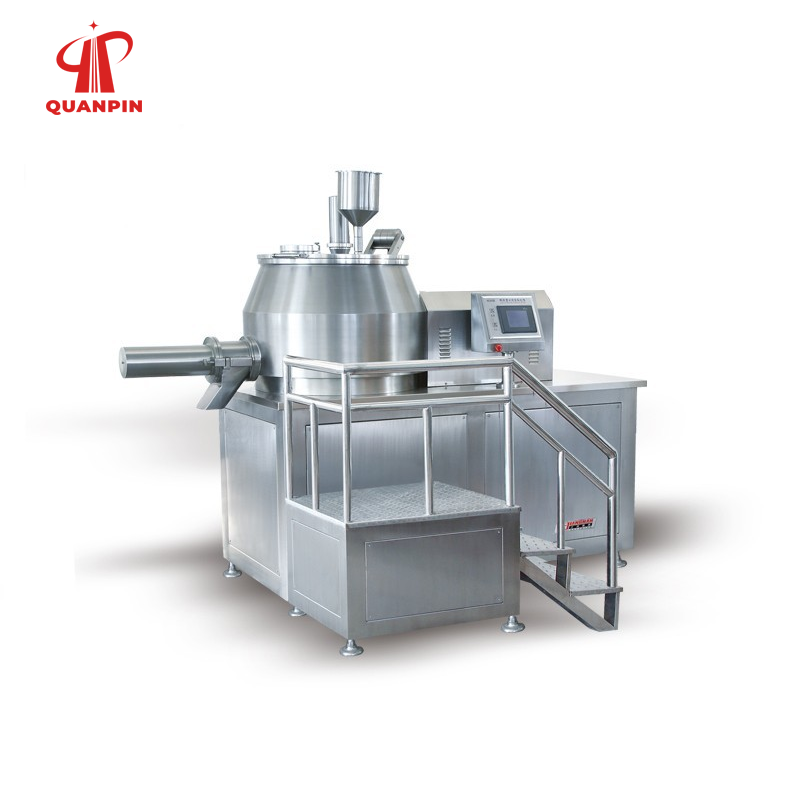
Prepare a GHL Configuration Discussion
For a GHL discussion, describe the material and intended binder-delivery investigation. Ask the supplier to identify the proposed equipment and auxiliary interfaces for that specific application.
Confirm capabilities against an actual proposal. This article makes no claim that standard QUANPIN GHL equipment includes a foam generator, a validated foam connection or a particular delivery-control arrangement.
Clarify the Quotation Scope
A high shear granulator price comparison should identify what equipment, accessories and material-trial work the quotation covers. Separate an educational process concept from a confirmed supply scope.
Agree who prepares the binder, characterises the delivery and evaluates the trial granules. These responsibilities make the proposed comparison concrete and reviewable.
Foamed-Binder Granulation Questions
Is foam simply more volume?
Is foam granulation simply a larger liquid volume? No. The gas-containing delivery form must be distinguished from the actual amount of liquid binder supplied.
Can a static bed predict a batch?
Does a static-bed result predict a full batch? It informs part of the wetting question; moving powder and later granule evolution require their own evidence.
Do nuclei guarantee final size?
Does a narrower nucleus distribution guarantee the final result? No. The final product must be measured after the processing sequence relevant to the development question.
Does foam quality select conditions?
Can foam quality alone select conditions? No. Interpret its stated definition together with liquid formulation, powder properties, delivery and mixing observations.
Does research confirm accessories?
Does published foam research confirm a GHL accessory? No. Capability and supply scope need confirmation for the actual proposed equipment configuration.
What belongs in an enquiry?
What should an enquiry contain? Provide the powder and binder identities, intended comparison basis, proposed delivery route and the measurements needed to judge the trial product.
Discuss Your Application with QUANPIN
Discuss the material, processing objective and required trials with QUANPIN. Review the equipment information and the relevant industry applications, or send an enquiry through our contact page.
Email sales@qpdryer.com or stacie@qpdryer.com. Call +86 19850785582 or contact WhatsApp +86 15921493205 to discuss the proposed scope.
For process evaluation, consider the high speed mixer granulator for high-shear preparation of a suitable wet granulating mass. Confirm suitability with representative material, the required product properties and the proposed process conditions.