Spray Drying Recovered Tomato Process Liquors: Qualify the Feed Before Setting Powder Targets
By QUANPIN
Recovered tomato process liquor needs a feed specification of its own. Its composition reflects the original liquid, added ingredients and contact with the processed food. A powder target copied from fresh tomato juice can therefore describe the wrong material.
For a spray dryer enquiry, identify the recovered stream before assigning moisture, density or recovery requirements. Establish what the intended powder contains and how the proposed feed represents that stream.
Why Recovered Liquor Needs Its Own Feed Specification
A tomato-juice base is only the starting point. Subsequent concentration, formulation and use can change the material submitted for drying.
The supplier needs the actual prepared liquid, with its history recorded. A commercial tomato juice label is insufficient when the proposed feed has already passed through another food process.
Identify the Upstream Process
Record which food contacted the liquid and the conditions defining that operation. Keep recovered batches separate until the basis for combining them is understood.
A stream recovered after one defined process should not automatically stand for every tomato-containing process liquid. Material-specific evidence is needed before broadening the duty.
Document the Recovered Material
Tomato juice base
List the actual ingredients introduced upstream. Acids, herbs and other formulation components belong in the feed identity rather than disappearing under a generic tomato description.
Contacted process material
Record deliberate additions made after recovery as well. A carrier-enriched feed is a formulated material, with a different dry-matter balance from the unformulated liquor.
Added ingredients
The published post-osmotic study investigated a concentrated tomato-juice and basil-extract solution used during garlic dehydration. Its acidification and prior contact are important boundaries of the research. See the post-osmotic tomato-solution study for the original experimental scope.
Recovery history
This is direct evidence that a specific recovered food-process solution can be investigated for spray drying. It is not a qualification of every industrial liquid containing tomato solids.
Maltodextrin
Maltodextrin was one carrier examined in that work. Results obtained with it describe the tested formulation and should retain its identity in any comparison.
Read the Post-Osmotic Evidence
Inulin was another investigated carrier. A change between these ingredients changes the feed as well as the drying experiment; it is not simply a new operating setting.
The researchers varied carrier conditions and inlet temperature while measuring powder and process responses. This provides a useful framework for evaluating a prepared recovered stream.
The comparison reported different powder yields for the carrier systems. Those findings do not establish a universal carrier choice for another recovered liquor with a different composition.
Measure the actual feed solids and preserve the reporting basis. A concentration read from an earlier upstream batch may not describe the liquid entering the dryer.
Separate Carrier Addition from Tomato Recovery
Inulin
If the feed is reformulated, record both the recovered-liquor contribution and the added-carrier contribution. Their sum matters when interpreting powder recovery.
Feed solids
A higher collected powder mass can include more added carrier. It should not automatically be described as higher recovery of tomato-derived material.
Recovered dry matter
Define the recovery calculation before the trial. State which solids enter the calculation and which recovered powder fractions are included.
Pulp formulation
Keep any ingredient-specific recovery question separate from total dry-matter collection. A component measurement is needed when the commercial objective concerns that component rather than the whole formulation.
Rotary atomization
Do not turn a favourable total yield into a claim about nutritional concentration. Carrier addition can change the composition of the final powder independently of the collection result.
Enzymatic liquefaction
The post-osmotic paper evaluated moisture, water activity, density, porosity and energy-related responses. Its multi-response design supports setting several explicit acceptance questions.
Use Pulp Studies Within Their Boundaries
Modified drying air
An energy measure also needs a stated output basis. A comparison per trial and a comparison per recovered powder mass describe different relationships.
A separate tomato-pulp study examined a prepared formulation containing maltodextrin and silicon dioxide. Its starting material is not equivalent to an unspecified recovered process liquor. See the tomato-pulp physical-property study for the original experimental scope.
That study varied inlet temperature, feed flow and rotary atomizer speed while observing physical powder properties. The experimental factors are useful context for designing a trial.
Moisture and water activity
Feed solids and formulation must remain visible when interpreting the pulp work. Matching a temperature alone does not reproduce the published experiment.
The rotary atomizer is part of that study’s equipment description. A buyer should confirm the proposed atomization arrangement instead of assuming every spray dryer uses identical hardware.
Research on enzymatically liquefied tomato juice adds another preparation boundary. Enzyme treatment changes the feed-development route and should remain documented in the material description. See the enzymatically liquefied tomato-juice study for the original experimental scope.
Bulk and true density
Its carrier and enzyme combinations describe the investigated juice preparations. They are not instructions to treat every recovered stream before drying.
A study on carrier-free fruit and vegetable powders included tomato pulp under a modified drying-air arrangement. Its findings belong to that tested system and material set. See the carrier-free fruit and vegetable study for the original experimental scope.
A paper using dehumidified air does not establish that an offered centrifugal spray dryer includes air dehumidification. Confirm optional equipment in the actual proposal.
Keep Pretreatment and Hardware Visible
A tomato spray-drying thesis archived by SEARCA reported that increased carrier could improve total recovery while changing rehydration and other properties. This reinforces the need to distinguish recovered powder quantity from ingredient performance. See the SEARCA tomato spray-drying thesis for the original experimental scope.
Use a paper to identify a test question, then evaluate the actual recovered feed. Avoid transferring a laboratory recipe or operating condition as a production guarantee.
Moisture content measures the amount of water under a specified method. Water activity addresses a separate property and requires its own measurement.
A low moisture result cannot substitute for the water-activity report when both form part of acceptance. Keep the test methods and specimen handling consistent.
Compare the Right Powder Measurements
Bulk density describes how the powder occupies a container under a defined filling procedure. True density describes another physical relationship.
Do not substitute one density result for the other. Changes in packing or measurement procedure can complicate comparisons even when the powder identity is unchanged.
Prepare a Representative Drying Trial
Preserve a representative sample of the recovered liquor before adding carrier. Retain the formulated feed as a separate identified specimen where practicable.
Record when the sample was taken and how it was stored before testing. A trial using a materially changed sample may not represent the intended recovery operation.
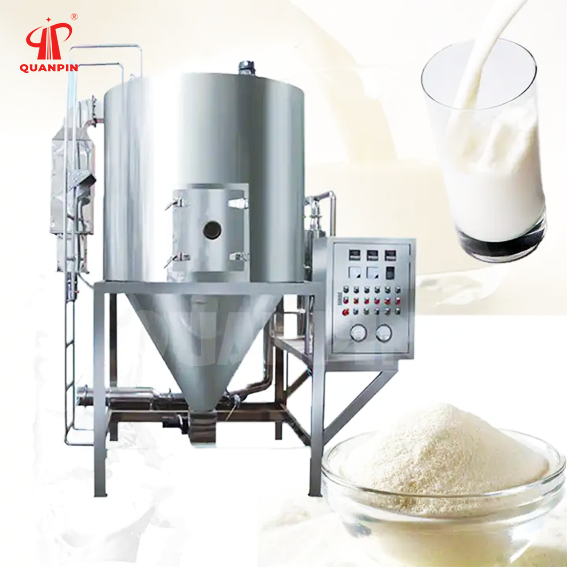
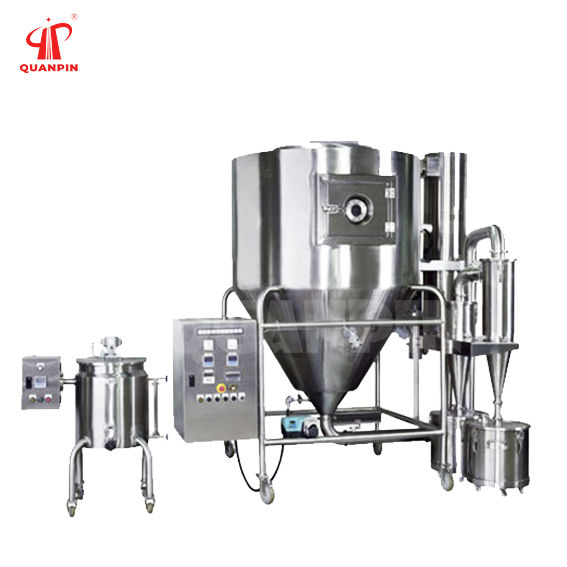
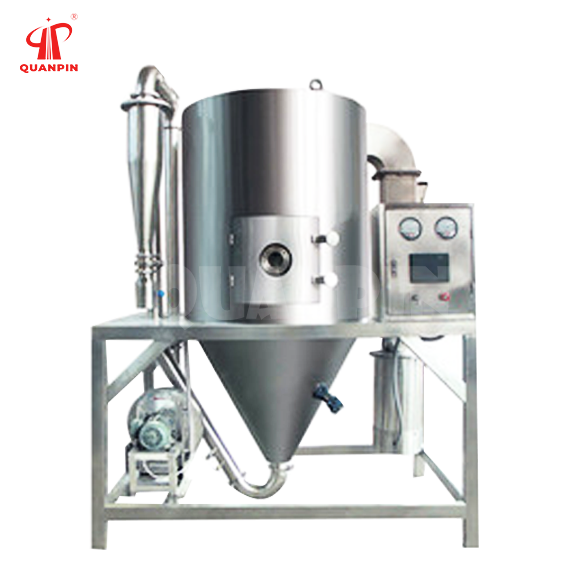
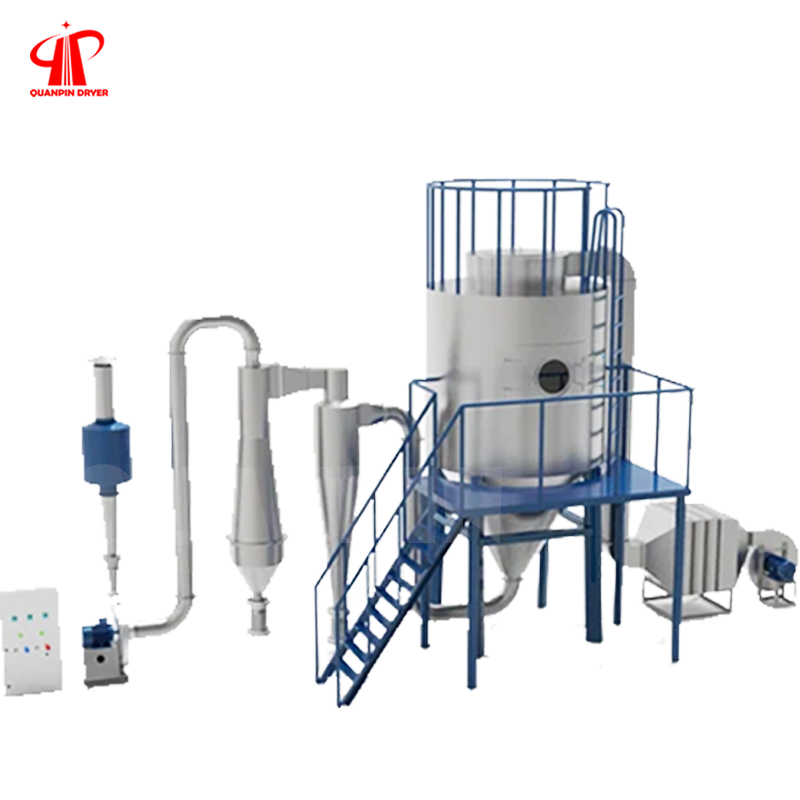
A high speed centrifugal spray dryer enquiry should include feed preparation, measured solids information and intended powder use. Provide the actual material rather than relying on a general tomato-processing description.
State which measurements will establish suitability. A centrifugal spray dryer family name alone does not establish powder yield, optional treatment equipment or ingredient performance. The centrifugal spray dryer working principle describes atomization and drying; the centrifugal spray dryer design still requires confirmation for the actual feed.
Evaluate the collected powder in the intended food application. A powder suitable for one recipe may require a different formulation or acceptance basis in another.
Keep processing feasibility separate from an unrestricted food-use claim. The upstream process and intended ingredient requirements remain part of the purchaser’s material qualification.
Connect Recovery to the Intended Ingredient
Discuss the recovered tomato-based stream with QUANPIN using an actual sample and a clear ingredient objective. This allows the drying question to be evaluated on a defined material basis. A centrifugal spray dryer price enquiry should identify the same feed and equipment scope used in that evaluation.
Include the upstream ingredients and prior food-contact operation when preparing the enquiry. Those details make the proposed spray drying duty more informative than a generic tomato-powder request.
Agree the Acceptance Evidence
A useful trial connects the recovered liquor, formulated feed and collected powder through a documented material record. This makes the acceptance evidence understandable when the process is repeated.
Review the feed qualification whenever the upstream recipe, contacted food or recovery practice changes. Previous drying results remain evidence for the original preparation and conditions.
Frequently Asked Questions
Is recovered liquor equivalent to tomato juice?
Is recovered liquor equivalent to fresh tomato juice? No. Its ingredients and contact history must be recorded before results from fresh juice are used as a comparator.
Does more powder prove more tomato recovery?
No. More collected powder can reflect added carrier. Define total recovery and any tomato-derived component recovery separately.
Can a pulp study define the liquor settings?
No. Published pulp settings describe a specific formulation and machine arrangement. A recovered liquid needs its own representative evaluation.
Does research establish optional hardware?
No. Dehumidification or enzyme pretreatment used in a research paper does not establish equipment included in a supplier’s standard proposal.
Which sample should enter the trial?
Use representative recovered liquid from the actual upstream process. Preserve its history and identify any carrier or other additions made for the trial.
What should the supplier receive?
Provide the feed identity, process history, actual solids information, proposed formulation and intended powder use. Agree the recovery calculation and analytical endpoints before testing.
Discuss Your Recovered Tomato Liquid
Discuss the material, processing objective and required trials with QUANPIN. Review the equipment information and the relevant industry applications, or send an enquiry through our contact page.
Email sales@qpdryer.com or stacie@qpdryer.com. Call +86 19850785582 or contact WhatsApp +86 15921493205 to discuss the proposed scope.
For process evaluation, consider the centrifugal spray dryer machine for centrifugal atomization of suitable liquid feeds. Confirm suitability with representative material, the required product properties and the proposed process conditions.