Onion Drying Trials: Distinguish Pyruvic-Acid Results from the Aroma Profile
By QUANPIN
An onion powder can retain a measurable pungency indicator while its aroma profile changes. Plan chemical measurements and the intended sensory assessment separately when comparing drying conditions, rather than treating one pyruvic-acid result as a full description of flavour.
For a hot air circulation oven enquiry, explain whether the dried onion will provide a fresh onion note, a cooked flavour or a particular function in a later food. The target determines which observations are useful.
Define the Intended Onion Flavour
Pungency is the perceived sharpness associated with onion chemistry. A laboratory pyruvic-acid assay is used as an indicator under a stated preparation method; it does not identify every volatile compound contributing to aroma.
Aroma involves compounds released from the ingredient and perceived during use. Analytical headspace measurements and a sensory description address related but different aspects of that experience.
Separate Pungency Indicators from Aroma
Begin with the product application and an explicit comparison question. An ingredient for a dry seasoning blend may be assessed differently from one that will be hydrated and heated in a sauce.
Record onion variety, lot and storage history. Initial raw-material differences should remain visible rather than be assigned to the dryer after the experiment is complete.
Record the Onion Preparation History
Identify the intended flavour note
Describe peeling, cutting, crushing and any blanching step. Tissue disruption and heat treatment are part of the chemical history of the sample, not merely convenient laboratory preparation.
Name each analytical response
Keep the delay between cutting and drying consistent when it is a study factor. If operations cannot start simultaneously, preserve the actual timestamps and consider their influence during interpretation.
Track variety and lot
Compare the proposed dried forms explicitly. A puree layer, shreds and larger pieces have different preparation and handling histories even when they begin with the same onions.
Record tissue preparation
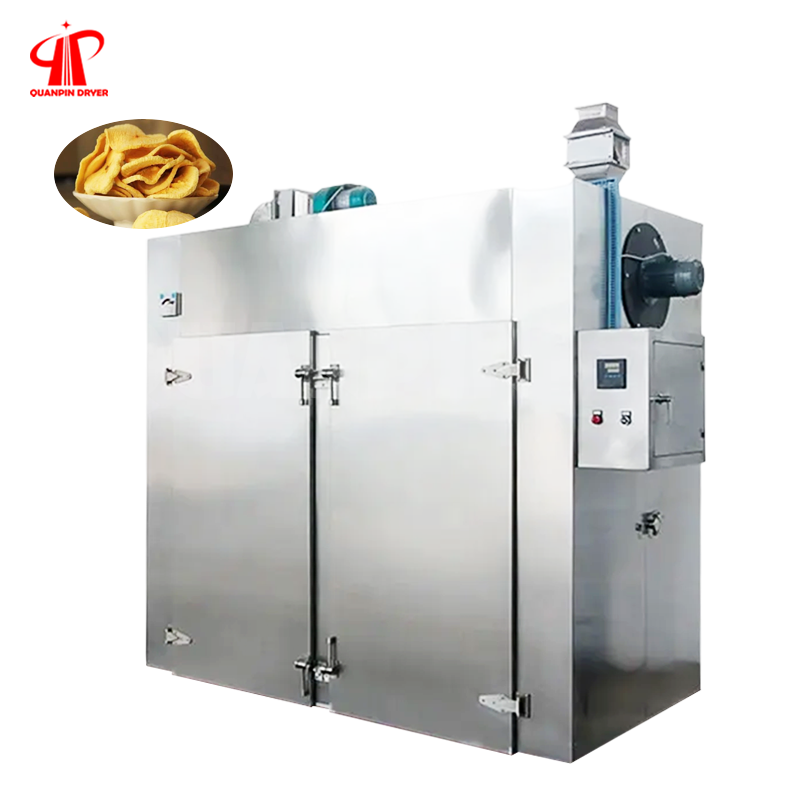
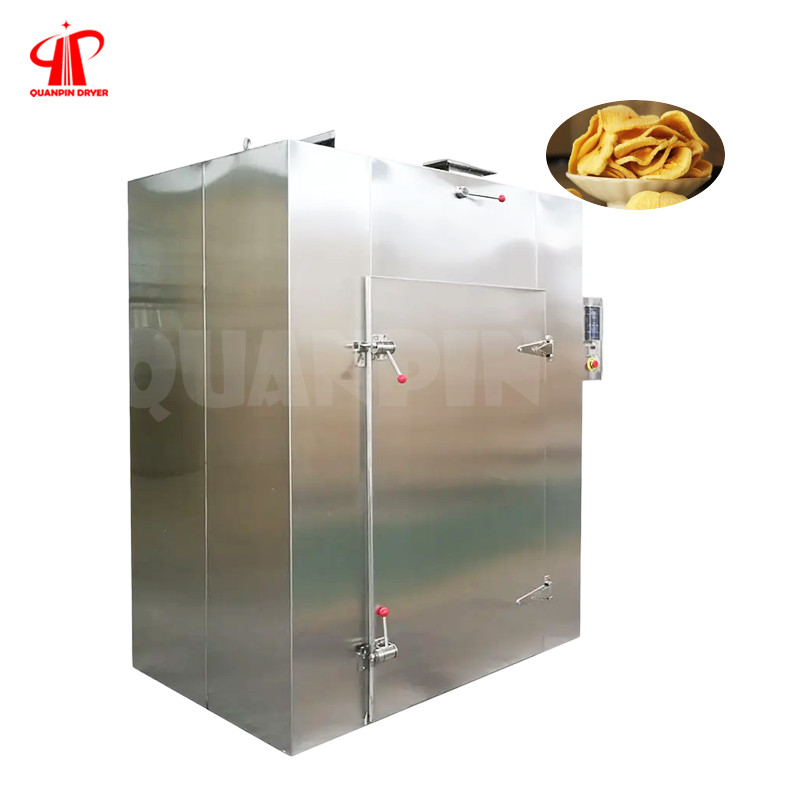
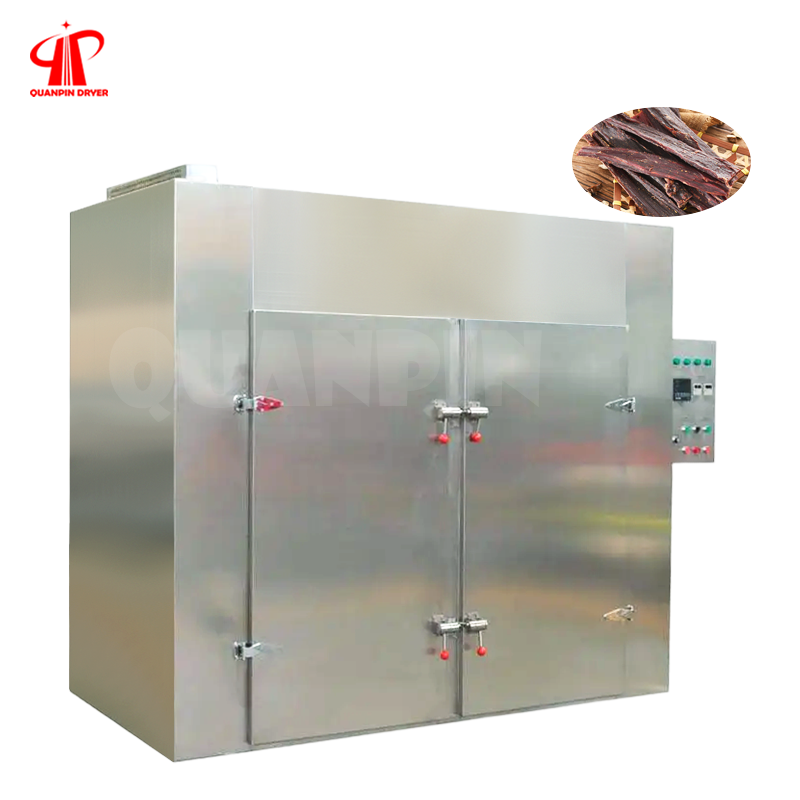
A hot air drying oven trial should record material loading, the drying history and the measured discharge condition. A nominal air temperature by itself cannot describe every relevant exposure.
Preserve treatment timing
Plan matched specimens for moisture, chemical and sensory work. Keep their identities connected so that results from different portions are not combined as if they described an identical sample.
What Original Onion Studies Show
An onion-puree drying study examined layer thickness and drying method alongside pyruvic acid and other quality responses. Its findings show why preparation geometry belongs in a flavour-oriented trial brief.
The experiment used particular materials and drying arrangements. Its preferred treatment is not a general operating recipe for a different food formulation or a QUANPIN installation.
When comparing puree and sliced onion literature, preserve that distinction. A change in the matrix can alter the path from raw tissue to the analytical sample.
Specify the acceptable dried condition before comparing flavour data. Different residual moisture levels can affect a concentration expressed per unit mass and complicate interpretation.
Build a Traceable Analytical Comparison
Set the discharge comparison
Agree the analytical method with the laboratory. Ask what pyruvate response is reported, how the sample is prepared and which quality-control checks support the measurement.
Specify the pyruvate method
State the mass basis and units beside every result. Fresh-weight, dry-weight and powder-as-received results should not be placed in one ranking without the necessary basis information.
State the reporting basis
Keep extraction conditions and reaction timing consistent within a comparison. Method changes should be identified as such rather than presented as a change in the ingredient.
Interpret puree research carefully
Use the laboratory procedure for blanks, standards and replicate analysis. The purpose is a credible comparison, not a reading obtained by adjusting the method until treatments separate.
Keep variety effects visible
If the study assesses retention, define the initial reference and any moisture correction. Report which steps were measured rather than implying a complete chemical mass balance from one concentration ratio.
Use sensory descriptors consistently
Preserve the analytical report with the drying log. Method identification, sample condition and uncertainty help explain a difference that a simple percentage cannot.
Assess the Ingredient in Its Food Matrix
Record volatile-analysis conditions
A study comparing onion varieties and drying temperatures measured sensory acceptability together with physicochemical and functional properties. Its results were variety-dependent, supporting the use of the actual raw material in development.
That study does not establish a universal temperature for all onion powders. A preferred result within one experimental design remains bounded by its varieties, preparation and acceptance criteria.
A quotation or trial report should therefore describe the proposed onion lot. The phrase onion powder is too broad to carry all of the information needed for a flavour comparison.
Maintain the application recipe
Research on pretreated onion shreds assessed pyruvic acid, colour and sensory scores across drying approaches. Multiple responses were necessary to evaluate the product, and pretreatment was an explicit experimental factor.
In original research on convectively dried onion powders, volatile analysis was considered alongside descriptive sensory attributes. Changes in individual compound groups were associated with different aroma descriptions.
These are different forms of evidence. A compound concentration, a chemical indicator and a panel description should keep their original names rather than be merged into one unsupported flavour-retention number.
Control storage before assessment
A field experiment on onion irrigation and nitrogen conditions measured pyruvic acid and other bulb characteristics before any proposed drying comparison. It provides a useful raw-material boundary, not a dryer performance claim.
Together, these studies favour a linked evidence record: raw material, processing history, analytical response and intended food use. None demonstrates a guaranteed aroma outcome for a purchased dryer.
Define how a dried specimen is prepared for sensory assessment. Serving it dry, rehydrating it or heating it in a recipe produces different evaluation conditions.
Keep Chemical and Sensory Evidence Distinct
Use a suitable, controlled sensory procedure and representative assessors for the development question. Record the descriptors being compared rather than asking only whether one sample smells better.
If a headspace method is used, state the sample mass, preparation, conditioning and analytical method. The measured volatile profile depends on the test setup as well as the original ingredient.
Distinguish identifying compounds from estimating perceived intensity. A larger instrumental signal is not automatically a stronger or more desirable note in the final food.
Keep the food matrix consistent in an application test. Changing oil, water or other ingredients at the same time can change release and perception independently of drying.
Investigate Conflicting Results
Record how long samples are stored before analysis and how they are packed. The comparison should not silently substitute a storage difference for a drying difference.
Use independent drying runs where the development decision requires them. Several readings from one jar help assess that jar but do not reproduce the entire processing operation.
Prepare a Flavour-Oriented Trial Enquiry
When pyruvic acid and sensory results disagree, first check whether they describe the same sample basis and preparation. A disagreement can reveal an incomplete measurement plan rather than an error to discard.
If one sample has the desired sharpness but a different cooked note, review the volatile and sensory evidence separately. Decide against the agreed application requirement instead of averaging incompatible descriptors.
If an apparent retention advantage disappears on a dry basis, explain the role of water removal. A concentration effect should not be described as creation or preservation of every flavour constituent.
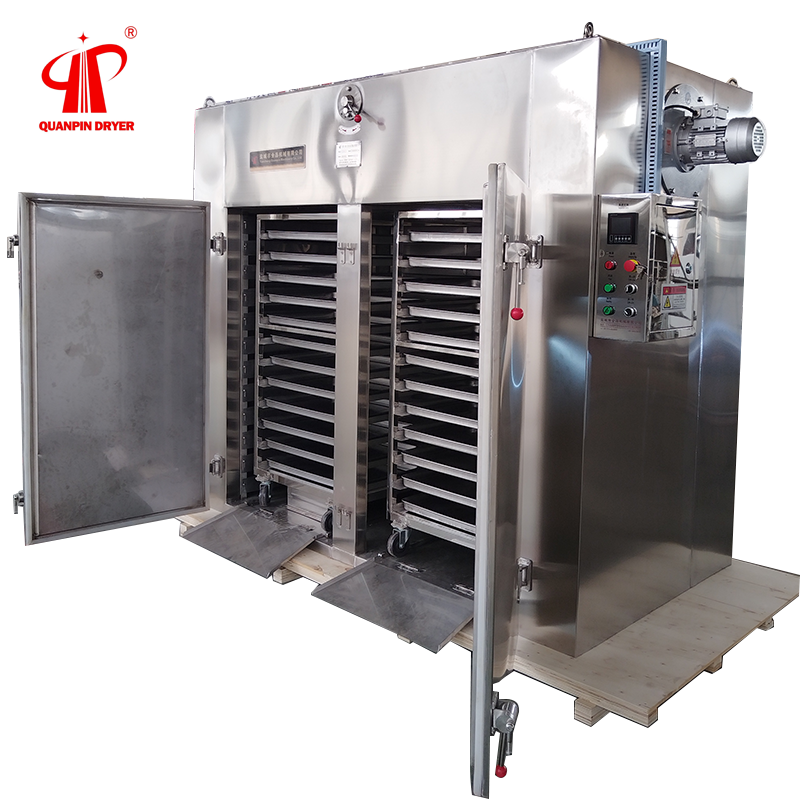
For a tray dryer trial, retain sample locations and loading information. Combining every position before testing can conceal differences relevant to the intended production arrangement.
Prepare an enquiry with the onion form, lot information, planned preparation and required discharge condition. Add the flavour descriptors and analytical tests used to judge the trial.
A hot air tray dryer price comparison should align the proposed duty, materials and trial responsibilities. The purchase price alone cannot resolve which flavour endpoint is relevant to the product.
Keep the Trial and Application Scope Explicit
Agree which laboratory work is included and which needs an independent service. Volatile profiling or sensory studies should not be assumed to be built into the equipment supply.
Keep the proposed development work within the agreed food application. Identify which results describe the drying operation and which describe a separate laboratory or food-use assessment.
Agree the Material-Specific Acceptance Record
Retain the complete sample record with the conclusion. A change in raw material, preparation or testing conditions should remain visible when the supplier and laboratory review the comparison.
Use the evidence to choose the next trial question and acceptance method. Where a required attribute has not been measured, record that gap before drawing a product-quality conclusion.
Frequently Asked Questions
Is pyruvic acid a complete aroma specification?
It is an analytical response used as a pungency indicator. A flavour specification may also need volatile measurements and a suitable sensory assessment in the intended food.
Can one variety represent every onion supply?
Use representative material and assess relevant lot or variety differences. Preserve the raw-material identity with each processing and analytical record.
Does the lowest drying temperature always preserve flavour?
Do not assume a universal rule. Compare the complete exposure and the responses required by the food application within a suitable experiment.
Should puree and shred results be pooled?
Keep their preparation histories and analytical methods visible. They are different food matrices and should not be treated as interchangeable evidence without justification.
What if chemical and sensory results disagree?
Check sample identity, reporting basis and preparation conditions. Then interpret the responses according to what each method actually measures.
What belongs in a supplier enquiry?
Provide a representative onion material, the intended flavour objective, the discharge requirement and the proposed tests. Agree which laboratory and application work is included.
Discuss Your Onion Drying Duty
Discuss the material, processing objective and required trials with QUANPIN. Review the equipment information and the relevant industry applications, or send an enquiry through our contact page.
Email sales@qpdryer.com or stacie@qpdryer.com. Call +86 19850785582 or contact WhatsApp +86 15921493205 to discuss the proposed scope.
For process evaluation, consider the hot air oven for batch tray drying with circulating hot air. Confirm suitability with representative material, the required product properties and the proposed process conditions.