Eggplant Drying Trials: Measure Shrinkage and Rehydrated Texture Separately
By QUANPIN
Dried eggplant can take up water again without recovering its original structure. Specify both water uptake and the texture required after rehydration when planning a drying trial; neither dried appearance nor a single rehydration ratio answers both questions.
A hot air circulation oven enquiry should describe the intended use of the pieces after drying. An ingredient destined for a simmered sauce may need a different acceptance test from slices intended to retain their shape after soaking.
Specify the Eggplant Product After Rehydration
Shrinkage describes a reduction in dimensions or volume. Rehydration describes water entering a dried material under stated conditions. Structural damage can change both, but the two measurements should retain their separate definitions.
Texture adds a third response. Two samples with similar final mass after soaking can differ in firmness, surface damage or the amount of material lost to the water. Record those observations alongside the weighing result.
What Shrinkage and Water Uptake Measure
The useful development question is which combination of moisture removal, recoverable structure and final cooking behaviour meets the ingredient specification. A short drying time becomes meaningful only within that product requirement.
Define the actual eggplant variety and maturity, the part of the fruit used and whether skin and seeds remain. A result from flesh cut into slabs is not automatically representative of a whole or differently prepared ingredient.
Define the Raw Material and Pretreatment
Identify the intended ingredient use
Record slice geometry before loading. Thickness, diameter and initial mass should remain traceable to the specimens used in dimensional, moisture and rehydration measurements.
Separate geometry from uptake
Describe washing, blanching, soaking or salting as explicit treatments. Record their order and the interval before drying; treating them as invisible preparation steps makes comparisons difficult to interpret.
Add the texture requirement
Prepare an untreated control from the same lot when a pretreatment is being evaluated. This allows the experiment to examine the treatment rather than silently compare two different raw-material supplies.
Record the vegetable lot
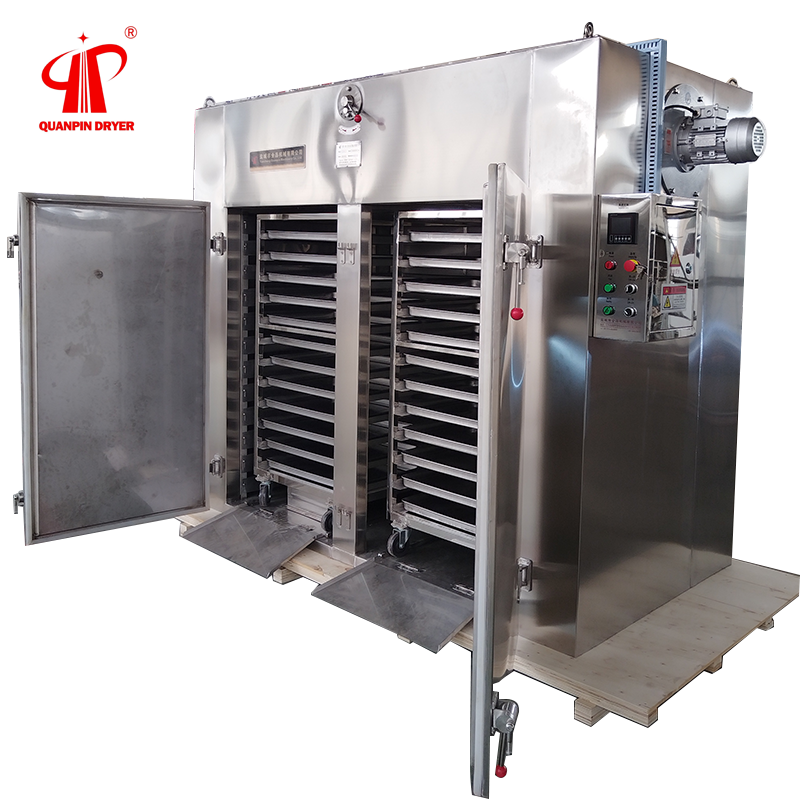
For a hot air drying oven trial, record the actual load arrangement and material condition. The air setpoint alone does not describe the temperature history of wet pieces as they lose water.
Keep treatment history explicit
Set the intended discharge condition using an appropriate measurement method. Avoid comparing samples stopped at substantially different moisture conditions as though only the drying schedule had changed.
What Published Food Studies Establish
A study of salt-pretreated, solar-dried eggplant measured drying and rehydration separately. Salting accelerated moisture removal under its conditions while decreasing subsequent rehydration capacity and increasing hardness.
This is a useful warning against ranking pretreatments solely by drying speed. It does not establish the same trade-off for every salt treatment or for a different hot-air installation.
Keep changes in added solids visible in the interpretation. A salted specimen is a changed food formulation as well as a specimen with a changed processing history.
For supplier discussions, express the requirement in terms of the final food response. Asking for rapid drying without a defined rehydration test leaves an important part of acceptance unspecified.
Measure Dimensions Consistently
Set a comparable discharge condition
Measure initial dimensions with a consistent method. Soft tissue can deform under handling, so the measurement procedure should describe support and contact rather than rely on an unexplained diameter value.
Choose the dimensional response
Choose whether shrinkage is assessed using thickness, projected area or volume. A percentage obtained from one dimension should not be presented as an equivalent volume shrinkage result.
Control imaging and handling
Track specimens individually when possible. Relating the initial and final measurement of the same piece avoids replacing individual changes with a comparison of unrelated group averages.
Interpret salt-pretreated eggplant
State when the dried measurement is made. Cooling, equilibration and storage before testing can change the specimen condition and should be recorded in the study log.
Respect the food-matrix boundary
If image analysis is used, preserve camera position, scale and segmentation settings. An apparent dimensional change should not arise from a different crop, viewing angle or lighting arrangement.
Define the soaking conditions
Inspect the distribution of responses as well as the average. A load containing a few highly collapsed pieces may need attention even when the mean dimensional result appears acceptable.
Standardize the Rehydration Test
Record draining and ratio basis
In research on combined pretreatment of eggplant, investigators evaluated microstructure, porosity, texture and rehydration together. Their results support measuring several related responses rather than treating water uptake as a complete description of quality.
The study concerns a specified pretreatment and experimental material. It does not provide a universal additive prescription or prove that any proposed production batch will reproduce its performance.
When an ingredient specification prohibits particular additives, assess the permitted formulation directly. Published results involving a different formulation cannot override that requirement.
Measure the final-use texture
A sun-dried eggplant rehydration experiment varied the water temperature used for soaking. Its uptake curves changed with the rehydration conditions, illustrating why the laboratory soak itself must be standardized.
In a separate pumpkin dehydration and rehydration investigation, pretreatment affected shrinkage and water uptake. This is a comparison from another food matrix, useful for framing measurements rather than predicting eggplant performance.
Keep species boundaries explicit when assembling a technical brief. Similar measurements across vegetables do not mean their cell structures, treatment responses or numerical results are interchangeable.
Retain replicate observations
An eggplant cabinet-drying study compared untreated and pretreated slices and examined rehydration and colour. Its design reinforces the need to identify both preparation history and the attributes being measured.
Together, these examples provide a framework for product-specific trials. They do not identify one temperature, pretreatment or machine setting that is best for all eggplant products.
Define the soaking medium, temperature, duration and sample-to-water relationship before testing. Follow the agreed laboratory method consistently rather than changing the soak until a favourable result appears.
Interpret Texture and Solids Loss
State how surface water is removed before the final weighing. Differences in draining or blotting can contribute to mass differences that are unrelated to water absorbed into the specimen.
Report the exact rehydration-ratio equation. A final-to-initial mass ratio and a percentage mass gain use different denominators and cannot be compared solely by their numerical values.
Consider solids lost to the soaking liquid where that matters to the application. An intact piece and a disintegrating piece can give a misleadingly simple comparison if only retained wet mass is recorded.
Assess the texture at the defined serving or processing condition. A dry-piece compression result should not silently stand in for the firmness of a cooked or rehydrated ingredient.
Investigate Conflicting Trial Results
Use replicate specimens and retain raw measurements. A smooth fitted curve should not obscure variation between pieces, lots or independent drying runs.
Plan a practical use test after laboratory screening. The relevant question may be shape retention in a sauce, bite after cooking or handling during further processing, depending on the agreed product.
Prepare the Drying Trial Brief
If moisture removal is satisfactory but rehydration is inconsistent, first review preparation, geometry and the soaking method. Changing the dryer setting before checking those factors can make the comparison less informative.
If pieces take up water quickly but become too soft, investigate structural integrity and handling losses. Rapid uptake alone should not be reported as successful restoration of the original tissue.
If colour and texture respond differently, keep the results separate. An overall ranking should explain how the food specification weights those attributes rather than concealing the disagreement.
For a tray dryer trial, preserve where samples came from within the load. A single combined sample can hide positional differences relevant to the intended production arrangement.
Prepare a trial brief with raw material, piece geometry, pretreatment, loading pattern, discharge measurements and post-drying handling. Add the rehydration protocol and the final-use acceptance test.
A hot air tray dryer price comparison is most useful when quotations cover the same material duty and assessment scope. Purchase price does not establish which trial will deliver the required rehydrated texture.
Keep the Trial and Application Scope Explicit
Agree which measurements the supplier will provide and which require an independent food laboratory. Keep a research test method distinct from equipment included in the supply scope.
Keep the proposed development work within the agreed food application. Identify which results describe the drying operation and which describe a separate laboratory or food-use assessment.
Agree the Material-Specific Acceptance Record
Retain the complete sample record with the conclusion. A change in raw material, preparation or testing conditions should remain visible when the supplier and laboratory review the comparison.
Use the evidence to choose the next trial question and acceptance method. Where a required attribute has not been measured, record that gap before drawing a product-quality conclusion.
Frequently Asked Questions
Does water uptake establish restored texture?
No. Rehydration measures water uptake under a method. Measure the firmness, shape retention or handling response needed in the final application separately.
Does less shrinkage always mean better rehydration?
Avoid a universal rule. Compare dimensional change and rehydration in the actual material using the agreed methods and application criteria.
Does soaking temperature affect the result?
Yes. The soaking conditions belong with the result because they can change uptake behaviour. Use the same agreed conditions within a comparison.
Can a published pretreatment be adopted directly?
Treat it as a development lead. Evaluate its formulation, permitted ingredients and response in the actual product before production use.
Can a drying curve predict final eating quality?
A drying curve addresses moisture removal under its stated conditions. Validate the texture and other final-use requirements with separate measurements.
What should the equipment enquiry include?
Include representative material, preparation and geometry, the discharge condition and the separate rehydration and texture criteria. Agree who carries out each measurement.
Discuss Your Eggplant Drying Duty
Discuss the material, processing objective and required trials with QUANPIN. Review the equipment information and the relevant industry applications, or send an enquiry through our contact page.
Email sales@qpdryer.com or stacie@qpdryer.com. Call +86 19850785582 or contact WhatsApp +86 15921493205 to discuss the proposed scope.
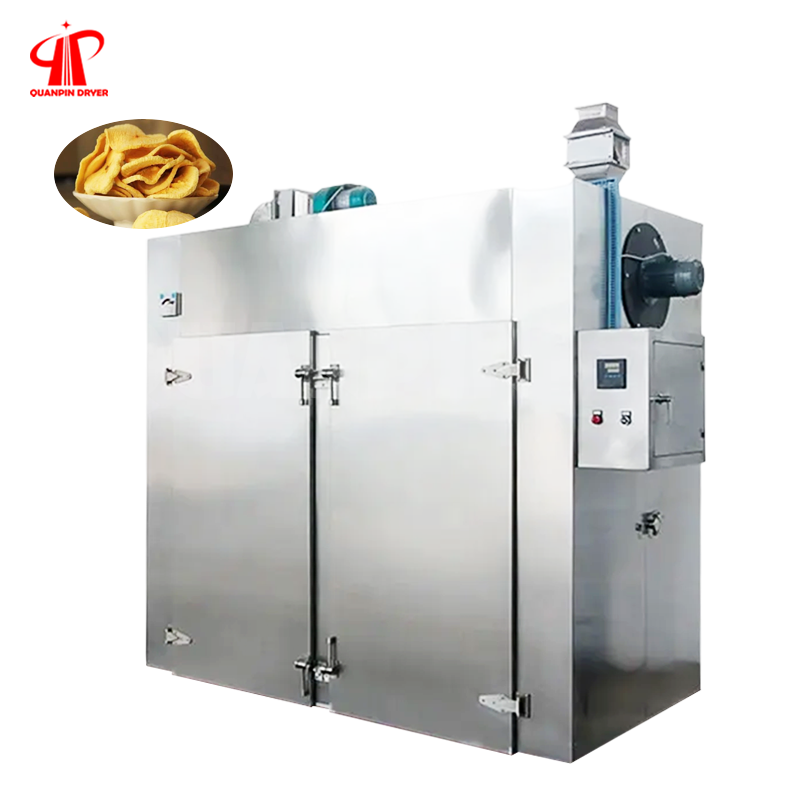
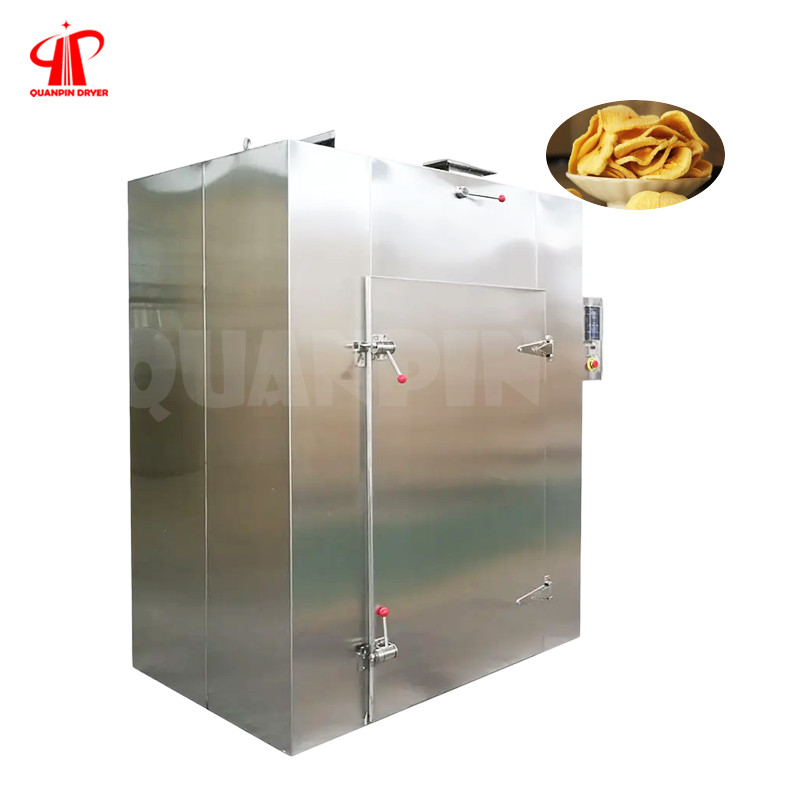
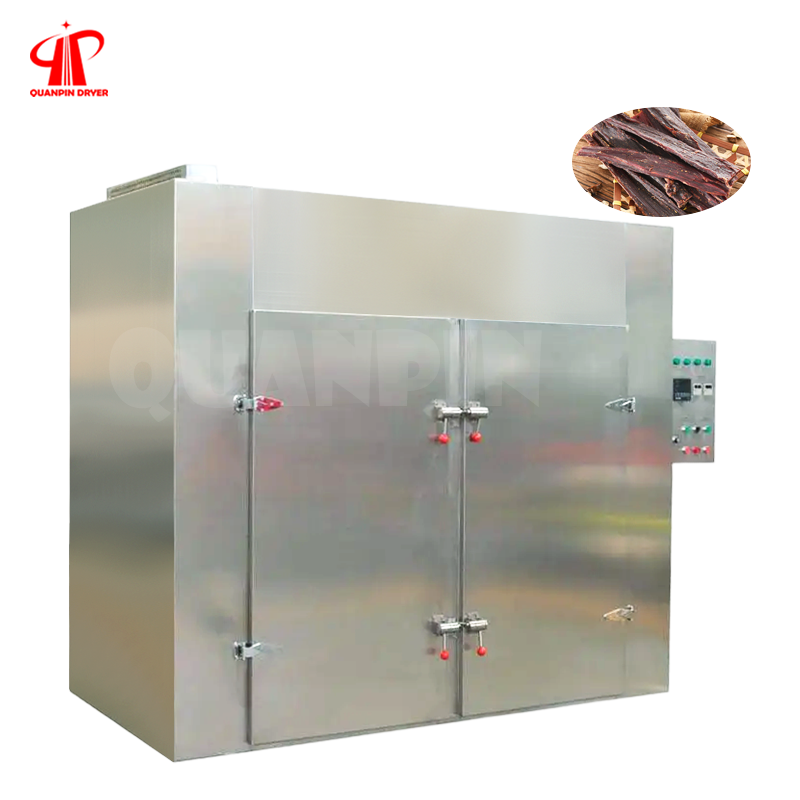
For process evaluation, consider the hot air oven for batch tray drying with circulating hot air. Confirm suitability with representative material, the required product properties and the proposed process conditions.