Coffee Pulverizing Trials: Separate Total Dissolved Solids from Caffeine Recovery
By QUANPIN
Coffee grinding trials can produce a finer powder without establishing the amount of caffeine recovered in a later beverage. Total dissolved solids, individual compounds and physical particle measurements answer different acceptance questions.
For an air classifier mill enquiry, define the required powder first and describe the intended downstream evaluation separately. This gives QUANPIN a concrete processing duty without attaching an untested extraction guarantee.
Define the Coffee Powder Duty
Identify the actual roasted coffee material and intended application. A milling proposal should not silently treat espresso, immersion brewing and industrial extract preparation as interchangeable operations.
Retain the incoming lot and roast identification for comparisons. Otherwise, a changed beverage result may reflect the feed as well as the powder preparation.
Select an Equipment Reference
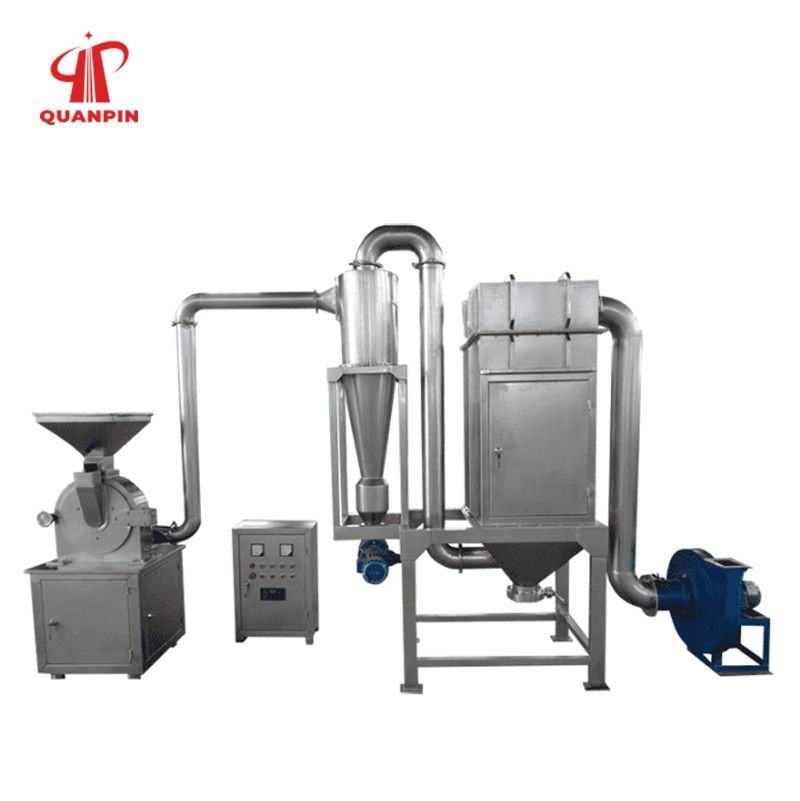
The WFJ equipment reference supports a discussion of fine pulverizing. Ask QUANPIN to assess the actual coffee material and proposed configuration before treating it as suitable for the project.
An air classifying mill is not a coffee extractor or caffeine analyzer. Its relevant contribution must be established through a material trial and the agreed physical acceptance observations.
Five Measurement Questions
Powder Measurement
Specify the powder measurement method. A named grinder setting, median particle size and measured size distribution are not automatically equivalent descriptions.
Distribution
Record the distribution where it matters to the intended application. Two powders with similar central values can differ in their smaller-particle populations.
Extraction Method
Define the downstream extraction method before comparing samples. Changing the liquid-to-coffee ratio or extraction arrangement can introduce a different experiment.
Reporting Basis
Identify whether the reported result is a concentration or a recovered mass. More beverage can contain more extracted material while having a different concentration.
Named Compound
List the individual compound of interest. A generic beverage-solids result should not be renamed a caffeine result merely because caffeine is among coffee’s soluble components.
Process Overview and Working Principle
The physical processing overview covers the supplied material, size reduction and agreed collection arrangement. The later contact between powder and extraction liquid belongs to a separate process boundary.
A fine powder grinder trial can provide powder for that downstream evaluation. Keep each sample traceable so the analytical result can be connected to the actual milling condition.
Do not infer an extraction mechanism from powder appearance alone. Physical access to soluble material and the movement of liquid through a packed powder bed can create different constraints.
If the proposed application is outside a published experiment’s brewing method, state that boundary. Coffee research can guide test design without becoming a performance certificate for industrial equipment.
Six Distinct Trial Records
Feed Record
Keep a feed record identifying the material and its preparation. Use clearly coded samples when several milling conditions are compared.
Powder Report
Keep the powder report separate from the beverage report. This makes a physical improvement visible without implying that every chemical endpoint improved.
Extraction Record
Record the extraction arrangement used for the comparison. Include the conditions actually controlled by the laboratory or development team.
Liquid Collection
Record the collected liquid amount and reporting basis. Concentration and recovered compound mass should remain distinguishable in the final summary.
Analytical Method
Record the analytical method for the selected compound. State what it measures rather than replacing that information with a general impression of beverage strength.
Decision Scope
Record the decision supported by each test. An ACM mill assessment, an extraction development experiment and sensory evaluation can all be useful without being interchangeable.
Interpret the Original Experiments
Compound Mass and Total Solids
The Technical University of Munich extraction experiment measured caffeine, other named compounds and total dissolved solids across collected fractions. Flow conditions and the total extracted beverage mass affected the results, illustrating why the measured endpoint and collection basis must be specified.
For a milling buyer, this supports a restrained acceptance statement: the powder may be physically suitable for a later process, while the desired compound recovery still needs its own measurement.
Avoid a quotation requirement that promises higher caffeine extraction solely from a finer nominal grind. First define the actual extractor, material and analytical comparison.
A Limited Cold-Brew Comparison
The Fuller and Rao cold-brew investigation found no significant effect of their medium versus coarse grind comparison on measured caffeine and chlorogenic-acid concentrations. Their particular extraction conditions prevent a universal claim that smaller particles always increase the final concentration.
This does not mean particle size never matters. It means an observed result belongs to its tested method, time range and coffee rather than to a general slogan about fineness.
A useful trial should therefore preserve the intended downstream process. Changing the extraction method while changing the grind obscures which variable explains the result.
Fines and Packed-Bed Flow
The original manipulated-fines espresso study showed that adding sieved fines reduced bed permeability and flow. A full powder distribution can therefore matter beyond its median when the downstream process uses a packed bed.
That experiment concerned espresso extraction. It does not establish a WFJ setting or prove that the same flow response occurs in a stirred industrial extraction vessel.
Use the distinction to request the relevant powder data. Select the measurement needed by the actual application instead of carrying a published particle threshold into an unrelated specification.
Build a Useful Powder Comparison
For a practical comparison, evaluate coded powder samples from the same identified feed. Ask the downstream team to use its defined method rather than an improvised preparation for each sample.
Compare the physical results and the named chemical endpoint together. If they move in different directions, retain both observations instead of averaging them into a single quality score.
If the intended product is an extract ingredient, define the extract collection boundary. A beverage-cup result cannot automatically be substituted for an industrial recovery balance.
Keep sensory observations as another identified endpoint. They can guide product development, but a stronger impression does not quantify an individual dissolved compound.
Commercial Scope and Deliverables
The equipment proposal should name the actual milling deliverables. Identify whether trial services, powder characterization and external chemical analysis are included or separately arranged.
This makes commercial comparisons more useful. A machine quotation and a downstream development package can have different scopes even when both mention coffee powder.
Materials and Application Boundaries
The Murray and Laredo blade-grinder experiment compared grinding time with powder and brewed-coffee properties, including FTIR caffeine measurements. Its observed time dependence is evidence from that apparatus, not a transferable industrial grinding schedule.
Do not convert household grinding seconds into a WFJ operating instruction. Ask for a trial with the actual feed and intended powder specification.
Before testing, identify whether the coffee is being prepared for extraction or another food use. The same word “coffee powder” can conceal different handling and acceptance requirements.
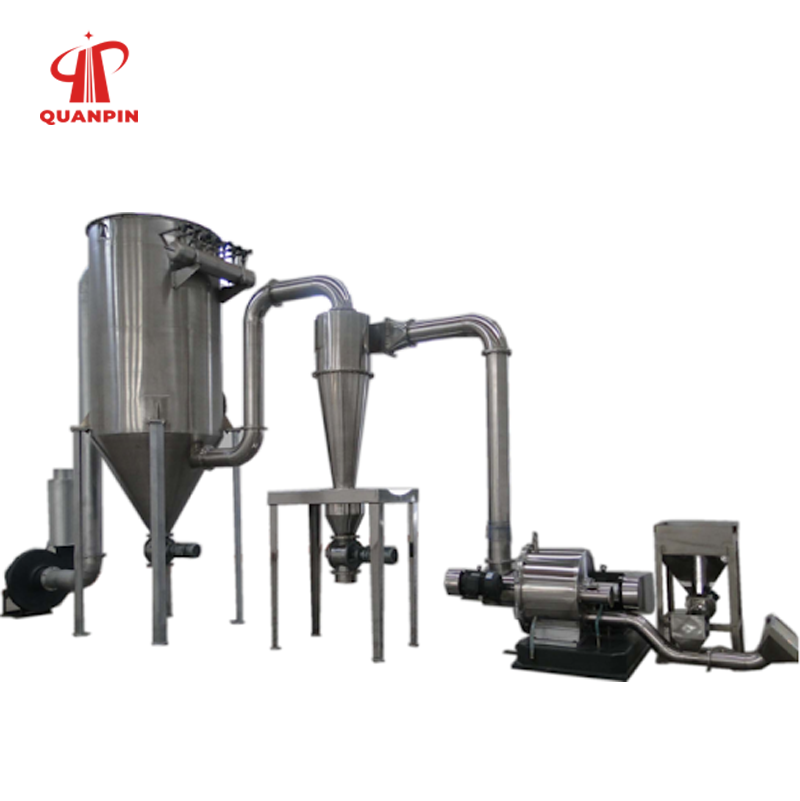
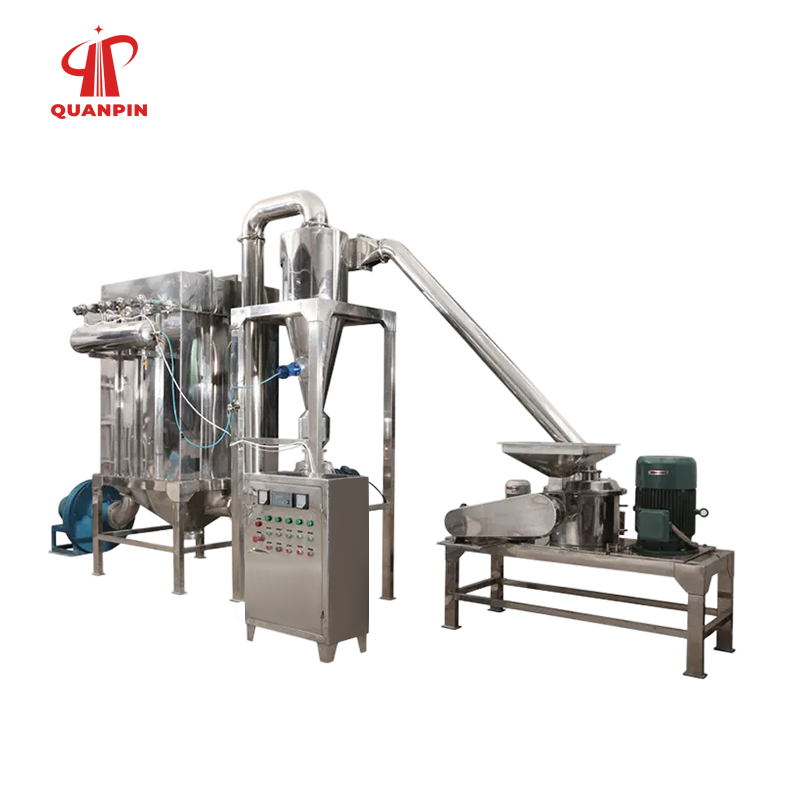
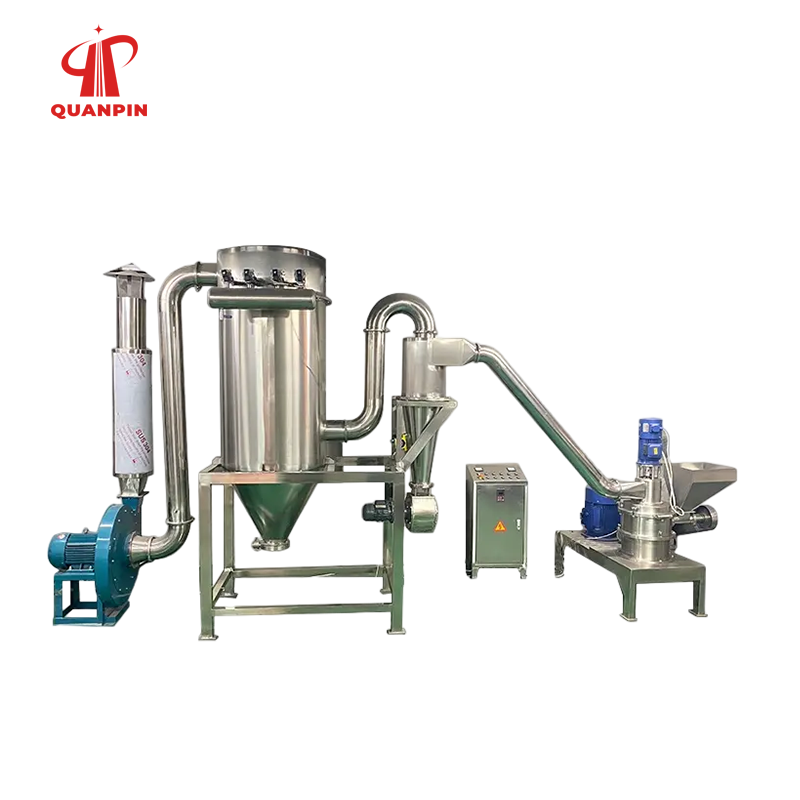
Use matching equipment photographs as references to the machine arrangement. They should not imply that the pictured installation produced a published beverage or achieved its analytical outcome.
Retain unsuccessful or inconclusive trial observations. A transparent boundary is more useful for equipment selection than a claim supported only by the most favorable downstream result.
Review the completed record with the supplier and the responsible development team. Separate unresolved equipment questions from unresolved extraction or analytical questions.
Prepare a Specific Enquiry
A useful enquiry includes feed identity, desired powder characteristics, intended use and the available site information. The supplier can then assess a specific processing task.
Add the intended downstream test and its reporting basis. This provides context while preserving responsibility for the separate chemical or sensory assessment.
Keep Chemical and Sensory Endpoints Separate
The Cordoba cold-brew experiment reported different conditions for the highest total-solids/extraction observations and higher sensory scores. Its two coffee types and tested extraction times show why several endpoints should remain separate rather than becoming one universal optimum.
The milling purchase decision should follow the project’s own intended use. Published brewing results are comparisons that inform questions, not recipes or guaranteed equipment outcomes.
Frequently Asked Questions
Does Total Solids Establish Caffeine?
Does higher total dissolved solids mean more caffeine? It does not establish that by itself. Measure the named compound using an appropriate method and reporting basis.
Is the Finest Powder Always Best?
Is the finest powder always best? No universal conclusion follows. The actual extraction arrangement and the full powder characteristics can change the result.
Does Espresso Validate an Industrial Extractor?
Can an espresso experiment validate an industrial extractor? No. Preserve the difference in equipment and liquid-contact conditions when interpreting the evidence.
Can Household Settings Be Transferred?
Can household grinding time become a WFJ setting? No. Use an agreed trial of the actual material instead of transferring settings between different machines.
What Should the Supplier Evaluate?
What should QUANPIN evaluate? Supply the material and required physical powder condition for discussion, then confirm the proposed configuration and final scope.
What Supports the Decision?
What supports the final decision? Combine a traceable milling assessment with separately identified downstream measurements, their limitations and the remaining project questions.
Discuss Your Pulverizing Requirement
Discuss the material, processing objective and required trials with QUANPIN. Review the equipment information and the relevant industry applications, or send an enquiry through our contact page.
Email sales@qpdryer.com or stacie@qpdryer.com. Call +86 19850785582 or contact WhatsApp +86 15921493205 to discuss the proposed scope.