Dried Green Ingredients: Separate Colour at Collection from Pigment Stability during Storage
By QUANPIN
A dried green ingredient can look acceptable at collection and lose pigment during subsequent storage. An initial colour result does not independently establish stability in its eventual package.
For a hot air circulation oven enquiry, define the collected ingredient and its later handling conditions. Drying acceptance and storage acceptance need separate observations connected to the same material.
Separate Collection from Storage
The collection measurement establishes a starting point. Record when it was taken and how the sample was cooled, handled and prepared for analysis.
A storage measurement includes additional exposure. Temperature, moisture, light, oxygen and packaging can become relevant after the drying operation has already ended.
Define What Each Measurement Describes
Surface colour describes appearance under a defined measurement procedure. Chlorophyll content describes the pigment recovered and measured through a particular analytical method.
Neither result should be silently extended into an unmeasured shelf-life claim. Define the intended storage interval and the observations required to assess it.
Five Inputs for the Storage Comparison
Ingredient identity
Identify the actual species and preparation history. Results from an isolated spinach membrane powder should not be treated as results for every dried leaf.
Collection specimen
Describe the collection specimen and its handling. A sample protected immediately after processing and one left exposed are different starting conditions.
Package specification
Specify the proposed package and closure. Naming a material alone does not describe the complete package, its condition or its actual use.
Storage conditions
Record the storage environment and duration. Preserve the distinction between a controlled laboratory exposure and the intended distribution conditions.
Analytical methods
Define the colour and pigment methods before comparing results. Keep the sample preparation and reporting basis consistent across the storage series.
Read the Controlled-Humidity Evidence
A controlled storage study illustrates why the initial drying result must remain separate from subsequent pigment changes in the stored ingredient.
Effects of Storage Conditions on Degradation of Chlorophyll and Emulsifying Capacity of Thylakoid Powders Produced by Different Drying Methods examined thylakoid powders produced using different drying methods and then incubated under controlled relative humidity for eight months.
The powders absorbed moisture, while green colour, chlorophyll and emulsifying behaviour changed during storage. Their initial drying histories did not eliminate the importance of the later environment.
This is evidence about the investigated membrane powders and storage conditions. It does not establish equivalent performance, storage life or physiological effects for a QUANPIN-dried ingredient.
Six Stages of the Specimen Record
Before drying
Before drying, identify the ingredient and the storage question. Decide which collection specimens will serve as references for later measurements.
At collection
At collection, retain the specimen identity and sampling time. Record any cooling or temporary holding that occurs before the first measurement.
During packaging
During packaging, describe the actual package and handling sequence. Separate a packaging comparison from a change in the preceding drying procedure.
During storage
During storage, keep the exposure history linked to each specimen. Record the observation interval rather than describing all stored samples as one group.
During analysis
During analysis, retain the same colour and pigment methods. Changes in analytical preparation should not be mistaken for changes caused by storage.
During interpretation
During interpretation, compare the later result with its relevant starting value. A final pigment concentration alone does not reveal the amount of change.
Interpret Time, Light and Packaging
Temperature and time
Temperature and time can alter the comparison between an initially prepared product and the same product after storage. Measure the intended period explicitly.
Effect of the Drying Method and Storage Conditions on the Quality and Content of Selected Bioactive Compounds of Green Legume Vegetables compared air-dried and freeze-dried green beans and peas during storage under different temperature conditions, with measurements extending across a year.
The work separated drying method, storage period and storage temperature. Its results should not be reduced to a general statement that one initial drying method guarantees later colour stability.
Light and oxygen
Light and oxygen provide another reason to document the package environment. A storage experiment can investigate these factors separately from drying temperature.
Degradation Kinetics of Chlorophyll Pigments in Dried Leaves of Polyscias Fruticosa (L.) Harms during Storage used a factorial experiment on dried Polyscias leaves, varying storage temperature, package light transmission and oxygen conditions.
Those factors and their interactions affected chlorophyll degradation in the tested material. Modelled half-lives from that experiment are not transferable shelf-life values for unrelated ingredients.
Packaging exposure
The package can also alter moisture exposure after collection. A material comparison should retain its actual storage conditions and observation period.
Effect of packaging types and storage conditions on quality aspects of dried Thunbergia laurifolia leaves and degradation kinetics of bioactive compounds stored previously dried Thunbergia leaves in polypropylene or aluminium-laminated pouches under defined temperature and humidity conditions.
Package-related differences appeared in moisture and other quality measurements over time. Its specialized microwave heat-pump comparison does not describe a supplied CT-C oven feature.
Define the Oven Application
A hot air drying oven enquiry should therefore state both the required collected material and the later handling context. These are related but distinct parts of the application.
For a tray dryer evaluation, agree a representative material trial and a collection sampling plan. Storage performance requires subsequent observations under the relevant conditions.
Explain whether the ingredient is intended for immediate use or later packaged distribution. A drying trial alone cannot reproduce an unspecified storage environment.
A hot air tray dryer price enquiry should include material form, intended process duty and acceptance questions. Equipment cost does not establish package suitability or stored pigment retention.
Keep the Food-Ingredient Scope Explicit
The application is food-ingredient preparation and quality assessment. The cited experiments help define a useful evidence record rather than provide a universal operating recipe.
No clinical or therapeutic conclusion is needed to interpret these storage measurements. Pigment concentration and instrumental colour remain defined product-characterization results.
Separate Preparation and Storage Changes
A comparison involving several processing stages needs a clear account of what changed before storage and what changed during storage itself.
Effects of Blanching, Drying, and Storage Techniques on the Retention of Beta-Carotene, Ascorbic Acid, and Chlorophyll in Selected Green Leafy Vegetables examined selected edible leafy vegetables through blanching, drying and storage treatments, including polyethylene and kraft-paper packaging comparisons.
The reported pigment retention after processing differed from retention after months of storage. Initial preparation values should therefore remain separate from the subsequent storage observations.
The study does not justify a universal blanching additive, package or temperature prescription. Suitability must be assessed for the actual product and intended process.
Where colour remains acceptable but pigment changes, retain both measurements. Their different analytical responses can be useful instead of being forced into one score.
Where two packages give different results, examine the complete exposure record. Avoid assigning every later difference to the dryer used before packaging.
Prepare the Application Enquiry
Prepare an enquiry with ingredient identity, preparation history, intended collected form and the proposed packaging route. State which storage question needs evidence.
Provide available collection and stored-sample results with their methods. Mark missing observations clearly rather than estimating stability from a photograph.
Agree Two Acceptance Questions
Agree which material will be sampled at collection and which will enter storage evaluation. Keep the specimens connected through a traceable record.
Define separate acceptance criteria for collection quality and storage change. This gives the equipment discussion a concrete purpose without promising unmeasured shelf life.
Frequently Asked Questions
Does collection colour establish stability?
No. The collection observation establishes an initial condition, while later stability requires measurements after the relevant storage exposures.
Are colour and chlorophyll identical?
No. Surface appearance and an extracted pigment result are different responses. Keep their methods and sample preparation explicit.
Can humidity matter after drying?
Yes. The cited thylakoid experiment found storage-humidity-related changes after drying, within its investigated powders and controlled conditions.
Are model half-lives transferable?
No. The Polyscias model describes the tested material and exposure conditions. It cannot supply an unrelated ingredient’s shelf life.
Does package material alone suffice?
No. Package identity, closure, handling and environment belong in the actual comparison. A material name alone is incomplete evidence.
What should the enquiry contain?
Provide the ingredient, drying duty, initial quality requirements, package context and the storage measurements needed for the intended use.
Discuss Your Green Ingredient Application
Discuss the material, processing objective and required trials with QUANPIN. Review the equipment information and the relevant industry applications, or send an enquiry through our contact page.
Email sales@qpdryer.com or stacie@qpdryer.com. Call +86 19850785582 or contact WhatsApp +86 15921493205 to discuss the proposed scope.
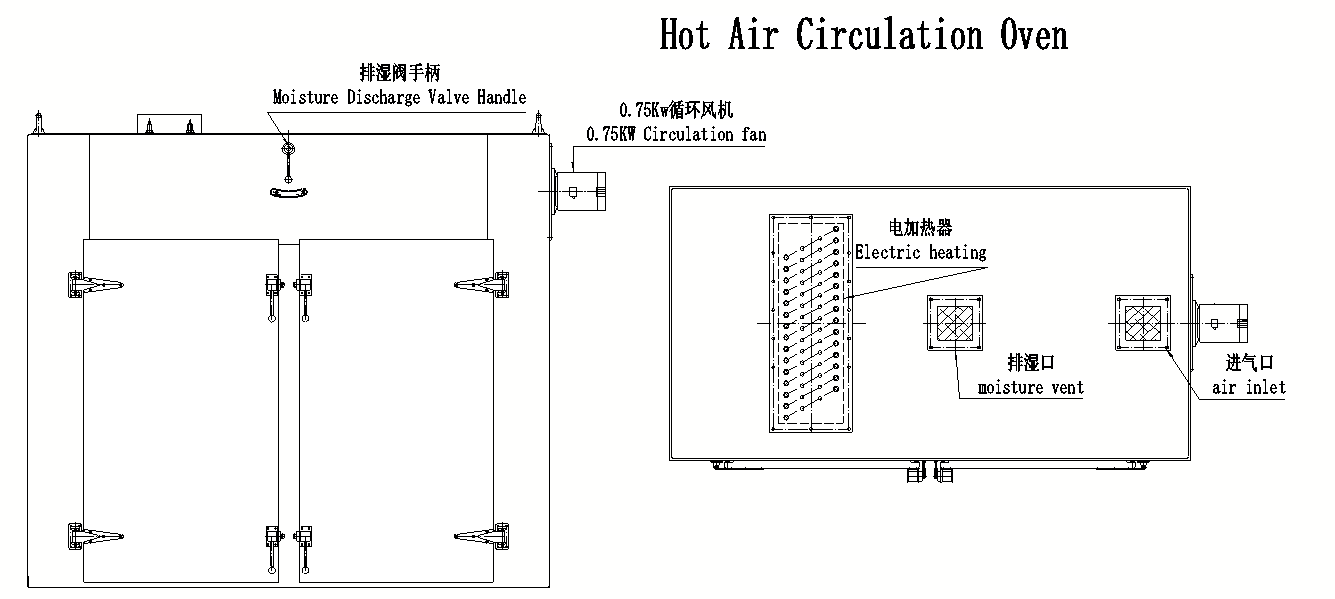
For process evaluation, consider the hot air oven for batch tray drying with circulating hot air. Confirm suitability with representative material, the required product properties and the proposed process conditions.