Drum Scraper Dryer Trials for Starchy Foods: Distinguish Gelatinization from Retrogradation
By QUANPIN
A dried starch ingredient can absorb water readily without that observation establishing its full thermal history. In potato and other starchy foods, gelatinization during processing and retrogradation after processing are different questions.
For a Drum Scraper Dryer trial, define the required starch functionality and when it will be measured. A freshly collected product and a stored or reconstituted specimen may not present the same structure.
Define the Starch Change under Investigation
Gelatinization concerns changes in starch structure during heating in the presence of sufficient water. It should be investigated with a method suitable for the actual material and its processing history.
Retrogradation concerns reassociation after gelatinization. Its evaluation requires a defined starting treatment and subsequent time, temperature and moisture conditions rather than a label attached to any viscosity change.
Identify the Actual Feed Matrix
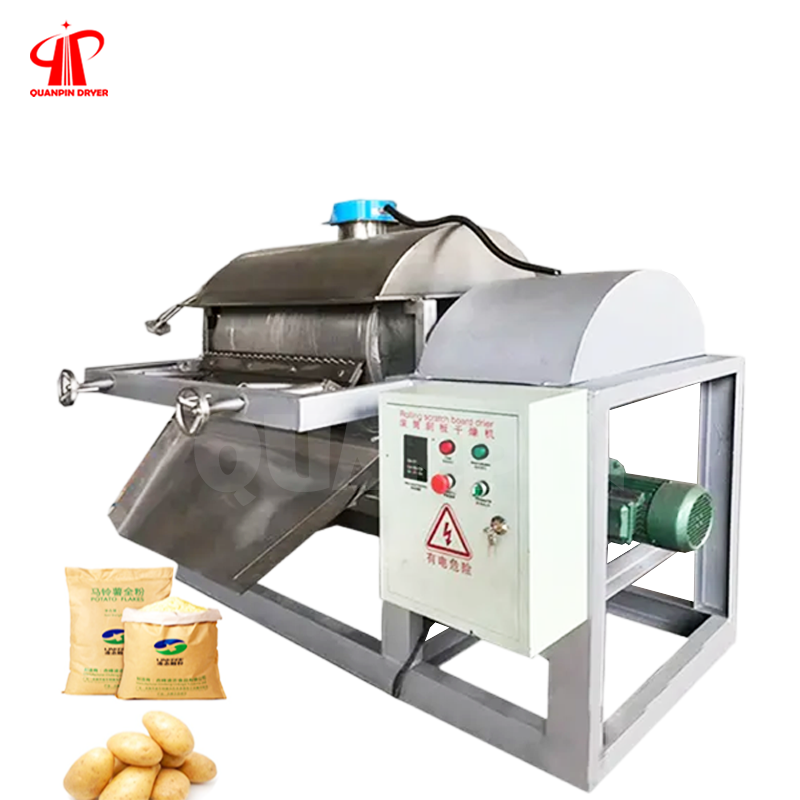
A drum dryer for starch transfers heat through the drum surface to an applied wet material. The extent of starch change is an actual product question, not a conclusion supplied by the equipment name.
A drum dryer for potato flakes may receive a prepared potato feed containing cellular and other non-starch components. Results from isolated starch should remain distinguishable from results on that whole feed.
Five Inputs for Starch Characterisation
Feed identity
Identify the botanical source, variety where relevant and formulation. Retain whether the specimen is isolated starch, potato flour, prepared mash or a blend.
Upstream preparation
Record preparation before the dryer, including relevant cooking and holding stages. Starch arriving at the drum may already have undergone substantial changes.
Moisture condition
Describe the measured product moisture and the specimen conditioning. Water availability affects the interpretation of thermal and functional comparisons.
Ageing history
Specify the storage or ageing history before testing. A time-zero specimen needs an identifiable definition if it is compared with later measurements.
Measurement method
State the test method and reported response. Thermal transitions, pasting viscosity, swelling and water binding are complementary observations rather than interchangeable gelatinization measurements.
Measure the Function Required by the Food
Original research compared pregelatinized drum-dried wheat starches with different swelling behaviour in emulsions. Similar molecular characteristics and water-binding capacity did not make their application behaviour identical. See the original drum-dried starch functionality study.
That experiment used wheat starch in a defined emulsion application. It does not establish the best settings or the same functional ranking for a potato-based TG trial.
Its useful implication is to test the property needed by the receiving formulation. A generic statement that a product is pregelatinized does not replace that application-specific measurement.
Do not translate a reported starch property directly into an untested sensory or shelf-life claim. Define the product acceptance question before choosing the supporting analysis.
Follow Six Specimen-History Boundaries
Receiving
At receiving, identify the starch or potato feed and any added ingredients. Preserve a representative starting specimen when a before-and-after structural comparison is required.
Prior treatment
At upstream preparation, retain the actual treatment history. Separate changes that occurred before drum contact from those attributed to the drying step.
Drum processing
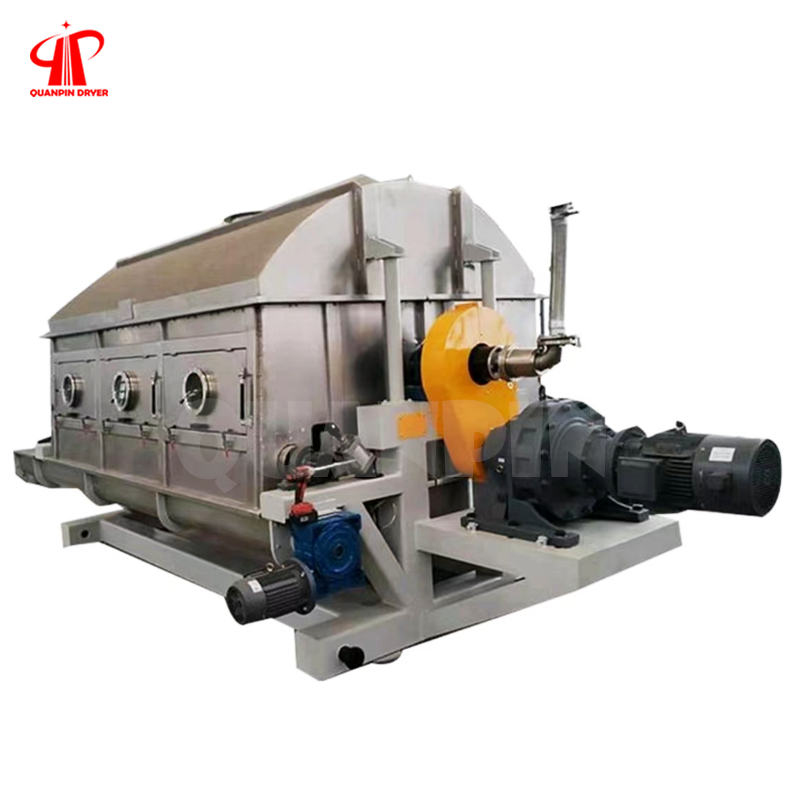
At the drum stage, record the confirmed equipment configuration and actual trial conditions. These describe the comparison without automatically determining gelatinization extent.
Product collection
At collection, label the product and interval represented by each specimen. Avoid combining collections with different histories without documenting that combination.
Conditioning
At conditioning, define moisture exposure and the time until testing. An uncontrolled delay can make a supposed fresh-product comparison difficult to interpret.
Reconstitution and storage
At reconstitution or storage, retain the procedure before the subsequent measurement. The laboratory specimen needs a history as clear as that of the dryer feed.
Compare Fresh and Aged Material Deliberately
Define the comparison
Use a comparison plan that distinguishes processing effects from later ageing. Where practical, retain matched specimens for immediate and defined later testing.
For thermal analysis, identify the sample mass, hydration preparation and scan procedure in the laboratory record. Interpretation depends on what was actually placed in the instrument.
A transition measured after a deliberately aged treatment should not be reported as if it were the original native-starch transition. Label the material state and the event being interpreted.
Preserve the test procedure
For pasting or swelling tests, preserve the procedure, concentration and measurement conditions. A different method may answer a different functional question even when the same powder is used.
Water-binding capacity is useful within its method, but it does not independently establish how a product will thicken every receiving formulation.
Discuss disagreements among test results as evidence to investigate. They may reflect different aspects of the material rather than a laboratory error.
Compare equivalent matrices
Compare like specimens first: isolated starch with isolated starch, or the intended whole feed with a corresponding whole-feed reference. Explain any cross-matrix inference explicitly.
Avoid a universal numerical gelatinization or retrogradation target derived from an unrelated paper. Acceptance depends on the intended food and the agreed evidence basis.
When evaluating a drum scraper dryer supplier, include this testing boundary in the trial brief. Configuration review and starch-characterisation responsibilities should be clearly assigned.
Interpret Potato Thermal and Mobility Evidence
An original DSC experiment on gelatinized potato starch varied ageing temperature and water content and observed different retrogradation states. See the original potato-starch ageing experiment.
Its results support keeping both moisture and ageing conditions beside the thermal report. They do not provide a universal storage programme for every potato flake product.
Original LF-NMR work examined normal and waxy potato starches and mixtures with hydrocolloids over storage. Molecular mobility and retrogradation depended on the studied composition. See the original potato-starch storage investigation.
This was a paste-storage experiment, not an industrial drum-dryer test. Use it to frame composition and timing questions while preserving the actual processing boundary.
Keep the Complete Treatment Sequence
An original comparison of soaking, freezing and drying treatments measured RVA, DSC and X-ray responses in corn and potato starches. See the original sequential starch-treatment experiment.
Those treatments differed from TG drum drying. The study illustrates the need to retain the full treatment sequence rather than attributing every measured change to the final water-removal step.
Separate Analytical Responses from Application Claims
A useful interpretation connects the question to the test: a thermal method addresses a thermal event, while a swelling test addresses a particular hydration response.
Retain the receiving-food application beside these measurements. The best analytical description does not by itself establish the required texture in a different recipe.
Original potato-starch research using gamma irradiation found changes in retrogradation and also highlighted differences between apparent-amylose and other composition measurements. See the original modified-starch characterisation study.
This is a specially modified starch system, not a recommendation to irradiate the proposed food. Its results should not be assigned to untreated potato feed or to a drum dryer.
Its relevance is methodological: retain how composition was characterised before using that composition to explain later starch behaviour.
For an actual trial, prioritise measurements capable of distinguishing the proposed alternatives. More reported properties are useful only when their methods and implications are clear.
Prepare the TG Starch-Drying Enquiry
Provide QUANPIN with the prepared feed description, intended dried ingredient and receiving application. Specify which fresh and later functional properties matter.
A drum dryer cost comparison should include the required trial and analytical work as well as the confirmed equipment scope. Explain whether upstream cooking is part of the supplied process.
Retain Distinct Material-State Records
Retain feed preparation, trial observations, sample conditioning and results together. Clearly distinguish fresh powder, stored powder, reconstituted paste and aged paste.
Conclude which changes the tests support and which remain unresolved. Gelatinization and retrogradation are connected through history, but a single observation should not collapse them into one claim.
Frequently Asked Questions
Are gelatinization and retrogradation identical?
No. Gelatinization concerns changes during the relevant heating and hydration treatment; retrogradation concerns subsequent reassociation under a defined history.
Does swelling prove complete gelatinization?
No. Swelling is a method-specific functional response. Establishing the relevant structural change requires an appropriate measurement and material reference.
Can isolated starch represent potato mash?
Not automatically. Potato flour or mash includes non-starch components, so preserve the actual matrix when designing and interpreting the comparison.
Can test delay be ignored?
No. Storage or ageing time, temperature and moisture conditions are part of the specimen definition and should remain with the result.
Does wheat-starch evidence set potato targets?
No. Its botanical source and application limit direct transfer. It supports a testing approach, while the proposed potato feed needs its own evaluation.
What should accompany an enquiry?
Provide feed identity, prior cooking history, intended application, sample conditioning and required functional and structural tests. State who will interpret the results.
Discuss Your Drum-Drying Application
Discuss the material, processing objective and required trials with QUANPIN. Review the equipment information and the relevant industry applications, or send an enquiry through our contact page.
Email sales@qpdryer.com or stacie@qpdryer.com. Call +86 19850785582 or contact WhatsApp +86 15921493205 to discuss the proposed scope.
For process evaluation, consider the drum drying equipment for drying a suitable feed as a thin layer on a heated drum. Confirm suitability with representative material, the required product properties and the proposed process conditions.