Ribbon Blender for Seasoning Rework: Preserve Recipe Identity before Returning Powder to Production
By QUANPIN
A ribbon blender can distribute seasoning rework through a new batch, but it cannot establish whether that rework belongs in the recipe. Decide eligibility before charging.
Rework means material deliberately retained for possible reuse. A recognizable colour or familiar aroma does not establish ingredient identity, allergen profile or acceptable storage history. Explore our food processing applications.
Which Recipe May Receive the Rework?
Consider a dry seasoning operation returning an interrupted batch to production. The useful question is which documented recipe may receive that material.
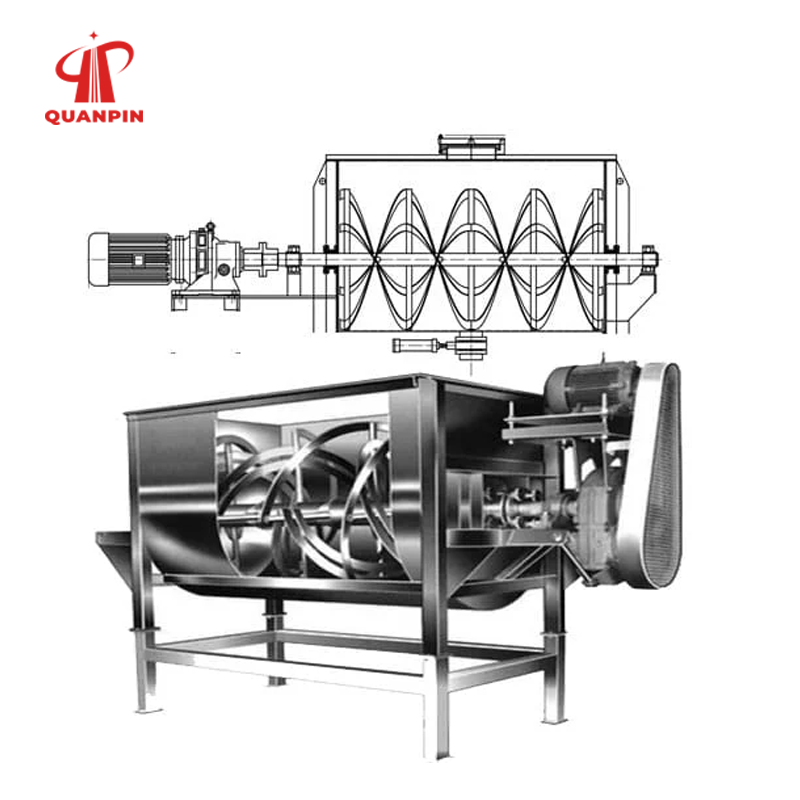
The horizontal ribbon mixer is only one point in this decision. Collection, storage, staging and downstream packing determine whether the intended material reaches the intended product.
Separate Material Approval from Ribbon Mixing
Start with the original recipe revision and manufacturing lot. Retain the ingredient identities that applied when the material was actually produced.
Record why the powder became rework. Planned excess, interrupted production and recovered line material can require different decisions under the site’s procedure.
Five Checks before Releasing a Container
Original recipe identity
Identify every container individually. A pallet description alone becomes unreliable when containers are separated, partially emptied or moved between staging areas.
Reason for collection
Keep the storage history with the material. An intact label does not demonstrate that an opened container remained protected during an extended interruption.
Container identification
Require a named authorization before use. Operators should distinguish material available for assessment from material approved for a specified receiving batch.
Storage history
A receiving recipe needs more than a matching commercial name. Review ingredient composition, revision status and any relevant destination-market requirements.
Release authority
Similar seasoning names can hide different sub-ingredients. A flavour premix may introduce an ingredient absent from another version of the apparent same flavour.
Recipe Similarity Needs a Documented Comparison
Rework contributes salt, carriers and other recipe constituents. Account for its actual composition when assessing the proposed addition to the receiving formulation.
An allergen comparison is essential, but matching allergen lists alone does not establish overall recipe equivalence or authorization to reuse material.
A visually acceptable powder can still have an unsuitable history. Appearance should support investigation without replacing ingredient records and the site’s food-safety assessment.
At collection, use the defined container and identity record. Prevent an unnamed remainder from becoming a convenient addition to the next available batch.
Follow the Material through Six Handling Points
Collection
During storage, protect the container and its identification together. If either protection or identity is lost, hold the material for the appropriate assessment.
Protected storage
At staging, compare the container identity with the receiving production instruction. Resolve discrepancies before bringing the powder to the charging point.
Staging verification
At charging, record which container supplied which receiving batch. Capture partial use so the remaining quantity retains a meaningful identity.
Charging records
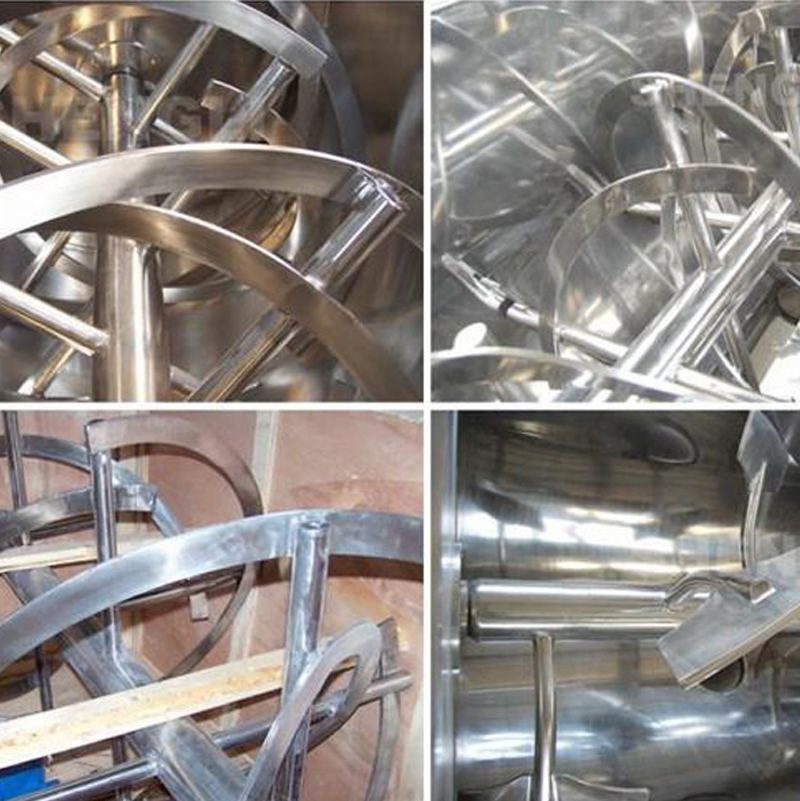
During mixing, follow the approved recipe sequence. A ribbon powder mixer should not become the place where unresolved material decisions are improvised.
Approved mixing sequence
After discharge, preserve the connection between the receiving batch and its packaging route. Rework traceability should survive transfer beyond the trough.
Discharge traceability
For a proposed reuse route, draw the actual material movement from collection through packaging. Include temporary staging points absent from equipment drawings.
Evaluate the Actual Mixer Interfaces
Map the real route
A short route can still cross incompatible production areas. Shared scoops, lids and mobile containers deserve the same attention as the mixer itself.
Ask whether the proposed charging method permits identity verification without placing labels or loose documents where they could enter the product.
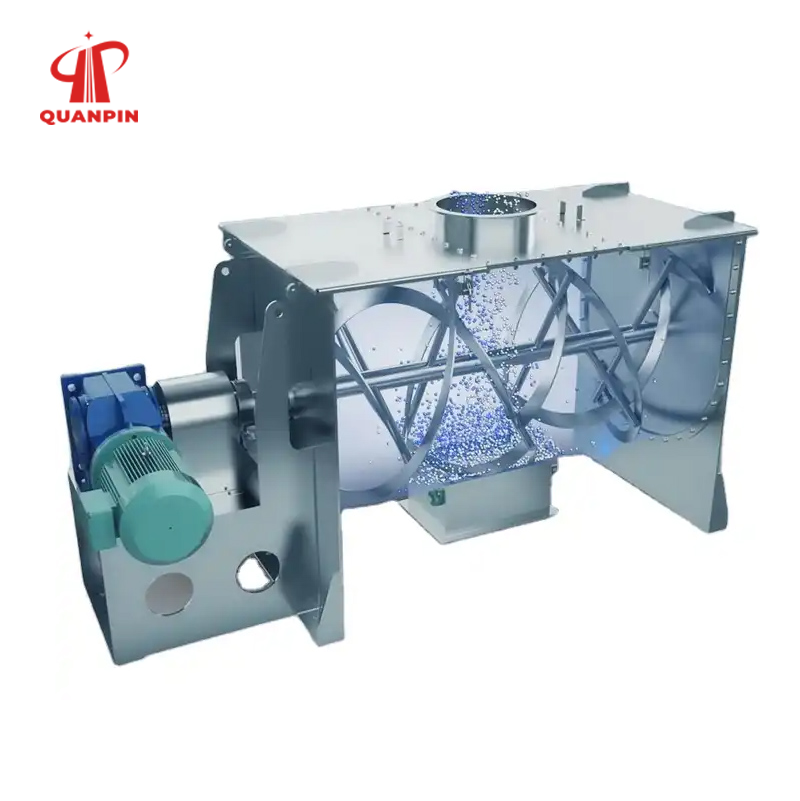
An industrial ribbon blender enquiry should explain whether rework arrives as free-flowing powder, compacted material or another condition requiring separate evaluation.
Assess the powder condition
Do not assume increasing mixing time restores aged or changed material. Suitability concerns its history and composition as well as distribution.
If rework condition differs from fresh ingredients, define representative trials and acceptance questions with the process team before proposing routine use.
Avoid treating the mixer model as food-safety approval. Confirm the actual supplied configuration and the controls assigned to surrounding operations.
Confirm shared-equipment arrangements
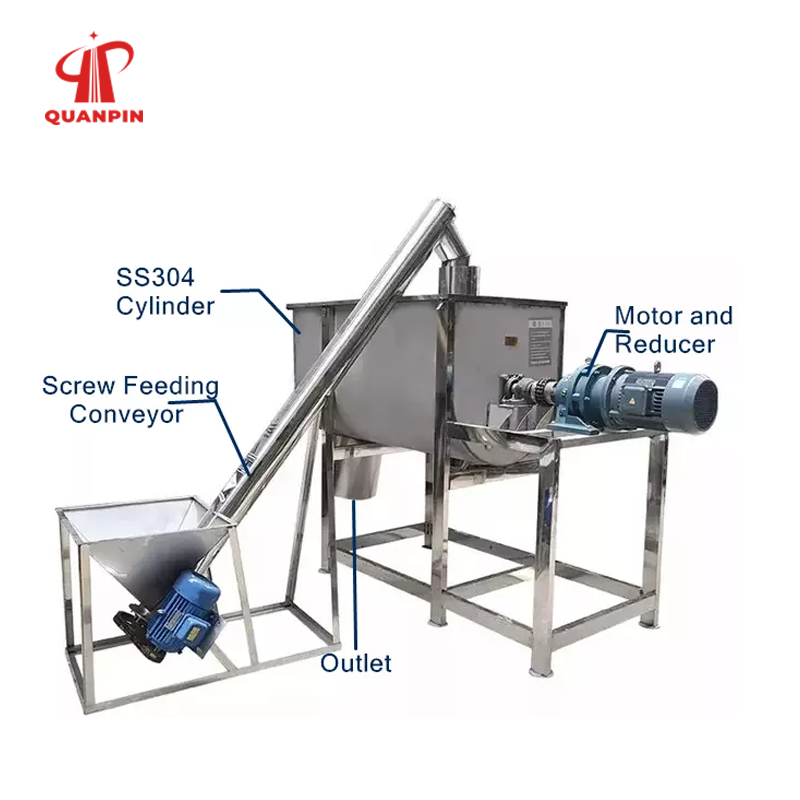
The equipment review should identify charging access, discharge connections and cleaning access relevant to the proposed route, without implying unconfirmed accessories are included.
Where shared production is proposed, discuss how operators identify the previous product and the approved equipment state before the next charge.
The practical objective is a route people can follow consistently. Confusing material names and ambiguous container status undermine an otherwise clear mixing instruction.
Use Allergen Guidance within Its Scope
Rework management begins with defining what material may return and under what restrictions. The Allergen Bureau discusses dry-blending flush material and interrupted production. See Allergen Bureau guidance on rework.
Ingredient information must remain current through the reuse decision. Supplier documentation and sub-ingredient review support comparison between source and receiving recipes. See Maryland guidance on developing an allergen control plan.
Labelling review is separate from mechanical blending. A well-distributed ingredient still needs appropriate declaration for the actual food and destination market. See FDA food allergen labelling questions and answers.
Unintentional allergen presence also needs active management. Distinguish known recipe ingredients from unresolved concerns about cross-contact during handling. See FSANZ allergen information for industry.
Manage Recipe Changes and Mixed Origins
These sources provide general food-allergen context. They do not establish a universal rework percentage, storage period or mixing time for a seasoning formulation.
If the source recipe changed, compare revisions explicitly. An old container description should not silently inherit the current recipe’s composition.
Keep Training and Disposition Records Connected
If several source lots are combined, retain their identities. Combining records after material is pooled may leave questions that cannot be reconstructed reliably.
If a container is partially consumed, record its remaining status. Avoid a remainder appearing newly approved merely because its container is familiar.
If a label becomes unreadable, stop the intended addition. Escalate through the material-identification procedure instead of relying on memory or colour.
Training should connect material status, approved recipes and physical handling. Staff need to understand when an apparently usable remainder must remain on hold. See Minnesota allergen-risk guidance for manufacturers.
A proposed production schedule should account for rework eligibility and cleaning arrangements together. Scheduling alone does not authorize reuse across incompatible recipes.
Retain records of rejected or disposed material as well as material returned successfully. Both outcomes complete the traceability picture.
Prepare the Equipment Enquiry
Send QUANPIN the intended ingredients, material condition and charging route. Identify which rework decisions remain with the food operation.
Ask for confirmation of equipment interfaces and supplied scope. Representative material discussions can identify questions requiring trials rather than assumed guaranteed results.
Maintain the Agreed Reuse Route
The purchase enquiry becomes clearer when equipment duties and material authorization are explicit. Each party can address the questions it controls.
Keep the agreed route alongside the production procedure. Review it when formulations, containers, charging methods or downstream arrangements change.
Frequently Asked Questions
Can the mixer approve rework?
No. A ribbon mixer distributes material; it does not identify an unknown powder or authorize its return to food production.
Does a matching flavour name suffice?
Not necessarily. Recipe revision, sub-ingredients, storage history and receiving-product requirements still need assessment under the operation’s procedure.
How should a remainder be identified?
Use the approved method for recording partial consumption, remaining quantity, container identity and permitted destination before returning the container to storage.
Is there a universal addition percentage?
No universal percentage follows from the equipment name. A proposed amount needs formulation and food-safety assessment for the actual material and receiving recipe.
What if the identity label is unreadable?
Hold and investigate material with an unreadable identity label. Appearance and operator recollection should not replace the approved identification process.
What information supports an enquiry?
Provide source and receiving formulations, material condition, handling route and proposed equipment interfaces, keeping confidential recipe details within an agreed exchange.
Discuss Your Seasoning Rework Route with QUANPIN
Discuss the QUANPIN WLDH horizontal ribbon mixer with QUANPIN. Use our contact page or the enquiry form to explain the intended food application.
Email sales@qpdryer.com or stacie@qpdryer.com. Call +86 19850785582, or contact us on WhatsApp: +86 15921493205.