Spin Flash Dryer for Pigments: Define Workplace Extraction Separately from Process Powder Recovery
By QUANPIN
A powder collector separates material from a process air stream, while a workplace extraction system is designed around controlling exposure during identified tasks. Keep those functions distinct when planning a pigment drying and collection installation.
For a spin flash dryer enquiry, describe where powder may be handled and which extraction responsibilities require separate engineering review. See chemical industry applications.
XSG Processing and Workplace-Control Functions
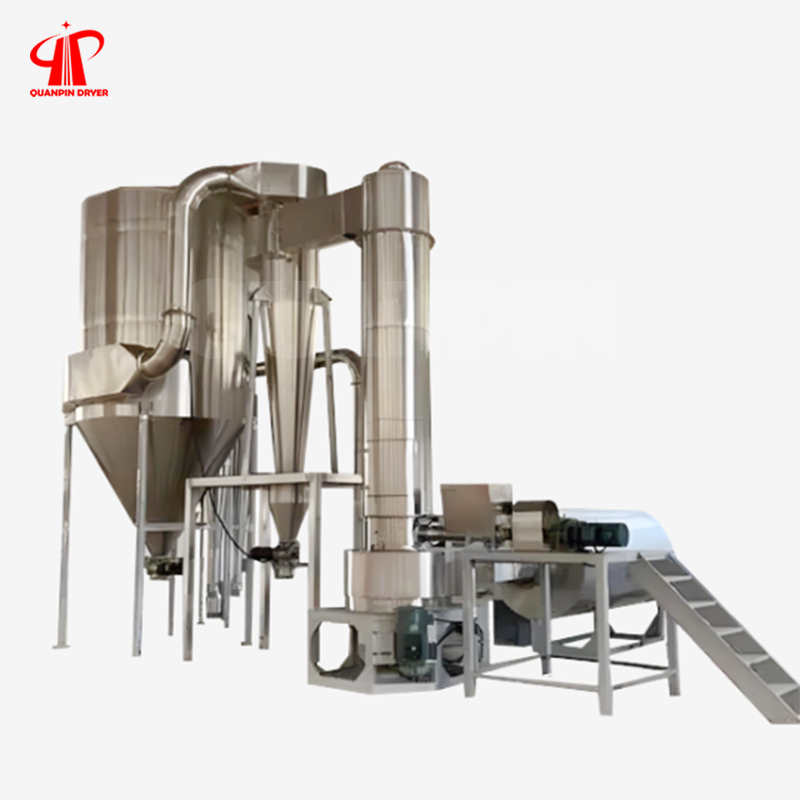
The verified XSG route combines mechanical dispersion and hot-air contact for suitable wet powders, filter cakes and pastes.
Its drying and recovery description does not independently establish that every collection, emptying or maintenance task has an effective local exhaust ventilation control.
Define Materials, Tasks and Exposure Sources
Identify the pigment and the work performed near its collection and handling points. HSE asks reviewers to consider substances, work tasks, exposure routes and the people who may be exposed. See HSE COSHH assessment guidance.
The responsible team should assess material hazards and exposure tasks before selecting a control rather than treating an available fan as a complete solution.
Five Steps for the Application Review
Identify material and work tasks
Identify the material and handling tasks.
Locate task-related sources
Locate the potential sources associated with those tasks.
Define recovery and control boundaries
Define the process-collection and workplace-control boundaries.
Assign engineering responsibilities
Assign the design, installation and operating responsibilities.
Review actual control evidence
Review commissioning and subsequent-use evidence for the arrangement.
Product Collection and Exposure-Control Boundaries
A process recovery record and an assessment of worker exposure answer different questions.
A visible hood or duct does not by itself demonstrate effective capture for the source and task being reviewed. HSE explains that an extraction control needs a suitable type and appropriate installation, use and maintenance. See HSE guide to buying and using LEV.
Keep normal collection, emptying, sampling and maintenance activities separately identifiable when their exposure conditions differ.
A proposed change in task or material should remain visible to the team responsible for the control assessment.
Equipment and Process Interfaces
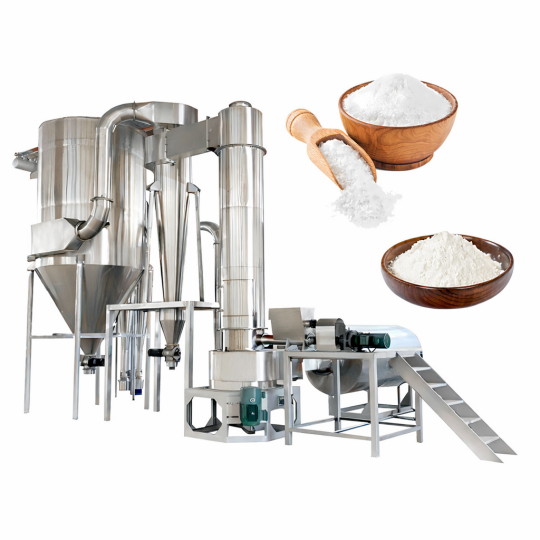
Wet-feed delivery
The feeding arrangement establishes the wet material presented to the reviewed drying process.
Dispersion and hot-air contact
Mechanical dispersion and hot-air contact form the confirmed XSG processing route.
Powder recovery
Powder recovery establishes where material leaves the process for collection.
Local exhaust ventilation
A local exhaust ventilation arrangement, where applicable, requires its own defined source, task and design information.
System documentation
System documentation connects the proposed control to its intended use and maintenance requirements. HSE describes supplier and employer responsibilities, competent design and system documentation for local exhaust ventilation. See HSE HSG258 ventilation design and responsibilities.
Assessment and measurement
Competent assessment of the control and any exposure measurements supplies evidence beyond a component’s presence.
Reviewing Task-Specific Workplace Controls
Define the Actual Material
Chemical powder drying should be planned with the real material and the people carrying out work tasks.
For powder drying enquiries, distinguish a collector’s product-recovery function from a separate workplace extraction responsibility.
The control designer needs information about the process and contaminant source rather than a general request to add suction. HSE describes the design information, commissioning and documentation needed for an LEV control. See HSE G406 engineering-control guidance.
Preserve the Relevant Boundary
Commissioning should address whether the supplied control meets its intended design, while later use needs instructions and checks.
A manual, system layout and operating information can help establish how the control is intended to be used.
Air sampling has a measurement purpose that should remain identifiable; an area observation is not automatically a personal exposure result. HSE distinguishes personal exposure sampling from background area sampling and explains why the result must retain its measurement purpose. See HSE G409 exposure measurement.
State the Evidence Limits
Industrial drying equipment selection does not replace the site’s responsibility to assess tasks and appropriate exposure controls.
A material or operating change may require review of whether an existing control remains suitable.
The final enquiry should distinguish confirmed dryer components from the engineering and operational work needed for the workplace-control arrangement.
Benefits and Limits of a Defined Control Scope
A task-based scope can reveal an exposure question that is hidden in a machine-only process diagram.
It can also clarify whether two suppliers have assumed that the other party provides the extraction connection.
It cannot establish effective control or compliance from an illustration, nominal fan description or unexamined sampling result.
Relevant design, commissioning, use and measurement evidence must relate to the material, source and working arrangement.
Pigment, Task and Control-Responsibility Records
Record the pigment identity and available material-hazard information.
Describe normal and non-routine tasks around collection and handling.
Records, Handling and Safety Requirements
Identify the source and control boundary to be assessed.
Assign responsibilities for control design and installation information.
Preserve the operating, checking and maintenance documentation relevant to the system.
Keep the purpose and interpretation of any air-sampling result clear.
Controls should be reviewed and used through the responsible competent team and the installation’s approved procedures.
A need to inspect a collector or obtain a sample does not justify unapproved access to moving or energized equipment.
Prepare the Pigment Extraction-Interface Enquiry
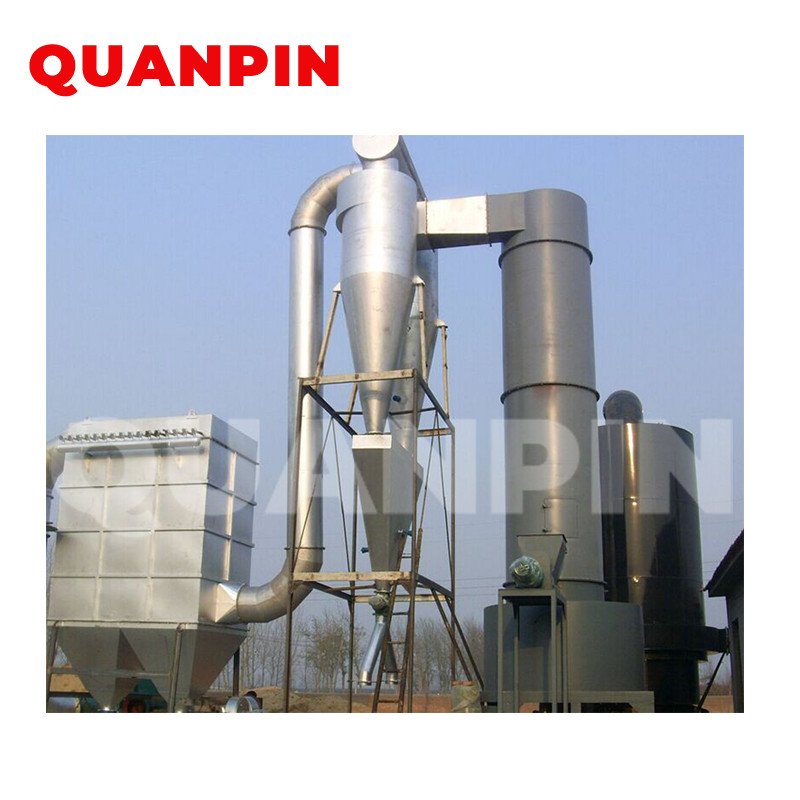
Compare spin flash dryer price proposals on the same drying, recovery and external-interface scope.
Ask QUANPIN which collection connections are confirmed and which workplace-control questions require separate specialist coordination.
Evidence and Limits after Material or Task Changes
Retain the resolved interface responsibilities with the equipment and control documentation.
When the task, material or extraction arrangement changes, review the evidence rather than assume that an earlier assessment still applies unchanged.
Frequently Asked Questions
Are a collector and workplace control equivalent?
A process collector and workplace extraction control can have different functions and responsibilities.
Does a hood establish effective capture?
A hood or fan’s physical presence does not independently establish effective source capture.
Can routine and maintenance tasks differ?
Collection, emptying and maintenance can present different tasks that need review.
Is an area result a personal exposure measurement?
An area air-sampling observation should not silently be presented as a personal exposure measurement.
Does product quality prove exposure-control effectiveness?
A product-quality result does not establish the effectiveness of a workplace-control arrangement.
What should the extraction enquiry identify?
The enquiry should identify the material, tasks, sources, confirmed process equipment and the separate control responsibilities.
Discuss Your Application with QUANPIN
Discuss the confirmed XSG Rotating Flash Dryer application with QUANPIN. Use the enquiry form or the contact page to describe your project.
Email sales@qpdryer.com or stacie@qpdryer.com. Call +86 19850785582, or contact us on WhatsApp: +86 15921493205.
For process evaluation, consider the spin flash dryer manufacturer for rapid contact between suitable dispersed feed and drying air; and the hollow paddle dryer for indirect heat transfer to suitable wet solids. Confirm suitability with representative material, the required product properties and the proposed process conditions.