Vacuum Freeze Dryer for Fruit: Define Environmental-Monitoring Responsibilities within the Food-Safety Plan
By QUANPIN
Environmental monitoring belongs within a food-safety assessment of the product and facility. A freeze-dryer model name does not independently determine whether a particular monitoring activity is required or what a result means for a fruit ingredient.
For a food vacuum freeze dryer application, identify the equipment boundary and the wider food-process responsibilities before interpreting verification evidence. See food industry applications.
Freeze-Drying Functions and Verification Scope
The Vacuum Freeze Dryer route removes ice from a frozen product through sublimation under the reviewed conditions.
That process principle does not establish a complete food-safety plan, environmental monitoring programme or product-release decision for every prepared fruit.
Define the Fruit and Applicable Food-Process Questions
Begin with the fruit, ingredients and route from preparation through collection and receiving.
The responsible food team should identify the hazard and preventive-control questions through its applicable assessment rather than borrow another site’s programme unchanged. The cited section describes hazard analysis for food processing; the product and process determine the relevant questions. See 21 CFR 117.130 hazard analysis (2025 CFR edition).
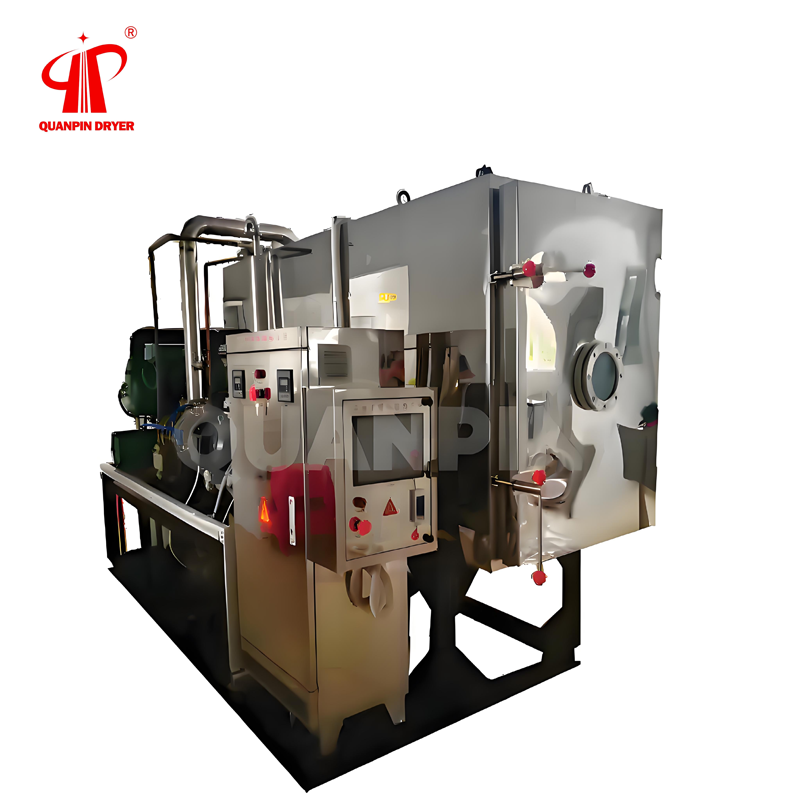
Five Steps for the Application Review
Identify prepared fruit and use
Identify the prepared fruit and intended ingredient use.
Describe processing stages
Describe the processing and handling stages.
Connect controls to hazards
Connect applicable controls to the hazards being considered.
Identify monitoring purpose
Identify the purpose and scope of any monitoring or verification activity.
Review evidence through defined responsibilities
Review the result through the site’s defined responsibilities and procedures.
Product, Environmental and Process-Record Boundaries
A product sample, an environmental sample and a process record can provide different kinds of evidence.
Keep the sample identity and purpose clear before assigning one result to an entire batch or processing line.
If a method targets a particular location or condition, preserve that boundary rather than describing it as a universal test of the dryer.
A result that requires investigation should remain connected to the responsible site’s review process.
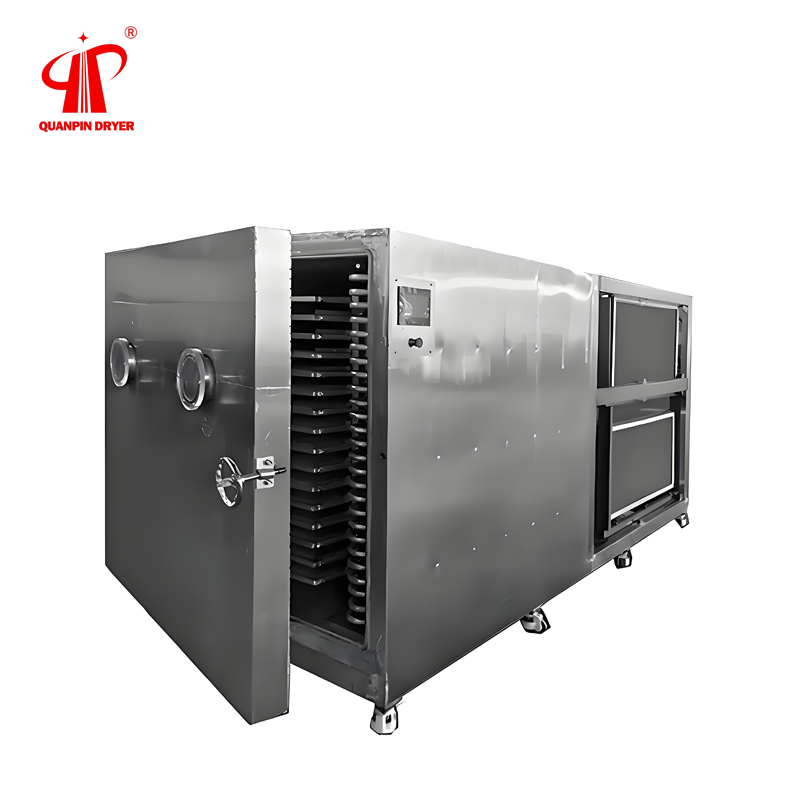
Equipment and Process Interfaces
Fruit preparation
Fruit preparation establishes the material entering the reviewed frozen-product route.
Loading arrangement
The loading arrangement identifies the product presented to the Vacuum Freeze Dryer Machine.
Drying configuration
The drying configuration establishes the equipment conditions represented by the process record.
Unloading and receiving
Unloading and receiving connections create further product-handling boundaries.
Food-safety plan
The site’s food-safety plan identifies preventive-control and verification responsibilities.
Methods and sampling
The method and sampling plan determine which observation a monitoring result can support. The cited section addresses preventive controls identified through the applicable food-safety analysis. See 21 CFR 117.135 preventive controls (2025 CFR edition).
Interpreting the Monitoring and Verification Evidence
Define the Actual Material
A vacuum freeze drying machine enquiry should distinguish confirmed equipment functions from the customer’s wider food-safety activities.
Environmental monitoring, when appropriate to the product, facility and preventive control, needs its own defined purpose. The cited section addresses verification and includes environmental monitoring where appropriate to the food, facility and preventive control. See 21 CFR 117.165 verification (2025 CFR edition).
It should not be presented as interchangeable with an ingredient moisture or water-activity test.
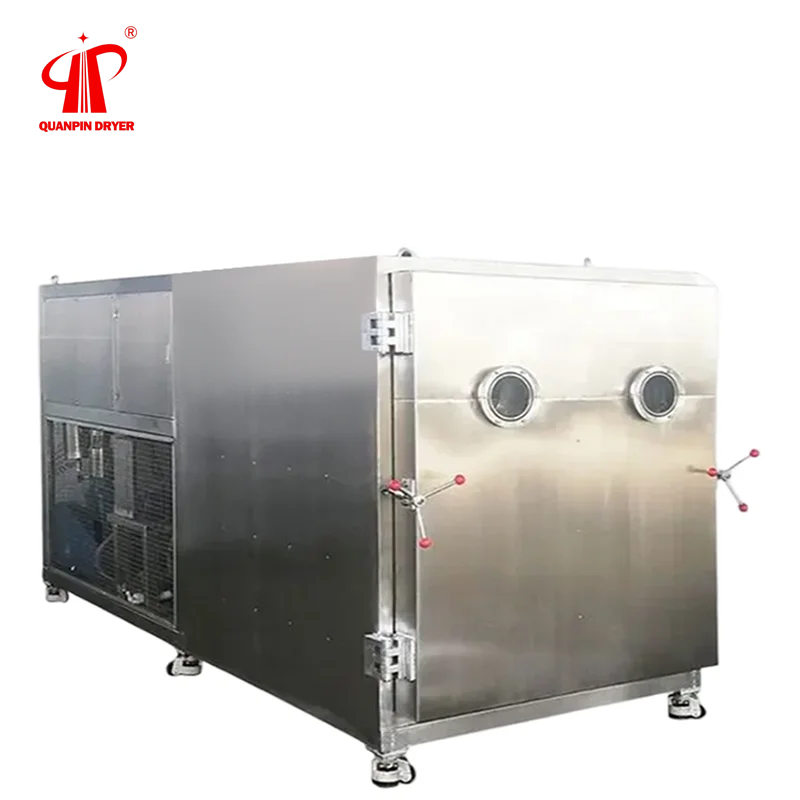
Preserve the Relevant Boundary
The responsible team should retain the locations, methods and material or environmental boundaries represented.
Monitoring an applicable control and verifying its effectiveness are related responsibilities with different purposes in a food-safety system. The cited section addresses monitoring of applicable preventive controls. See 21 CFR 117.145 monitoring (2025 CFR edition).
Food vacuum drying includes other processing routes; the present review concerns the equipment and interfaces associated with the frozen-product route.
State the Evidence Limits
Do not infer a product-disposition decision from an equipment illustration or an isolated result with unknown context.
The procedures should explain who investigates a concern and evaluates the available product and process information. The cited section discusses corrective actions and corrections rather than an equipment supplier deciding product disposition. See 21 CFR 117.150 corrective actions (2025 CFR edition).
The equipment supplier can clarify confirmed functions and access needs while the food manufacturer retains its applicable food-safety decisions.
Benefits and Limits of Separating Evidence
Separating the evidence can make it easier to identify whether a question concerns equipment information, a control record or a wider facility assessment.
It can reveal that a proposed sampling result has been interpreted beyond the boundary represented.
It cannot prescribe one monitoring plan, frequency or acceptance result for every fruit freeze-drying installation.
Those decisions depend on the food, facility, identified hazards, applicable requirements and relevant evidence.
Fruit, Process and Monitoring-Purpose Records
Record the fruit and the intended processing route.
Identify the relevant equipment and handling interfaces.
Records, Handling and Safety Requirements
State the control or verification question being examined.
Preserve the sampling purpose, location and applicable method.
Keep investigations and corrective actions within the site’s defined review responsibilities.
Retain the resulting evidence with the product or environmental boundary it actually represents.
Sampling or inspection must follow approved safe procedures for the equipment and food-handling operation.
A need for another observation does not justify unapproved entry into a process area or access to moving equipment.
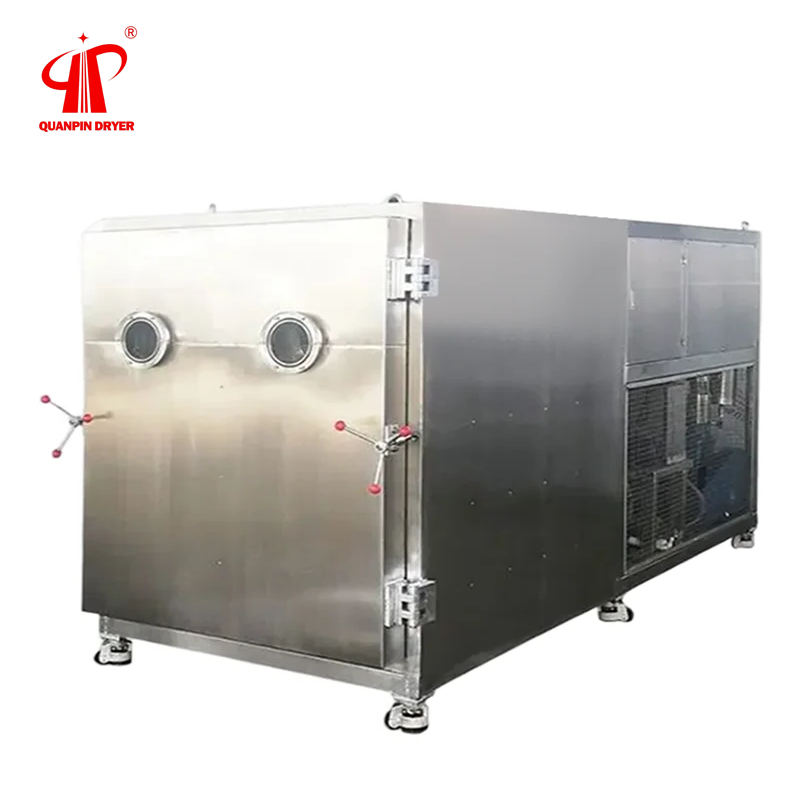
Prepare the Fruit Equipment-Information Enquiry
Send QUANPIN the fruit duty and identify the equipment information needed for the site’s review.
Ask which loading, unloading, cleaning or access functions are confirmed without treating equipment supply as approval of the food-safety programme.
Evidence and Limits after Food or Facility Changes
Retain the agreed equipment scope separately from the site’s monitoring and product-disposition procedures.
If the food, facility or handling route changes, review the affected assumptions rather than apply an earlier programme automatically.
Frequently Asked Questions
Does the model determine the monitoring programme?
The equipment family alone does not determine a complete environmental monitoring programme.
Are product and environmental samples equivalent?
A product sample and an environmental sample can represent different questions and boundaries.
When is environmental monitoring considered?
Environmental monitoring is considered where appropriate to the food, facility and applicable preventive control.
Does an isolated result supply release context?
An isolated result does not supply the context needed for an unreviewed product-release decision.
Does a trial replace hazard assessment?
A freeze-drying trial does not replace the food manufacturer’s wider hazard and preventive-control assessment.
What should the equipment-information enquiry describe?
The enquiry should describe the prepared fruit, equipment interfaces and the specific information the responsible food team needs.
Discuss Your Application with QUANPIN
Discuss the confirmed FD Vacuum Freeze Dryer application with QUANPIN. Use the enquiry form or the contact page to describe your project.
Email sales@qpdryer.com or stacie@qpdryer.com. Call +86 19850785582, or contact us on WhatsApp: +86 15921493205.