YK Oscillating Granulator for Pharmaceuticals: Plan Cleaning and Facility-Service Interfaces
By QUANPIN
Placing a pharmaceutical granulator in a room creates interfaces with space, cleaning, ventilation and building services. Define those interfaces separately from the machine’s product-processing functions before finalizing an installation enquiry.
For the YK oscillating granulator, the practical question is how the wet-granulation or sizing duty fits the facility and its operating arrangements. See pharmaceutical industry applications.
YK Processing Functions and Facility Responsibilities
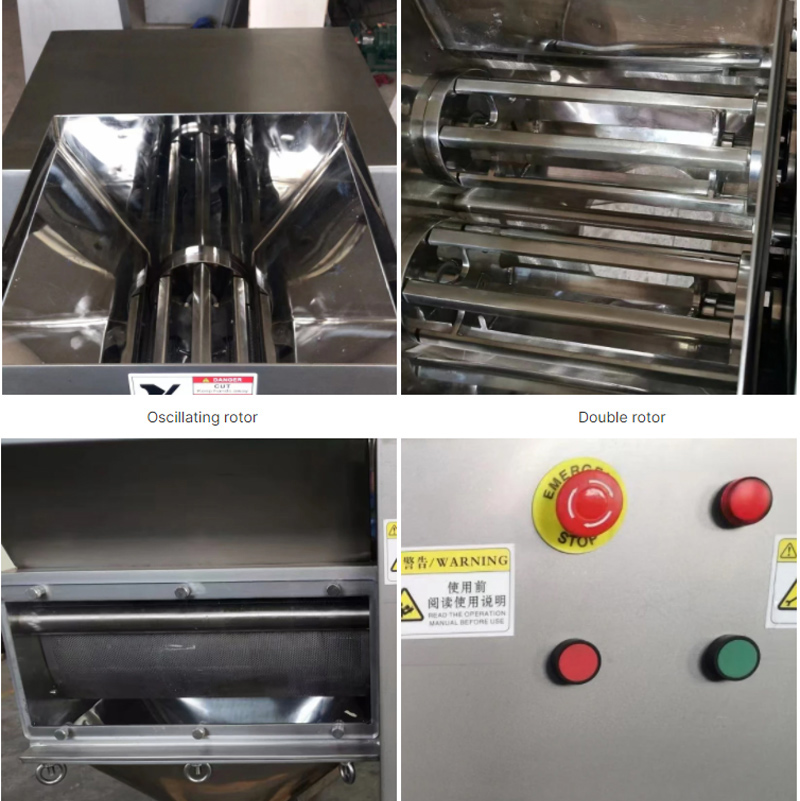
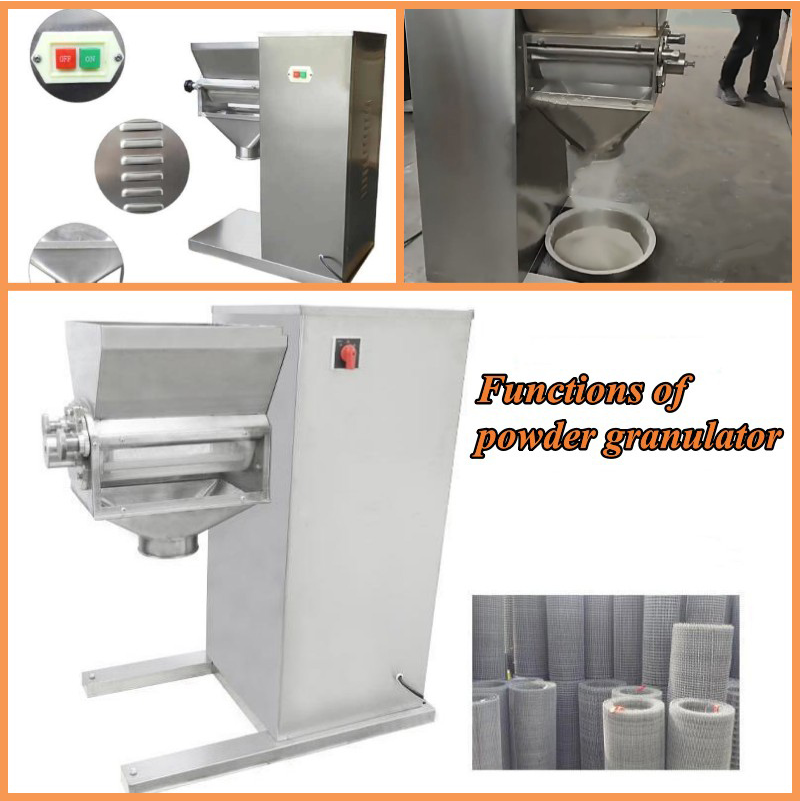
The verified oscillating granulator machine uses reciprocating rotor action to work compatible feed against a screen.
That equipment principle does not establish that the machine supplies room ventilation, building sanitation or another facility service needed by a particular pharmaceutical installation.
Define the Material Route and Access Activities
Begin with a material-flow sketch showing where prepared feed arrives and where processed granules leave.
Include the cleaning and maintenance activities that the real configuration requires rather than drawing only the footprint occupied during operation.
Five Steps for the Application Review
Describe the processing route
Describe the feed, granulation stage and receiving process.
Place machine and connections
Place the machine and material connections on the layout.
Identify access activities
Identify cleaning, maintenance and safe-access activities.
Assign service responsibilities
Assign facility-service and equipment-supply responsibilities.
Review unresolved interfaces
Review unresolved interfaces before treating the arrangement as ready for installation.
Space, Cleaning and Facility-Service Boundaries
Space around a working assembly and the space required to access or service it may serve different purposes. The cited edition discusses building space, cleaning and orderly equipment placement; review these as facility responsibilities. See 21 CFR 211.42 facility layout (2025 CFR edition).
Keep the arrangement visible when comparing an equipment drawing with the room.
If water or another cleaning service is relevant, identify its source and connection through project-specific information rather than assuming a standard machine function. WHO discusses the production, distribution and use of water for pharmaceutical purposes; relevant water interfaces need project-specific review. See WHO pharmaceutical-water guidance.
Distinguish process-air, room-air and other service questions whenever different systems or responsible parties are involved. The cited section addresses facility ventilation and related air controls rather than a claim that a granulator supplies them. See 21 CFR 211.46 ventilation (2025 CFR edition).
Equipment and Process Interfaces
Feed interface
The feed interface establishes the material brought to the swing granulator and the handling work performed nearby.
Rotor and screen
The rotor and screen form the mechanical processing arrangement for the material.
Receiving connection
The receiving connection establishes where granules leave the machine and whether another unit or container is involved.
Cleaning access
Cleaning access determines which equipment contacts and surrounding areas need appropriate review.
Facility services
The facility team controls the room and service arrangements within its assigned scope.
Installation record
The installation record should identify equipment, building and external-connection responsibilities without silently merging them.
Reviewing the Actual Pharmaceutical Installation
Define the Actual Material
For a pharmaceutical granulator, room suitability should be assessed against the processing and handling activities.
The scope of that assessment is broader than confirming that a machine can physically pass through the door.
A wet granulation route may introduce material-transfer and cleaning questions that differ from a separately reviewed dry-sizing duty.
Preserve the Relevant Boundary
Describe what is actually planned rather than assigning the same facility arrangement to every formulation.
The cited facility references provide context for layout, air-related controls and services; they do not prove that a particular room has been assessed. WHO discusses coordination between facility layout and HVAC design for non-sterile pharmaceutical products. See WHO non-sterile pharmaceutical HVAC guidance.
The project team should identify which requirements apply to its operation and jurisdiction.
State the Evidence Limits
Do not turn a general building-service statement into a guarantee that an unspecified connection is suitable.
A equipment scope and an unresolved facility interface should remain separately described in the proposal.
Representative product trials can support the material duty while installation suitability needs its own evidence.
Benefits and Limits of a Coordinated Layout
A coordinated layout can expose a connection or access responsibility that is missing from a machine-only quotation.
It can help the supplier and customer discuss cleaning and maintenance work without treating those activities as an afterthought.
It does not establish a universal room classification, ventilation arrangement or water specification for every YK application.
The product, process, facility and applicable requirements determine the appropriate project review.
Application and Facility-Interface Records
Record the proposed feed and receiving-material route.
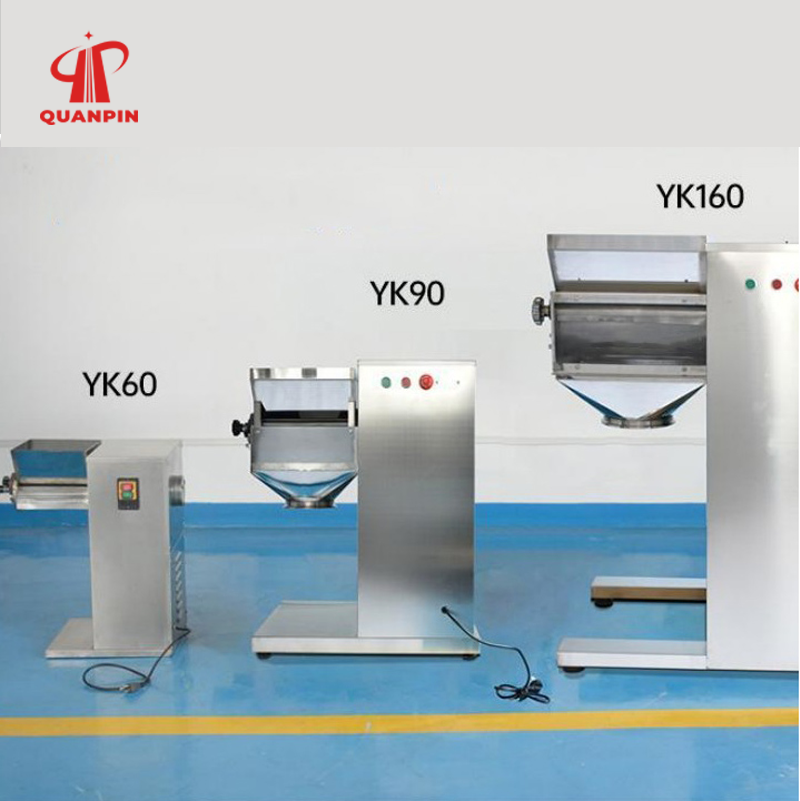
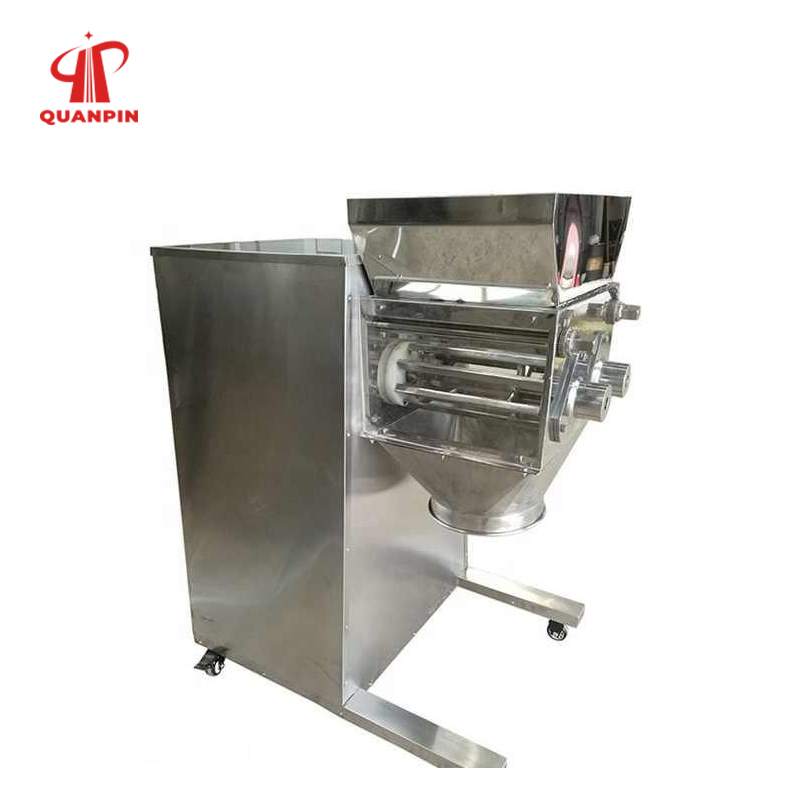
Identify the machine and component arrangement used in the layout.
Records, Handling and Safety Requirements
Describe service information supplied by the facility team.
List equipment contacts and surrounding areas included in the cleaning review.
Assign responsibility for building maintenance and external connections.
Keep unconfirmed service or access information visible until it is resolved. WHO provides additional interpretation of HVAC design, qualification, management and maintenance for non-sterile pharmaceutical facilities. See WHO pharmaceutical HVAC interpretation guidance.
Site review and equipment access require the responsible competent personnel and approved procedures.
A layout question does not authorize inspection of an energized working assembly or an unapproved change to a building service.
Prepare the YK Installation-Interface Enquiry
Send QUANPIN the application description and the proposed room-interface drawing.
Ask which connections and access provisions are within the machine supply and which require separate site coordination.
Evidence and Limits after Layout Changes
Retain the resolved interface responsibilities with the final layout and equipment information.
If the room, material route or cleaning arrangement changes, review the affected assumptions before relying on an earlier installation conclusion.
Frequently Asked Questions
Does the machine supply every room service?
A machine’s processing function does not establish that it supplies the room’s ventilation or building services.
Does a footprint establish cleaning access?
A footprint drawing should not be treated as complete evidence of cleaning or maintenance access.
Can wet and dry duties present different questions?
A wet-material duty and a dry-sizing duty can present different facility questions that need application review.
Does a reference prove facility suitability?
A reference to facility requirements does not itself demonstrate that the proposed room satisfies them.
Does a product trial establish installation suitability?
A favorable granulation trial does not replace assessment of the installation and its service interfaces.
What should the installation enquiry describe?
The enquiry should describe the material route, machine arrangement, cleaning needs, site services and unresolved responsibilities.
Discuss Your Application with QUANPIN
Discuss the confirmed YK Oscillating Granulator application with QUANPIN. Use the enquiry form or the contact page to describe your project.
Email sales@qpdryer.com or stacie@qpdryer.com. Call +86 19850785582, or contact us on WhatsApp: +86 15921493205.