Spin Flash Dryer for Pigments: Distinguish Wet-Cake Feeding from a Spray-Drying Feed Route
By QUANPIN
A wet pigment cake or paste should not automatically be described as a suitable spray-dryer feed. Define the actual material form before comparing a mechanical-dispersion flash-drying route with a proposed atomization route.
A spin flash dryer enquiry should identify what material will reach its feeding arrangement rather than substitute a convenient equipment label for the feed description. See chemical industry applications.
Mechanical Dispersion and Alternative Atomization Routes
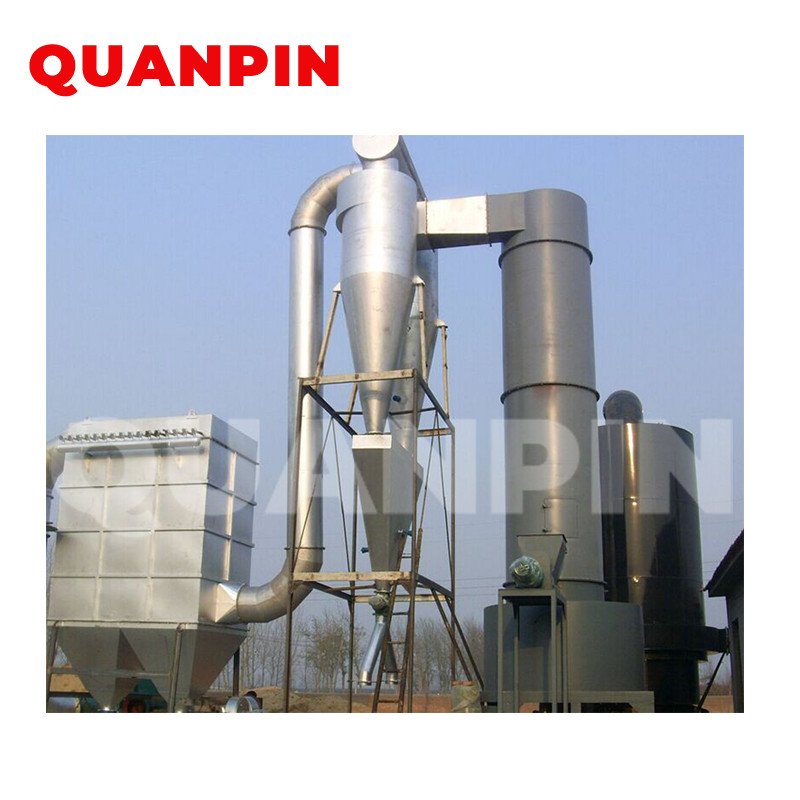
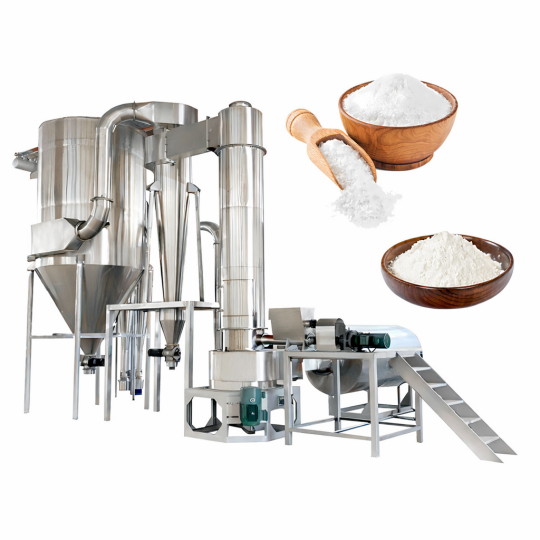
The verified XSG process combines mechanical dispersion with hot-air contact for suitable wet powders, filter cakes and pastes.
A pressure spray-drying route requires a suitable pumpable feed and a different atomization arrangement; the two descriptions do not establish interchangeable material requirements.
Define the Original Physical Feed and Any Preparation
Describe the pigment’s actual physical form and available material information.
If additional preparation is proposed to change that form, identify the separate operation instead of silently assigning it to the dryer.
Five Steps for the Application Review
Identify the incoming pigment
Identify the actual incoming wet pigment.
Describe preparation and feed form
Describe its preparation and the form supplied for review.
Define the proposed drying route
Define the proposed flash-drying or atomization route.
Map additional preparation
Map any additional feed-conditioning equipment and responsibilities.
Evaluate the confirmed route
Evaluate the confirmed route using appropriate material and product evidence.
Four Boundaries for Material Form and Preparation
A material called a slurry is not automatically fully described for either an atomization or mechanical-dispersion duty.
A wet cake description should retain its actual preparation history and available properties.
Do not invent a dilution, pre-breaking or other conditioning step simply to make the material appear suitable for a selected machine.
Keep the original material and any subsequently prepared feed separately identifiable when comparing routes.
Equipment and Process Interfaces
Incoming feed record
The incoming feed record establishes the pigment actually supplied for review.
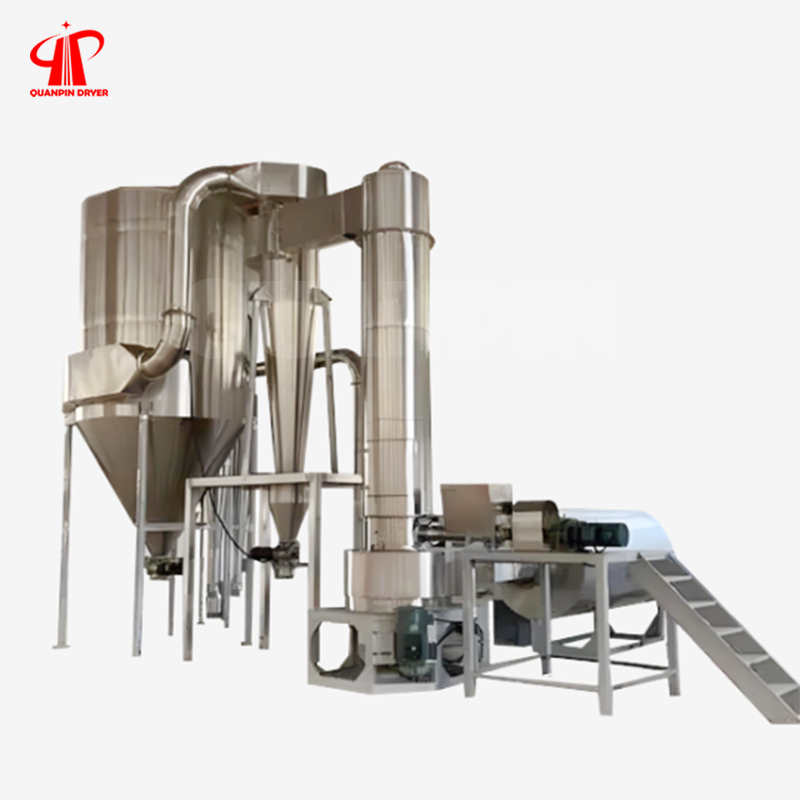
Selected feeding arrangement
The selected feeding arrangement presents that material to the confirmed process.
Mechanical dispersion
In the XSG route, mechanical dispersion exposes compatible wet material to moving hot air.
Drying and separation
The drying chamber and separation arrangement belong to the reviewed system configuration.
Alternative atomization scope
A proposed spray route requires separate confirmation of the feed and atomization arrangement appropriate to that material.
Preparation and collection interfaces
Any upstream preparation and downstream collection functions need their own confirmed scope.
Interpreting a Like-for-Like Feed Comparison
Define the Actual Material
Chemical powder drying equipment should be selected around the actual material and required product rather than a generic preference for one dryer family.
For powder drying comparisons, preserve differences in material preparation instead of attributing every result to the final drying stage.
A suitable feed description includes available information on consistency, moisture-related properties, material behavior and relevant limitations without guessing missing values.
Preserve the Relevant Boundary
An engineer may need a representative material review before confirming the proposed feeding and drying arrangement.
A route comparison should state whether the tested feed was the original cake or a material prepared through additional operations.
Product acceptance should identify the collected powder and the actual application tests used.
State the Evidence Limits
Industrial drying equipment proposals should distinguish confirmed functions from accessories or preparation duties supplied by others.
Material hazards, exposure control and potentially applicable site requirements remain separate review responsibilities for the actual process.
A complete comparison explains what each proposed route is being asked to process and what evidence supports the claimed material compatibility.
Benefits and Limits of the Physical Feed Description
Describing the physical feed can prevent unlike process proposals from appearing directly equivalent. Review the actual material hazard information before defining the pigment duty. See HSE safety data sheets.
It can expose an omitted preparation stage or a mismatch between the material supplied and the feed assumed in a quotation. Keep chemical classification, labels and material safety information appropriate to the actual pigment. See HSE chemical classification resources.
It cannot establish that every cake, paste or liquid formulation is suitable for either route. Identify potentially applicable site requirements independently from powder-quality acceptance. See EPA chemical-production emissions resources.
Representative application information and confirmed engineering scope are needed for the actual pigment and required powder.
Pigment, Preparation and Supply-Scope Records
Record the pigment identity and physical form supplied.
Describe preparation before delivery to the proposed dryer.
Records, Handling and Safety Requirements
Preserve the actual basis of available material-property information.
Identify additional preparation proposed for an alternative route.
State the required powder attributes and collection boundary.
Assign responsibility for feed preparation, drying and receiving interfaces.
Relevant material hazards and safe handling need assessment for each actual proposed process.
Changing a feed form or adding preparation equipment should not bypass the responsible technical and site-safety review. Workplace extraction needs its own design and assessment. See HSE local exhaust ventilation resources.
Prepare the Pigment Feed-Route Enquiry
Compare spin flash dryer price proposals only after the actual feed and complete preparation scope are aligned.
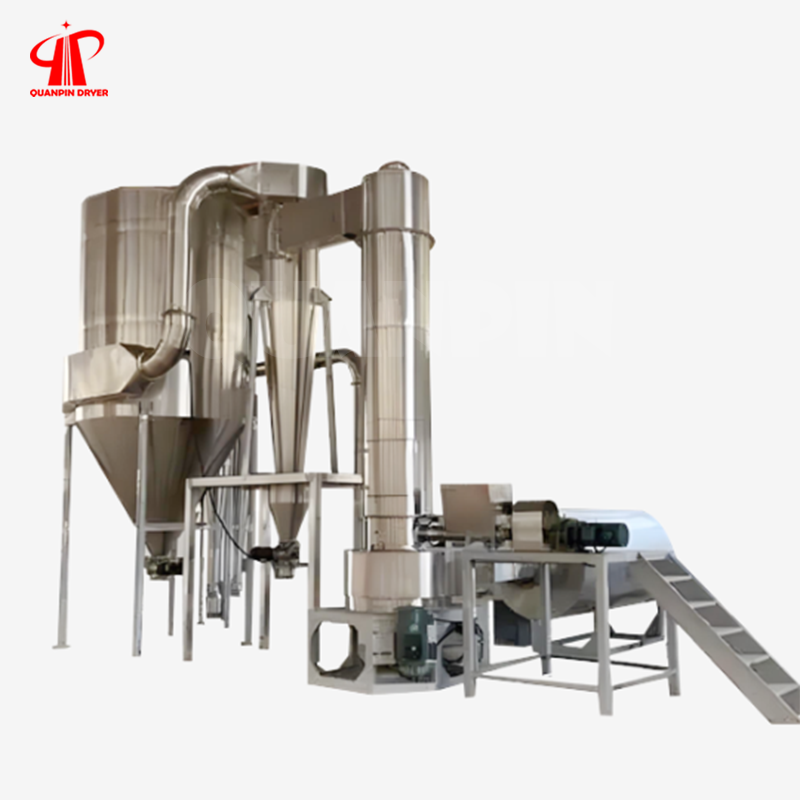
Ask QUANPIN to identify the confirmed material and equipment requirements for the proposed XSG duty rather than infer them from another dryer route. Assess relevant combustible-dust hazards using the actual pigment and process. See HSE dangerous substances and combustible dust guidance.
Evidence and Limits after Preparation Changes
Retain route-specific feed descriptions with the representative trial configurations and product observations.
If preparation changes, review which earlier material and product evidence remains relevant before treating the alternatives as equivalent.
Frequently Asked Questions
Does a wet cake automatically suit atomization?
A wet cake or paste description does not automatically establish suitability for a spray-dryer atomizer.
Are mechanical dispersion and pressure spray the same route?
The XSG mechanical-dispersion route and a pressure-spray route have different feed and equipment questions.
Should conditioning remain visible?
A proposed conditioning stage should remain visible instead of being silently attributed to the dryer.
Is a slurry label a complete material specification?
A general slurry label is not a complete specification of the actual material.
Does selection replace product or safety assessment?
Equipment selection does not replace product acceptance or the site’s relevant safety assessment.
What should the pigment enquiry identify?
The enquiry should identify the original pigment feed, proposed preparation, actual drying route and required finished-powder evidence.
Discuss Your Application with QUANPIN
Discuss the confirmed XSG Rotating Flash Dryer application with QUANPIN. Use the enquiry form or the contact page to describe your project.
Email sales@qpdryer.com or stacie@qpdryer.com. Call +86 19850785582, or contact us on WhatsApp: +86 15921493205.
For process evaluation, consider the spin flash dryer manufacturer for rapid contact between suitable dispersed feed and drying air; and the hollow paddle dryer for indirect heat transfer to suitable wet solids. Confirm suitability with representative material, the required product properties and the proposed process conditions.