KZL Granulator-Crusher: Clarify Processing-Screen Designations and Opening Units
By QUANPIN
A processing-screen designation is not self-explanatory unless its terminology and units are understood. A KZL enquiry should preserve the confirmed component description rather than infer openings from a familiar label.
For the High-Speed Granulator/Crusher, distinguish equipment documentation from the actual granule measurements used for pharmaceutical product acceptance. See pharmaceutical applications.
Equipment Principle and Evidence Limits
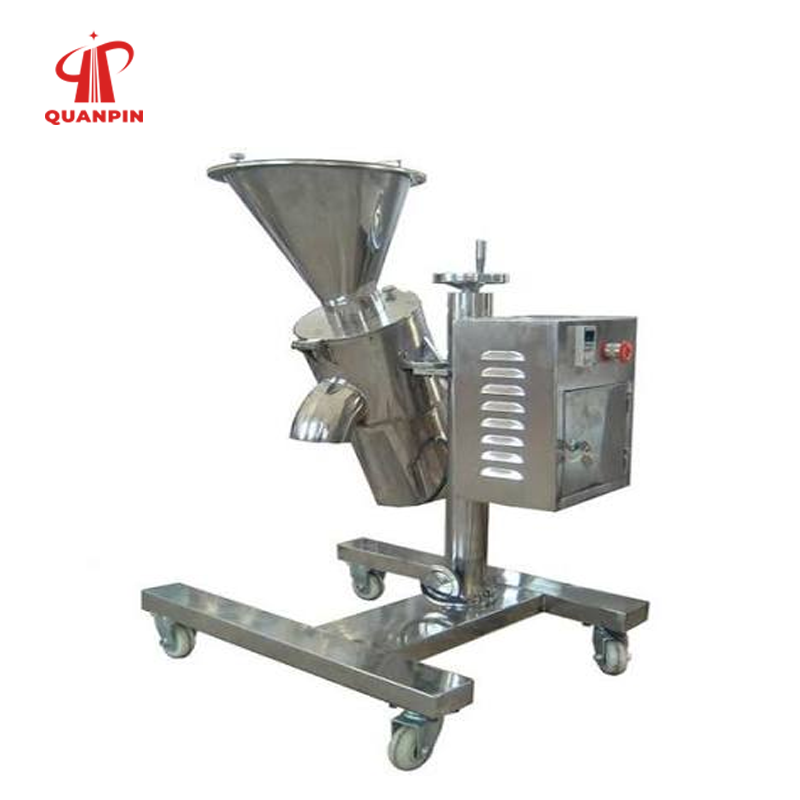
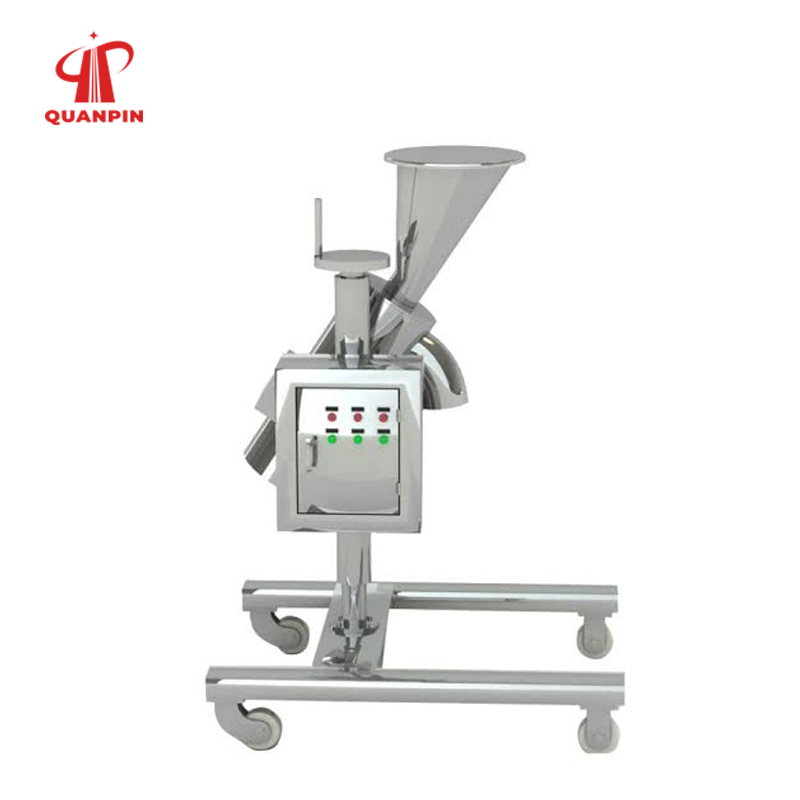
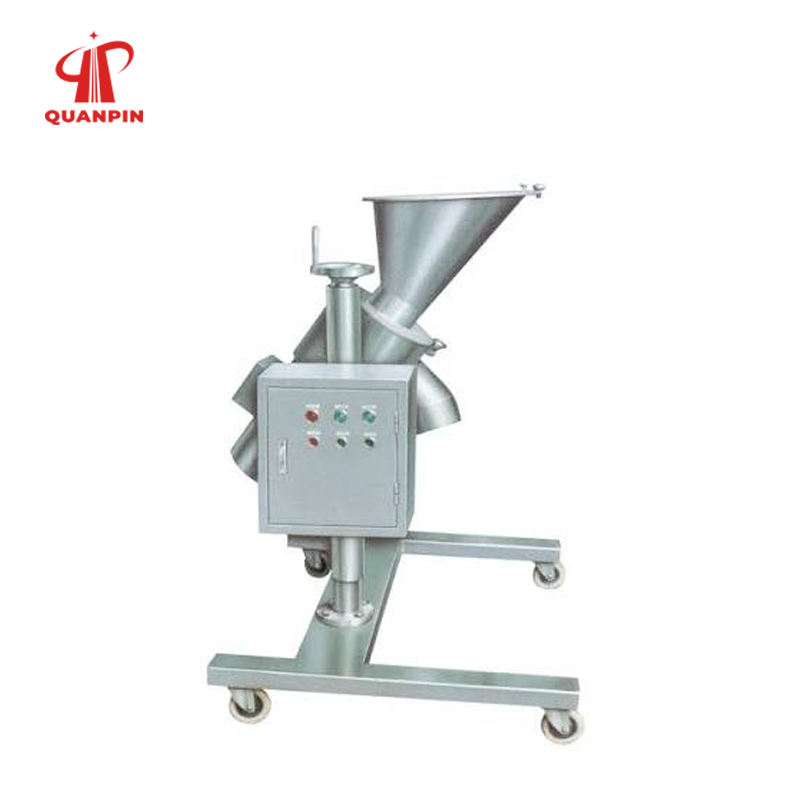
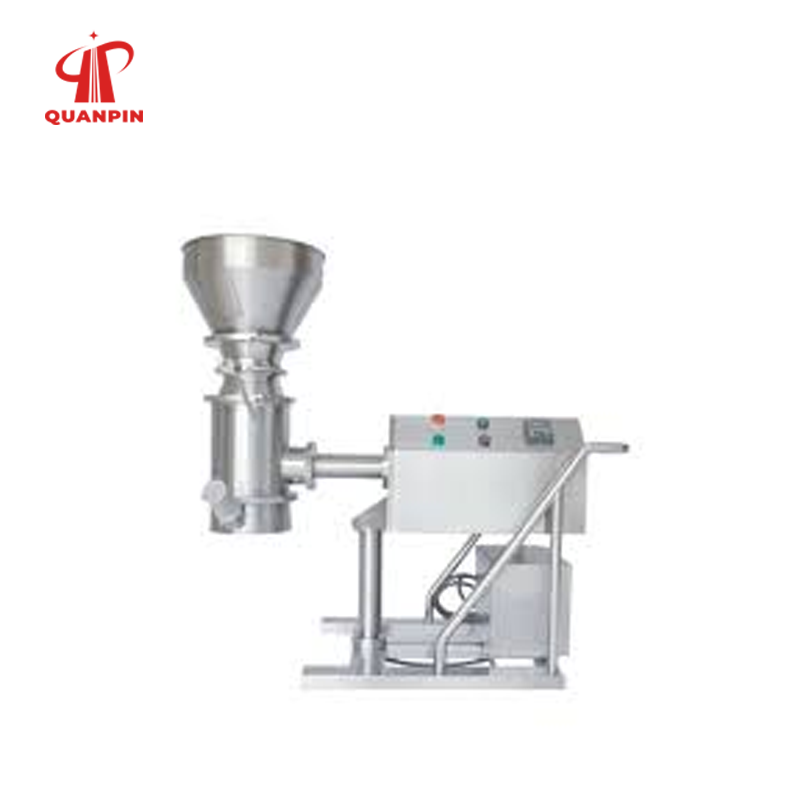
The KZL uses a working rotor and screen for compatible sizing duties.
The high speed granulator arrangement should be identified through confirmed component information, not a universal conversion assumed from an informal screen name. Use product-specific development knowledge to justify the attributes being examined. See FDA ICH Q8 pharmaceutical development.
Clarify the Screen Description
Ask what the supplier’s designation refers to before comparing two proposed screens.
If units or descriptive terms are missing, retain the uncertainty rather than supplying a plausible-looking dimension.
Five Steps for a Traceable Comparison
Identify the machine and screen
Identify the actual machine and fitted screen reference.
Preserve original designation and units
Preserve the supplier’s original designation and units.
Clarify ambiguous terminology
Clarify any ambiguous term with the responsible supplier.
Describe the sizing duty
Describe the material and intended sizing duty.
Separate component and product evidence
Keep component details separate from the measured product result.
Separate the Four Relevant Records
A designation may be part of a supplier’s documented component reference.
A dimension requires an identified feature and its stated units.
An informal screen label may omit information needed for compatibility review.
A granule-size report describes the examined material through its actual analytical method.
Equipment and Evidence Interfaces
Granule feed
The feed arrangement identifies the granules presented to the working assembly.
Working rotor
The rotor provides the configured mechanical sizing action.
Fitted processing screen
The fitted screen is a physical component with its own documented identity.
Component documentation
The component record supports review of the proposed installation or replacement.
Collected granules
Collection establishes the material available for pharmaceutical assessment.
Analytical method
The analytical method establishes the product result rather than completing missing component information.
Interpret the Actual Results
Define the reference
For pharmaceutical granulation equipment, retain the screen reference attached to the configuration used for the trial.
Do not replace an unfamiliar designation with an assumed opening dimension in a later report.
If a unit conversion is appropriate, preserve the original value, units and feature being described.
Preserve the actual records
That arithmetic should not be used to invent construction or fitting details absent from the original documentation.
A pharmaceutical granulator family name does not prove that similarly labelled components are interchangeable.
For a wet granulation route, identify the actual material state at the sizing stage as part of the application description.
Review the application evidence
Clarify whether a proposed change concerns documented opening information, another component attribute or unresolved terminology.
The customer’s product specification remains a separate requirement requiring appropriate material evidence.
A component drawing cannot establish the complete outlet distribution of an untested formulation.
Benefits and Limits of the Review
Clear terminology can prevent two parties from comparing unlike screen descriptions as though they were the same specification.
It can also expose missing units before an unverified component is ordered. A development comparison should not be presented as complete validation of an untested production process. See FDA process validation guidance.
The review does not prescribe one screen designation or opening for every pharmaceutical duty.
The actual material, confirmed assembly and product requirements determine what information the application review needs.
Identify the Material and Method
Record the machine identity and current configuration.
Preserve the complete component reference and available documentation. Assess relevant quality risks using the actual material and process context. See FDA ICH Q9 quality risk management.
Records, Handling and Safe Access
State which feature each reported dimension describes.
Retain the original units and identify unresolved terms.
Describe the actual feed condition and intended sizing role.
Keep product analytical methods separate from the screen’s construction description. Interpret measurements through process understanding rather than treating an isolated instrument reading as product acceptance. See FDA process analytical technology framework.
Screen inspection or installation must follow approved isolation and safe-access procedures.
A need to verify a label does not justify access to an energized working assembly.
Provide QUANPIN with the Application Scope
Send QUANPIN the original screen description and the specific terminology question.
Include the actual machine and material duty rather than requesting an assumed equivalent from a generic name.
Preserve the Evidence and Its Limits
Retain the supplier’s confirmed clarification with the final component record.
Use that record when linking the fitted configuration to subsequent pharmaceutical product observations. Retain knowledge and manage adopted process changes through the pharmaceutical quality system. See FDA ICH Q10 pharmaceutical quality system.
Frequently Asked Questions
Is a screen designation universally interpretable?
A screen designation needs its actual documentation and cannot be interpreted universally from its name.
What does a reported dimension need?
A dimension without units or an identified feature remains incomplete information.
Can unit conversion supply missing compatibility details?
A unit conversion cannot supply missing construction or compatibility details.
Are similarly named screens interchangeable?
A similarly named screen is not automatically an interchangeable component.
Does a component dimension establish product distribution?
The product distribution still needs the formulation’s appropriate analytical evidence.
What should the screen-description enquiry identify?
The enquiry should identify machine, screen reference, original units, material state and unresolved terminology.
Discuss the Confirmed Application with QUANPIN
Discuss the confirmed KZL High-Speed Granulator/Crusher application with QUANPIN. Use the enquiry form or the contact page to describe your project.
Email sales@qpdryer.com or stacie@qpdryer.com. Call +86 19850785582, or contact us on WhatsApp: +86 15921493205.