Pharmaceutical Pulverizer Unit: Separate Motor Rating from Recorded Electrical Load
By QUANPIN
A motor’s rated value and a recorded electrical load describe different things. A pharmaceutical pulverizer review should identify which quantity appears in an equipment comparison.
A pulverizer machine proposal should not be presented as measured electricity consumption solely because the installed motor rating is known. See pharmaceutical applications.
Equipment Principle and Evidence Limits
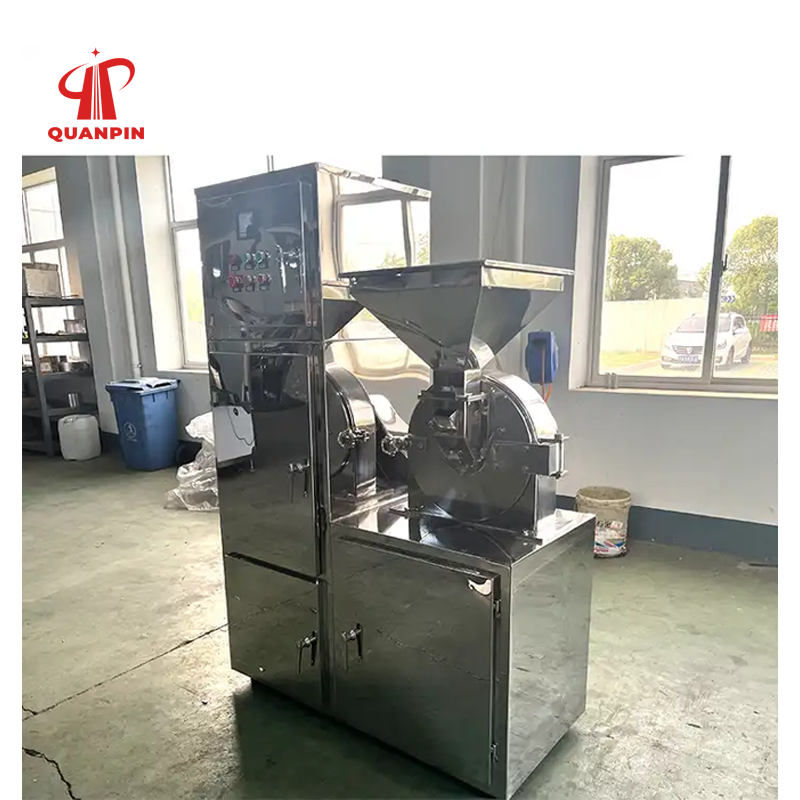
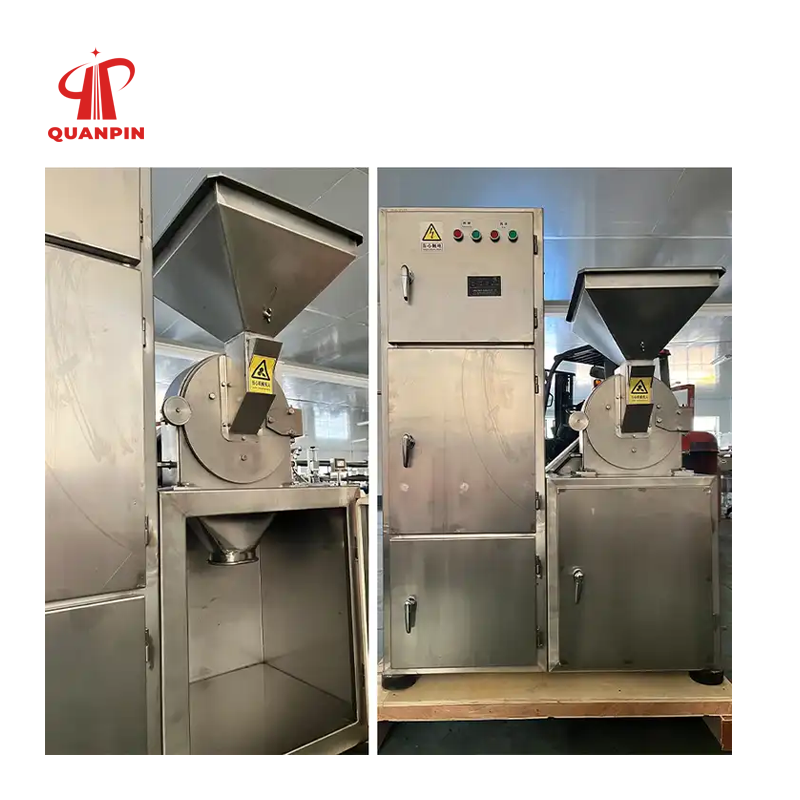
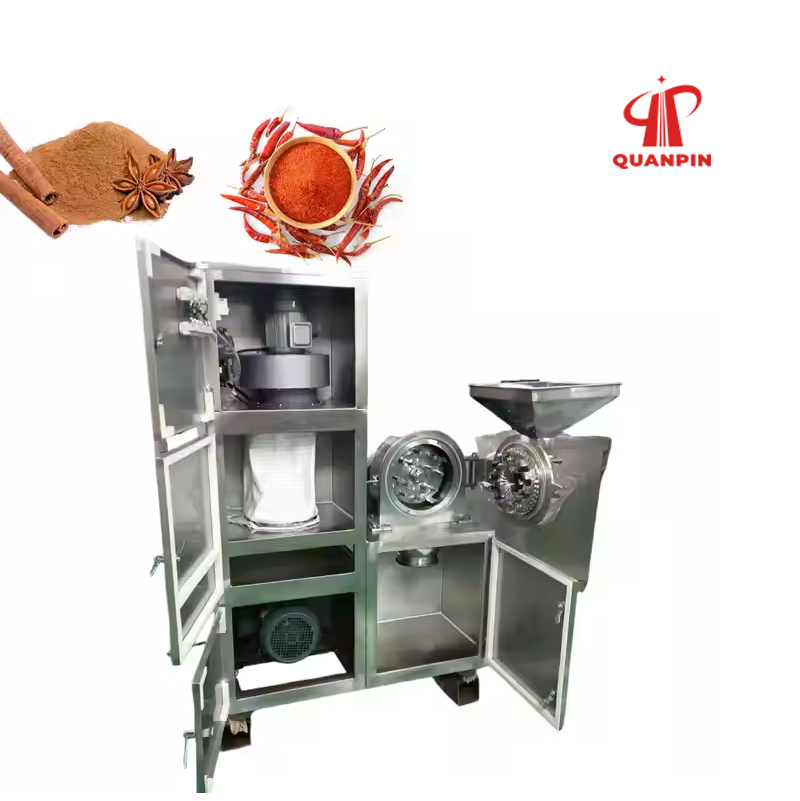
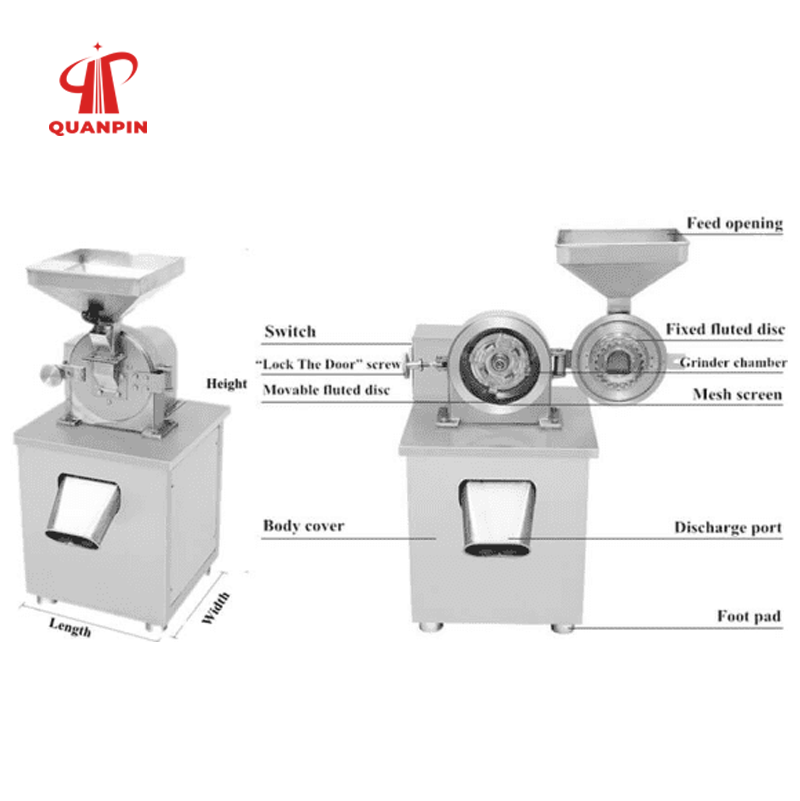
The verified unit combines mechanical size reduction with conveying and powder collection for compatible feeds.
A universal pulverizer description does not establish the measured electrical behavior of every configured installation and material duty. Use product-specific development knowledge to justify the attributes being examined. See FDA ICH Q8 pharmaceutical development.
Define the Electrical-Information Boundary
Define whether the enquiry concerns installed equipment information, an observed electrical reading or consumption over a stated interval.
Keep those records separate before relating them to collected or accepted powder.
Five Steps for a Traceable Comparison
Identify equipment and material duty
Identify the configured equipment and actual material duty.
Preserve component rating information
Preserve the motor or component information as supplied.
Describe the measured quantity
Describe what electrical quantity was actually recorded.
Define equipment and interval
Define the measured equipment and observation interval.
Interpret the stated boundary
Interpret the result only within that documented boundary.
Separate the Four Relevant Records
A motor rating belongs to a stated component or equipment description. For the pharmaceutical application, review how incomplete or inapplicable measurement information could affect the quality decision. FDA ICH Q9 provides a quality-risk-management framework; it is not a motor-performance specification. See FDA ICH Q9 quality risk management.
An electrical reading is an observation obtained through its actual measurement arrangement.
An energy quantity requires its own stated measurement and interval.
An accepted-output comparison also needs the material amount and acceptance basis represented.
Equipment and Evidence Interfaces
Feed duty
The feed identifies the actual material processed during the observation.
Grinding assembly
The grinding assembly belongs to the configured mechanical duty.
Conveying and collection equipment
Conveying and collection equipment may introduce additional electrical equipment within the installation.
Controls and measurement
Controls and measurement provisions define which information is available.
Powder-accounting boundary
The collection boundary establishes the powder quantity to which a comparison might refer.
Analytical acceptance record
The analytical acceptance record distinguishes collected material from product meeting the defined requirement.
Interpret the Actual Results
Define the reference
For an industrial pulverizer, state whether an electrical record covers one component or a wider connected arrangement. The U.S. Department of Energy guide distinguishes measured input power from full-rated input when evaluating motor load; a nameplate rating alone is not a record of actual electricity consumption. See U.S. Department of Energy motor-load guidance.
Do not describe a motor-only observation as the complete installation’s measured consumption.
Preserve the actual instrument quantity and reporting basis instead of changing its label for convenience.
Preserve the actual records
A powder grinding machine comparison should identify whether operation, setup or another interval was observed.
If accepted powder is used in an efficiency discussion, preserve the required product specification and measured output boundary.
Different fineness requirements or collection scopes should remain visible rather than treated as identical work.
Review the application evidence
An industrial pulverizer price quotation answers a supply question, not a measurement question about actual electricity use.
Likewise, a recorded value from one development run does not establish every untested material or operating condition.
Any derived comparison should retain the underlying equipment, interval, measured quantity and product evidence.
Benefits and Limits of the Review
Separating the records can prevent a component label from becoming an unsupported consumption guarantee.
It can also reveal a comparison that omitted conveying, collection or other included equipment. A development comparison should not be presented as complete validation of an untested production process. See FDA process validation guidance.
The distinction does not provide a universal energy figure or a conversion from motor rating to actual consumption.
Project-specific observations and appropriate engineering interpretation are needed for the actual installation.
Identify the Material and Method
Record the feed and the required powder specification.
Identify the configured components and available motor information.
Records, Handling and Safe Access
State the electrical quantity and measurement arrangement actually used.
Define the equipment boundary and observation interval.
Preserve collected and accepted material records separately where relevant.
Keep missing readings or unconfirmed scope visible rather than supplying estimates as measured facts.
Electrical information and measurements require the responsible engineering review and applicable safe procedures.
A need for another reading does not authorize access to energized panels or unapproved changes to equipment.
Provide QUANPIN with the Application Scope
Send QUANPIN the component information and the actual measurement question.
Identify which equipment is included and how the material and operating scope relate to the recorded observation.
Preserve the Evidence and Its Limits
Retain the original records when discussing a proposed comparison.
Do not expand a development observation into an installation-wide or universal energy-performance promise. Retain knowledge and manage adopted process changes through the pharmaceutical quality system. See FDA ICH Q10 pharmaceutical quality system.
Frequently Asked Questions
Does motor rating establish consumption?
A rated motor value does not establish actual measured electricity consumption.
What does an electrical reading represent?
An electrical reading should retain the quantity and method it actually represents.
Does one component measurement cover the system?
A measurement of one component does not automatically cover the full connected system.
What does an accepted-output comparison need?
Comparisons involving accepted output need the actual product requirement and material-accounting boundary.
Does a quotation establish energy performance?
A quotation cannot establish an unmeasured installation’s energy performance.
What should the electrical enquiry distinguish?
The enquiry should distinguish rating, measurement, interval, component scope and the pharmaceutical powder duty.
Discuss the Confirmed Application with QUANPIN
Discuss the confirmed High-Efficiency Pulverizer Unit application with QUANPIN. Use the enquiry form or the contact page to describe your project.
Email sales@qpdryer.com or stacie@qpdryer.com. Call +86 19850785582, or contact us on WhatsApp: +86 15921493205.