KZL Granulator-Crusher: Treat Fines Reintroduction as a Separate Pharmaceutical Process Decision
By QUANPIN
Fines collected during pharmaceutical granule sizing are not automatically authorized material for reintroduction. Their handling requires a separate formulation and process decision.
A KZL High-Speed Granulator/Crusher study should distinguish the generation and identification of fines from permission to return them to a batch. See pharmaceutical applications.
Equipment Principle and Evidence Limits
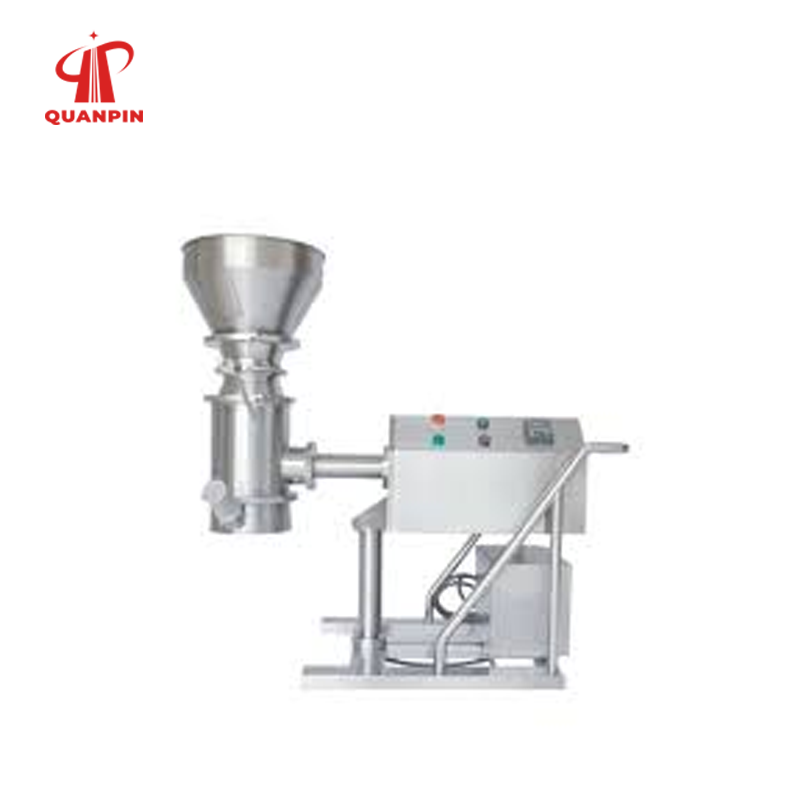
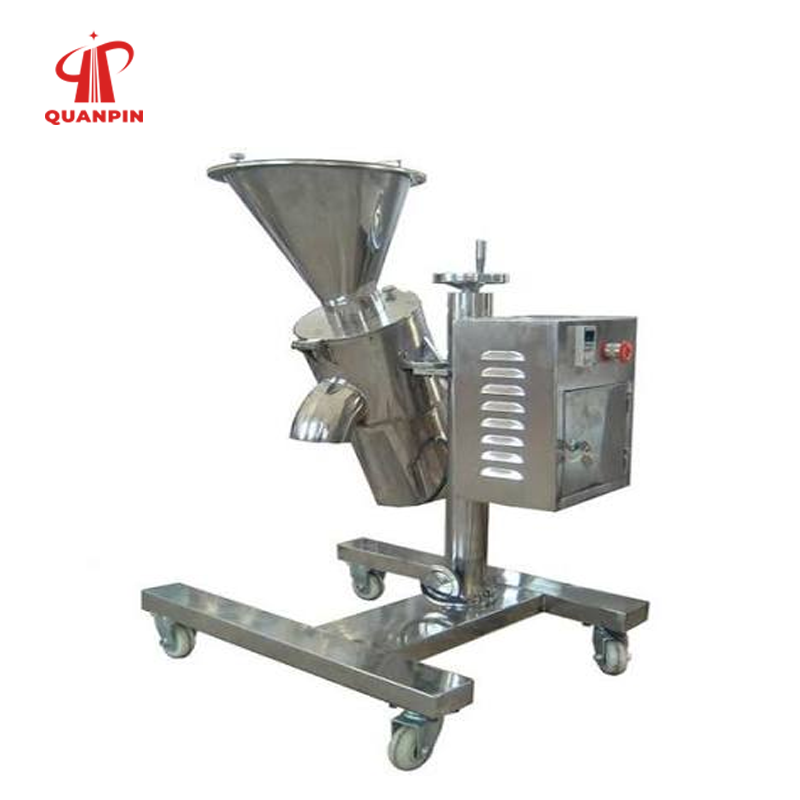
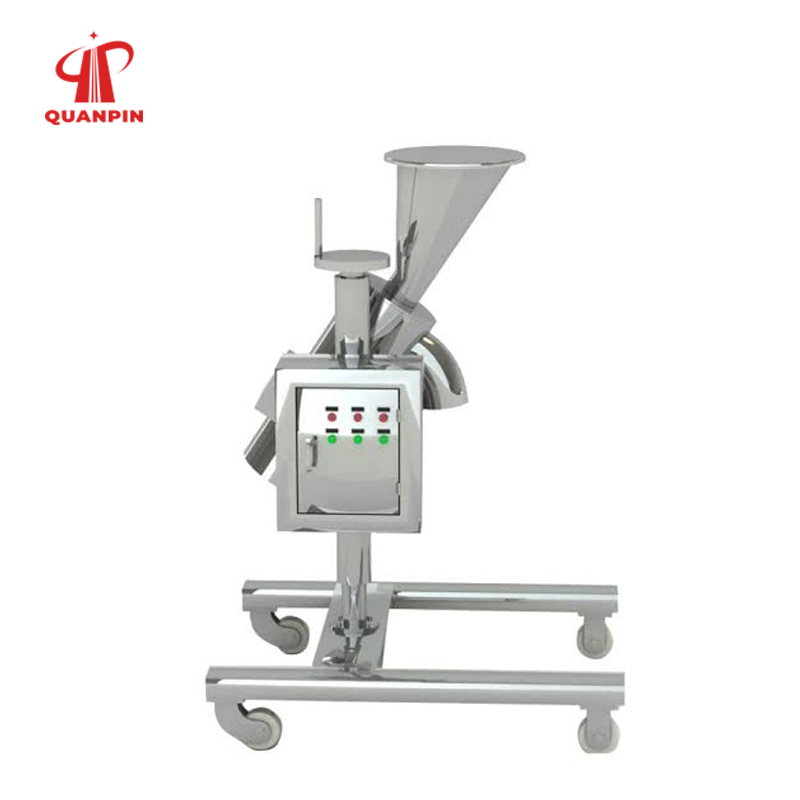
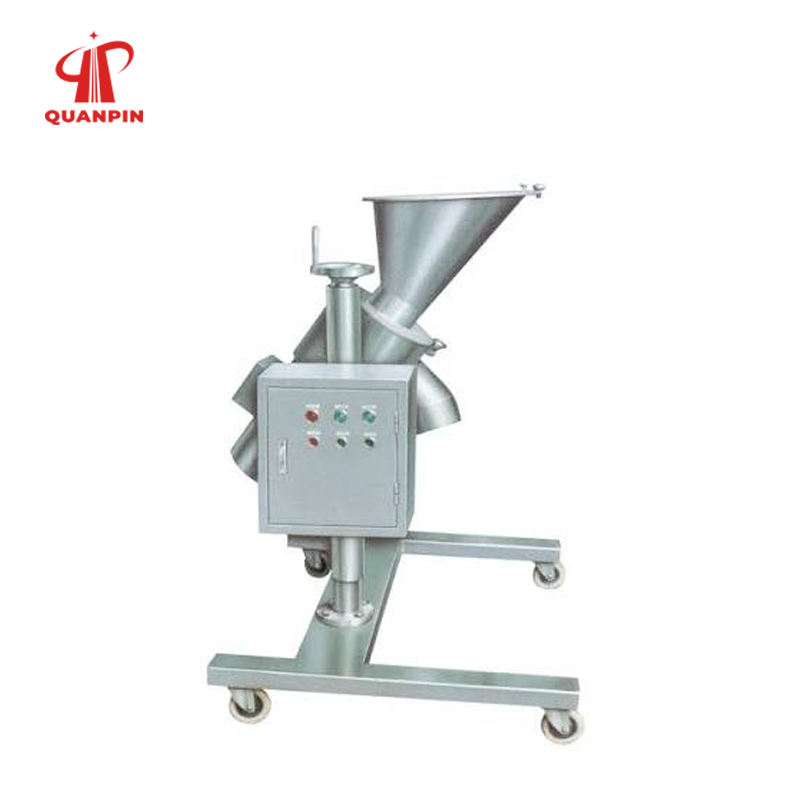
The KZL uses a working rotor and screen for compatible sizing duties.
A high speed granulator description does not establish which collected fractions are acceptable for a particular manufacturing route. Use product-specific development knowledge to justify the attributes being examined. See FDA ICH Q8 pharmaceutical development.
Define the Fraction and Proposed Return
Define how fines are identified and which process boundary the material represents.
Then preserve the relevant product evidence and status without assuming that material from the same product name can always be recombined.
Five Steps for a Traceable Comparison
Identify formulation and sizing stage
Identify the formulation and sizing stage.
Define the fines fraction
Define the fines fraction using its actual assessment method.
Preserve fraction identity and status
Preserve collection identity and material status.
Describe the proposed return point
Describe any proposed return point as a separate process proposal.
Review the authorized decision
Review the evidence and authorized decision for that actual proposal.
Separate the Four Relevant Records
A fines description depends on a stated test or separation basis.
A collection container identifies where material was gathered, rather than automatically qualifying its contents for reuse.
A material-status decision describes what may happen to the identified fraction.
A proposed reintroduction step changes the process description and should not disappear into a recovery total.
Equipment and Evidence Interfaces
Incoming granules
The incoming feed establishes the granules entering the KZL operation.
Working rotor
The working rotor supplies the configured mechanical action.
Fitted process screen
The fitted screen belongs to the actual processing configuration.
Fraction collection
Collection identifies the fractions available for assessment.
Analytical assessment
Analytical methods determine the properties represented by the fines description.
Proposed return point
The proposed receiving or return point establishes where an additional material input would enter the route.
Interpret the Actual Results
Define the comparison
For pharmaceutical granulation equipment, preserve the relationship between each collected fraction and the batch or development run that produced it.
A pharmaceutical granulator cannot establish a customer’s material-disposition rules through its equipment name.
Describe whether fines were collected directly after sizing or after another handling operation.
Preserve actual sample history
Do not infer composition, suitability or an acceptance status from fine appearance alone.
In a wet granulation route, identify whether the proposed return is before or after drying or another material-changing stage.
A proposal involving a different return point should remain distinct from the process actually studied.
Review the application evidence
Keep the amount and identity of proposed returned material separate from fresh feed where those records are relevant.
A favorable result from the original batch does not automatically establish the acceptability of an untested reintroduction route.
The appropriate pharmaceutical review should decide what evidence is needed and what the material’s authorized disposition is.
Benefits and Limits of the Review
Separating the proposal from the sizing observation makes the original equipment result easier to interpret.
It can also prevent a recovery calculation from implying a reuse decision that was never made. A development comparison should not be presented as complete validation of an untested production process. See FDA process validation guidance.
The distinction does not prescribe a universal rework percentage or approve a particular reintroduction method.
The actual formulation, material history and applicable quality process determine the required review.
Identify the Material and Method
Record the original batch or development identity.
Describe the sizing configuration and collection boundary. Assess relevant quality risks using the actual material and process context. See FDA ICH Q9 quality risk management.
Records, Handling and Safe Access
Preserve the method used to define or assess the fines.
Identify handling and storage before any further proposed use.
State the proposed return location without treating it as an existing equipment function.
Retain the relevant assessment and authorized material-status decision. Interpret measurements through process understanding rather than treating an isolated instrument reading as product acceptance. See FDA process analytical technology framework.
Collecting, labelling or transferring fines must follow the applicable safe operating and material-control procedures.
A proposal to recover material does not authorize access to the working rotor or an unapproved return connection.
Provide QUANPIN with the Application Scope
Send QUANPIN the actual sizing duty and fraction-collection question when reviewing the equipment.
Keep the customer’s formulation and material-disposition decision separate from any proposed physical connection requiring engineering confirmation.
Preserve the Evidence and Its Limits
Retain the original sizing results even if a later development study examines a return route.
Identify that later study as its own process evidence rather than rewriting the original run. Retain knowledge and manage adopted process changes through the pharmaceutical quality system. See FDA ICH Q10 pharmaceutical quality system.
Frequently Asked Questions
Are collected fines automatically approved for return?
Fine material is not automatically approved for reintroduction merely because it came from the same named product.
How should the fines fraction be identified?
A fines fraction needs an identifiable assessment basis and collection history.
Does KZL sizing authorize material reuse?
The KZL configuration describes a sizing operation rather than a universal material-reuse authorization.
Does the return point affect the review?
A different return point creates another process question that requires its own review.
Is one allowable return percentage established?
No universal allowable fraction or rework limit is established here.
What should the fines enquiry distinguish?
The enquiry should distinguish sizing, fraction identity, proposed receiving point, equipment scope and authorized material disposition.
Discuss the Confirmed Application with QUANPIN
Discuss the confirmed KZL High-Speed Granulator/Crusher application with QUANPIN. Use the enquiry form or the contact page to describe your project.
Email sales@qpdryer.com or stacie@qpdryer.com. Call +86 19850785582, or contact us on WhatsApp: +86 15921493205.