Pharmaceutical Pulverizer Unit: Review Actual Grindability beyond a Generic Hardness Description
By QUANPIN
A generic hardness description is not a complete grindability assessment for a pharmaceutical feed. Evaluate the actual material and required powder instead of selecting a pulverizer from one adjective.
A pulverizer machine enquiry should distinguish known material observations from assumptions about how that feed will respond to the proposed operation. See pharmaceutical applications.
Equipment Principle and Evidence Limits
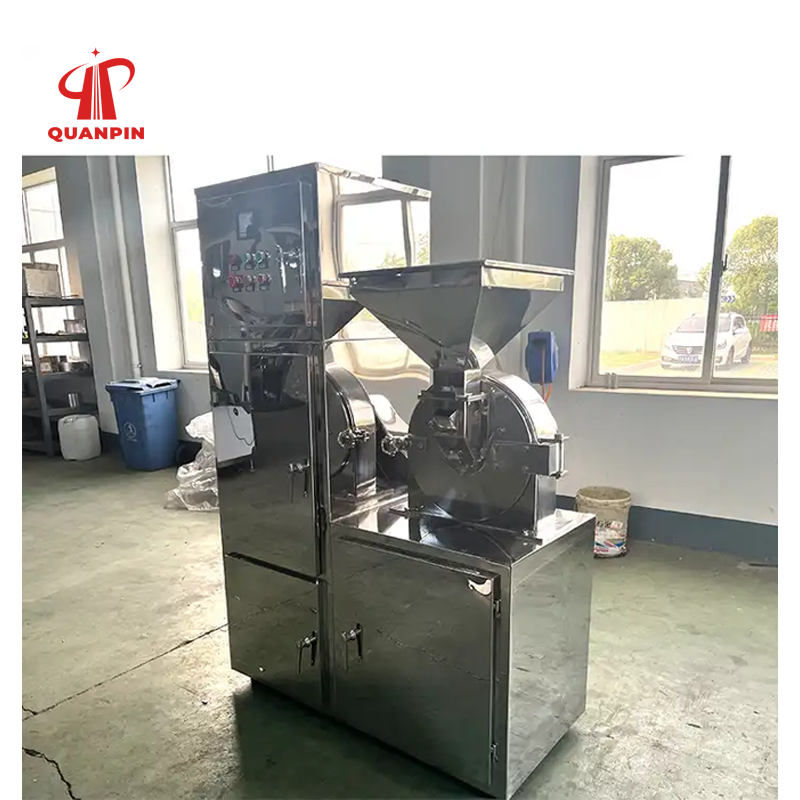
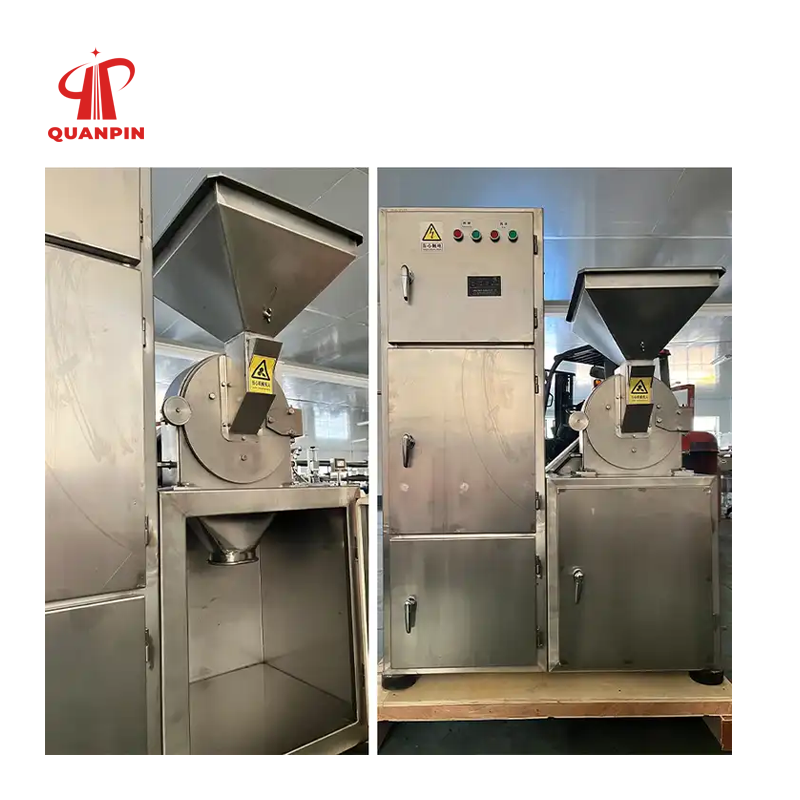
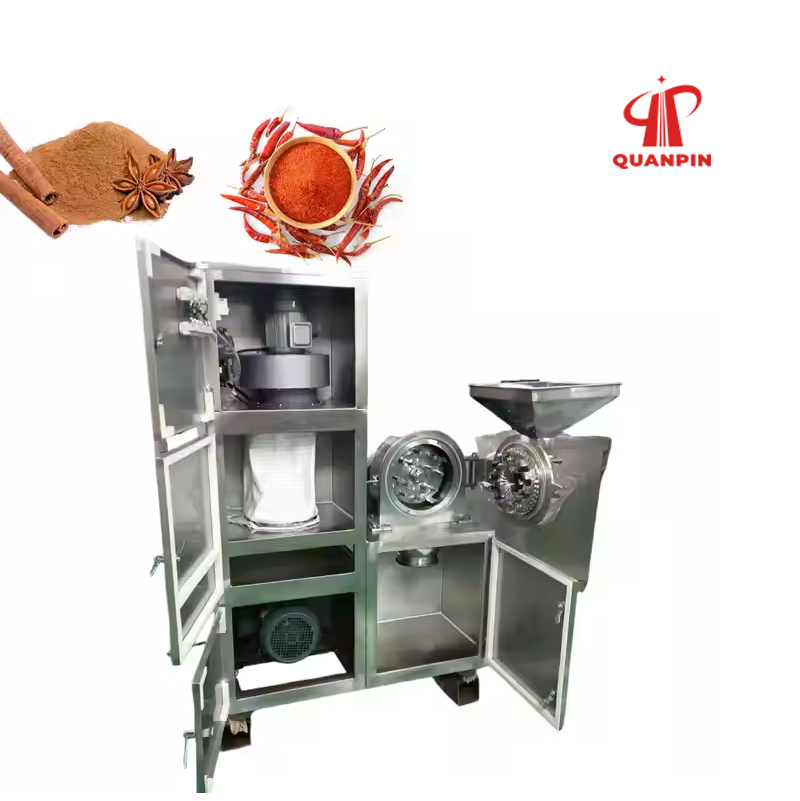
The verified QUANPIN unit combines mechanical size reduction with conveying and powder collection for compatible feeds.
A universal pulverizer description does not establish suitability for every material described as hard, soft or brittle. Use product-specific development knowledge to justify the attributes being examined. See FDA ICH Q8 pharmaceutical development.
Define the Actual Grindability Duty
Define the required product and the actual condition of the supplied feed before proposing a representative comparison.
A generic material category can help frame questions, but it should not replace evidence for the formulation and equipment being reviewed.
Five Steps for a Traceable Comparison
Identify the actual feed
Identify the actual material and its preparation history.
Describe known physical properties
Describe the physical observations and measured properties available.
State the required powder
State the required powder attributes and analytical methods.
Review the configured operation
Review the proposed grinding and collection configuration.
Assess representative results
Assess representative results without generalizing beyond the tested duty.
Separate the Four Relevant Records
A hardness statement concerns a particular material description or test basis.
Grindability concerns the feed’s response to a defined size-reduction operation and its required result.
Handling observations such as lumping or poor feeding describe another part of the duty.
A final powder result also depends on which material was collected and how it was assessed.
Equipment and Evidence Interfaces
Feed presentation
Feed presentation establishes how the material enters the reviewed process.
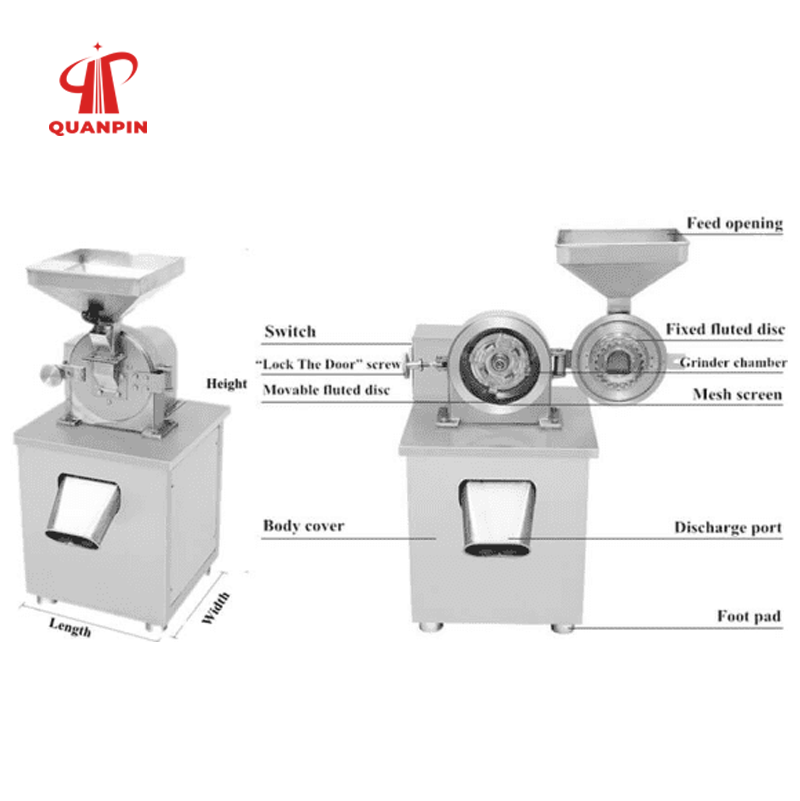
Grinding chamber
The grinding chamber supplies the configured mechanical action.
Conveying arrangement
Conveying links the grinding stage to the proposed collection arrangement.
Powder collection
Collection determines which powder is available for product assessment.
Sampling boundary
Sampling defines the material represented by the analytical report.
Receiving process
The receiving process establishes what the required powder must support next.
Interpret the Actual Results
Define the comparison
An industrial pulverizer trial should preserve the actual feed identity rather than substitute another material with a similar generic hardness description.
Describe whether preparation, storage or conditioning occurred before the trial material was supplied.
Do not infer the outlet distribution from a description of the incoming material alone.
Preserve actual sample history
Keep measured temperature or other product observations identifiable if they are relevant to the study.
A powder grinding machine comparison should use the actual required powder acceptance basis.
A coarser accepted result and a finer accepted result are not automatically equivalent equipment duties.
Review the application evidence
Record unresolved properties explicitly instead of filling gaps with a value from another excipient.
An industrial pulverizer price quotation should identify the same feed, grinding scope and collection responsibilities before comparison.
The supplier can review a defined application without claiming universal suitability from a material-family label.
Benefits and Limits of the Review
A representative assessment can show whether the configured operation addresses the stated product question.
It can also identify a feed or handling issue that was hidden by a short material description. A development comparison should not be presented as complete validation of an untested production process. See FDA process validation guidance.
It does not establish every future material lot or an untested operating range.
Retain the actual results and limitations when discussing further development or a proposed production system.
Identify the Material and Method
Record the material identity and physical form supplied.
State the preparation history relevant to the actual feed. Assess relevant quality risks using the actual material and process context. See FDA ICH Q9 quality risk management.
Records, Handling and Safe Access
Distinguish measured properties from qualitative descriptions.
Define the required powder and the methods used to assess it.
Identify the configured grinding and collection boundary.
Preserve differences between the trial material and the proposed future duty. Interpret measurements through process understanding rather than treating an isolated instrument reading as product acceptance. See FDA process analytical technology framework.
Safe feeding and sampling depend on the installed equipment’s procedures and the actual material.
A grindability study does not replace review of dust, exposure, compatibility or mechanical-access requirements.
Provide QUANPIN with the Application Scope
Provide QUANPIN with the real feed description and the required outlet attributes.
Include representative evidence where available, and identify unmeasured properties rather than presenting assumptions as confirmed facts.
Preserve the Evidence and Its Limits
Ask for application review of the actual configuration and collection scope.
Keep any development finding tied to the material and acceptance basis that produced it. Retain knowledge and manage adopted process changes through the pharmaceutical quality system. See FDA ICH Q10 pharmaceutical quality system.
Frequently Asked Questions
Does hardness define the full milling duty?
A hardness description alone cannot establish the complete milling duty.
Are all lots in a material category equivalent?
A material category does not prove that every supplied lot has identical preparation or handling behavior.
Why define the required outlet powder?
The required outlet distribution belongs in the comparison alongside the incoming feed.
Can different acceptance targets be compared directly?
A result obtained for a different acceptance target should not silently be treated as like-for-like evidence.
What scope belongs in a price comparison?
Equipment price comparisons require an aligned material, process and collection scope.
What feed evidence should the enquiry include?
The enquiry should identify the actual feed, known properties, required powder, analytical basis and unresolved application questions.
Discuss the Confirmed Application with QUANPIN
Discuss the confirmed High-Efficiency Pulverizer Unit application with QUANPIN. Use the enquiry form or the contact page to describe your project.
Email sales@qpdryer.com or stacie@qpdryer.com. Call +86 19850785582, or contact us on WhatsApp: +86 15921493205.