WFJ Air Classifier Mill: Distinguish Particle Shape from Pharmaceutical Particle-Size Evidence
By QUANPIN
A particle-size result and a particle-shape observation describe different attributes of a pharmaceutical excipient. A WFJ trial should identify which evidence is required for the intended formulation.
An air classifier mill enquiry should not assume that two powders with similar reported sizes have identical morphology or downstream behavior. See pharmaceutical applications.
Equipment Principle and Evidence Limits
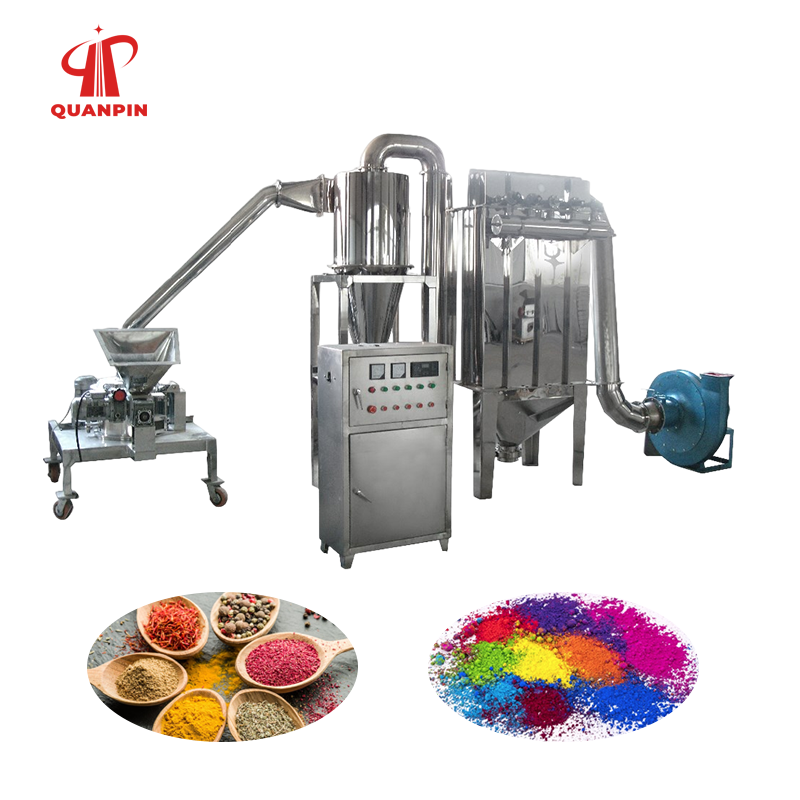
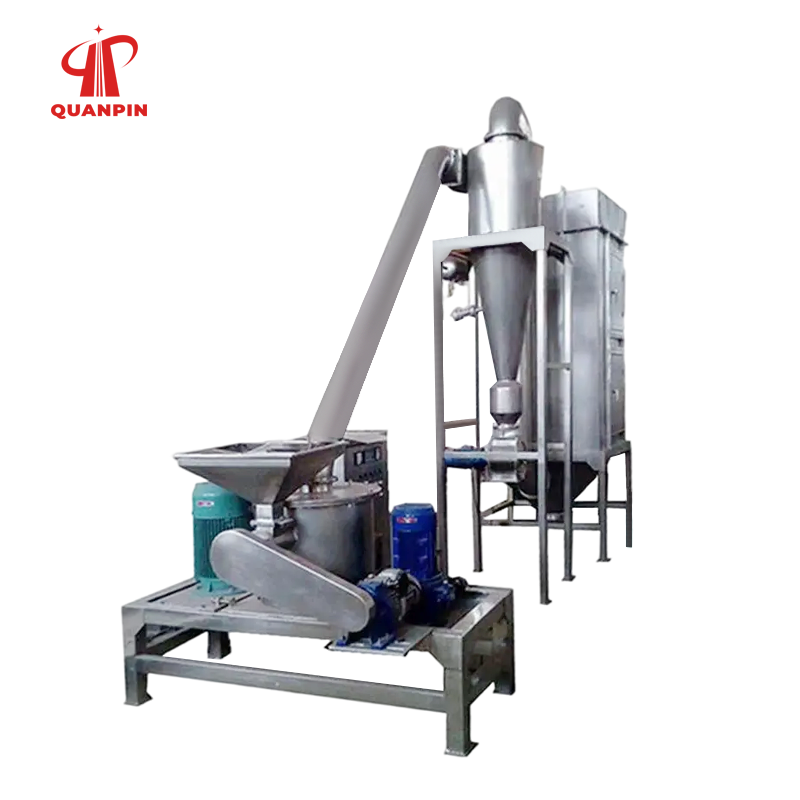
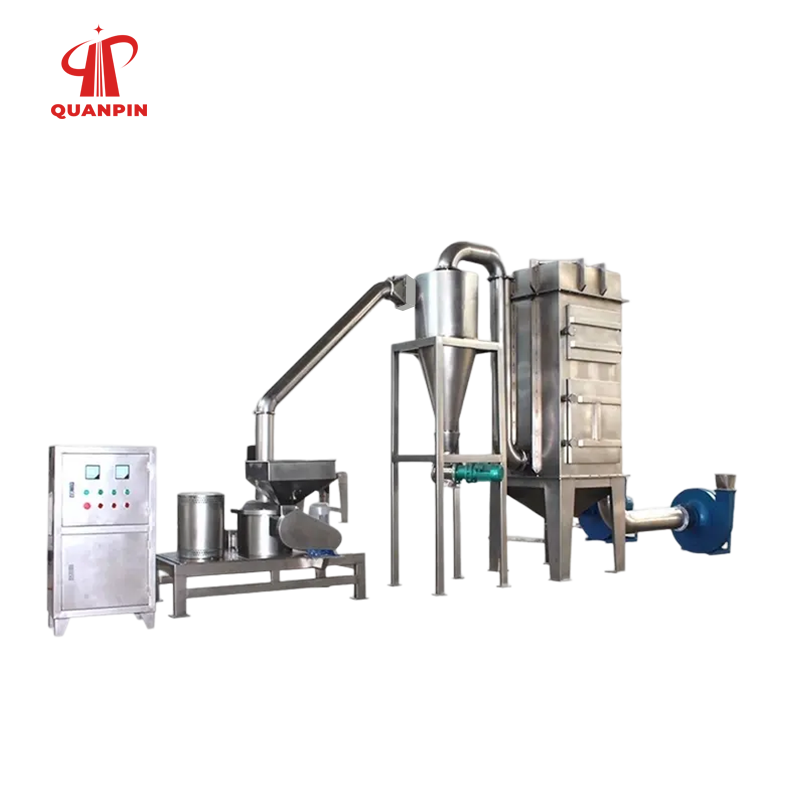
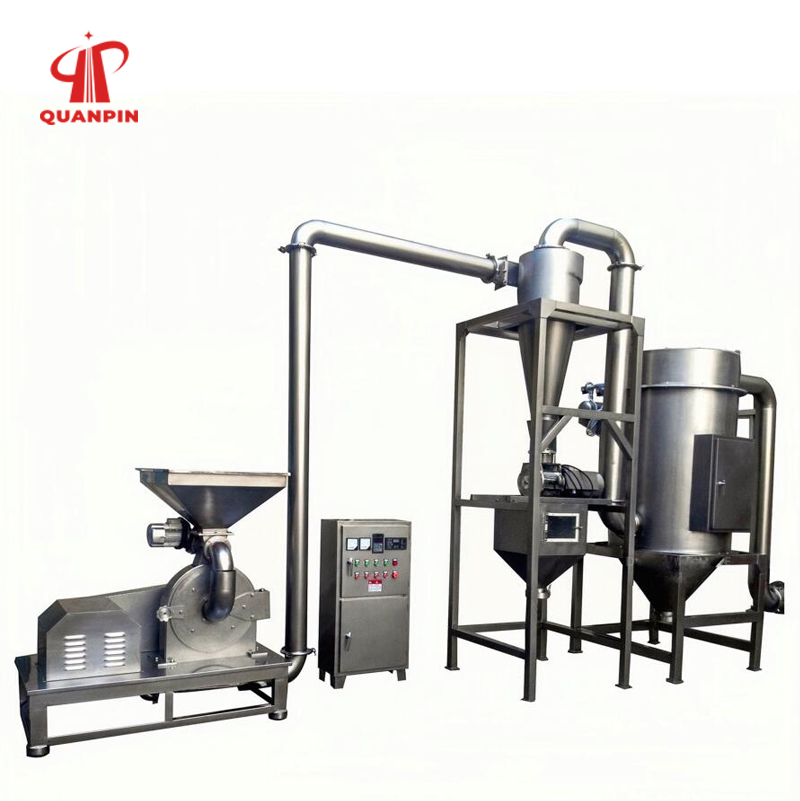
The WFJ combines mechanical grinding with classification for compatible dry feeds. Finer material reaches collection while oversize returns for further reduction.
That air classifying mill principle does not provide a universal particle shape or prove every excipient property from one size result. Use product-specific development knowledge to justify the attributes being examined. See FDA ICH Q8 pharmaceutical development.
Define the Size and Morphology Questions
State whether the development question concerns a measured distribution, a shape observation or their separate relevance to the formulation.
Keep the actual analytical methods identifiable before comparing descriptions such as fine, rounded or irregular.
Five Steps for a Traceable Comparison
Identify the excipient and intended use
Identify the excipient and its intended formulation use.
Describe the size evidence
Describe the size method and the observations actually reported.
Define the morphology assessment
Define the morphology question and how it will be examined.
Preserve sample identity
Preserve the identity of samples used for each assessment.
Interpret each attribute separately
Interpret each finding within the attribute and method it represents.
Separate the Four Relevant Records
A distribution describes results obtained through a particular particle-size method.
An image describes particles represented by the selected specimen and observation conditions.
A verbal shape category should identify its basis rather than stand for an undocumented quantitative result.
The product requirement determines which of these attributes matters to the actual receiving formulation.
Equipment and Evidence Interfaces
Incoming material
The feed establishes the original material and its preparation history.
Grinding arrangement
The grinding arrangement provides the mechanical treatment examined in the study.
Classification
Classification contributes separation within the confirmed process configuration.
Powder collection
Collection defines which powder supplied the test specimens.
Laboratory preparation
Laboratory preparation determines what material reaches each analytical or imaging method.
Receiving formulation
The receiving formulation provides the application question against which the findings are considered.
Interpret the Actual Results
Define the comparison
An ACM mill report should avoid treating a single size descriptor as a complete description of particle morphology.
If an image shows visible agglomerates, identify that observation without automatically describing every feature as a primary particle.
Explain whether specimen preparation could alter the condition displayed in the image.
Preserve actual sample history
Do not compare a prepared image specimen with an untreated bulk sample as though they were identical observations.
A fine powder grinder study should retain the connection between specimens used for size testing and morphology review.
Where different samples were used, explain their relationship to the collected material.
Review the application evidence
Similar reported distributions do not independently establish equal composition, flow or behavior in the intended formulation.
An industrial fine powder grinder proposal should describe the actual required attributes instead of promising a particular shape from its equipment name.
Any claimed application benefit requires the appropriate formulation evidence rather than an attractive micrograph alone.
Benefits and Limits of the Review
Separating the attributes can reveal that a specification question needs more information than a previously reported size value.
It can also help distinguish a measurement difference from an actual change in the powder. A development comparison should not be presented as complete validation of an untested production process. See FDA process validation guidance.
The review does not prescribe a universal shape target or a preferred analytical method for every excipient.
The actual material, product requirement and justified assessment determine which observations are useful.
Identify the Material and Method
Record the original material and preparation history.
Identify the collected fraction and equipment configuration represented. Assess relevant quality risks using the actual material and process context. See FDA ICH Q9 quality risk management.
Records, Handling and Safe Access
Preserve the size method and complete available distribution information.
Describe the imaging or morphology assessment and specimen preparation.
Keep qualitative descriptions separate from numerical results that were actually measured.
State which formulation question each result can and cannot support. Interpret measurements through process understanding rather than treating an isolated instrument reading as product acceptance. See FDA process analytical technology framework.
Collect material only through approved operating and safe-access procedures.
Handling fine pharmaceutical powder requires review of the actual material’s hazards and exposure-control needs.
Provide QUANPIN with the Application Scope
Send QUANPIN the excipient description and the distinct size and morphology requirements.
Include the existing methods, sample identities and intended receiving process when requesting an application review.
Preserve the Evidence and Its Limits
Retain the actual observations with their methods and the configuration that produced the powder.
Further development should address the unresolved attribute rather than infer it from a different measurement. Retain knowledge and manage adopted process changes through the pharmaceutical quality system. See FDA ICH Q10 pharmaceutical quality system.
Frequently Asked Questions
Does particle size establish particle shape?
A size distribution does not by itself establish particle shape.
What does an image represent?
An image represents its identified specimen and preparation, not automatically every particle in the collected batch.
Are agglomerates automatically primary particles?
Agglomerate appearance should be distinguished from an unverified statement about primary-particle morphology.
Do similar sizes establish equal formulation behavior?
Similar reported sizes cannot independently establish equal formulation behavior.
Does the model guarantee a particular morphology?
No universal morphology or application-performance guarantee follows from the WFJ family name.
What should the particle-evidence enquiry identify?
The enquiry should identify material, separate attribute requirements, methods, specimen history and intended formulation use.
Discuss the Confirmed Application with QUANPIN
Discuss the confirmed WFJ Air Classifier Mill application with QUANPIN. Use the enquiry form or the contact page to describe your project.
Email sales@qpdryer.com or stacie@qpdryer.com. Call +86 19850785582, or contact us on WhatsApp: +86 15921493205.