Pharmaceutical V Blender: Distinguish Discharge Sampling Order from Laboratory Analysis Order
By QUANPIN
Discharge order and laboratory analysis order are different sequences in a pharmaceutical blending study. Preserve both before interpreting a pattern in the reported results.
A pharmaceutical V blender review should connect each result to its actual process sample rather than infer collection history from the order of a laboratory table. See pharmaceutical applications.
Define the Evidence Question
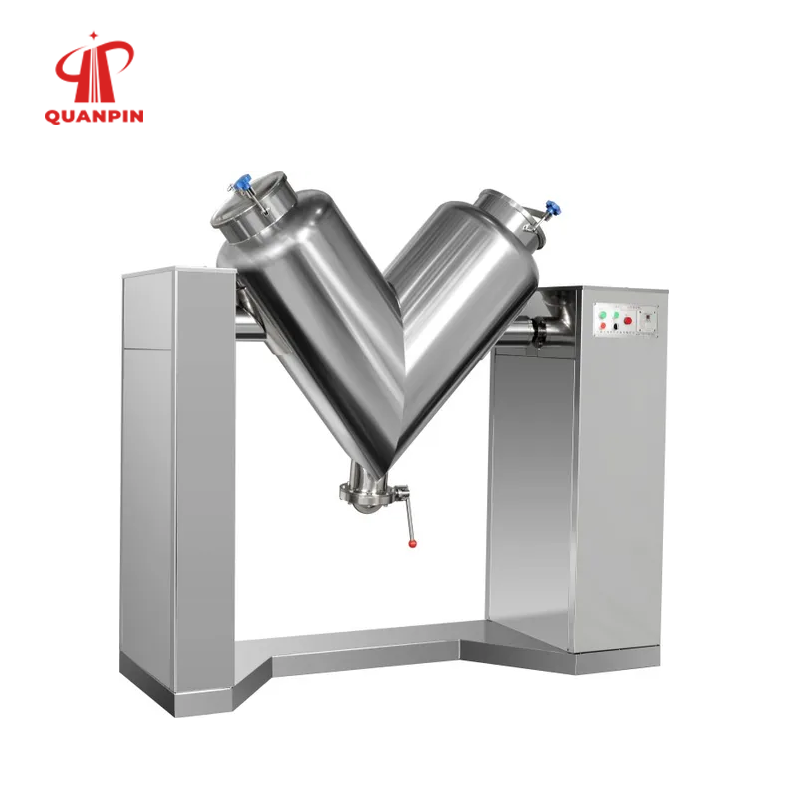
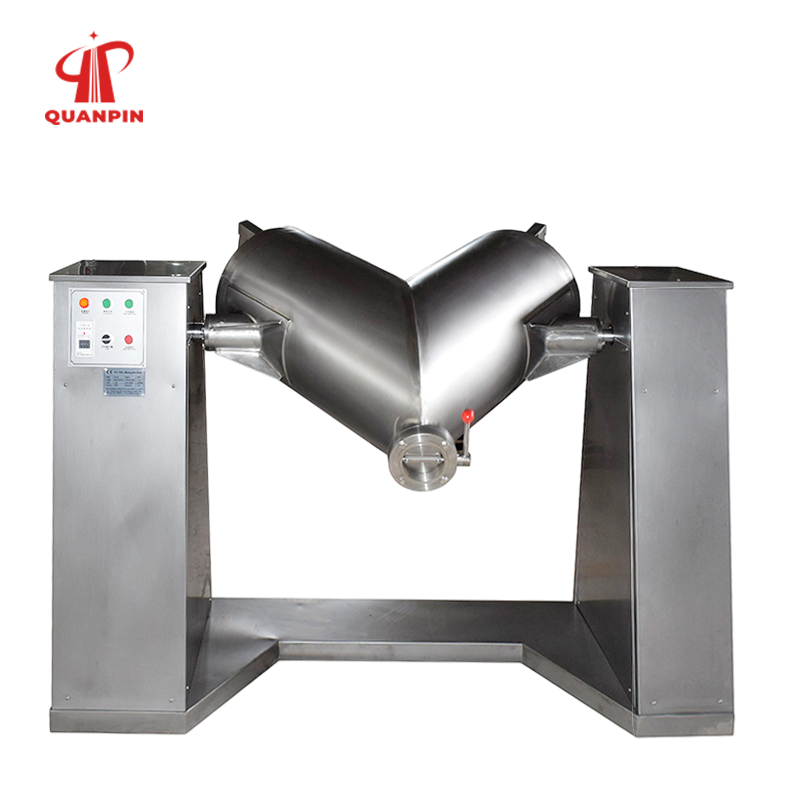
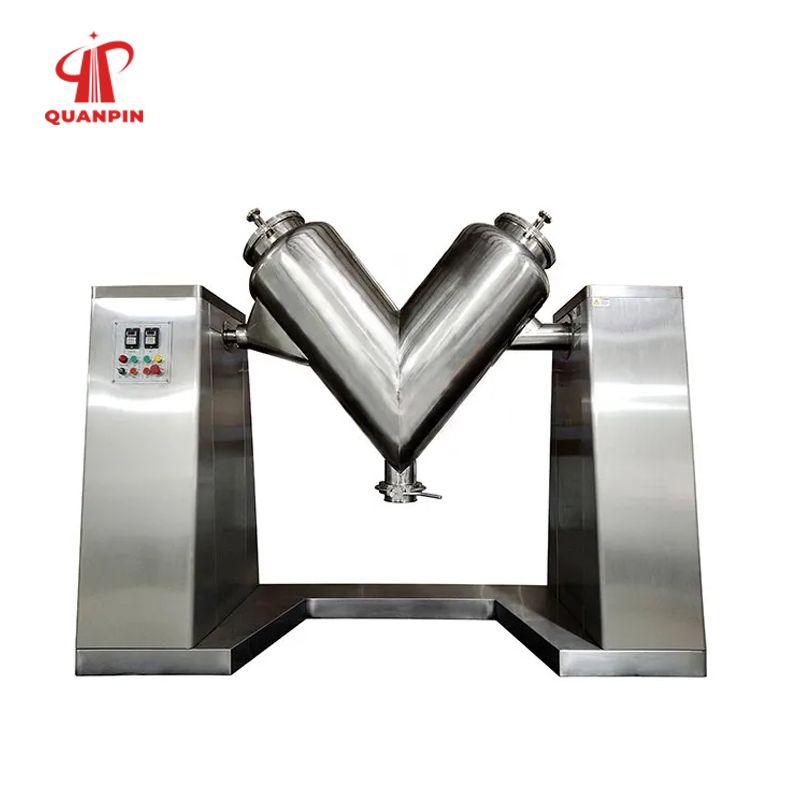
The V blender repeatedly divides and recombines compatible dry ingredients as the vessel rotates.
The V mixer principle does not establish the sequence in which collected samples will later be prepared or analysed. Use product-specific development knowledge to justify the attributes being examined. See FDA ICH Q8 pharmaceutical development.
State the Review Boundary
Identify which sequence a report presents before treating its first and last results as observations of early and late discharge.
A sample identifier helps only when its relationship to the collection event remains understandable.
Five Steps for a Traceable Comparison
Define the discharge-sampling question
Define the formulation and discharge-sampling question.
Record actual process collection order
Record the actual order and boundaries of process collection.
Preserve sample identities and laboratory handoffs
Preserve identities when samples are divided or sent to the laboratory.
Identify preparation and analysis sequences
Identify the preparation and analysis sequence relevant to interpretation.
Interpret results within both records
Compare results with the appropriate process and analytical context.
Separate the Four Relevant Records
A collection event describes when or where material was taken from the defined process boundary.
A laboratory preparation event describes what happened to an identified sample before measurement.
An analysis sequence describes the order in which specimens were examined.
These records can be related without assuming that they are identical or interchangeable.
Equipment and Evidence Interfaces
Vessel and loading arrangement
The vessel and actual loading arrangement define the blending configuration.
Discharge boundary
Discharge establishes the process boundary from which the study’s samples are collected.
Sample containers
Sample containers preserve the identity of the collected portions.
Laboratory subdivision
Laboratory subdivision can create further portions linked to those parent samples.
Preparation and analysis records
Preparation and analysis records identify the sequence represented by measured results.
Receiving-process boundary
The receiving process establishes whether later transfer belongs within the blend acceptance question.
Interpret the Actual Results
Define the reference basis
A V cone blender enquiry should identify whether a result pattern follows recorded discharge events or merely a reporting order.
Do not relabel analytical results by an assumed chronological sequence.
A V type mixer study should retain individual sample identities when the laboratory arranges specimens for its own procedure.
Keep changes visible
If an analytical table has been sorted or summarised, preserve the connection to the original sample record.
A V powder blender comparison also needs the actual analytical method and relevant preparation information.
A trend can motivate review, but the pattern alone cannot establish that the mixer or discharge caused it.
Assess the relevant product
Keep any relevant analytical investigation distinct from the process-sampling question rather than choosing one explanation without evidence.
Reanalysis of portions from an existing sample does not create new independent process collection events.
The complete interpretation should state which material each result represents and what sequence is actually being compared.
Benefits and Limits of the Review
Separating the sequences can expose a mistaken link between a laboratory row and a discharge stage.
It can also prevent a report-formatting choice from becoming an unsupported process conclusion. A development comparison should not be presented as complete validation of an untested production process. See FDA process validation guidance.
This review does not prescribe a universal sample count or analytical sequence.
Those choices require the actual formulation, sampling objective and appropriate process and analytical assessment.
Identify the Material and Method
Record the batch and relevant ingredient preparation.
Identify the actual discharge sampling events and boundaries. Assess relevant quality risks using the actual material and process context. See FDA ICH Q9 quality risk management.
Records, Handling and Safe Access
Preserve labels through any subdivision or transfer to the laboratory.
State the analytical preparation and method represented by the results.
Keep collection, preparation and analysis sequences distinguishable.
Explain missing identities or unresolved differences before extending the process conclusion. Interpret measurements through process understanding rather than treating an isolated instrument reading as product acceptance. See FDA process analytical technology framework.
Process sampling must follow the installed mixer’s approved access and operating procedures.
A desire to collect chronological evidence does not justify reaching into moving blending or discharge equipment.
Provide QUANPIN with the Application Scope
Send QUANPIN the actual blending configuration and the discharge concern supported by the sample record.
Keep laboratory-sequence questions identifiable so that the appropriate analytical reviewer can examine them.
Preserve the Evidence and Its Limits
Retain the agreed interpretation with the sample map and actual method records.
Use those identities in later comparisons rather than relying on product name or report position alone. Retain knowledge and manage adopted process changes through the pharmaceutical quality system. See FDA ICH Q10 pharmaceutical quality system.
Frequently Asked Questions
Are collection order and analysis order equivalent?
Discharge collection and laboratory analysis are separate events whose sequence need not be the same.
Can a sample label replace a collection event record?
A label must remain connected to its actual collection event rather than replace that record.
Does a result trend automatically prove blend segregation?
A result trend alone cannot establish segregation or another specific process cause.
Can reordered testing create new process samples?
Reordered testing of existing material does not create independent process samples.
Does the mixer determine the laboratory sequence?
The mixer supplies a blending operation; the laboratory’s sequence belongs to its own procedure and records.
What information supports the comparison?
The enquiry should provide the formulation, sample-event map, actual result identities and the process question requiring review.
Discuss the Confirmed Application with QUANPIN
Discuss the confirmed ZKH(V) V-Type Mixer application with QUANPIN. Use the enquiry form or the contact page to describe your project.
Email sales@qpdryer.com or stacie@qpdryer.com. Call +86 19850785582, or contact us on WhatsApp: +86 15921493205.