Rotating Flash Dryer for Pigments: Define an Application-Test Sample after Powder Recovery
By QUANPIN
A pigment application-test sample should identify the powder it represents and the preparation used before assessment. Powder recovery establishes a process location, while the subsequent application test asks a separate product-use question.
For a spin flash dryer trial, preserve the connection between the wet feed, collected powder and sample delivered for pigment evaluation. See chemical industry applications.
Pigment Processing and the Sample Boundary
The verified rotating-flash process combines feed dispersion, drying air and powder recovery for the actual reviewed duty.
The equipment principle does not independently establish color, dispersion behavior or another application attribute of an unidentified pigment.
Define the Intended Use and Assessment Method
Define the intended pigment use and the question the application test is meant to answer.
If a customer supplies an established assessment method, preserve its identity rather than replacing it with an invented universal procedure.
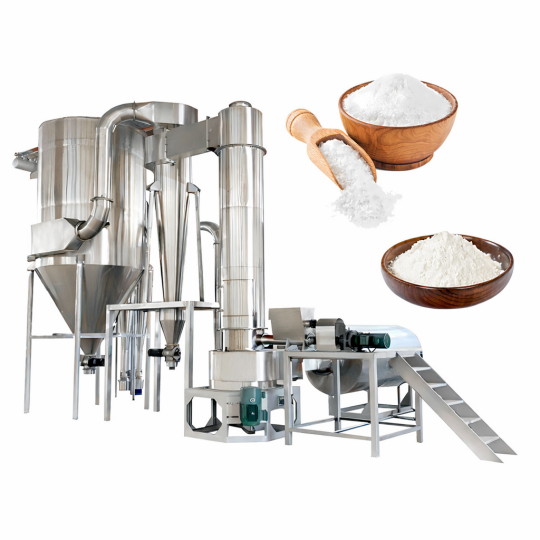
Five Steps to Define an Application-Test Sample
Identify feed and configuration
Identify the pigment feed and trial configuration.
Define collected material
Define the collected powder represented by the sample.
Record sample preparation
Record sample selection, preparation and protection.
Apply the intended-use method
Apply the agreed intended-use assessment.
Interpret the supported result
Interpret the result within its material and method boundary.
Fraction Identity and Sample-Preparation Boundaries
A sample from one collection location should retain that location’s identity.
If several fractions are combined, state which material entered the combination before the sample was taken.
Keep handling or preparation after collection visible when it can change what is assessed.
A sample name without its process and preparation history is a weak basis for comparing drying trials.
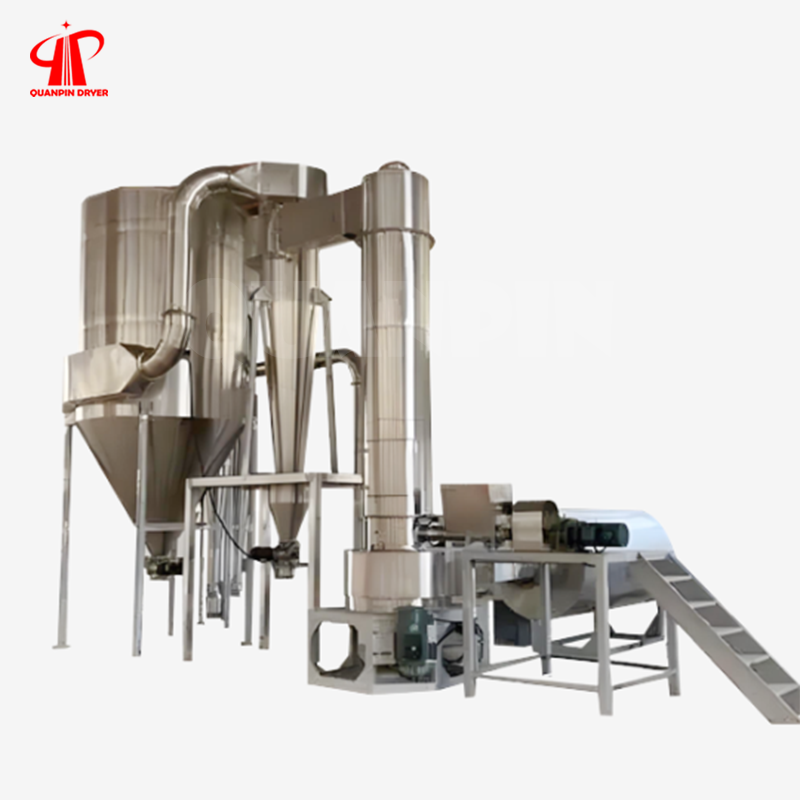
Equipment and Application-Sample Interfaces
Wet-feed identity
Feed identification establishes which wet pigment was processed.
Drying configuration
The reviewed dispersion and drying configuration defines the actual equipment conditions represented.
Powder recovery
Powder recovery establishes the point at which the selected material leaves the system.
Containers and labels
Collection containers and labels preserve the powder identity during handling.
Sample preparation
Application-sample preparation establishes the material presented to the customer’s test.
Application method
The assessment method determines which intended-use observation the result can support.
Interpreting Drying and Application-Test Evidence
Define the Material Basis
Chemical powder drying acceptance should distinguish the required dried-product condition from its application performance.
A low moisture observation does not independently establish every pigment-use requirement.
Powder drying evidence should preserve the method behind each reported property.
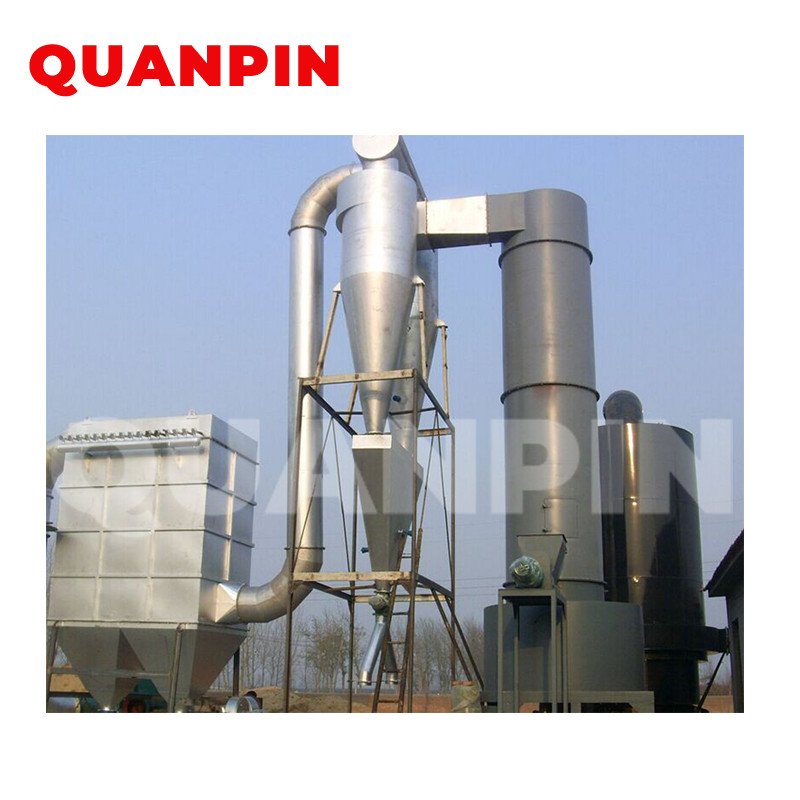
Keep Results Traceable
Do not compare a prepared laboratory dispersion with an untreated powder appearance as though they were the same observation.
Identify whether an application sample has undergone additional mixing, conditioning or other preparation.
Keep any such work separate from the functions attributed to the drying equipment.
Identify Evidence Limits
When comparing trials, record differences in feed, collection and sample preparation rather than assigning every change to the dryer.
Industrial drying equipment selection needs the actual material information and relevant safety review in addition to favorable product observations.
The final report should distinguish what the test demonstrates from any untested commercial application or operating condition.
Benefits and Limits of Sample Traceability
A traceable application sample helps the equipment and product teams discuss the same material. Review the actual material hazard information before defining the pigment duty. See HSE safety data sheets.
It can expose a preparation or collection difference that would otherwise obscure a comparison. Keep chemical classification, labels and material safety information appropriate to the actual pigment. See HSE chemical classification resources.
It does not create a universal acceptance method for every pigment. Identify potentially applicable site requirements independently from powder-quality acceptance. See EPA chemical-production emissions resources.
The actual application and customer’s justified product requirements determine the relevant assessment.
Pigment-Hazard Information and Sampling Records
Review the actual pigment’s hazards before handling or preparing samples.
Sampling, collection and any laboratory preparation need their applicable safe procedures; an equipment trial does not replace that review.
Records, Handling and Safety Requirements
Provide the pigment identity and available safety information.
Describe the intended product application and assessment question.
Identify the collected fraction or combined powder represented.
Record sample preparation, storage and handling.
Preserve the actual method and result for each evaluated attribute.
State the drying and downstream responsibilities within the project. Workplace extraction needs its own design and assessment. See HSE local exhaust ventilation resources.
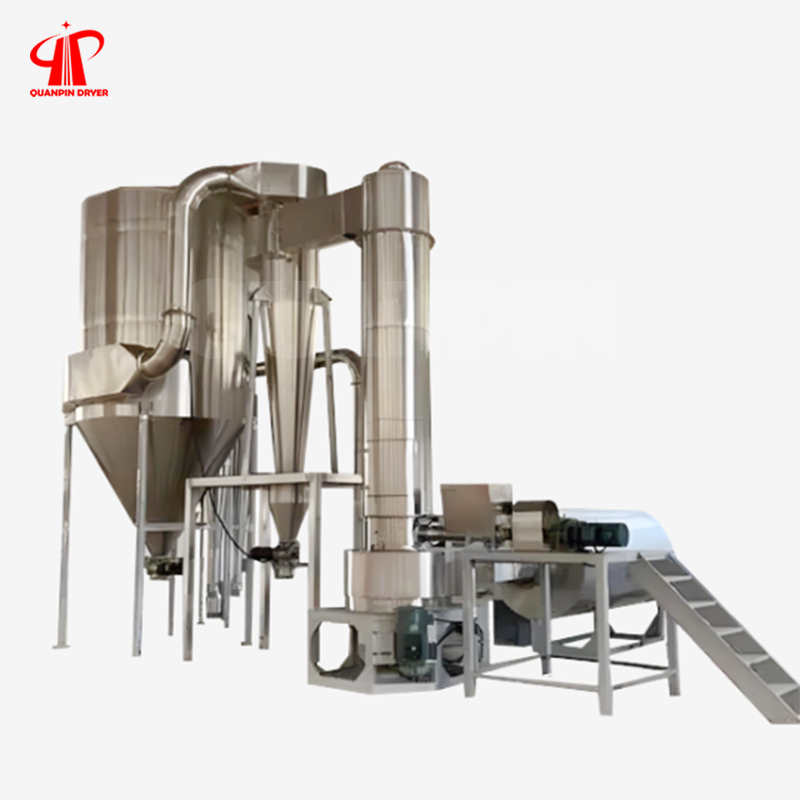
Prepare the Pigment-Application Enquiry
A spin flash dryer price comparison should keep the drying and recovery scope separate from customer application-testing responsibilities.
Ask QUANPIN to review the process configuration using the identified feed and collected-powder requirements. Assess relevant combustible-dust hazards using the actual pigment and process. See HSE dangerous substances and combustible dust guidance.
Evidence and Limits after Sample or Method Changes
Keep the application-test record linked to the original trial sample and collection record.
Review material or method changes before extending the result to another pigment duty.
Frequently Asked Questions
How is an application sample identified?
A recovered powder becomes an application-test sample through an identified selection and preparation route.
Can one collector prove every fraction?
A test from one collector should not automatically be presented as evidence for every recovered fraction.
Should laboratory preparation remain visible?
Additional laboratory preparation should remain visible rather than being attributed to the dryer.
Are moisture and application tests equivalent?
Moisture testing and application assessment address different product questions.
Does a favorable test establish every production condition?
A favorable pigment test does not by itself establish complete production validation or site compliance.
What does the enquiry need?
The enquiry should include feed identity, recovery boundary, sample history and the intended-use assessment method.
Discuss Your Pigment Flash Dryer Application with QUANPIN
Discuss the confirmed XSG Rotating Flash Dryer application with QUANPIN. Use the enquiry form or the contact page to describe your project.
Email sales@qpdryer.com or stacie@qpdryer.com. Call +86 19850785582, or contact us on WhatsApp: +86 15921493205.
For process evaluation, consider the spin flash dryer manufacturer for rapid contact between suitable dispersed feed and drying air; and the hollow paddle dryer for indirect heat transfer to suitable wet solids. Confirm suitability with representative material, the required product properties and the proposed process conditions.