High-Speed Granulator-Crusher for Pharmaceutical Granules: Define Accepted Output before Comparing Campaign Duration
By QUANPIN
A longer sizing campaign does not necessarily demonstrate more accepted pharmaceutical output. Define accepted material before comparing the duration of KZL runs.
The High-Speed Granulator/Crusher comparison should identify both the product requirement and the time boundary used in each record. See pharmaceutical applications.
Define Accepted Output And Campaign Duration
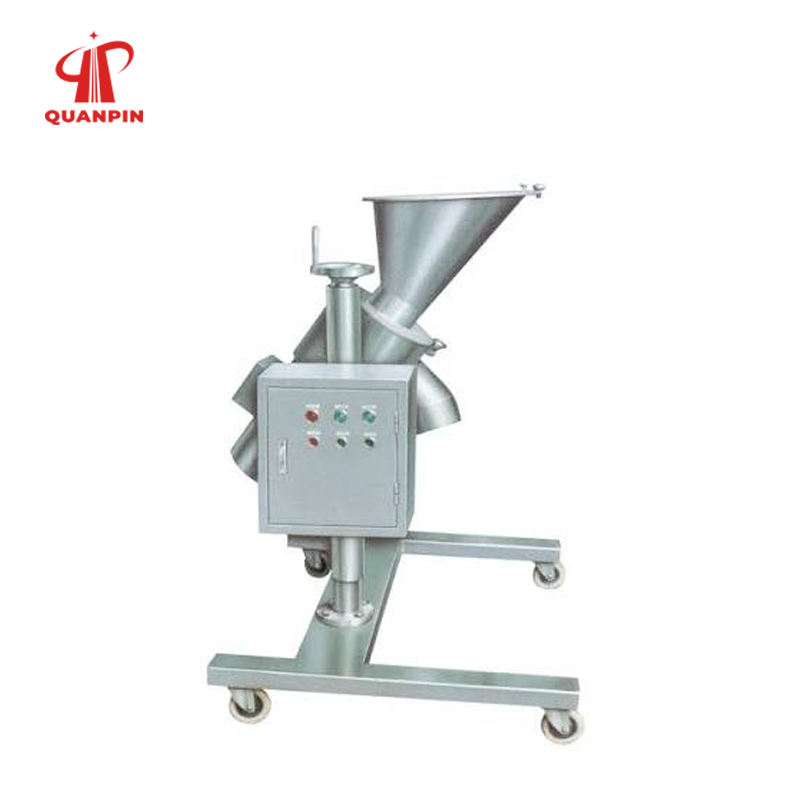
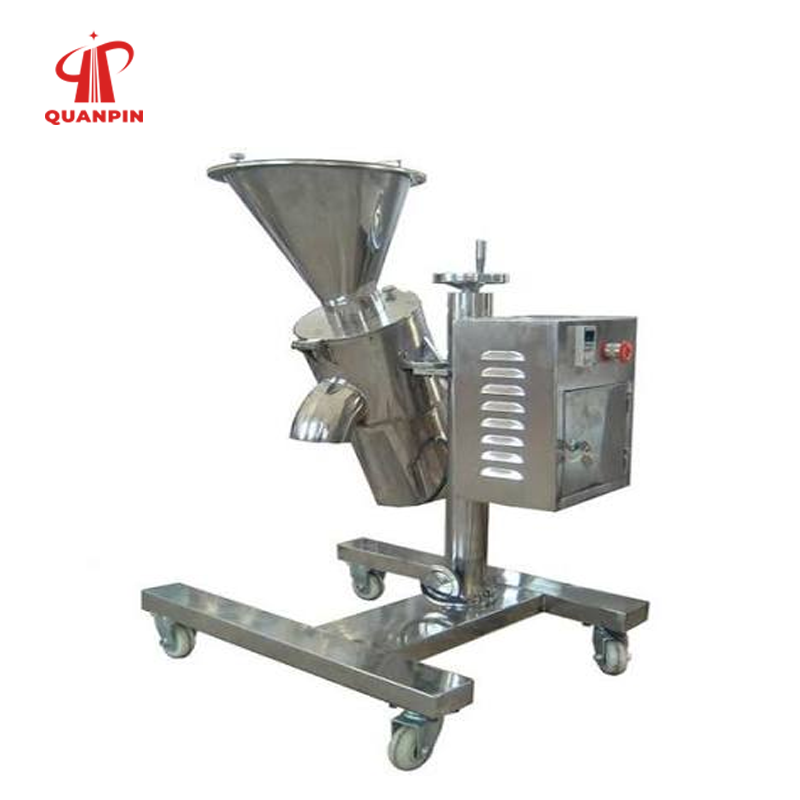
The KZL uses a working rotor and screen for compatible granule-sizing duties.
A high speed granulator name does not establish the accepted fraction or the duration that a particular formulation can sustain. Use product-specific development knowledge to justify the attributes being examined. See FDA ICH Q8 pharmaceutical development.
Equipment Principle and Application Scope
Decide whether the comparison concerns operating time, elapsed campaign time or another explicitly stated interval.
Then identify which collected material qualifies as output within that same interval.
Five Steps for the Review
Start Condition
State the start condition and product requirement for each run.
Operating Interval
Record the interval during which the defined operation was observed.
Accepted Fractions
Identify all relevant collected fractions and their acceptance status.
Interruptions
Preserve interruptions and other activities included in elapsed time.
End Condition
Compare results only after explaining differences in material and scope.
Four Evidence Boundaries
Machine running time and total elapsed time are different observations.
Charging, collection, inspection or other activities may occupy time without representing the same operating condition.
A container’s gross powder or granule quantity also differs from its accepted-product quantity.
Keep these distinctions visible instead of choosing the most favorable combination from separate records.
Components and Process Interfaces
Start Condition Evidence
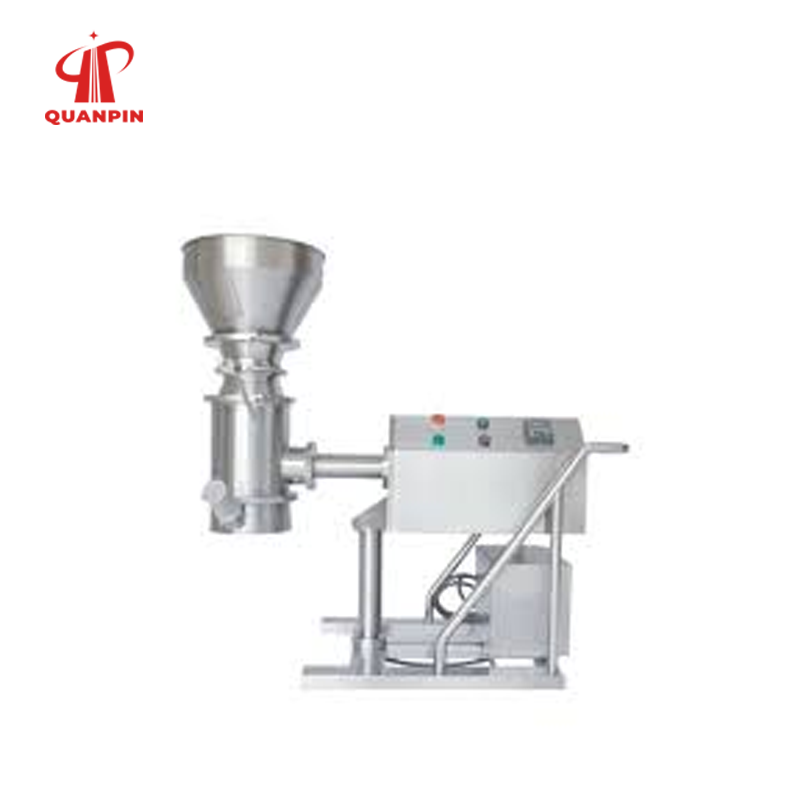
The feed arrangement identifies the material supplied during the interval.
Operating Interval Evidence
The rotor and fitted screen define the actual sizing configuration.
Accepted Fractions Evidence
Collection containers identify when and where output was gathered.
Interruptions Evidence
Sampling establishes which fractions have supporting product evidence.
End Condition Evidence
The analytical method determines the relevant granule attributes.
Downstream Boundary Evidence
The receiving process defines whether later handling belongs to the reported comparison.
Comparison Records and Interpretation
Define the Reference
For pharmaceutical granulation equipment, accepted output must follow the formulation’s justified requirements.
A pharmaceutical granulator cannot establish those requirements through its model designation.
State whether acceptance was assessed immediately after sizing or after another operation.
Preserve the Actual Conditions
In a wet granulation route, locate the sizing stage relative to drying before comparing two campaigns.
A result measured after drying should not be presented as a measurement at the wet-sizing outlet.
Where feed condition differs, explain the difference rather than treating duration as the only changed variable.
Review the Receiving Process
An interruption should remain in the appropriate record even when excluding it would produce a more attractive result.
The comparison may show a useful development observation without establishing a full future production campaign.
Do not convert an equipment-family rating into evidence that an untested duration has been demonstrated.
Benefits and Limits of the Review
A clear accepted-output boundary makes campaign records more interpretable.
It can reveal that two apparently comparable runs used different collection or acceptance rules. A development comparison should not be presented as complete validation of an untested production process. See FDA process validation guidance.
The boundary does not by itself resolve an analytical failure or an unexplained material loss.
The report should retain those findings as separate investigation questions.
Document the Material and Configuration
Record the actual material identity and relevant preparation history.
Identify the fitted rotor and screen configuration. Assess relevant quality risks using the actual material and process context. See FDA ICH Q9 quality risk management.
Records, Handling and Safe Access
State the start and end of the observed interval.
List collected fractions and the tests used to assign acceptance.
Explain interruptions and the activities included in elapsed time.
Document downstream operations that occurred before the reported product assessment. Interpret measurements through process understanding rather than treating an isolated instrument reading as product acceptance. See FDA process analytical technology framework.
Campaign observations must be collected under approved operating and sampling procedures.
A longer observed interval does not remove requirements for safe access, cleaning or material-hazard review.
Provide QUANPIN with the Application Scope
Provide QUANPIN with the product requirement and the actual run boundaries.
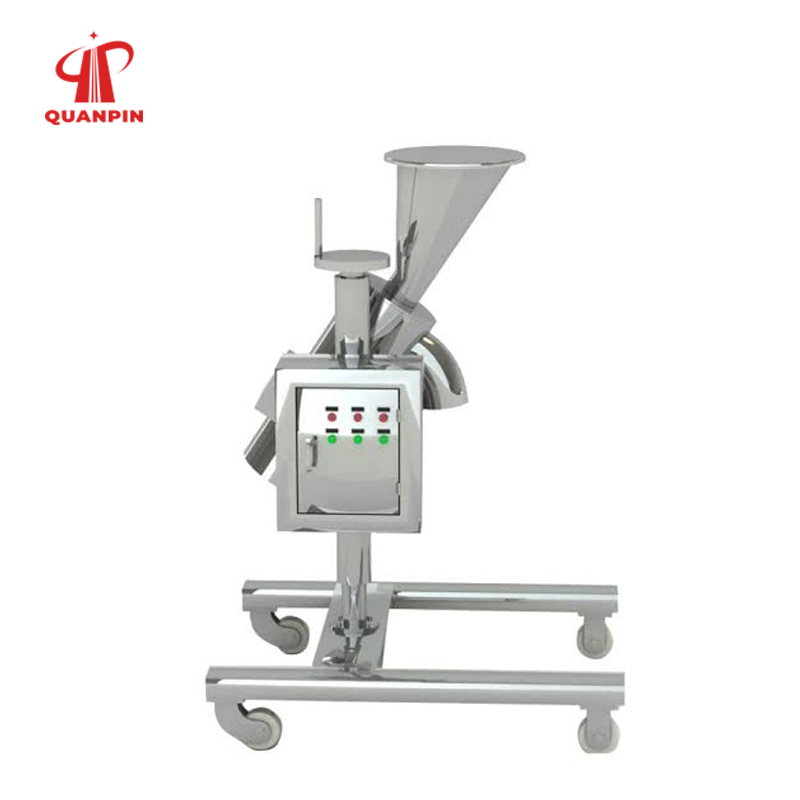
Include the feed description, component configuration and collection records used in the comparison.
Preserve the Evidence and Its Limits
Ask which unresolved material or scope difference prevents a meaningful like-for-like assessment.
Retain the final interpretation with the actual records rather than only a derived output statement. Retain knowledge and manage adopted process changes through the pharmaceutical quality system. See FDA ICH Q10 pharmaceutical quality system.
Frequently Asked Questions
Is running time the same as elapsed campaign time?
Running time need not equal the total elapsed campaign period.
Is collected material automatically accepted output?
Collected quantity is not accepted product until the required assessment supports that status.
Can feed differences affect the comparison?
Different feed conditions can limit the meaning of a duration comparison.
What history belongs with a downstream test result?
A downstream analytical result needs the intervening process history attached.
Does one campaign establish every future operating duration?
A development campaign cannot establish every untested future duration or formulation.
What should the campaign comparison define?
The enquiry should define material, configuration, time interval, accepted fractions and the receiving-process boundary.
Discuss the Application with QUANPIN
Discuss the confirmed KZL High-Speed Granulator/Crusher application with QUANPIN. Use the enquiry form or the contact page to describe your project.
Email sales@qpdryer.com or stacie@qpdryer.com. Call +86 19850785582, or contact us on WhatsApp: +86 15921493205.