Fine Powder Grinder for Pharmaceutical Excipients: Specify Trial Feed Quantity without Promising Production Capacity
By QUANPIN
The quantity of excipient supplied for a WFJ study must serve the trial questions. It is not evidence of an hourly production rate.
An air classifier mill enquiry should separate material needed for preparation, useful observations and retained samples before the trial is agreed. See pharmaceutical applications.
Define Trial Feed Quantity
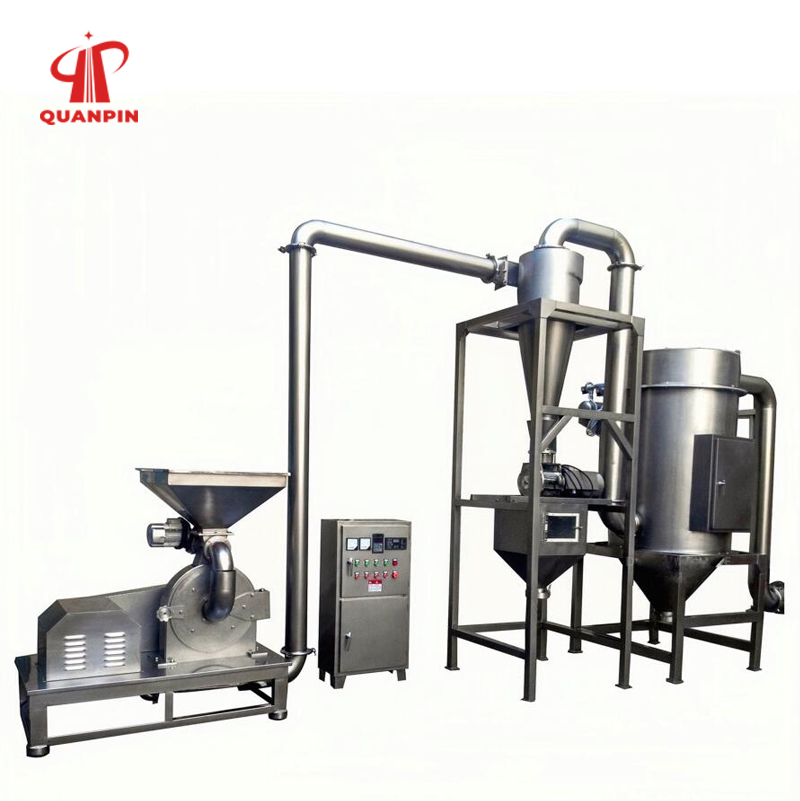
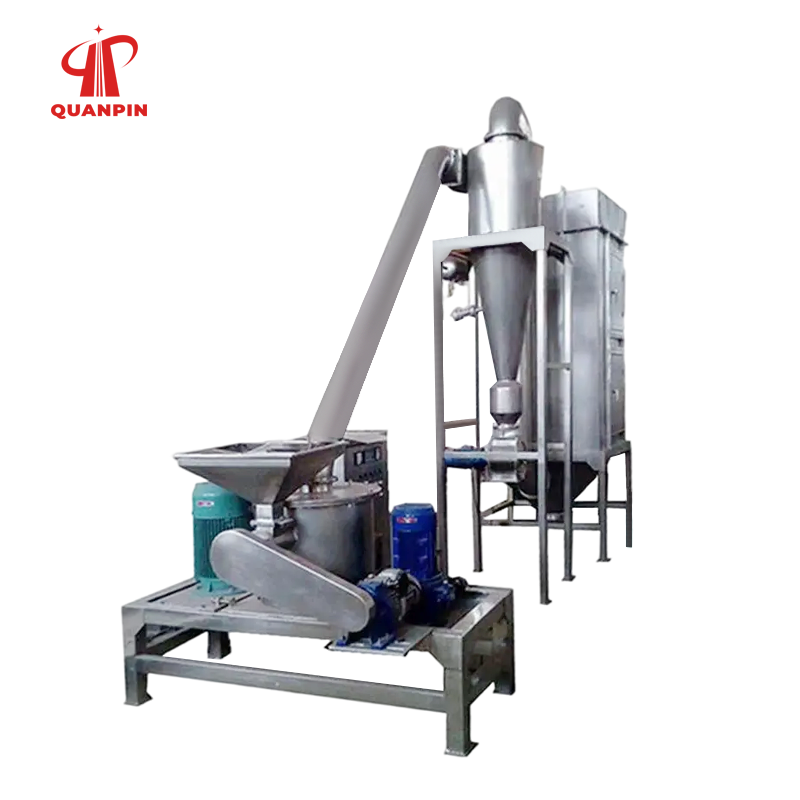
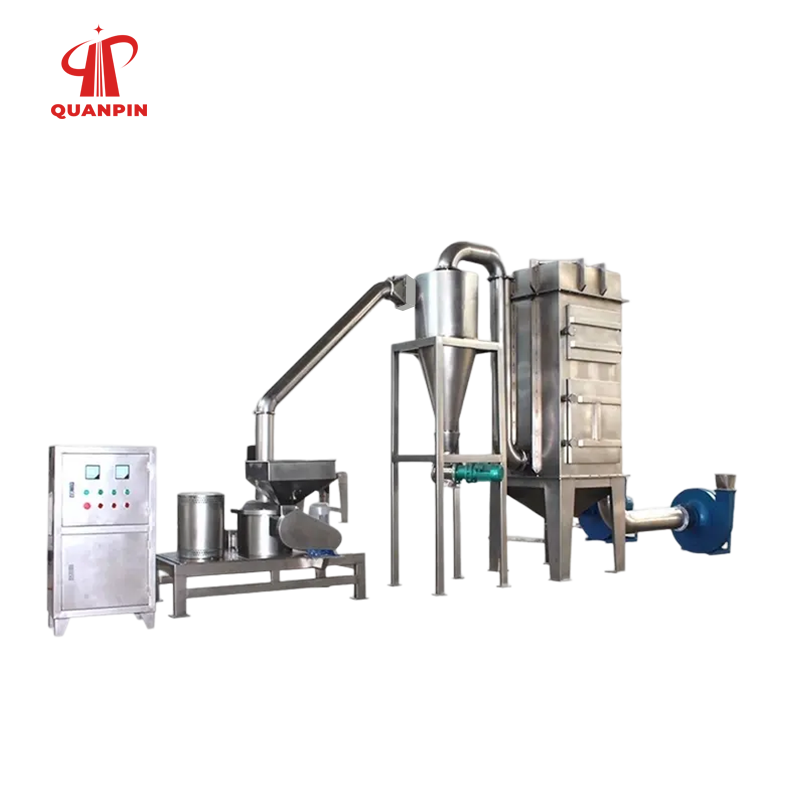
The WFJ reduces feed through grinding and separates a finer fraction by classification. Oversize material returns for further reduction.
This connected air classifying mill arrangement means that feed preparation, product collection and analytical sampling all affect what a limited trial can establish. Use product-specific development knowledge to justify the attributes being examined. See FDA ICH Q8 pharmaceutical development.
Equipment Principle and Application Scope
List the attributes the study must examine, such as the required powder distribution and handling at the agreed collection boundary.
Ask QUANPIN to review the proposed trial allocation for the actual feed. Do not choose a universal feed quantity from another excipient’s run.
Five Steps for the Review
Feed Allocation
Identify the product lot and describe the supplied material condition before dividing it.
Conditioning History
Reserve an incoming reference that can support the agreed comparison.
Representative Lot
Distinguish setup consumption from material associated with an assessed operating interval.
Setup Material
Allocate each intended collection and laboratory sample before committing the remaining feed.
Sample Retention
Check that the complete plan still answers the stated formulation question.
Four Evidence Boundaries
An incoming reference allows the laboratory to compare the original feed with the collected powder.
Setup material serves a different purpose from an assessment sample and should remain identifiable.
Material left in a container after allocation is not necessarily sufficient for another interpretable operating comparison.
Where the proposed quantity is insufficient, reduce the number of questions or obtain further representative material.
Components and Process Interfaces
Feed Allocation Evidence
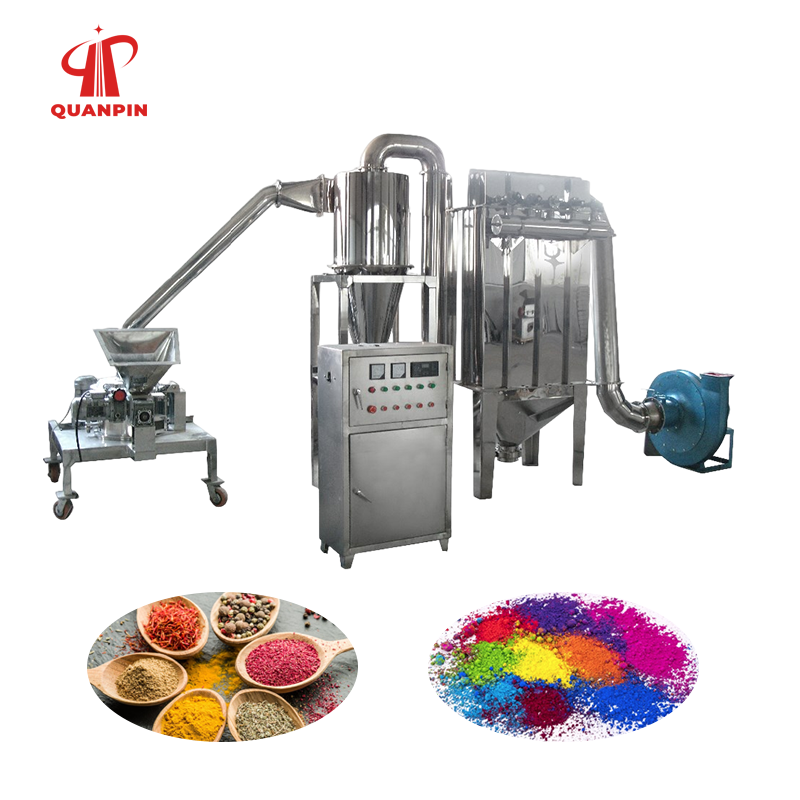
The feed connection defines where the supplied excipient enters the configured system.
Conditioning History Evidence
The grinding chamber provides the mechanical reduction examined in the trial.
Representative Lot Evidence
The classifier contributes a separation function; its name does not supply an analytical acceptance result.
Setup Material Evidence
The collection arrangement determines where powder can be recovered for the planned tests.
Sample Retention Evidence
Safe sampling provisions define which observations are practical without accessing moving equipment.
Collection Interval Evidence
The trial record links the actual configuration to the material allocated and the samples obtained.
Comparison Records and Interpretation
Define the Reference
An ACM mill study with limited feed should state which comparison has priority before the available material is consumed.
For example, the team may need to establish whether one proposed arrangement can produce powder suitable for the next development step.
That question differs from characterizing a broad operating range or demonstrating a prolonged campaign.
Preserve the Actual Conditions
A short useful observation should be reported as such, without implying that untested conditions were demonstrated.
If the preparation history changes, identify the change before pooling the resulting samples.
An extra material request should explain which unanswered observation requires additional feed.
Review the Receiving Process
Do not replace a shortfall with a different excipient merely to reach a convenient total.
An industrial fine powder grinder proposal should also identify whether collection or transfer accessories differ from those used in the study.
Preserve the distinction between a feasibility finding and a confirmed production duty when reviewing the results.
Benefits and Limits of the Review
A clear allocation plan can prevent the last usable material from being consumed before an essential reference is retained.
It can also reveal that the proposed study contains more comparisons than the available lot can support. A development comparison should not be presented as complete validation of an untested production process. See FDA process validation guidance.
The plan cannot establish the throughput of an untested installation.
A fine powder grinder result must remain tied to its feed, assessed interval, collection boundary and required product tests.
Document the Material and Configuration
Record the original lot identity and any conditioning performed before delivery.
State which material was used for setup and why it was not assigned to a later comparison. Assess relevant quality risks using the actual material and process context. See FDA ICH Q9 quality risk management.
Records, Handling and Safe Access
Identify the collection containers associated with the assessed interval.
List samples sent for testing and material retained for review.
Keep actual weighed quantities distinct from planned allocations when reconciling the study.
Explain any omitted comparison so that the final report does not silently expand its conclusions. Interpret measurements through process understanding rather than treating an isolated instrument reading as product acceptance. See FDA process analytical technology framework.
Sampling and recovery must follow the configured equipment’s approved operating procedures.
Review material hazards, exposure and safe access before deciding that a proposed collection method is suitable.
Provide QUANPIN with the Application Scope
Provide QUANPIN with the actual excipient, available representative quantity and required powder attributes.
Include the intended analytical methods and state whether the priority is feasibility, a specific comparison or another defined development question.
Preserve the Evidence and Its Limits
Agree the material allocation and collection plan before the trial begins.
If the available feed changes, revisit the question and sampling plan instead of preserving an unsupported claim of equivalent evidence. Retain knowledge and manage adopted process changes through the pharmaceutical quality system. See FDA ICH Q10 pharmaceutical quality system.
Frequently Asked Questions
Is one feed quantity suitable for every excipient?
No single feed quantity is established here for all excipients. The required allocation follows the particular study and configuration.
Does setup consumption belong in the accepted-product comparison?
Setup consumption should not automatically be included in an accepted-product operating comparison.
Why retain incoming material?
A retained reference has a defined purpose: it preserves evidence of the incoming material used in the study.
Can a different lot fill a trial-material shortfall?
A different lot can introduce another comparison question; its identity and preparation must remain visible.
Does trial feed quantity establish production capacity?
Trial feed quantity alone cannot be converted into production capacity without suitable operating and accepted-output evidence.
What should the material-allocation enquiry include?
The enquiry should identify available material, retained samples, planned collections and the conclusions that the study is intended to support.
Discuss the Application with QUANPIN
Discuss the confirmed WFJ Air Classifier Mill application with QUANPIN. Use the enquiry form or the contact page to describe your project.
Email sales@qpdryer.com or stacie@qpdryer.com. Call +86 19850785582, or contact us on WhatsApp: +86 15921493205.