High-Speed Mixing Granulator: Record Dry Premixing Separately from Binder Addition
By QUANPIN
A GHL development record should distinguish dry premixing from the later binder-addition stage. Preserve their actual sequence before interpreting granule results. The High-Speed Mixing Granulator duty should be defined by the prepared mass and the intended granule.
The objective is a clear formulation history rather than a single unexplained total mixing time. See the matching pharmaceutical industry applications.
Which Stage Produced the Recorded Process History?
Identify the dry ingredients, the actual premixing stage and subsequent liquid addition.
Do not assume that two runs with the same total duration followed the same process sequence. Use product-specific development knowledge to justify the attributes being examined. See FDA ICH Q8 pharmaceutical development.
Equipment Principle and Material Requirements
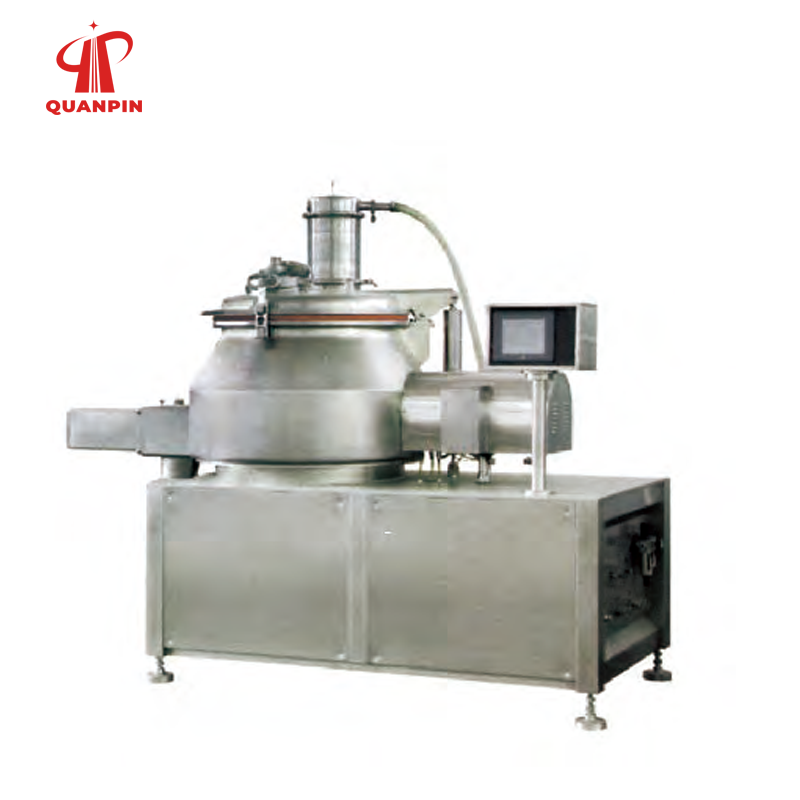
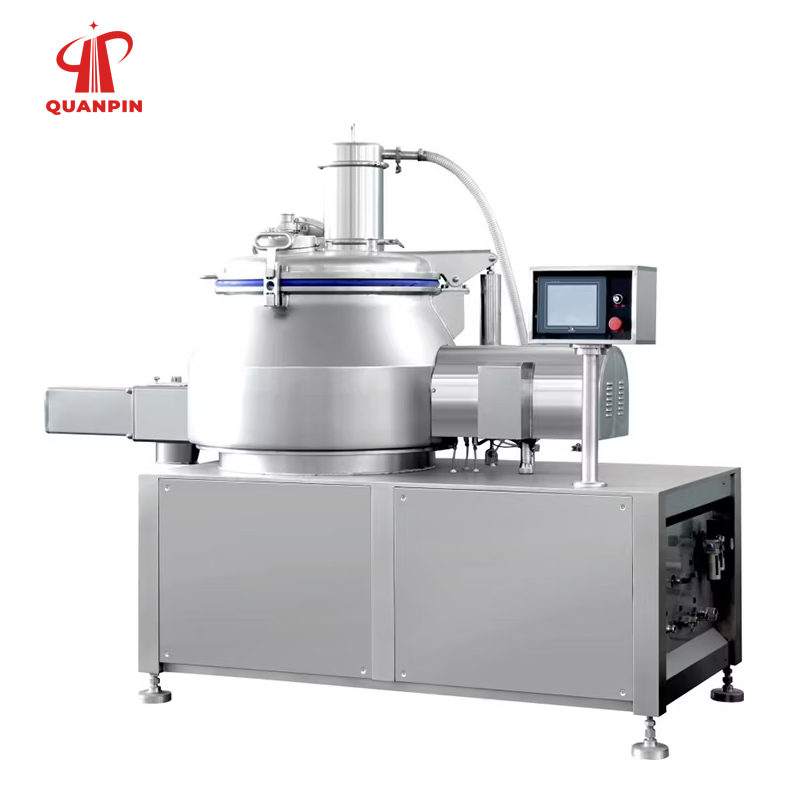
The GHL performs mixing and granulation through its specified working assemblies. Compare the proposed high speed mixer granulator arrangement against this material and the documented process stage.
The relevant operating stages depend on the actual formulation and approved procedure, not a universal machine recipe.
Five Steps for the Application Study
Identify the formulation and charged ingredient lots
Identify the formulation and charged ingredient lots.
Record the actual dry-premixing sequence
Record the actual dry-premixing sequence.
Preserve binder preparation and addition records separately
Preserve binder preparation and addition records separately.
Collect traceable wet and dried granule samples where required
Collect traceable wet and dried granule samples where required.
Review results alongside the complete stage history
Review results alongside the complete stage history.
Four Process Boundaries to Record
The charge boundary identifies the dry formulation entering the bowl.
The premixing boundary records the actual dry stage.
The addition boundary identifies binder delivery and relevant events.
The acceptance boundary states the required granule evidence.
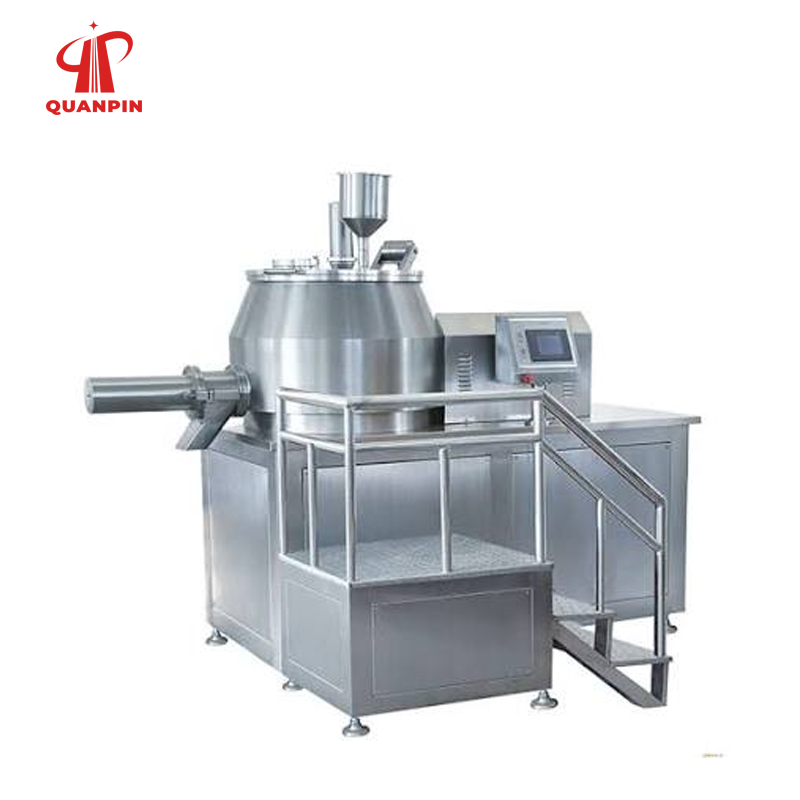
High-Speed Mixing Granulator Components and Interfaces
Granulation assembly
Confirm the bowl and working assemblies. For high-speed wet mixer granulator, state which attributes will be tested before and after the operation.
Operating controls
Identify the actual operating controls and recorded indications. A rapid mixer granulator description does not replace the trial evidence for this formulation.
Charging and addition
Describe charging and binder-addition connections.
Binder delivery
Review supplied liquid-delivery components separately.
Wet sampling
Keep wet-sample and discharge arrangements identifiable.
Downstream drying
Preserve downstream drying records when included in the study.
Comparison Choices and Process Interfaces
Define the Reference Basis
Establish a reference formulation and documented sequence. Place rapid mixer granulator machine within the complete process boundary, including the next handling step.
Retain dry-premixing information as a separate stage record.
Keep the binder-addition history connected to the same run.
Keep the Comparison Interpretable
When stage duration changes, identify accompanying material or delivery changes.
Do not attribute every granule difference to the premixing stage alone.
Explain absent stage information as a study limitation.
Assess the Receiving Process
Assess wet and dried granules as distinct material states.
Keep later sizing or transfer outside unsupported granulator conclusions.
Use the evidence to define the next controlled development comparison.
Industry Application and Acceptance
Pharmaceutical granulation requires formulation-specific quality criteria.
Stage records support process understanding but do not replace product testing. A development comparison should not be presented as complete validation of an untested production process. See FDA process validation guidance.
Changes should be reviewed through the actual pharmaceutical quality system.
A comparative run does not establish routine manufacturing validation.
Benefits and Practical Limits
Separate stage records make the process sequence easier to interpret. Specify granulation equipment using the actual preparation history and the required finished material.
They cannot establish one best premixing duration for every formulation. Assess relevant quality risks using the actual material and process context. See FDA ICH Q9 quality risk management.
Six Details That Affect the Result
Identify the charged ingredients and lots.
Record stage transitions rather than only total elapsed time.
Preserve relevant operating indications within each stage.
Keep liquid preparation and delivery distinct from dry mixing. Interpret measurements through process understanding rather than treating an isolated instrument reading as product acceptance. See FDA process analytical technology framework.
Retain sample-state identities through later testing.
Explain deviations before drawing a process conclusion.
Safety and Operating Requirements
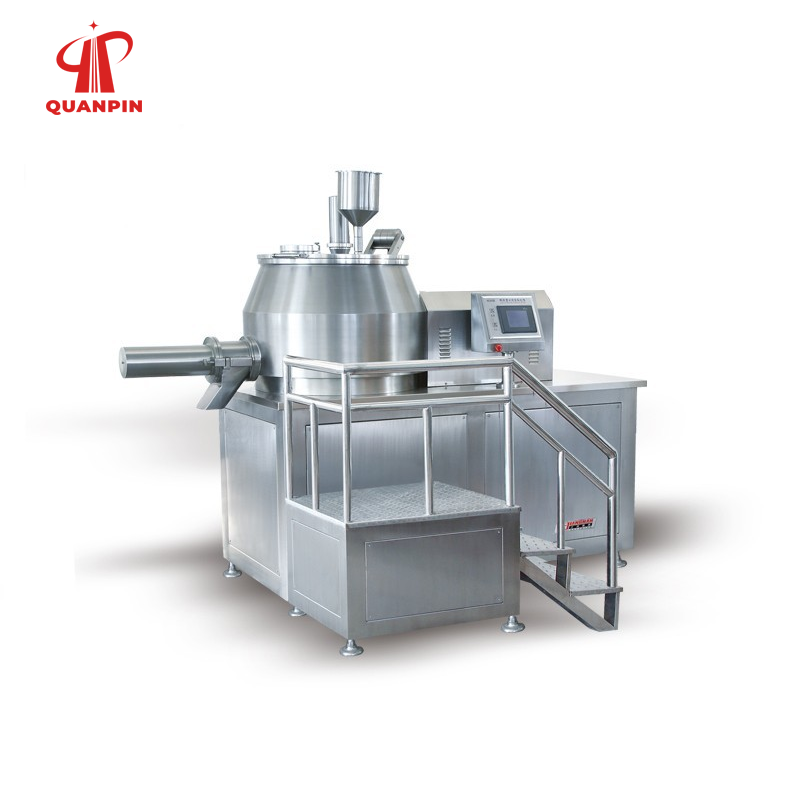
Charging and addition must follow approved equipment instructions.
Binder hazards, sampling and cleaning need formulation-specific controls.
Prepare Your Equipment Enquiry
Send QUANPIN the formulation and intended operating sequence. Review the interface with wet granulation so preparation and final treatment are not confused with the machine’s own duty.
Include required process records and granule tests in the trial enquiry. The granulation line for solid dosage form requirement should retain the material identity, sampling method and downstream acceptance boundary. Retain knowledge and manage adopted process changes through the pharmaceutical quality system. See FDA ICH Q10 pharmaceutical quality system.
Frequently Asked Questions
Does equal elapsed time mean identical stages?
Equal total durations do not prove identical stage histories.
Should dry mixing and liquid addition be distinguished?
A dry-premixing record should remain separate from liquid addition.
Is one sequence suitable for all formulations?
The appropriate sequence depends on the actual formulation.
Should wet and dried samples remain identifiable?
Wet and dried granules require identifiable test records.
Does one trial establish universal settings?
A favorable trial does not establish universal operating settings.
What stage evidence should be requested?
A useful enquiry defines the stages and required product evidence.
Discuss Your High-Speed Mixing Granulator Application with QUANPIN
Discuss your application with High-Speed Mixing Granulator specialists at QUANPIN. Use the enquiry below or our contact page.
Email sales@quanpinmachine.com or stacie@quanpinmachine.com. Call +86 19850785582, or contact us on WhatsApp: +86 15921493205.