Ribbon Mixer for Seasonings: Keep Discharge and Filling Order Traceable in a Blend Study
By QUANPIN
A seasoning sample needs an identified place in the discharge and filling sequence. Preserve that order before interpreting a ribbon-mixer result. A Horizontal Ribbon Mixer enquiry should start with formulation and the required composition evidence.
The objective is to connect the tested portion with the actual delivered blend. See the matching food industry applications.
Which Delivered Portion Does Each Sample Represent?
Define which discharge or filled-product portions the study must assess.
Keep individual observations traceable before combining them into a pooled summary.
Equipment Principle and Material Requirements
A ribbon mixer moves ingredients through its specified working volume. Describe the intended ribbon blender duty using the actual ingredient properties and working load.
Discharge and filling are additional handling stages whose boundaries need explicit description.
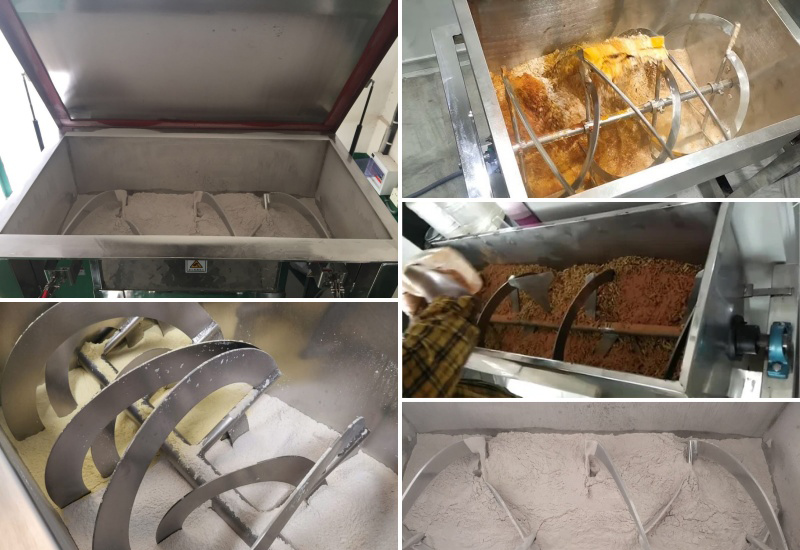
Five Steps for the Application Study
Identify the seasoning recipe and actual batch
Identify the seasoning recipe and actual batch.
Map the discharge and receiving route used in the study
Map the discharge and receiving route used in the study.
Define sample identities against the collection or filling sequence
Define sample identities against the collection or filling sequence.
Preserve operating and handling events associated with each portion
Preserve operating and handling events associated with each portion.
Review individual composition results before making an overall conclusion
Review individual composition results before making an overall conclusion.
Four Process Boundaries to Record
The recipe boundary identifies the actual ingredient combination.
The mixing boundary defines the vessel operation under review.
The delivery boundary covers discharge and filling included in scope.
The acceptance boundary connects test results with identified product portions.
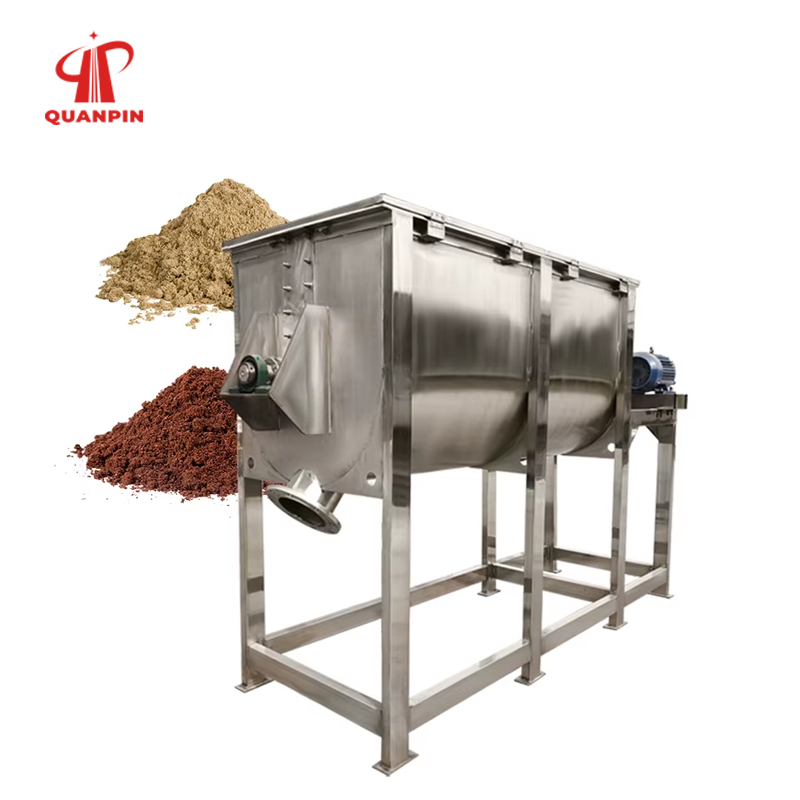
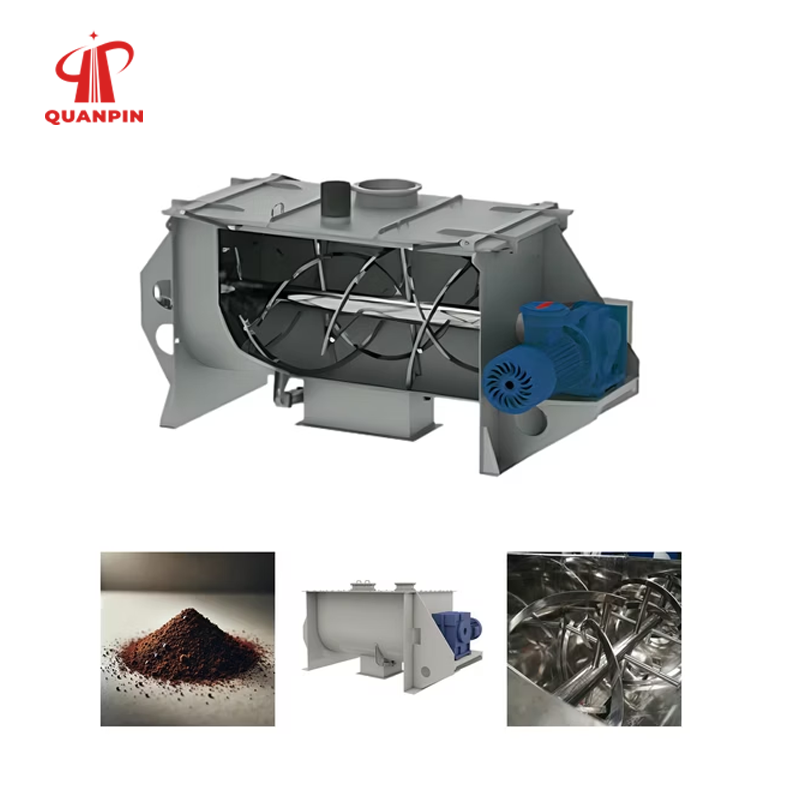
Ribbon Mixer for Seasonings Components and Interfaces
Ribbon and trough
Confirm the ribbon and trough configuration.
Ingredient charging
Identify the ingredient charging arrangement. Choose the dry blending arrangement for the documented material rather than a generic vessel-volume claim.
Discharge connection
Describe the discharge connection and actual receiver.
Filling equipment
Record filling equipment separately where outside the mixer supply.
Sample identification
Keep sample-container and sequence identities linked.
Food-contact cleaning
Review food-contact cleaning for the agreed handling path.
Comparison Choices and Process Interfaces
Define the Reference Basis
Establish a reference recipe and operating sequence. Review the powder blender interfaces, including charging, sampling and receiving equipment.
Retain the actual discharge and filling history.
State which portions the reference samples represent.
Keep the Comparison Interpretable
If handling changes, record it independently of the mixing settings.
Do not assign a filled-product difference solely to the mixer without reviewing the route.
Explain gaps in sequence information rather than inventing a sample position.
Assess the Receiving Process
Assess seasoning using the required composition and food criteria. Define how the powder mixer connects to the preceding preparation and the next operation.
Keep packing observations separate from untested storage-life claims.
Use the evidence to define additional sampling or handling review.
Industry Application and Acceptance
Seasoning recipes require food-hygiene controls appropriate to their ingredients. Food equipment and processing need appropriate hygiene controls. See FDA food manufacturing practices.
Identify allergens and carriers from the actual formulation where relevant. Identify allergens and cross-contact requirements when ingredients or carriers introduce them. See FDA food allergen information.
Water activity, composition and sanitation evidence address different process questions. Water activity describes a property different from total moisture content. See FDA water activity background.
A preferred blending result does not replace required food-safety controls.
Benefits and Practical Limits
A traceable sequence can reveal a pattern hidden by pooling. Selection of Mixing Equipment should include cleaning access and the intended campaign sequence.
It cannot identify a cause without supporting material and handling evidence.
Six Details That Affect the Result
Identify the actual batch and recipe.
Record the receiving or filling sequence used.
Preserve sample times or order where required by the study.
Keep interruptions and container changes visible.
Retain individual results before preparing an average. Include relevant sanitation and handling requirements in the food-process review. See FDA sanitation and transportation resources.
State whether conclusions concern discharge, filling or later handling.
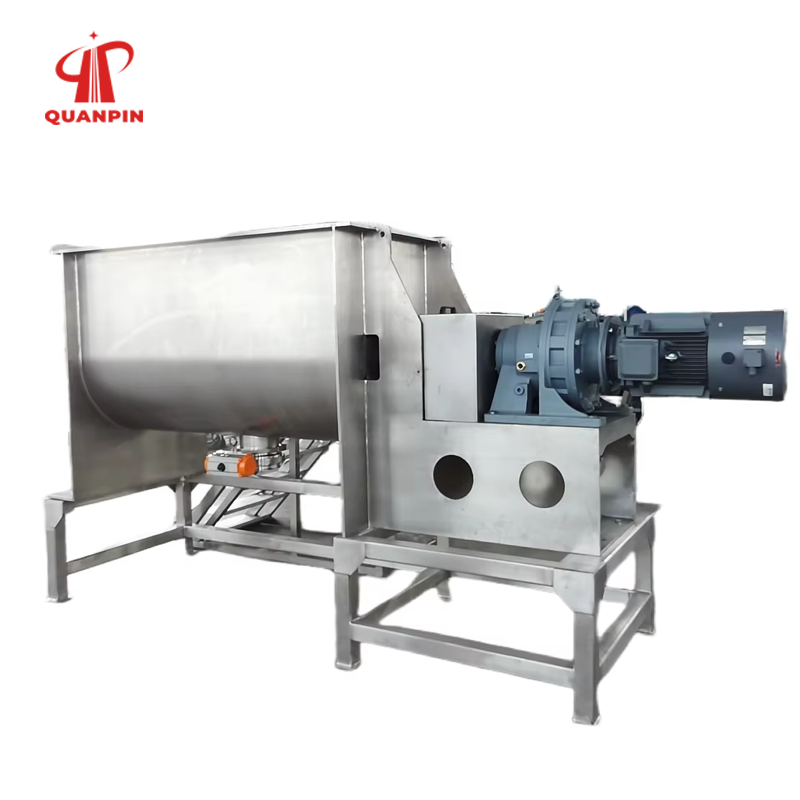
Safety and Operating Requirements
Sampling must follow approved equipment and exposure-control procedures.
Charging, cleaning and filling require suitable food-hygiene controls. Food hazard analysis and relevant preventive controls are separate from demonstrating a preferred ingredient appearance. See FDA preventive controls for human food.
Prepare Your Equipment Enquiry
Send QUANPIN the recipe duty and intended discharge arrangement. Specify the evidence required for industrial mixers; a favorable visual impression is insufficient where composition matters.
Identify the delivered-product boundary that the mixing trial must support. Compare uniform powder mixing at the same material and acceptance boundary before scaling the working batch.
Frequently Asked Questions
Does one vessel sample represent every filled portion?
A vessel sample does not automatically represent every filled portion.
Can pooled evidence recover a lost sequence?
Pooled results cannot reveal a lost individual-portion pattern.
Should handling and mixer changes be distinguished?
Handling changes should remain separate from mixer changes in the record.
Do food controls depend on the recipe?
Food-safety requirements depend on the actual recipe and process.
Does a short trial establish shelf life?
A short trial does not establish commercial shelf life.
Which delivery boundary should be specified?
A useful enquiry defines where the seasoning will be assessed.
Discuss Your Ribbon Mixer for Seasonings Application with QUANPIN
Discuss your application with Ribbon Mixer for Seasonings specialists at QUANPIN. Use the enquiry below or our contact page.
Email sales@quanpinmachine.com or stacie@quanpinmachine.com. Call +86 19850785582, or contact us on WhatsApp: +86 15921493205.