Pharmaceutical Pulverizer Unit: Record Feed-Lot Changeovers Without Mixing Trial Identities
By QUANPIN
A grinding comparison needs a clear record when the excipient feed lot changes. Preserve material identities before combining observations from a pharmaceutical pulverizer trial. The pulverizer unit duty begins with the required powder rather than an isolated machine setting.
The record should distinguish the planned changeover, the actual operating events and the powder fractions subsequently assessed. See the matching pharmaceutical industry applications.
Where Does One Feed Lot End in the Collection Record?
Define the feed-lot boundary and explain how collected powder is assigned to it through the approved study.
Do not assume that the instant a new lot is charged also proves the identity of every particle already in the collection system. Use product-specific development knowledge to justify the attributes being examined. See FDA ICH Q8 pharmaceutical development.
Equipment Principle and Material Requirements
The pulverizer reduces suitable feed and moves powder through its specified recovery arrangement. In pharmaceutical powder grinding, the feed and product measurement method must be stated together.
The complete path between charging and collection needs review when material identities change during a study.
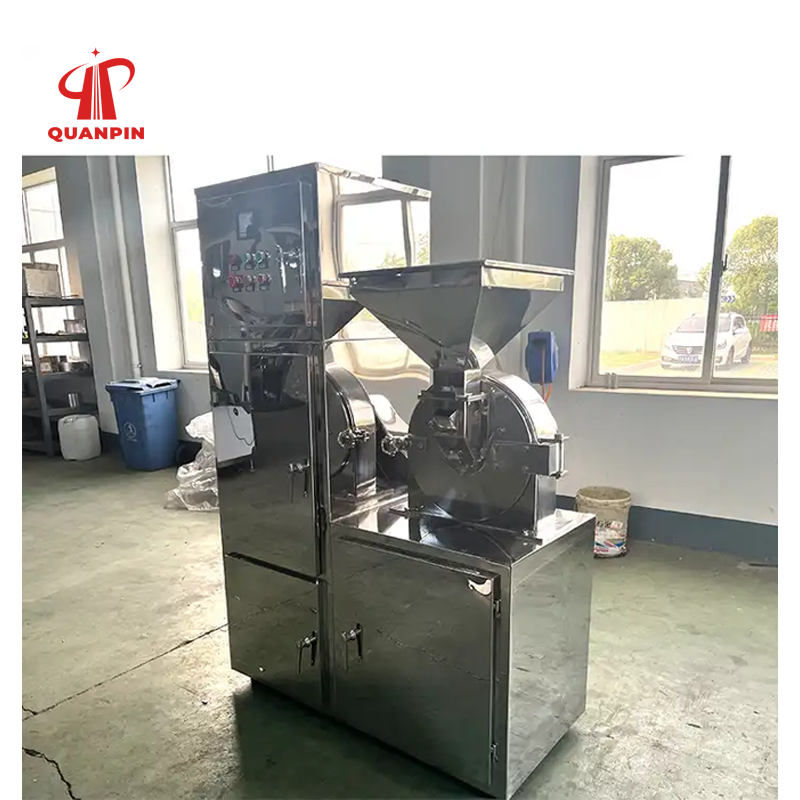
Five Steps for the Application Study
Identify feed lots
Identify each excipient lot and its preparation before the trial.
Define the changeover boundary
Document the intended lot-change procedure and the collection boundaries it uses.
Record actual events
Record actual feed changes, interruptions and relevant cleaning or clearance events.
Identify collected fractions
Identify collected fractions and samples according to the approved assignment method.
Review uncertain material
Review uncertain material separately before using results in a lot-to-lot comparison.
Four Process Boundaries to Record
The incoming boundary identifies the lots released for the trial.
The feed boundary records when each identified material enters the agreed system.
The collection boundary states how recovered fractions are distinguished.
The acceptance boundary defines which material and tests support each comparison.
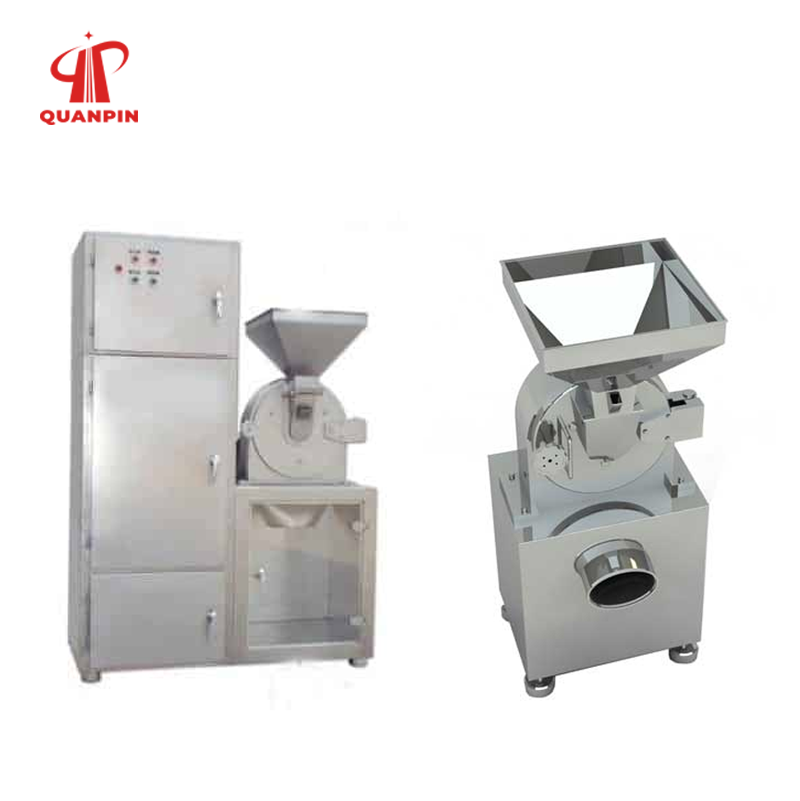
Pharmaceutical Pulverizer Unit Components and Interfaces
Feed arrangement
Confirm the feed arrangement from the actual equipment specification. Evaluate impact milling against the incoming and accepted distributions, with the collection boundary defined.
Grinding assembly
Identify the grinding assembly and the relevant operating configuration. The powder collection assessment should include retained inventory and separately collected fractions.
Conveying and recovery
Describe the conveying and recovery components included in the material path.
Collection-container sequence
Review collection-container changes and their place in the identification procedure.
Cleaning and line clearance
Include cleaning and line-clearance interfaces relevant to the actual changeover.
Lot and analytical records
Keep feed, operating and laboratory records connected through the run and lot identifiers.
Comparison Choices and Process Interfaces
Define the Reference Basis
Establish a reference run with identified feed and a documented collection sequence. Downstream dry blending needs powder whose relevant properties remain traceable after size reduction.
Preserve the sample identities used to assess its powder.
Keep the material assignment method explicit rather than relying on an approximate timeline alone.
Keep the Comparison Interpretable
When another lot is introduced, record the actual procedure followed.
Identify deviations that make part of the collection history uncertain.
Do not assign ambiguous powder retrospectively to the more favorable lot result.
Assess the Receiving Process
Assess the powder using the specification and test methods required for the intended use. A receiving powder blender is a separate operation; its uniformity cannot be inferred from the mill result alone.
Keep any proposed blending or rework separate from the original lot comparison.
Use unresolved identity questions to define further investigation or a revised trial boundary.
Industry Application and Acceptance
Pharmaceutical excipient controls should preserve the material traceability needed by the quality system.
Different lots may need their relevant characteristics reviewed before results are compared. A development comparison should not be presented as complete validation of an untested production process. See FDA process validation guidance.
Equipment operation alone does not establish that material identity has been maintained through every site connection.
A development changeover record does not replace the justified production procedure or validation approach.
Benefits and Practical Limits
A clear lot-change record can prevent uncertain powder from being treated as a clean comparison. Check whether transfer into the specified powder mixer changes segregation or handling behavior.
It cannot establish a universal clearing time or prove that a collection container contains only one lot. Assess relevant quality risks using the actual material and process context. See FDA ICH Q9 quality risk management.
Six Details That Affect the Result
Identify the actual feed lot in the operating record.
Record the event used to mark the start of a material change.
Preserve the collection-container sequence and associated sample identifiers.
Distinguish a documented material assignment from an assumption. Interpret measurements through process understanding rather than treating an isolated instrument reading as product acceptance. See FDA process analytical technology framework.
Retain deviations instead of hiding them within an overall average.
Keep laboratory reports connected to the accepted material identity.
Safety and Operating Requirements
Material changes and collection access must follow approved operating and exposure-control procedures.
Cleaning and cross-contamination requirements need assessment for the actual pharmaceutical duty.
Prepare Your Equipment Enquiry
Provide QUANPIN with the excipient duty and intended lot-handling arrangement. Define the interface with downstream Mixing Equipment rather than treating grinding and blending as one machine duty.
List collection, cleaning and identification interfaces that the trial needs to support. Where granulation follows milling, assess that later product independently under its own acceptance plan. Retain knowledge and manage adopted process changes through the pharmaceutical quality system. See FDA ICH Q10 pharmaceutical quality system.
Frequently Asked Questions
Does new feed establish every downstream particle's identity?
A feed change does not by itself prove the identity of all material remaining downstream.
Do collection containers need lot traceability?
Collection containers need identification that can be connected to the operating history.
Can uncertain powder be assigned by appearance?
Uncertain material should be investigated through the approved procedure rather than assigned by appearance.
Can combining fractions remove useful evidence?
Combining fractions can remove information needed for a lot comparison.
Is there a universal clearing time?
There is no universal changeover duration established by this equipment guide.
What should the changeover enquiry define?
An effective enquiry describes the required material boundaries as well as the desired powder.
Discuss Your Pharmaceutical Pulverizer Unit Application with QUANPIN
Discuss your application with Pharmaceutical Pulverizer Unit specialists at QUANPIN. Use the enquiry below or our contact page.
Email sales@quanpinmachine.com or stacie@quanpinmachine.com. Call +86 19850785582, or contact us on WhatsApp: +86 15921493205.