WFJ Fine Pulverizer: Define Particle-Size Sample Preparation Before Comparing Excipient Trials
By QUANPIN
A pharmaceutical milling comparison needs a defined particle-size test, including how the sample is prepared for measurement. Preserve that method before interpreting a WFJ classifier trial. The fine pulverizer duty begins with the required powder rather than an isolated machine setting.
The question is whether the analytical evidence supports the required excipient, rather than whether one reported number looks smaller. See the matching pharmaceutical industry applications.
What Analytical Basis Must a Milling Comparison Preserve?
Record the measurement method, sample preparation and reporting basis with every result. A changed preparation method creates an additional variable in the comparison.
Keep the equipment trial and the laboratory procedure traceable to the same sample identity so their contributions can be investigated separately. Use product-specific development knowledge to justify the attributes being examined. See FDA ICH Q8 pharmaceutical development.
Equipment Principle and Material Requirements
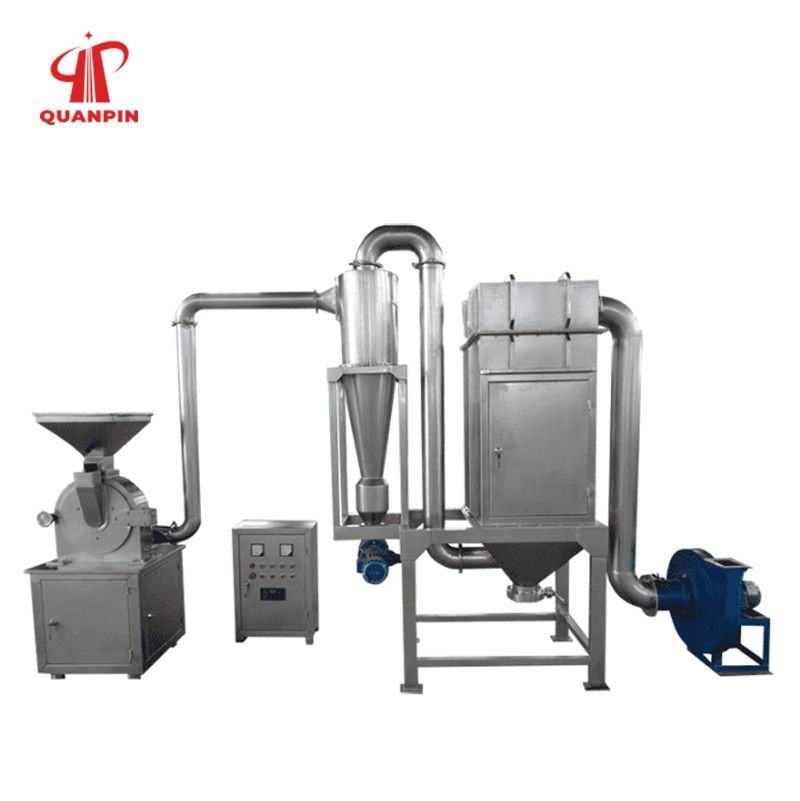
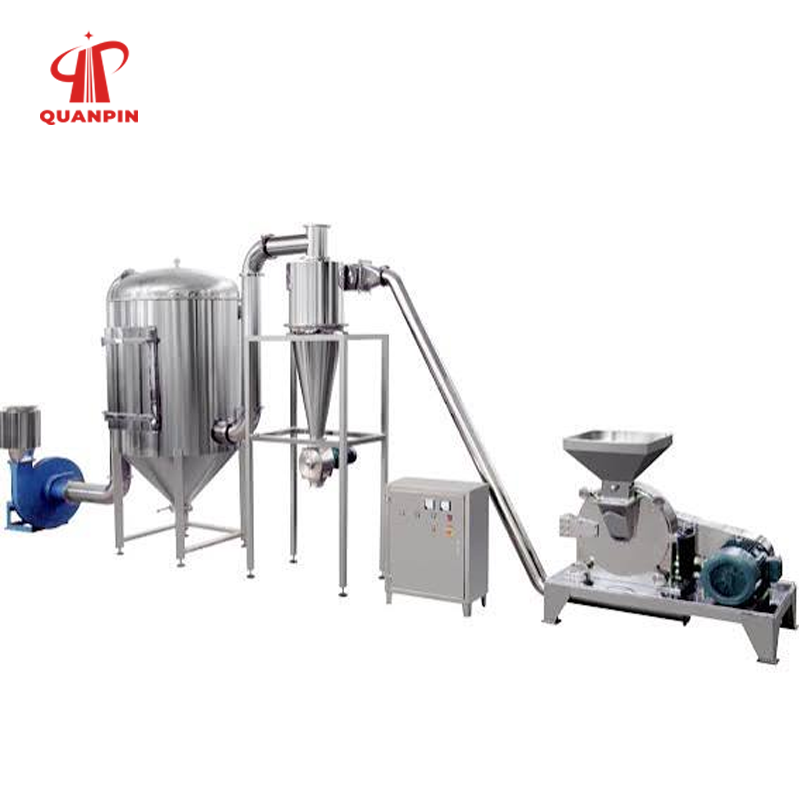
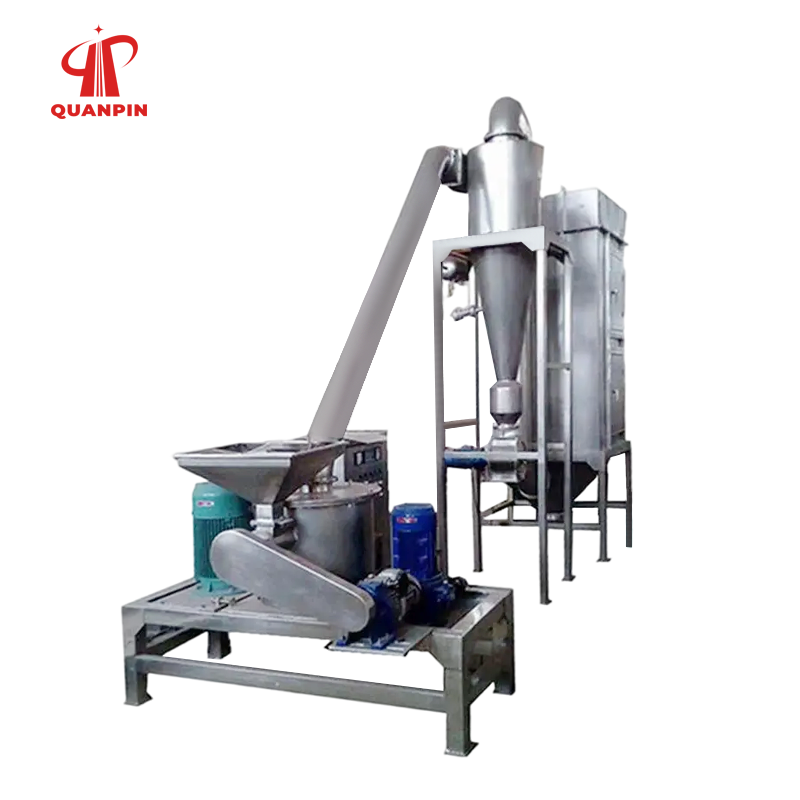
The WFJ combines grinding and classification within the specified powder-processing arrangement.
Its operating settings describe the equipment, while a particle-size result also depends on the actual sample and analytical procedure used.
Five Steps for the Application Study
Identify the excipient sample
Identify the excipient, lot and collection point represented by each test sample.
Agree analytical preparation
Agree the particle-size method and preparation procedure with the laboratory before milling begins.
Record the equipment run
Record the equipment configuration, feed condition and collection interval associated with each sample.
Preserve laboratory evidence
Preserve individual test results and any method deviations using the laboratory’s approved records.
Compare on the stated basis
Compare the evidence on the same justified analytical basis before changing the milling conditions.
Four Process Boundaries to Record
The material boundary identifies the excipient actually collected from the trial.
The preparation boundary states what the laboratory does to the sample before measurement.
The reporting boundary defines the particle-size attributes and calculation basis used in the result.
The acceptance boundary connects those attributes to the intended pharmaceutical use.
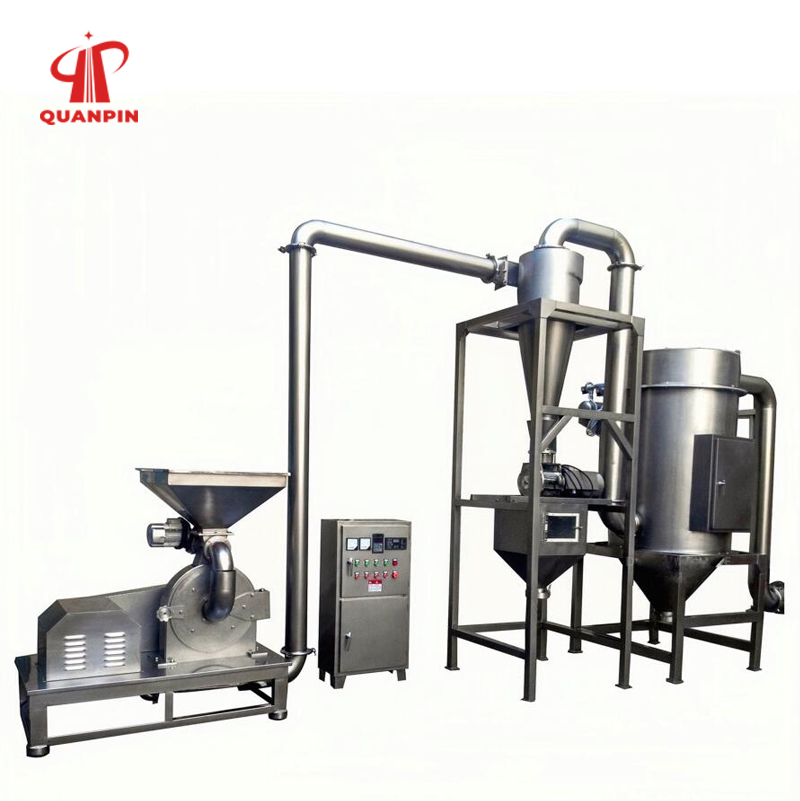
WFJ Fine Pulverizer Components and Interfaces
Feed and grinding configuration
Identify the feed and grinding configuration from the actual equipment documents. Evaluate particle size reduction against the incoming and accepted distributions, with the collection boundary defined.
Classifier setup
Record the classifier arrangement and the settings associated with the sample. The classifier mill assessment should include retained inventory and separately collected fractions.
Process air and recovery
Describe the process-air and collection scope without inferring an unconfirmed control feature.
Powder sample container
Identify the container and sampling method used for the recovered powder.
Analytical method records
Keep laboratory equipment and method identification with the analytical record.
Sample storage and transfer
Review sample storage and transfer where they belong to the approved preparation procedure.
Comparison Choices and Process Interfaces
Define the Reference Basis
Establish the reference trial using a defined excipient and analytical method. Downstream dry blending needs powder whose relevant properties remain traceable after size reduction.
Retain the original result report rather than copying only a preferred summary value.
Make the collection fraction and sample preparation visible in the reference description.
Keep the Comparison Interpretable
If another laboratory procedure is used, identify the change before comparing the numbers.
Do not label a method difference as a demonstrated classifier improvement without supporting evidence.
Where methods cannot be reconciled, report the comparison’s limitations explicitly.
Assess the Receiving Process
Assess the powder at the agreed receiving boundary as well as the mill collection point when required. A receiving powder blender is a separate operation; its uniformity cannot be inferred from the mill result alone.
Keep rejected material and retained laboratory samples separate from accepted-output accounting.
Use the findings to define the next trial and the analytical evidence it must preserve.
Industry Application and Acceptance
Pharmaceutical excipient development should identify which measured attributes matter for the intended formulation.
A particle-size test supports that assessment but does not replace identity, contamination or other required quality evidence. A development comparison should not be presented as complete validation of an untested production process. See FDA process validation guidance.
The method and its suitability belong in the product team’s documented development approach.
One comparative trial does not establish validation of a routine manufacturing process.
Benefits and Practical Limits
A stable analytical basis makes equipment comparisons easier to interpret and explain. Check whether transfer into the specified powder mixer changes segregation or handling behavior.
It cannot establish that a particular measured size is appropriate for every formulation. Assess relevant quality risks using the actual material and process context. See FDA ICH Q9 quality risk management.
Six Details That Affect the Result
Identify the laboratory method version used for the actual samples.
State the sample preparation rather than assuming the laboratory used an earlier instruction.
Preserve the reported distribution basis and units with the result.
Record deviations and repeat tests without silently replacing the original observation. Interpret measurements through process understanding rather than treating an isolated instrument reading as product acceptance. See FDA process analytical technology framework.
Keep feed and collection identities connected to each analytical sample.
Review the complete required specification rather than selecting one favorable particle-size attribute.
Safety and Operating Requirements
Sampling and preparation require controls appropriate to the actual excipient and its dust or exposure characteristics.
Equipment access must follow the installed system’s approved operating and isolation procedures.
Prepare Your Equipment Enquiry
Send QUANPIN the excipient duty, target powder attributes and proposed collection arrangement. Define the interface with downstream Mixing Equipment rather than treating grinding and blending as one machine duty.
Include the particle-size method and sample-preparation basis when asking for a comparative milling trial. Where granulation follows milling, assess that later product independently under its own acceptance plan. Retain knowledge and manage adopted process changes through the pharmaceutical quality system. See FDA ICH Q10 pharmaceutical quality system.
Frequently Asked Questions
Do matching result labels establish identical methods?
The same reported particle-size label does not prove that two laboratories used the same procedure.
Can altered preparation be ignored?
A different analytical preparation should be identified before results are treated as directly comparable.
Can an equipment setting replace a product test?
An equipment setting cannot replace a measured product result.
Does finer powder establish every quality attribute?
A finer result does not establish every other pharmaceutical quality attribute.
What if analytical differences remain unresolved?
Unresolved method differences should remain explicit in the trial conclusion.
What evidence should the milling enquiry include?
A useful enquiry provides both the desired powder and the evidence required to assess it.
Discuss Your WFJ Fine Pulverizer Application with QUANPIN
Discuss your application with WFJ Fine Pulverizer specialists at QUANPIN. Use the enquiry below or our contact page.
Email sales@quanpinmachine.com or stacie@quanpinmachine.com. Call +86 19850785582, or contact us on WhatsApp: +86 15921493205.