Ribbon Mixer for Seasonings: Separate Recipe Rework from Fresh-Batch Blend Acceptance
By QUANPIN
A seasoning study should identify rework separately from fresh ingredients. Define its status and approved use before comparing ribbon-mixer results.
The objective is an interpretable recipe and material account, without assuming that any retained seasoning can return to a batch. See the matching food industry applications.
Which Material Is Approved for the Actual Recipe?
Use rework only within the site’s approved food-safety, formulation and quality procedures. Record its identity and actual addition when permitted.
Keep fresh-batch acceptance and any rework decision distinguishable so one does not silently stand in for the other.
Equipment Principle and Material Requirements
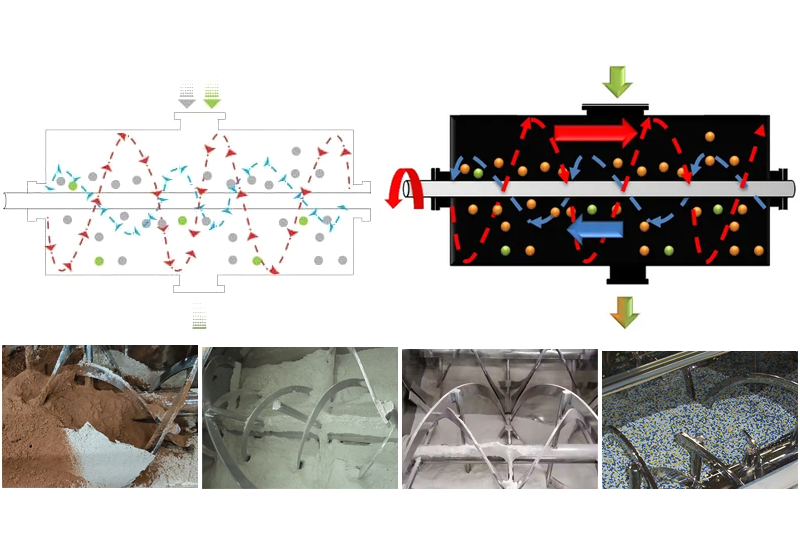
The horizontal ribbon mixer moves ingredients through its specified working volume. Describe the intended ribbon blender duty using the actual ingredient properties and working load.
Its mixing function does not determine whether a particular retained or recovered seasoning is suitable for reuse.
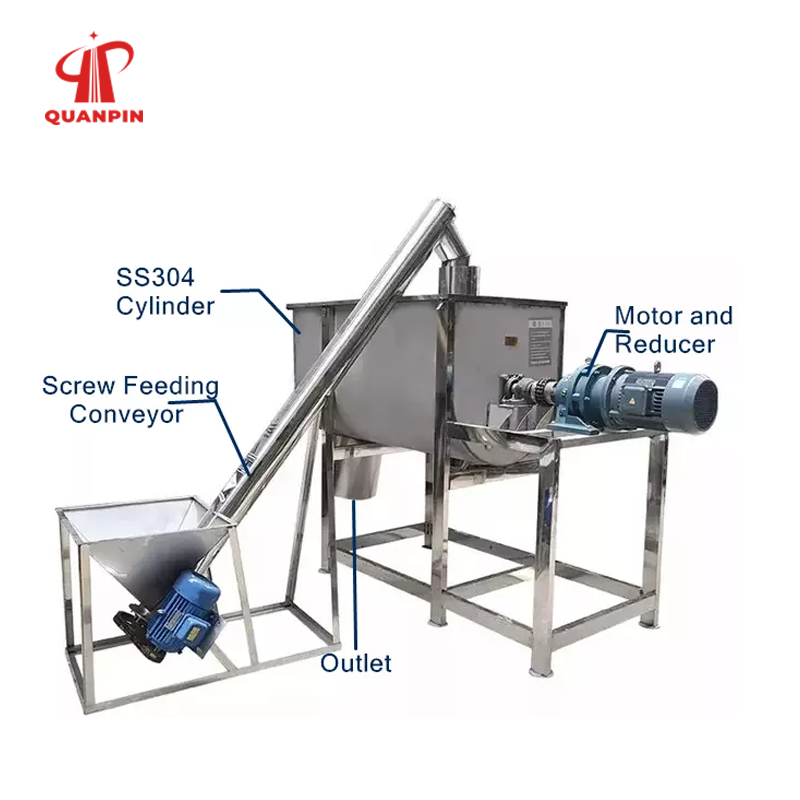
Five Steps for the Application Study
Identify fresh and retained material
Identify the intended fresh recipe and the material proposed as rework.
Confirm permitted use
Confirm its status and permitted disposition through the responsible food-quality procedure.
Record approved additions
Record any approved addition and its relationship to the actual formulation.
Preserve batch identity
Preserve operating and sample identities for the resulting blend.
Assess the finished seasoning
Assess the finished seasoning against its required food and composition criteria.
Four Process Boundaries to Record
The recipe boundary identifies intended ingredients and approved proportions from the actual formulation.
The rework boundary identifies the retained material and its documented history.
The addition boundary records what actually reaches the mixer.
The acceptance boundary defines the evidence required for the resulting finished product.
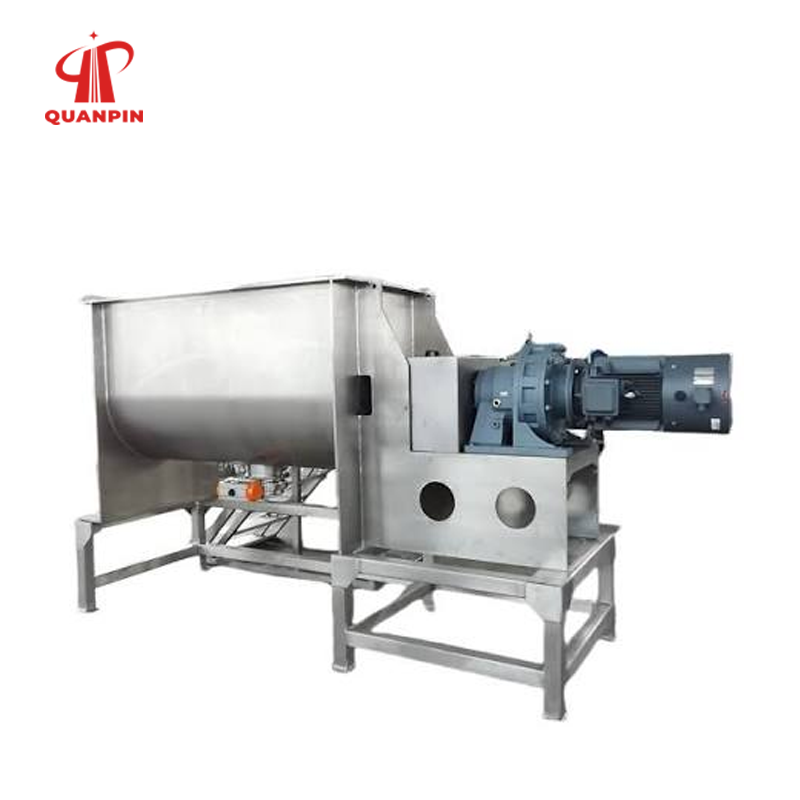
Ribbon Mixer for Seasonings Components and Interfaces
Ribbon and trough
Confirm the ribbon and trough configuration for the seasoning duty.
Approved material charging
Identify charging arrangements for both ordinary ingredients and any approved rework. Choose the dry blending arrangement for the documented material rather than a generic vessel-volume claim.
Product discharge
Describe the discharge and receiving arrangement within scope.
Shared contact path
Include shared contact parts in the relevant cleaning and allergen review.
Material addition records
Keep material identity and addition records connected to the batch.
Food-quality sampling
Preserve sampling and analytical methods used to evaluate the finished seasoning.
Comparison Choices and Process Interfaces
Define the Reference Basis
Establish a fresh-batch reference using the approved recipe and identified ingredients. Review the powder blender interfaces, including charging, sampling and receiving equipment.
Retain its composition and food-quality evidence without introducing undocumented reused material.
State the material boundary represented by the reference samples.
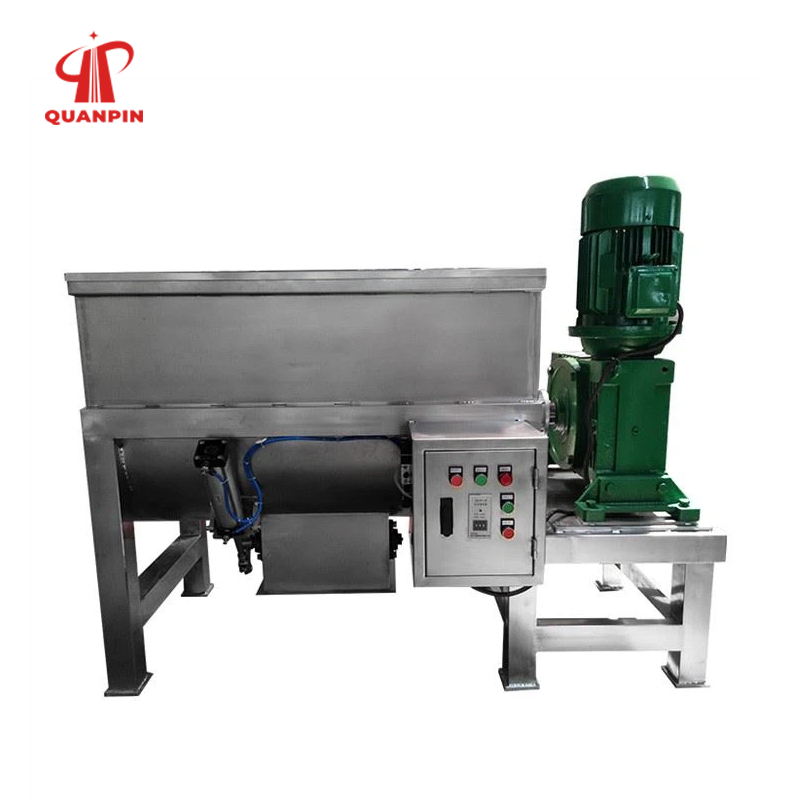
Keep the Comparison Interpretable
When approved rework is studied, identify its source and handling history separately.
Record accompanying formulation or operating changes so the comparison remains interpretable.
Do not present an unapproved addition as a routine mixer configuration choice.
Assess the Receiving Process
Assess the resulting seasoning at the required discharge or packing boundary. Define how the powder mixer connects to the preceding preparation and the next operation.
Keep leftovers, retained samples and rejected material distinguishable from accepted product.
Use the complete evidence for the site’s disposition decision and any further trial.
Industry Application and Acceptance
Seasoning production requires food-hygiene and hazard controls suited to the actual ingredients. Food equipment and processing need appropriate hygiene controls. See FDA food manufacturing practices.
Rework may introduce formulation, allergen or handling considerations that need assessment through the real recipe. Identify allergens and cross-contact requirements when ingredients or carriers introduce them. See FDA food allergen information.
Moisture, water activity and composition tests answer different questions about the product. Water activity describes a property different from total moisture content. See FDA water activity background.
A successful mixing observation does not establish permission to reuse every recovered food material.
Benefits and Practical Limits
A separate rework record can prevent recipe history from becoming hidden in a blending comparison. Selection of Mixing Equipment should include cleaning access and the intended campaign sequence.
It cannot establish a universal reuse proportion, storage period or food-safety disposition.
Six Details That Affect the Result
Identify the source and status of proposed rework.
Retain its formulation and relevant handling history.
Record approved additions as actual quantities rather than intended totals alone.
Include carriers and allergens in the ingredient review where relevant.
Keep fresh and rework-containing trial results identifiable. Include relevant sanitation and handling requirements in the food-process review. See FDA sanitation and transportation resources.
Preserve the responsible site’s acceptance or rejection decision with the batch evidence.
Safety and Operating Requirements
Charging and cleaning must follow approved operating and food-hygiene procedures.
Dust, allergens and contamination risks require assessment for the actual material and shared contact path. Food hazard analysis and relevant preventive controls are separate from demonstrating a preferred ingredient appearance. See FDA preventive controls for human food.
Prepare Your Equipment Enquiry
Send QUANPIN the intended recipe duty and any approved material-handling requirement affecting the mixer. Specify the evidence required for industrial mixers; a favorable visual impression is insufficient where composition matters.
State charging, cleaning and discharge interfaces that need review without treating equipment selection as a food-disposition approval. Compare uniform powder mixing at the same material and acceptance boundary before scaling the working batch.
Frequently Asked Questions
Is retained seasoning automatically approved rework?
Retained seasoning should not automatically be treated as approved rework.
Who defines permitted rework use?
The permitted use of rework belongs to the actual food-quality and formulation procedures.
Should fresh and rework trials remain identifiable?
Fresh and rework-containing batches need traceable material identities.
Does appearance establish finished-product acceptance?
Uniform appearance does not establish every required finished-product criterion.
Is there a universal reuse proportion?
No universal reuse proportion or storage limit is established by this guide.
What material requirements should QUANPIN receive?
A useful enquiry states the approved material duty and the required equipment interfaces.
Discuss Your Ribbon Mixer for Seasonings Application with QUANPIN
Discuss your application with Ribbon Mixer for Seasonings specialists at QUANPIN. Use the enquiry below or our contact page.
Email sales@quanpinmachine.com or stacie@quanpinmachine.com. Call +86 19850785582, or contact us on WhatsApp: +86 15921493205.