Pulverizer Discharge Sampling: Why Two Particle Size Results Disagree
By QUANPIN
Two particle size reports can disagree even when a pulverizer machine runs steadily. Before changing settings, separate variation created by grinding from variation introduced during collection, sample division, transport, and laboratory preparation.
For the High-Efficiency Pulverizer Unit, a useful acceptance trial follows material from feed container to laboratory result. This guide proposes a practical investigation sequence without assigning unverified throughput, fineness, or containment capabilities to the equipment.
Define the Disagreement
Start with the actual complaint. A coarse tail, drifting median, and inconsistent replicate measurements describe different problems; recording only a single average hides information needed to locate the cause.
Write down the sampling point, collection interval, container, sample mass, and analytical method before comparing results. A number without this history cannot reliably identify a machine problem.
Map the Sampling Chain
Keep the operating condition unchanged while investigating the measurement chain. Changing several settings immediately may erase the evidence that distinguishes poor sampling from unstable grinding.
A sample from the top of a filled container may represent that location rather than the whole discharge. Particle movement during filling and handling can redistribute material.
Collect Across the Run
State the observed symptom
Agimelen and colleagues showed that spherical scattering models can create artificial size modes for needle-like particles. For elongated feed materials, examine method suitability as well as collection before interpreting a reported fine fraction as successful grinding. See Agimelen et al. study of laser diffraction artefacts.
Freeze the baseline
Map every transfer between the discharge and the analyzer. Include the receiving vessel, temporary bag, transport container, sample divider, and laboratory scoop in the investigation.
Locate segregation opportunities
Choose a sampling location that can be accessed through an approved safe arrangement. Operators should never reach into moving equipment or improvise an opening to obtain a better sample.
Choose safe access
Where the installation permits, plan increments across the moving discharge rather than repeatedly scooping one accessible surface. Define coverage of the stream and collection period in advance.
Separate time increments
A sampling plan must match the question. A composite can estimate a lot characteristic, while separate time increments are needed to investigate drift during the run.
Retain Feed and Trial Records
Preserve individual increments during the first diagnostic trial. Combining everything immediately can conceal a short period of coarse material behind an acceptable combined result.
Collect a feed reference from the same trial. A change in incoming particle size or material condition can explain a discharge difference without proving a mechanical fault.
Record material identity, lot, storage history, and observable condition. Do not substitute an assumed moisture value when the trial has no measurement supporting it.
Set aside enough material for repeat preparation and an independent check. Determine the required amount with the laboratory rather than choosing a convenient container size.
Divide Samples Consistently
Keep a feed reference
Use consistent collection tools and identify each container immediately. Similar-looking powders and handwritten labels prepared later create avoidable traceability errors.
Label and retain portions
El-Shall and Moudgil’s sampling paper explains why sample representativeness depends on the stream and sampling procedure. Use that framework to justify increment coverage rather than relying on convenience. See Design of Optimum Sampling Plans for Dry Powders and Slurries.
Reduce samples deliberately
Once collected, reduce the sample through a documented division procedure. Removing a small scoop from a large vessel introduces another opportunity for selective collection.
Prepare independent replicates
Choose a divider compatible with the powder and available quantity. Verify operation with the actual material; a device name alone does not establish representative subdivision.
Identify the reporting basis
Keep replicate laboratory portions separate after division. Comparing repeated readings of one prepared portion answers a narrower question than comparing independently prepared portions.
Control dispersion conditions
Ask the laboratory to state whether its distribution is reported by volume, number, or another basis. Values using different weighting conventions should not be treated as interchangeable.
Align Analytical Methods
Check laboratory agreement
Record the particle size method and preparation settings alongside the result. Sieving, image analysis, and laser diffraction do not necessarily describe irregular particles in identical ways.
Document dispersion conditions where applicable. A method that separates loose agglomerates may return a different apparent distribution from one that leaves them intact.
Do not increase dispersion energy until the result looks desirable. The preparation method should represent the intended measurement and avoid uncontrolled changes to the sample.
Read the coarse tail
Distinguish repeatability from agreement. Closely repeated measurements can still describe a biased portion, while variation between independently divided portions points toward another part of the chain.
ASTM B215 addresses metal powder sampling and explicitly considers segregation. Its scope is metal powders; it is a useful sampling reference here, not a pharmaceutical compliance requirement. See ASTM B215-15 metal powder sampling scope.
Compare results from the same method first. If laboratories disagree, exchange documented portions and preparation instructions before concluding that the industrial pulverizer produced inconsistent material.
Change one factor
Check whether rounding or reporting limits explain an apparent discrepancy. Retain the underlying distribution and method records rather than only a pass or fail statement.
A coarse tail that appears in every independently collected increment deserves process investigation. A coarse tail appearing in one divided portion first warrants a sampling and preparation review.
Plot results against collection time and operating observations. Relate changes to feed interruptions, discharge handling, and material transitions without assuming that coincidence proves causation.
Interpret Replicate Results
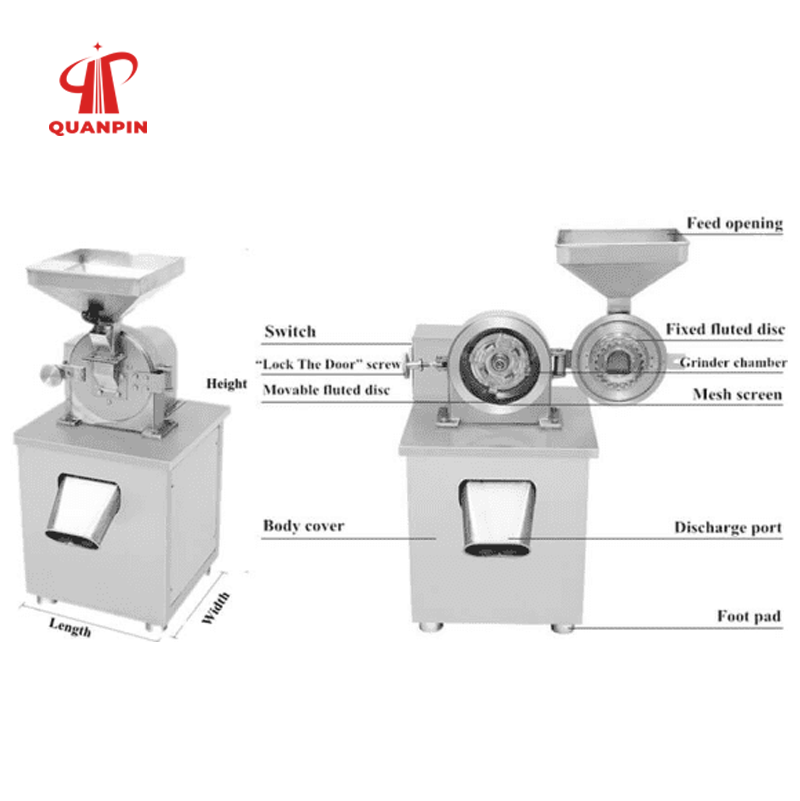
Inspect the installed configuration using the equipment documentation. Screen condition, accessible wear components, and assembly checks belong in a controlled inspection rather than an improvised adjustment.
For a universal pulverizer evaluation, keep the feed lot and analytical method fixed while changing one agreed trial factor. Record both the intended setting and what actually occurred.
Material properties can influence grinding response. Baraldi and colleagues studied pharmaceutical powder mechanics and jet milling; their research supports material-specific trials, not direct performance predictions for this unit. See Baraldi et al. pharmaceutical powder grinding research.
Do not transfer a jet-mill correlation into a guaranteed result for a different grinding mechanism. Ask the supplier to demonstrate the proposed powder grinding machine with representative material.
Investigate Process Variation
Repeat a baseline condition after the changed trial. If the baseline also shifts, investigate feed history, condition changes, or measurement drift before attributing the difference to the adjustment.
Keep collection timing consistent between trials. Comparing startup material from one run with steady operation from another creates an avoidable experimental mismatch.
Respect Material and Mechanism Differences
Longer processing should not be treated as a universal route to unlimited fineness. Research by Martelli and Di Nunzio models limiting size reduction in brittle-material ball milling. See Martelli and Di Nunzio ball-milling energy study.
That ball-milling study does not define this pulverizer’s endpoint. Its relevant lesson is to verify marginal benefit experimentally instead of assuming that more processing must always solve a coarse result.
Include usable product recovery in the assessment. A distribution measured only on the easiest collected fraction may overlook retained material or other separately handled fractions.
Reconcile the feed and collected quantities using the trial’s agreed boundary. Explain exclusions and hold-up rather than describing an incomplete collection as a measured production yield.
Specify the acceptance characteristic before requesting a quotation. State the analytical method, sampling arrangement, distribution limits, and material condition needed to interpret the result.
An industrial pulverizer price comparison becomes more meaningful when competing trials use the same feed and measurement protocol. A lower quotation cannot compensate for results that cannot be compared.
Assess Recovery and Trial Boundaries
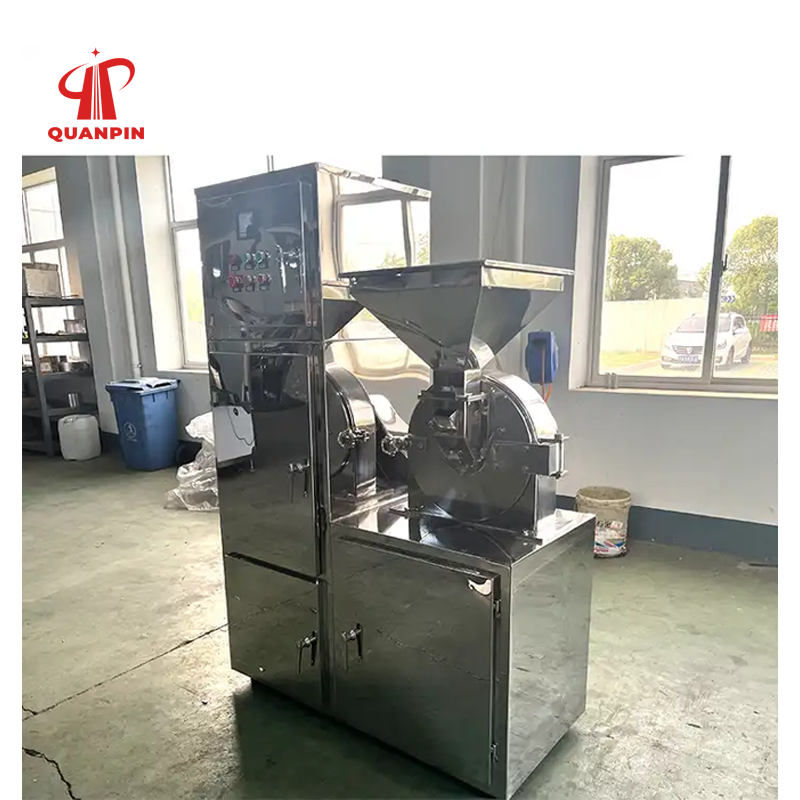
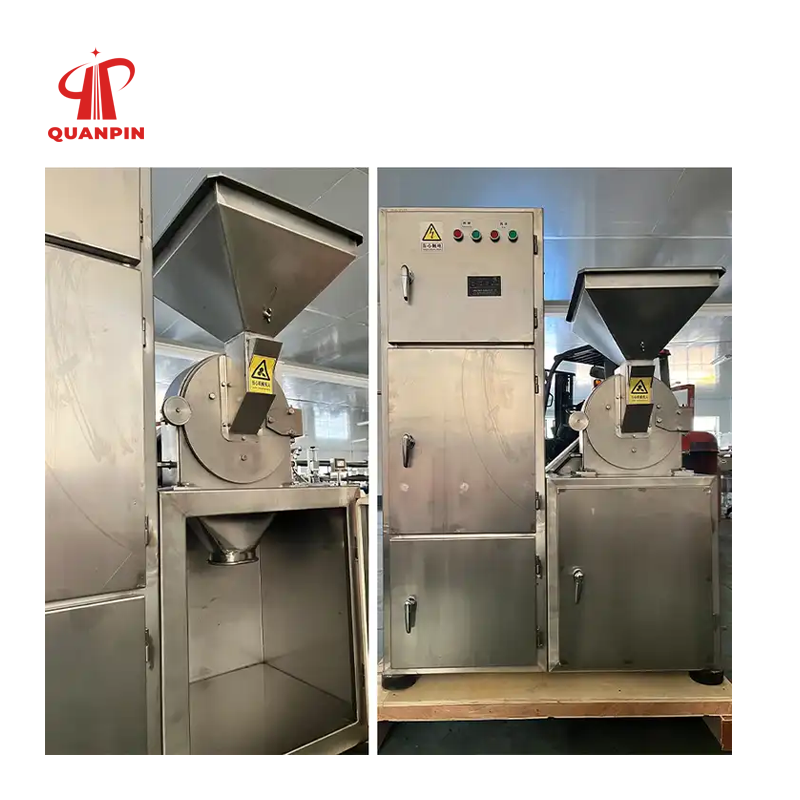
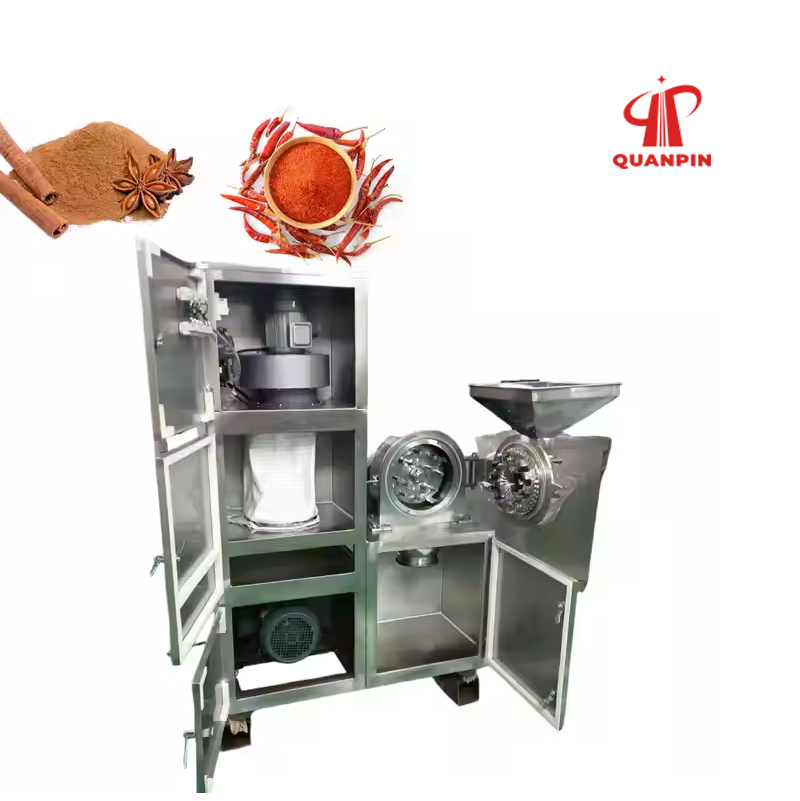
Request the exact proposed configuration and define which accessories belong to the quotation. Do not infer collection, cooling, or dust-control capabilities from a general product photograph.
Agree who collects samples, who performs analysis, and who retains reference portions. These responsibilities should be settled before the demonstration rather than after conflicting reports arrive.
Write a Comparable RFQ
If only one result fails, retain the original data and investigate its history. Repeatedly testing until a favorable result appears does not explain the discrepancy.
If all properly collected increments fail similarly, review process suitability with the supplier. The response may involve a different configuration or equipment choice rather than a reporting adjustment.
Choose the Next Investigation
Repeat the baseline
If the distribution changes mainly after transport, inspect container handling and subdivision. Retest matched portions before changing a stable production condition.
Check diminishing returns
If independently prepared portions disagree within one laboratory, review preparation and method suitability. Instrument repeat measurements alone cannot resolve variation created before measurement.
Reconcile collection quantities
Prepare a trial packet containing the feed description, collection diagram, increment labels, operating record, analytical procedure, and full distributions. Keep observations separate from explanations that remain untested.
Assign trial responsibilities
Use the packet to identify the next discriminating trial. The best next step removes a specific uncertainty instead of generating another isolated particle size number.
Follow the evidence
For a QUANPIN enquiry, provide representative feed, the intended downstream use, and the required distribution measured by a named method. Include any handling or installation constraints already known.
Build a useful trial packet
A defensible equipment decision connects an actual powder, a documented trial, and a representative measurement. Once that chain is reliable, operating changes can be judged on evidence rather than conflicting samples.
Prepare the Supplier Trial
Discuss the High-Efficiency Pulverizer Unit with QUANPIN or use the contact page.
Email sales@qpdryer.com or stacie@qpdryer.com. Call +86 19850785582, or contact us on WhatsApp: +86 15921493205.