The defining feature of this process is mechanical extrusion of prepared damp material through openings. Equipment selection becomes clearer when the team follows the material from preparation through the working zone and into the receiving operation. For pharmaceutical manufacturing, that route must be developed around the actual formulation. A supplier description explains the mechanism; a representative trial establishes whether the selected configuration can produce the condition required by the next stage.
This guide focuses on observable material behavior rather than unsupported output or quality promises. Establish the incoming condition, identify samples by their location or collection time, and compare physical handling with the chosen analytical endpoint. The discussion assumes an appropriately assessed pharmaceutical process. It does not establish suitability for every solvent, potent substance or regulated product, and the equipment itself does not confer regulatory approval.
- Define the intended extrudate before selecting equipment. Length, resistance to handling and behavior after drying affect whether an extruded form is useful downstream. Specify the desired condition as a development objective. Do not assume that every pharmaceutical wet blend can form coherent strands under the same preparation method. Discuss the Extrusion Granulator when reviewing this part of the process.
- Prepare a feed with suitable plasticity. The damp blend must deform and pass through the extrusion openings while retaining enough cohesion afterward. A dry crumbly mass and an overwet adhesive paste present different problems. Compare these behaviors with representative material before narrowing the operating window. For finished-drug operations within its scope, 21 CFR 211.122 addresses packaging and labeling materials; apply that requirement through the manufacturer’s quality system.
- Keep binder and moisture distribution consistent. Local wet regions can pass differently from poorly wetted powder even when the average moisture appears acceptable. Review the upstream blending sequence and sampling method. Extrusion exposes those differences through strand condition, but it does not automatically remove their underlying cause.
- Follow the material into the working zone. Mechanical action advances the prepared mass toward the forming openings. Watch for feed bridging or intermittent supply that changes the pressure and continuity of passage. An operator should not need to compensate repeatedly for an unsuitable upstream feed arrangement. Discuss the pharmaceutical granulator when reviewing this part of the process.
- Observe strand formation at the outlet. Coherent strands, rough fractured pieces and smeared discharge indicate different material responses. Preserve samples directly from the extrusion boundary before secondary handling changes their appearance. Compare observations with the identified feed portion and the preparation record from the same trial. For finished-drug operations within its scope, 21 CFR 211.125 addresses labeling issuance; apply that requirement through the manufacturer’s quality system.
- Consider resistance through the forming openings. Formulation, opening geometry and material condition interact during passage. Do not change the die and moisture addition together when the aim is to understand one problem. A controlled development sequence makes the resulting observations more useful for selecting the final configuration.
- Check whether mechanical work changes the feed. Repeated deformation can influence temperature and consistency for some formulations. Monitor appropriate signals during development rather than assuming the material remains unchanged. If sensitivity is a concern, assess the exposed product directly under the proposed trial conditions. Discuss the china fluid bed granulator manufacturer manufacturer when reviewing this part of the process.
- Arrange collection to limit unwanted sticking. Fresh extrudate can adhere to neighboring pieces or deform under its own accumulated weight. Coordinate collection depth and transfer frequency with the receiving operation. Product shape at the outlet is only useful if the subsequent handling preserves the required characteristics. For finished-drug operations within its scope, 21 CFR 211.130 addresses packaging and labeling operations; apply that requirement through the manufacturer’s quality system.
- Include drying in the formulation trial. Extruded pieces contain moisture paths different from loose powder, and their structure may change as liquid leaves. Examine the dried material for breakage, hardness and retained moisture using appropriate methods. Decide acceptance from the intended downstream operation rather than wet appearance alone.
- Treat pharmaceutical excipient blends as material-specific applications. Extrusion may provide a useful route where a prepared damp mass can form and retain the desired shape. Ingredient compatibility and final product performance require separate evidence. The machine principle alone does not establish bioavailability, stability or therapeutic equivalence. For finished-drug operations within its scope, 21 CFR 211.132 addresses tamper-evident packaging for applicable over-the-counter drugs; apply that requirement through the manufacturer’s quality system.
- Inspect the forming components and retained material. Residue around openings can affect the next run, while damaged parts can alter the emerging shape. Review removal, cleaning and correct restoration during selection. Include the time required for this work when comparing practical campaign capacity. Discuss the Dry Granulator when reviewing this part of the process.
- Ask QUANPIN to evaluate the complete extrusion route. Provide the actual blend, binder preparation, feed holding conditions and receiving dryer requirement. Request a trial that preserves feed and outlet sample identities. Build the equipment brief around consistent passage and acceptable dried granules, supported by documented development observations. For finished-drug operations within its scope, 21 CFR 211.134 addresses drug product inspection; apply that requirement through the manufacturer’s quality system.
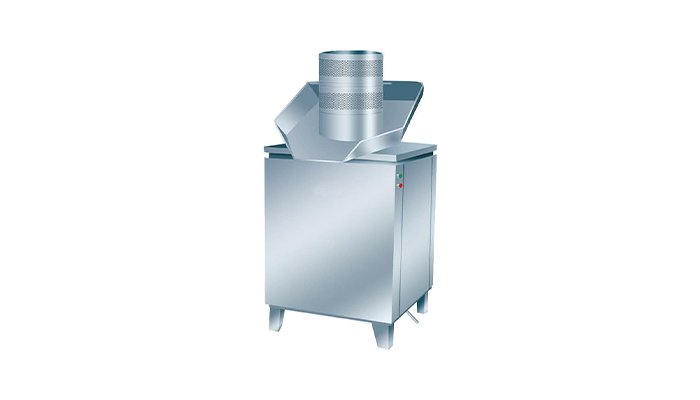
Discuss your material and production route with QUANPIN. Review the corresponding equipment information before arranging a material trial.
YANCHENG QUANPIN MACHINERY CO.. LTD
Sales Manager – Stacie Tang
MP: +86 19850785582
Tel: +86 0515-69038899
E-mail: stacie@qpdryer.com
WhatsAPP: 8615921493205
https://quanpindrying.en.alibaba.com/
Address: Jiangsu Province, China.