Extrusion granulation depends on a wet blend that deforms under the forming action and holds a useful shape after emerging. For a JZL evaluation, the material recipe and preparation sequence therefore deserve as much attention as the forming components. A pharmaceutical excipient blend containing starch or cellulose can serve as a trial example, provided its suitability is established with the actual formulation.
The process creates formed wet material that still needs controlled collection and, where required, drying. Its potential advantage is a more organized initial form for subsequent processing, conditional on preserving that form through handling. The development task is to connect plasticity, passage, fresh extrudate and dried granules. Neither a smooth-looking strand nor easy passage alone establishes final dosage performance or production readiness.
- Define the intended form. Explain what the receiving process needs from the wet extrudate and how the dried product will be used. This gives the demonstration a purpose beyond simply producing strands. Different downstream handling requirements can lead to different acceptance observations even when the same incoming powder ingredients are used. Discuss this step with the Extrusion Granulator supplier. For applicable finished-drug operations, 211.160 requires the site to establish scientifically sound laboratory controls.
- Prepare a representative powder blend. Identify coarse particles, persistent lumps and minor ingredients that may be difficult to distribute. An extrusion trial should begin with a defined blend rather than a convenient substitute powder. Preserve the preparation history because nonuniform starting material can emerge as inconsistent texture or strength.
- Distribute the wetting liquid. Introduce binder or other specified liquid through the chosen upstream preparation process. Examine different portions of the resulting mass for contrasting behavior. The forming step may reveal wet and dry regions, but it should not be expected to replace a preparation operation that was never established adequately. For applicable finished-drug operations, 211.165 requires the site to test finished batches against applicable release specifications.
- Assess deformation before feeding. Compare whether the prepared mass crumbles, deforms cohesively or coats contact surfaces. These observations guide the trial without replacing an agreed analytical method. A blend that cannot retain a fresh shape may require preparation development before equipment selection can be judged meaningfully. Discuss this step with the pharmaceutical granulator supplier.
- Define the holding condition. Record the interval between wet preparation and extrusion and any protection from moisture loss. A mass tested immediately can behave differently after routine production waiting. Include that likely variation so the purchase decision does not depend on a narrow condition that operators cannot maintain reliably. For applicable finished-drug operations, 211.180 requires the site to retain required records and review production information appropriately.
- Observe admission to the working region. Determine whether feed reaches the forming zone continuously or bridges above it. Intermittent admission can generate a changing discharge even when other settings remain constant. Review practical charging with the supplier and operators, keeping observation methods consistent with the machine’s guarding and approved operating procedure.
- Examine emerging extrudate. Compare surface appearance, continuity and immediate shape retention across the operating sequence. Rough or breaking pieces and adhesive flattened pieces suggest different material behavior. Keep samples identified by time so those differences can be connected to feed condition, rather than combining everything into one attractive demonstration sample. Discuss this step with the JZL Series Extrusion Granulator supplier. For applicable finished-drug operations, 211.182 requires the site to keep the required equipment cleaning, maintenance and use records.
- Inspect the forming openings. Deposits can change passage, while worn or damaged components can affect the emerging form. Review inspection and replacement criteria with the supplier. Do not infer that every change in strand appearance is a formulation issue when the condition of the forming surface has not been established.
- Arrange gentle collection. Fresh wet extrudate can deform under its own accumulated weight or stick to adjacent pieces. Test the intended receiving arrangement and transfer frequency. Preserving the emerging form is part of the process, so include handling staff in the demonstration and examine material after the normal collection interval. For applicable finished-drug operations, 211.188 requires the site to prepare complete batch production and control records.
- Dry representative formed material. Examine the dried interior and exterior with suitable methods and compare breakage after the intended handling. A formed structure presents a different path for moisture removal from a loose powder bed. The dryer trial should use actual extrudate rather than an unformed sample of the same recipe. Discuss this step with the extrusion granulation supplier.
- Review campaign restoration. Demonstrate access to product-contact areas and forming components using approved maintenance practices. Retained wet mass can become difficult to remove after waiting, so discuss the actual emptying and cleaning sequence. Include inspection and reassembly effort when comparing the practical operation of proposed configurations.
- Write a material-based selection brief. Give QUANPIN the powder composition information appropriate for the project, liquid preparation, holding history and required downstream condition. Request linked samples before extrusion, after forming and after drying. Judge the result against agreed formulation requirements without borrowing performance claims from another granulation mechanism.
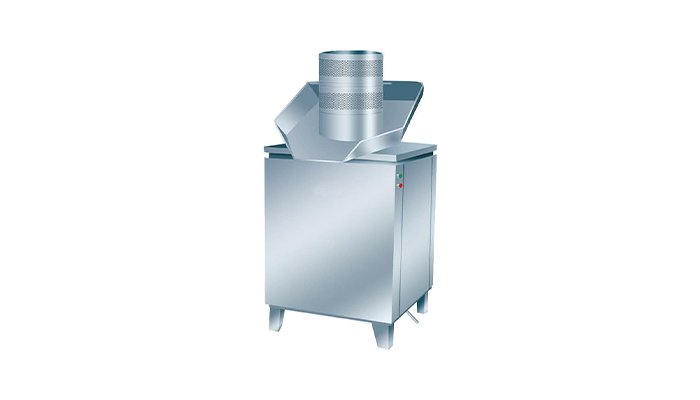
Discuss your material and production route with QUANPIN. Review the corresponding equipment information before arranging a material trial.
YANCHENG QUANPIN MACHINERY CO.. LTD
Sales Manager – Stacie Tang
MP: +86 19850785582
Tel: +86 0515-69038899
E-mail: stacie@qpdryer.com
WhatsAPP: 8615921493205
https://quanpindrying.en.alibaba.com/
Address: Jiangsu Province, China.