Hot Air Drying of Berries: Measure Surface Colour Separately from Extractable Anthocyanins
By QUANPIN
A tray dryer trial can produce berries that remain dark while their extractable anthocyanin content changes. Surface appearance and an extract-based pigment assay are different observations.
For food ingredient development, decide whether the required attribute is visual colour, measured pigment content or both. A colour photograph cannot independently supply an unmeasured chemical result.
Separate Appearance from Extract Composition
Instrumental surface colour describes reflected light under defined measurement conditions. The observation includes effects of the surface and sample presentation as well as pigment composition.
An anthocyanin assay describes compounds recovered and measured through its preparation and analytical procedure. Its reporting basis belongs alongside the value.
Identify the Analytical Response
A total anthocyanin measurement and the concentration of a particular chromatographic component are different results. Avoid replacing one with the other without a demonstrated analytical relationship.
These distinctions matter when comparing fresh, previously frozen and dried material. Preparation changes can alter both the surface being observed and the extract that is analysed.
Five Inputs for a Berry Trial
Berry identity
Identify the berry species, cultivar and maturity. A finding for one fruit cannot define pigment acceptance for every purple or red ingredient.
Incoming state
Preserve the incoming state, including any freezing history. Previously frozen berries need not behave like fresh berries in an otherwise similar drying trial.
Colour method
Define the colour method and presentation. Whole-fruit surface readings and the colour of a homogenized extract answer different questions.
Pigment method
State the extraction and pigment method. Keep solvent, sample preparation and reporting basis consistent within the intended comparison.
Intended food use
Specify the food use and acceptance attributes. A visually acceptable fruit piece may require different evidence from an ingredient sold for its measured pigment content.
Read the Raspberry Comparison
An original raspberry experiment illustrates why appearance and measured composition should remain separate within the same trial.
Convective Drying of Fresh and Frozen Raspberries and Change of Their Physical and Nutritive Properties compared fresh and frozen Polana raspberries subjected to convective drying and examined surface colour, physical changes and several compositional measurements.
Its relatively small measured colour changes did not establish unchanged concentrations of the measured compounds. The result concerns the investigated fruit and its actual analytical methods.
The work does not demonstrate an equivalent pigment-retention result for QUANPIN equipment. Use it to define separate tests for a representative material evaluation.
Six Stages from Feed to Interpretation
Before drying
Before drying, preserve a representative incoming specimen and its identification. Record whether the starting material was fresh or previously frozen.
During loading
During loading, describe the actual fruit form and arrangement. Differences in surface condition and geometry belong in the trial record.
During processing
During processing, retain the selected method and material history. An air setting does not identify every exposure experienced by the sample.
During collection
During collection, label the specimens used for surface colour and extraction. Keep their identity linked to the same process condition.
During analysis
During analysis, preserve the analytical preparation. An altered recovery procedure can complicate an apparent change in composition.
During interpretation
During interpretation, compare each attribute on its stated basis. Avoid combining surface colour and chemical concentration into an unexplained overall quality number.
Compare Different Process and Quality Rankings
Compare processing routes
A different drying route may change processing time without providing the highest value for every compositional response.
Physical and Chemical Properties of Convective- and Microwave-Dried Blackberry Fruits compared microwave and convective blackberry drying and measured anthocyanins alongside other physical and chemical attributes.
The shortest investigated microwave treatment was not the one associated with the highest reported pigment concentration. Its apparatus and settings cannot be assumed part of a standard hot-air proposal.
Separate sensory and chemical objectives
The preferred appearance and preferred pigment result may also occur under different conditions within a single fruit experiment.
Evaluation of Blue Honeysuckle Berries Dried at Different Temperatures examined hot-air-dried blue honeysuckle berries. The best sensory appearance and the highest measured total anthocyanin result occurred at different investigated temperatures.
The study also considered cuticular wax and other quality attributes. Those findings do not establish that a surface colour coordinate can universally predict chemical retention.
Retain method boundaries
A broader comparison of berry drying methods reinforces the need to preserve the measurement objective.
Drying Processes and Their Effects on Selected Blueberry Properties assessed blueberry colour and anthocyanin content after hot-air, vacuum, infrared and freeze drying, observing different responses between the investigated methods.
The study also included biological assays, which are outside this equipment-selection discussion. No clinical benefit or therapeutic claim follows from a powder or fruit-drying trial.
Keep Analytical Specificity Explicit
Analytical specificity remains important even when all specimens belong to the same botanical source.
The Effect of Sample Pretreatment on the Anthocyanin Content in Czech Wild Elderberry compared dried and frozen elderberry extracts using spectrophotometric methods and chromatography for selected individual anthocyanins.
That comparison identifies what the methods actually measured. It does not make a total assay interchangeable with every individual-component result or a surface-colour observation.
The appropriate conclusion preserves the pretreatment and assay boundary. Differences between fruit species and procedures should not become an unsupported universal drying rule.
Define the Food-Ingredient Objective
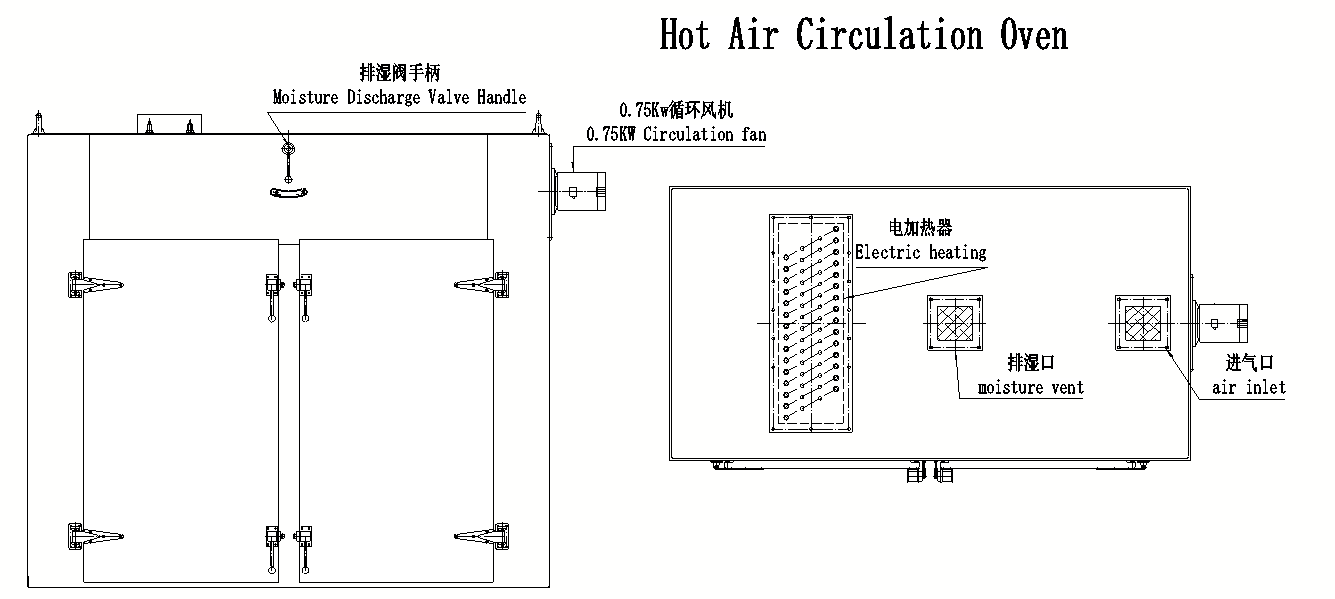
A hot air circulation oven enquiry should identify which visible and compositional attributes the proposed ingredient must meet.
Agree which material samples and laboratory measurements are available. The supplier trial and extraction analysis may require separate responsibilities.
Investigate Contrasting Results
If dried berries remain dark while measured pigment decreases, retain both observations. The appearance does not invalidate the analytical result merely because the directions differ.
If a colour coordinate changes without an equivalent total-assay change, review the surface and method. Different attributes need not move proportionally.
If frozen and fresh material differ, preserve the preparation history before attributing the whole difference to drying.
If a faster process gives a different pigment result, compare the complete exposure and analytical basis. Processing time alone is insufficient to rank ingredient quality.
If total and individual anthocyanin results disagree, identify which components and equivalents each method reports. Resolve the analytical question before claiming a process advantage.
If a result is expressed per dry mass, keep that basis visible when comparing fresh material. Water removal can complicate concentration-based interpretations.
Prepare the Drying Enquiry
For a hot air drying oven proposal, provide berry identity, incoming condition, intended fruit form and independent colour and pigment targets.
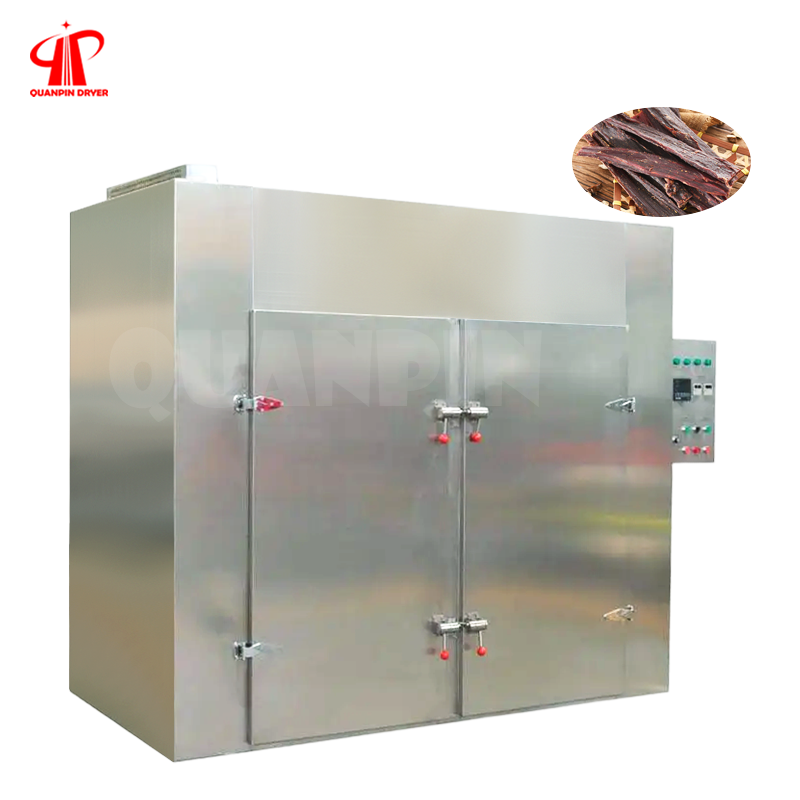
Describe the proposed sample preparation and laboratory methods. A supplier cannot infer the appropriate chemical acceptance criterion from an attractive product photograph.
Agree the Evidence Required
A hot air tray dryer price comparison should retain the actual supply and trial scope. It should identify whether specialist colour or chromatographic work is included or performed separately.
The useful development record states the measured appearance, measured extract composition and the remaining limitations. It does not promise an unverified retention percentage.
Frequently Asked Questions
Does dark colour prove retention?
No. A dark fruit surface is a visual observation and cannot independently demonstrate unchanged extractable anthocyanin content.
Are surface and extract colour identical?
No. Surface colour, extract colour and individual pigment concentrations are different attributes with different analytical preparation.
Can fresh and frozen inputs be pooled?
Not automatically. Freezing history can alter the starting material and belongs in the comparison record.
Does fastest mean highest pigment?
No. The cited blackberry experiment illustrates that the shortest tested process need not give the highest result for every pigment measurement.
Are total and individual assays equivalent?
No. Total assays and chromatography report different defined responses. The particular components and reporting basis must remain explicit.
What should the enquiry define?
Provide berry identity, preparation history, intended product form, colour method and pigment assay. Explain which results a representative trial must demonstrate.
Discuss Your Berry Drying Application
Discuss the material, processing objective and required trials with QUANPIN. Review the equipment information and the relevant industry applications, or send an enquiry through our contact page.
Email sales@qpdryer.com or stacie@qpdryer.com. Call +86 19850785582 or contact WhatsApp +86 15921493205 to discuss the proposed scope.
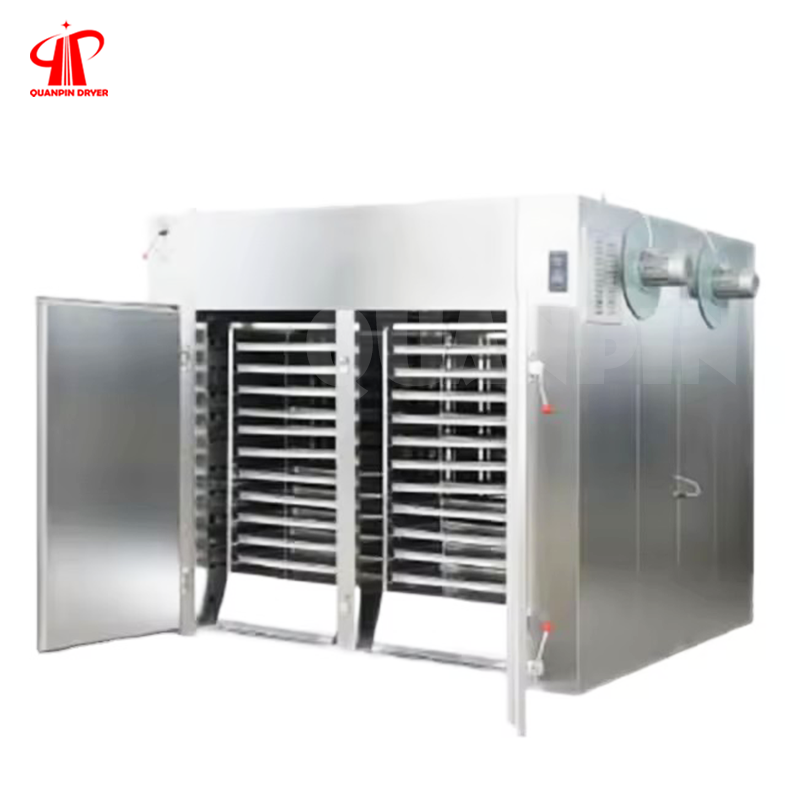
For process evaluation, consider the hot air oven for batch tray drying with circulating hot air. Confirm suitability with representative material, the required product properties and the proposed process conditions.