A workable seasoning blend process connects the incoming material with the ingredient specification used by the next production team. For dried coriander seeds, equipment selection should follow that connection from receiving through processing and collection. The purpose of a development trial is to expose the steps that determine a repeatable result and to produce samples the customer can evaluate.
The following production review separates the equipment operating principle from the results that still require testing. It uses the QUANPIN product as the proposed processing route and institutional references for the surrounding handling and hygiene questions. No capacity, fineness, processing time or certification is assumed for this application; these decisions need documented product information and representative material trials.
- For coriander entering a seasoning blend, the grinding target should describe the ingredient the blender needs. Inspect the cleaned, dried seeds and record lot identity before the trial. The acceptance plan should consider collected powder and its behaviour in a representative recipe, rather than treating completion of a grinding run as proof of suitability. Keep the original seed sample alongside the resulting powder for later investigation. Discuss this requirement when reviewing the pulverizer machine with the supplier.
- The referenced pulverizer unit combines high-speed impact and cutting with cyclone and bag collection. These stages perform different duties: the grinding zone reduces the feed, while the following collection equipment receives powder carried from the process. Follow the path of solids through the whole arrangement. Coriander is a proposed trial material for this route; a product page describing another ingredient does not establish coriander performance. Discuss this requirement when reviewing the universal pulverizer with the supplier.
- Stage the trial seed in identified containers and agree how it enters the machine. Record pauses or changes in feed condition because they can complicate the comparison between powder samples. Include the condition of the seeds and any earlier preparation in the trial record. If several ingredient lots are available, keep their trial outputs separate until the team has compared them against the same acceptance method. Discuss this requirement when reviewing the industrial pulverizer with the supplier.
- Inspect powder from the cyclone receiver and any additional collection point separately before deciding how to combine it. Different recovery locations should remain traceable during development. Use a sampling method that covers the run and compare the collected fractions for the properties relevant to the seasoning recipe. Record coarse fragments, persistent agglomerates and visible differences as observations, without presenting them as proof of a particular machine setting or performance level. Discuss this requirement when reviewing the powder grinding machine with the supplier.
- Prepare a small seasoning blend using the accepted recipe procedure and the trial coriander powder. Evaluate whether the powder distributes as required and whether noticeable coarse fragments remain in the finished application. Assess aroma through the manufacturer’s established quality method if that property is part of acceptance. Do not promise aroma retention merely because the grinding run is short or the collected powder looks uniform.
- The practical advantage of reviewing the complete unit is that grinding and recovery can be assessed together. Include container exchange, retained powder and emptying in the observed production cycle. Other dry spices may be candidate materials, but each needs a separate review of composition and handling. Send QUANPIN the actual feed and proposed finished ingredient specification so the trial answers a manufacturing question rather than producing an isolated demonstration sample.
- CFIA’s spice guidance discusses preventive controls for spice production. Use that general context to document a specific check for the seasoning blend route. Name the task, responsible person and evidence retained after the trial. The cited guidance supports this process question; it does not establish performance of the proposed machine or acceptance of the finished ingredient. Read the original institutional source.
- North Carolina’s labor department explains the workplace issue of combustible dust. Apply the reference at the relevant handling interface, including charging, receiving or container exchange. Review the actual installed arrangement with the responsible plant team. Keep the resulting procedure with the batch documentation so operators can follow the agreed method and report departures consistently. Read the original institutional source.
- WorkSafeBC provides guidance on combustible dust hazards and exposure. Include this topic in the pre-trial discussion and identify what staff should observe during ordinary operation. Record the selected controls and how their condition will be checked. A public reference supplies background; the production team still needs to evaluate suitability for its own ingredients and layout. Read the original institutional source.
- CCOHS describes lockout as a procedure for controlling hazardous energy. Consider the issue when planning access for inspection, interruptions and cleaning. Identify the plant procedure that governs the task and ensure the trial team understands it before work begins. Processing observations should be recorded separately from decisions about the installed machine’s protective arrangements. Read the original institutional source.
- CFIA discusses the development of cleaning and sanitation programs. Use the reference to frame questions about cleaning methods and checks between recipes. Record which product-contact areas and transfer tools need attention. The source is context for the review, rather than evidence that this application or equipment already meets a particular regulatory requirement. Read the original institutional source.
- To develop this seasoning blend application, send QUANPIN the material description, intended ingredient specification and a clear account of the following operation. Ask for a representative trial with an agreed sampling and acceptance procedure. Keep the resulting samples, collection records and changeover observations together, then base the purchasing discussion on those documented results. Contact stacie@qpdryer.com with the application details.
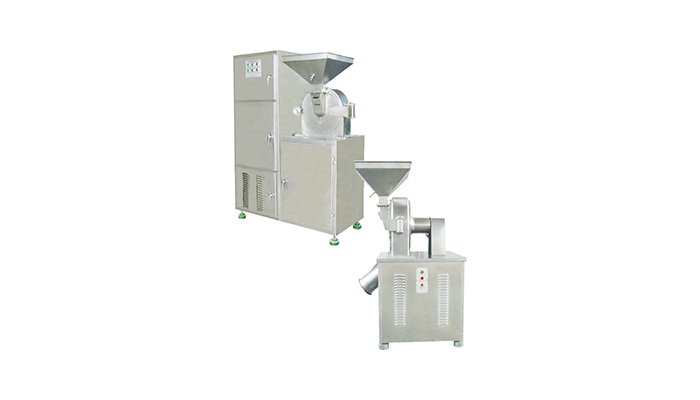
Discuss your material and production route with QUANPIN. Review the corresponding equipment information before arranging a material trial.
YANCHENG QUANPIN MACHINERY CO.. LTD
Sales Manager – Stacie Tang
MP: +86 19850785582
Tel: +86 0515-69038899
E-mail: stacie@qpdryer.com
WhatsAPP: 8615921493205
https://quanpindrying.en.alibaba.com/
Address: Jiangsu Province, China.