Food Paste Mixing Trials: Design Sensory Comparisons Around the Decision You Need
By QUANPIN
A formulation change can produce a detectable sensory difference without making the food less acceptable. Conversely, a panel’s failure to detect a difference does not establish that two mixed products have identical composition or will perform identically in every application.
For a trough mixer enquiry involving a food paste, the evaluation plan should name the question before choosing a tasting method. Equipment suitability, ingredient distribution and consumer response require related but distinct evidence.
Name the sensory decision
A discrimination question asks whether assessors can detect a difference under a defined comparison. A liking question asks how participants respond to the food; a purchase-intention question addresses another stated response again.
These questions can inform product development after mixing, but none is a substitute for ingredient identity, food safety controls or a justified assessment of composition. Sensory similarity alone cannot validate a production batch.
Define the actual food comparison
Begin with the actual proposed food and intended comparison. State whether the change concerns an ingredient, its proportion, processing history or another defined factor rather than treating every sensory difference as a mixing effect.
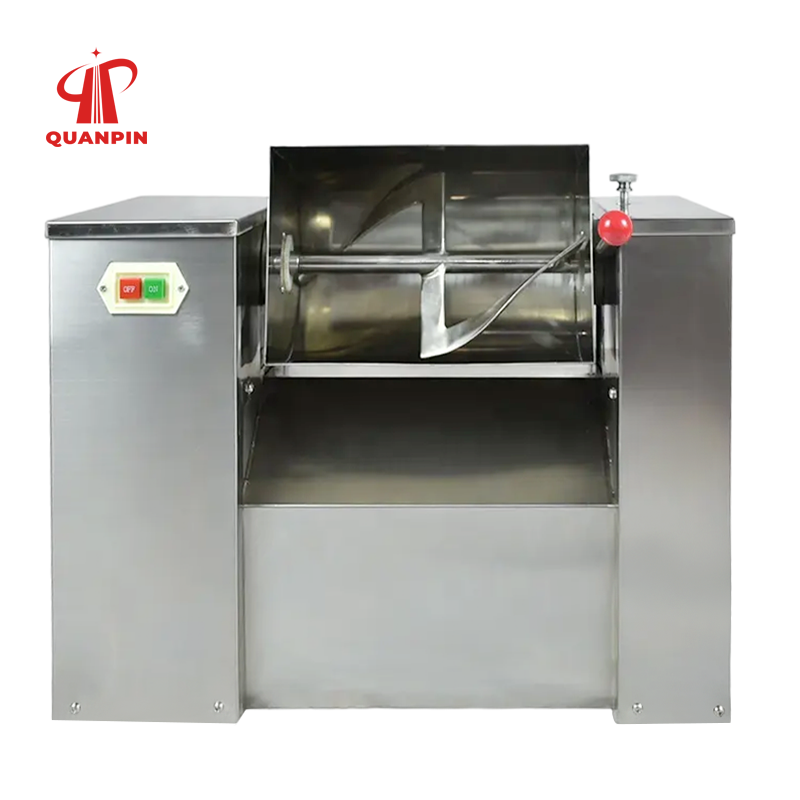
The framework below concerns development evidence for food powders and pastes. It provides no recipe, allergen claim, preservation process or guarantee of consumer acceptance for a QUANPIN machine.
Five fields in a sensory trial plan
Reference and changed product
Describe the reference product and the changed product in terms that remain meaningful after samples are coded. An unexplained reference label makes it difficult to interpret what the comparison actually tested.
Evaluation question
State the sensory question in advance. Detecting any perceptible difference requires a different interpretation from measuring a named attribute or asking whether a consumer likes the product.
Participant role
Identify who is participating and why. A trained descriptive panel and an intended consumer population are different sources of evidence, even when both taste the same formulation.
Sample presentation
Control and record serving preparation, sample identity and relevant presentation conditions. Otherwise a difference in preparation or information supplied to participants may become entangled with the intended formulation comparison.
Trial traceability
Keep the equipment trial record connected to the sensory samples. The material, process and sampling identity should explain what each coded sample represents without revealing unnecessary cues during evaluation.
A bread example with separate outcomes
An original bread salt-reduction study in Mozambique used a triangular comparison alongside separate hedonic and purchase-intention scales. Its design illustrates why detection, acceptability and stated purchase response should not be reported as a single interchangeable outcome.
The reported findings belong to the breads, participants and conditions studied. They do not establish a universal salt-reduction allowance or prove that another food paste will receive the same response after mixing.
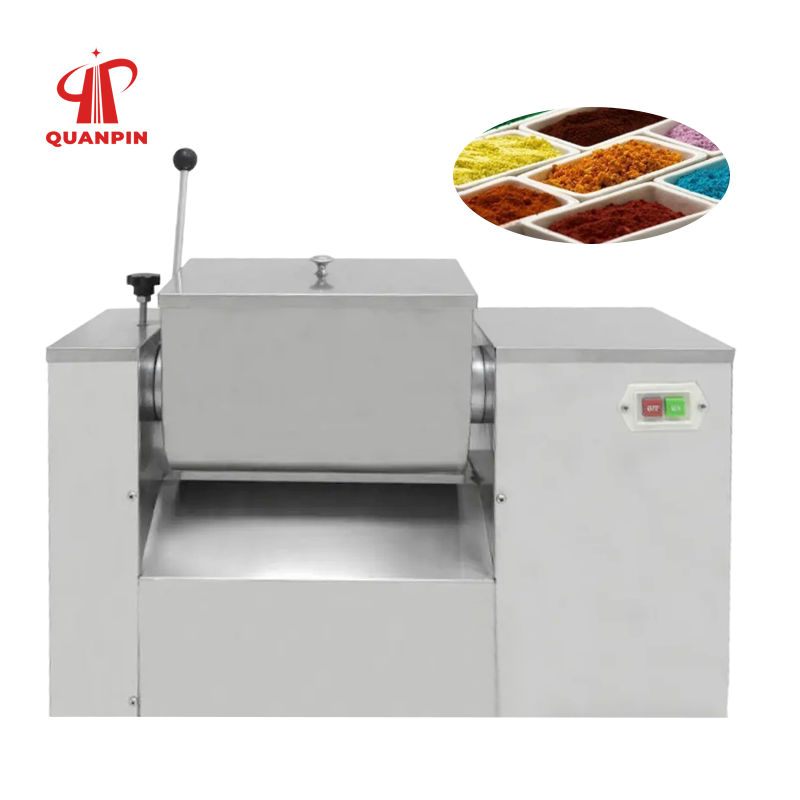
For a horizontal trough mixer trial, preserve the formulation revision and sample preparation details needed to relate the sensory comparison to the actual material produced, while evaluating equipment suitability separately.
A useful report identifies what the participants were asked to do and what was measured. Simply stating that a product passed sensory testing leaves both the decision question and the supporting evidence unclear.
Six design and interpretation distinctions
Identity cues
Blinding limits avoidable identity cues. It does not eliminate every source of bias, but it helps distinguish a response to the presented product from a response to a recognizable label or formulation claim.
Presentation order
Presentation order can influence a comparison. The design and reporting should explain the order arrangement instead of assuming that handing out coded cups automatically creates a balanced experiment.
Preparation for intended use
Sample preparation should reflect the intended use being evaluated. A paste tasted directly and the same paste incorporated into a finished dish answer different application questions.
Attribute description
A difference test and a descriptive assessment need separate interpretation. The first can concern detectability; the second can describe which attributes changed and how they were rated under the chosen method.
Consumer response
Liking results require the participant population and response scale to be stated. An apparent average preference without that context can conceal that the test did not involve the intended users.
A combined research design
A study of salt replacement in model samples and soup combined a trained descriptive panel with consumer work. It supports distinguishing product attribute development from consumer acceptance rather than assuming that one panel performs both roles.
Connect the mixer trial to the food evidence
Link formulation and samples
Build the comparison around one documented question and retain the actual formulation records. If several variables changed together, a perceived difference cannot automatically be attributed to any single ingredient or mixing decision.
The S type mixer enquiry should therefore identify the intended food material and relevant process arrangement. A sensory experiment can inform product development, but it cannot establish machine compatibility from the name of the test.
Keep sensory samples linked to their originating trial material. Coded presentation and production traceability serve different purposes and should coexist without compromising the evaluation’s intended blinding.
Compare perception and measurements
Use instrumental measurements when they answer a relevant product question. A color, acidity or texture measurement may describe a change even when assessors do not detect a corresponding difference under the sensory conditions used.
An original green chili sauce development study combined physicochemical measurements with discrimination testing. Its authors observed that the instrumental and sensory comparisons did not simply yield identical descriptions of the studied materials.
This is a reason to specify the purpose of each measurement, not to dismiss one result when another appears more convenient. Instrumental characterization and perceptual response observe different aspects of the product.
Retain limits in equipment conclusions
Separate development decisions from claims about a production process. A favorable response to selected samples does not establish batch-wide uniformity, long-term consistency or the suitability of an untested equipment configuration.
A powder and paste mixer proposal should be assessed with the real material and required outcome. The sensory plan can be part of that development package while retaining separate physical and compositional questions.
Record uncertainties and limitations directly in the report. Missing participant information or undocumented sample preparation should remain visible rather than being replaced with a generalized statement of product equivalence.
Set the decision before testing
Agree what result would inform the next development decision. A screening comparison may justify further investigation without supporting a commercial equivalence claim or a conclusion about every consumer group.
Avoid defining acceptance after seeing the preferred result. A predeclared question helps reviewers understand whether the observed evidence addresses the intended decision or a different question discovered afterward.
The original milk processing sensory study used triangle testing and acceptance/preference assessments separately. It illustrates the distinction in test purposes; it does not imply that a trough mixer performs high-pressure or heat processing.
Keep that apparatus boundary explicit when applying literature to an equipment enquiry. A published food experiment can inform the evaluation method while its processing system remains different from the proposed mixer.
Interpret similarity within its scope
Review the actual sensory question together with composition, handling and intended-use evidence. A detectable change may be acceptable, while a liked product may still fail a separate technical requirement.
Where assessors report no detectable difference, describe the test and its limitations rather than declaring absolute sameness. The conclusion is bounded by the design, participants, samples and conditions represented.
Report complementary observations honestly
A whole-meal sourdough co-fermentation study combined instrumental characterization, triangle testing and focus-group observations. It illustrates how complementary methods can reveal different aspects of a food change without becoming interchangeable proof of quality.
Its fermentation and nutrient findings are specific to that investigation. They are not a mixer performance claim, a nutritional claim for another formulation or a reason to dispense with appropriate food analysis.
Report the product identity, question, participant group, sample conditions and response method together. This creates a reviewable result instead of an unsupported adjective such as improved or equivalent.
In an equipment discussion, keep quotation scope separate from sensory development responsibilities. Confirm what material trials are proposed and who will design, conduct and interpret any product evaluation.
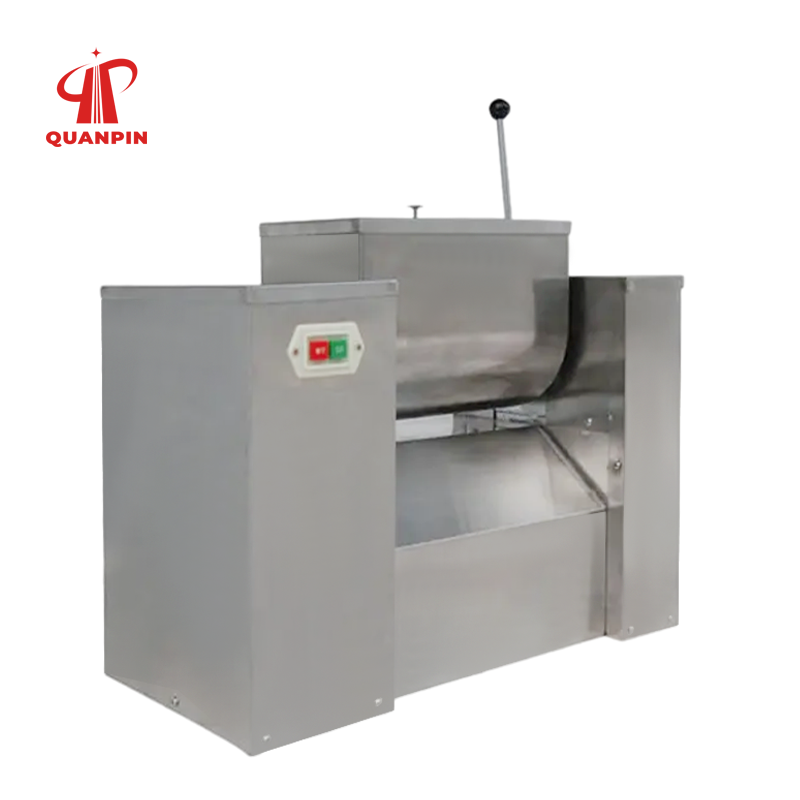
A product photograph does not establish that a particular food can be processed successfully. Suitability needs assessment against material behavior, the required process arrangement and the actual trial observations.
The development record should connect the recipe, trial material and evaluated sample without overstating what any one method proves. This supports a more useful enquiry than a request for guaranteed good taste.

Resolve apparent disagreement between methods
If two evaluation methods appear to disagree, first check whether they asked the same question. A numerical change in a physical measurement and an unchanged liking score can both be informative within their respective scopes.
Do not choose the most favorable method after the event and suppress the others. A transparent account explains the relevant measurements and limitations so the next development decision follows the whole evidence record.
Prepare a focused food mixing enquiry
Prepare a food mixing enquiry with the material, intended application, formulation basis and proposed evaluation question. Include the information needed to judge the equipment arrangement and the meaning of the intended samples.
Request a material-specific discussion of the CH configuration and development trial. Keep commercial expectations separate from evidence about the food’s sensory response, composition and processing suitability.
Questions about sensory evidence after mixing
Does difference imply dislike?
Does a detectable difference mean consumers dislike the product? No. Detection and liking are different questions, so a difference-test result does not by itself identify whether the change is acceptable to intended users.
Does similarity prove composition?
Does no detected difference establish identical composition? No. It describes the sensory comparison under its conditions; ingredient identity and compositional requirements need their own appropriate evidence.
Can a trained panel replace consumers?
Can a trained panel represent consumer acceptance automatically? No. Describe its role and participant group. Attribute assessment and consumer response are different purposes even when the samples are identical.
Why measure instrumental properties?
Why include instrumental measurements? They can address relevant physical or chemical product questions that a sensory response does not directly measure, provided their methods and interpretation fit the intended decision.
Does CH provide the cited milk process?
Does the cited milk study describe CH operation? No. Its processing apparatus differs. It is cited only to illustrate the separate purposes of discrimination and acceptance assessments.
What belongs in an enquiry?
What should accompany the mixer enquiry? Supply the actual food material, intended use, formulation basis and trial question, with a clear distinction between equipment assessment and the planned product evaluation.
Discuss your food mixing application
Discuss the material, processing objective and required trials with QUANPIN. Review the equipment information and the relevant industry applications, or send an enquiry through our contact page.
Email sales@qpdryer.com or stacie@qpdryer.com. Call +86 19850785582 or contact WhatsApp +86 15921493205 to discuss the proposed scope.
For process evaluation, consider the pharmaceutical trough mixer for batch mixing of suitable powders or pastes; and the ribbon blender for ribbon-driven mixing of suitable powder batches. Confirm suitability with representative material, the required product properties and the proposed process conditions.