Extrusion Granulator Development: Evaluate Excipient Grade, Water Demand and Pellet Shape Separately
By QUANPIN
An Extrusion Granulator enquiry should identify the exact pellet-forming excipient system rather than specify cellulose as though every grade behaves alike. Extrudability and later spherical-pellet quality are different outcomes.
Formulation changes can affect water requirements, shape, mechanical properties and dissolution in different directions. Evaluate those attributes separately when comparing a candidate extrusion and spheronization route.
Cellulose Identity Is More Than a Broad Ingredient Name
Microcrystalline cellulose and powdered cellulose are different materials. Sharing a cellulose description does not establish equivalent wet-mass behaviour or an interchangeable processing window.
Even within microcrystalline cellulose, grade properties can differ. The ingredient specification should preserve the actual grade rather than only its broad chemical name.
Define the Extrusion and Downstream Boundaries
JZL wet granulation by extrusion is one operation in the proposed route. Spheronization, drying, capsule filling and tableting discussed in research are separate operations whose supply scope must be confirmed.
The research comparisons below concern particular formulations and apparatuses. They do not demonstrate that an untested formulation will form suitable pellets in QUANPIN equipment.
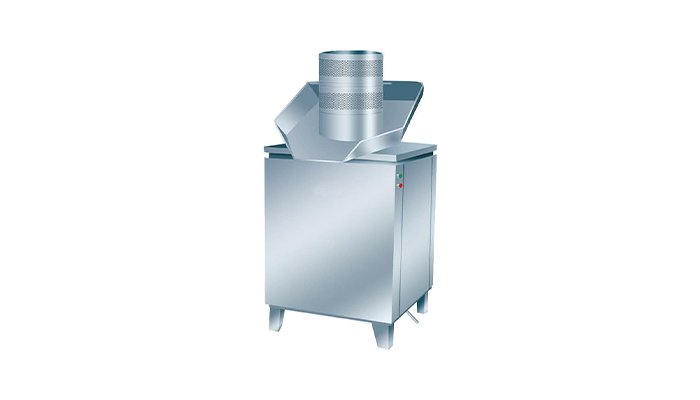
Five Inputs for an Excipient Comparison
Material grade
Identify the exact cellulose or alternative-polymer grade. Preserve relevant material descriptions from the ingredient specification instead of replacing them with a generic functional label.
Complete formulation
Define the model drug and complete excipient composition. An alternative that works in one investigated blend may require a different formulation in another application.
Granulating liquid
Describe the granulating liquid and preparation. Water requirements cannot be compared fairly if the liquid composition or wetting procedure also changes without documentation.
Processing stage
State which operation is being assessed: extrusion, spheronization or subsequent processing. A satisfactory wet strand does not independently establish a satisfactory final pellet.
Product attributes
Choose separate attributes for shape, mechanical handling and dissolution. A single successful appearance photograph cannot supply the other unmeasured properties.
Read Cellulose-Grade Evidence within Scope
Original comparisons of different cellulose materials demonstrate why extrusion suitability must remain attached to the investigated material and wet-mass conditions.
An original powdered-cellulose and MCC investigation compared extrusion/spheronization behaviour and characterized materials using Raman spectroscopy and environmental scanning electron microscopy.
Pure powdered cellulose was unsuitable under its investigated conditions, including water squeezed out during extrusion. Different MCC grades showed a broader extrudable range but different resulting quality.
That finding does not establish a universal prohibition on powdered cellulose. It demonstrates the need to evaluate the actual grade, formulation and processing arrangement.
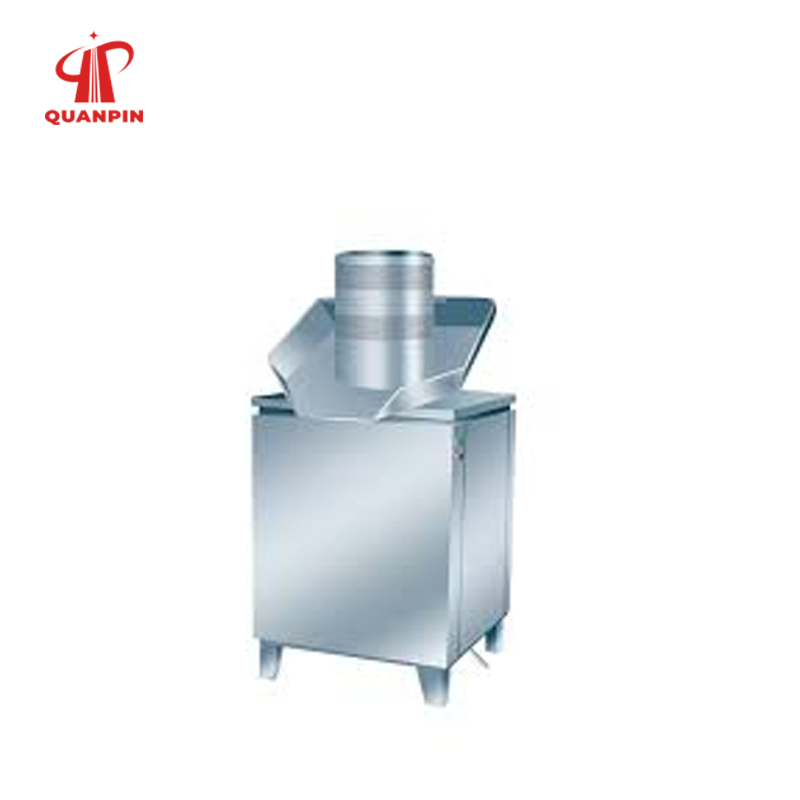
Six Stages from Ingredient to Tested Pellet
Incoming materials
Before wetting, preserve the ingredient-grade and lot information. A substituted grade should be treated as an actual material change in the comparison.
Wetting
During wetting, document the liquid and preparation history. Keep the required water amount distinguishable from the final dried-pellet moisture result.
Extrusion
During extrusion, evaluate the actual strand-producing operation. Record observations without assuming the subsequent rounding stage will correct every defect.
Spheronization
During spheronization, retain the supplied equipment and processing history. This separate stage changes the extrudate into the pellet population being evaluated.
Drying
During drying, preserve the conditions represented by the final specimen. Wet and dried pellets do not necessarily have equivalent dimensions or mechanical properties.
Testing
During product testing, connect each method to its actual attribute. Shape, friability and dissolution should not silently become one overall quality measurement.
Compare Grade and Alternative-Polymer Findings
MCC-grade comparison
Material-grade selection can involve trade-offs rather than a single ranking from easiest processing to best final product.
An original five-grade MCC investigation related physical properties to water requirements and pellet-shape distributions in extrusion/spheronization.
Some denser grades needed less water for equivalent pellet size but produced less spherical pellets and wider shape distributions. Reduced water demand was not a universal quality advantage.
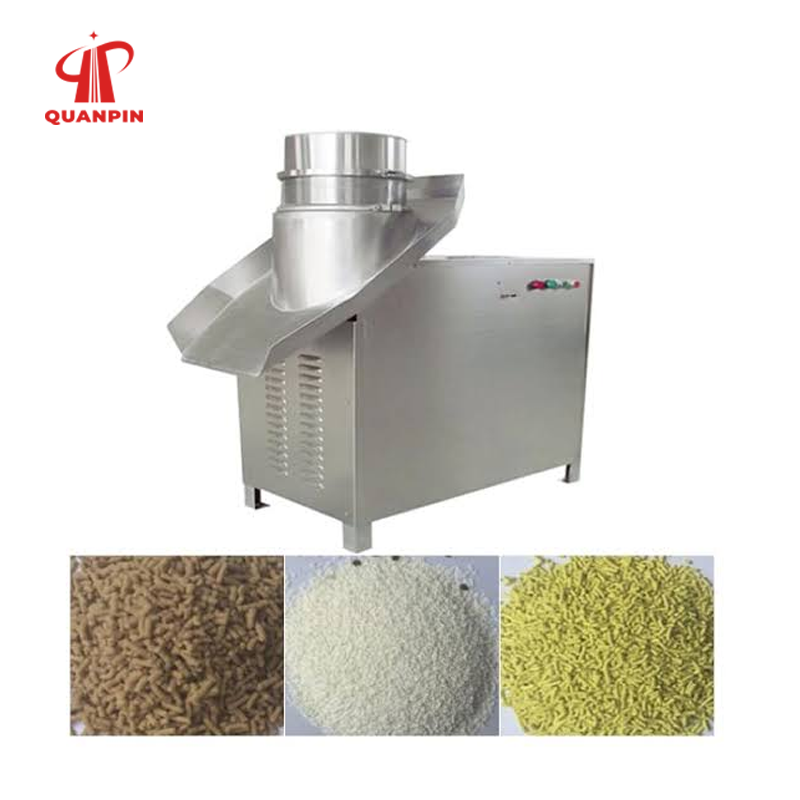
MCC-free polymer systems
Alternative polymers should be investigated as complete formulation systems. A named replacement is not sufficient evidence that the original liquid conditions remain appropriate.
An original chitosan-alginate experiment produced model pellets without MCC and investigated different chitosan molecular weights.
Spectroscopic observations supported a polymer-complex explanation for pellet formation. This does not demonstrate that an arbitrary chitosan or alginate substitution will reproduce the result.
Reduced-MCC formulations
Reducing MCC and eliminating MCC are different experimental questions. Preserve the remaining excipient composition when interpreting either approach.
A separate low-MCC chitosan study included acetaminophen and other excipients and compared molecular-weight and alginate effects.
Pellet properties and dissolution responses depended on the formulation and measurement medium. This was a different formulation from the MCC-free study, despite overlapping researchers and materials.
Keep Shape and Dissolution Measurements Distinct
Shape differences can coexist with comparatively similar dissolution observations. This makes visual ranking alone insufficient for the downstream development objective.
An original acyclovir-pellet investigation compared chitosan, sodium alginate and HPMC binders and evaluated pellets in capsules and multi-unit pellet tablets.
The batches differed in shape and surface appearance while their dissolution profiles were comparable under the tested conditions. This binder comparison was not simply an MCC-replacement experiment.
Its findings do not establish equivalent clinical performance or general release control. They support keeping physical shape and the measured dissolution response distinguishable.
Define the Proposed Development Route
For pharmaceutical granulator development, define the unresolved formulation question before selecting the preferred result. Confirm which stages and analytical activities belong in the trial.
A granulation and drying line enquiry should identify the interfaces between extrusion, rounding and drying. Different operations require their own confirmed responsibilities.
Interpret Conflicting Pellet Attributes
If a grade reduces water demand but worsens pellet shape, retain both observations. Easier wet-mass preparation does not independently determine the preferred final formulation.
If extrusion succeeds but rounding is inconsistent, investigate the separate spheronization stage and wet-mass properties. Do not treat extrusion alone as proof of complete pelletization.
If a polymer substitution changes several properties, describe the comparison as a formulation change. Avoid attributing its entire effect to equipment settings.
If two pellets look different but dissolve similarly, preserve the distinct tests. Neither appearance nor one dissolution profile independently establishes every product requirement.
If an excipient works with one drug, do not assume compatibility or equivalent release with another. Drug identity remains part of the demonstrated research scope.
If a study reduces MCC rather than removing it, report the remaining MCC explicitly. Those routes cannot be merged into one claimed replacement result.
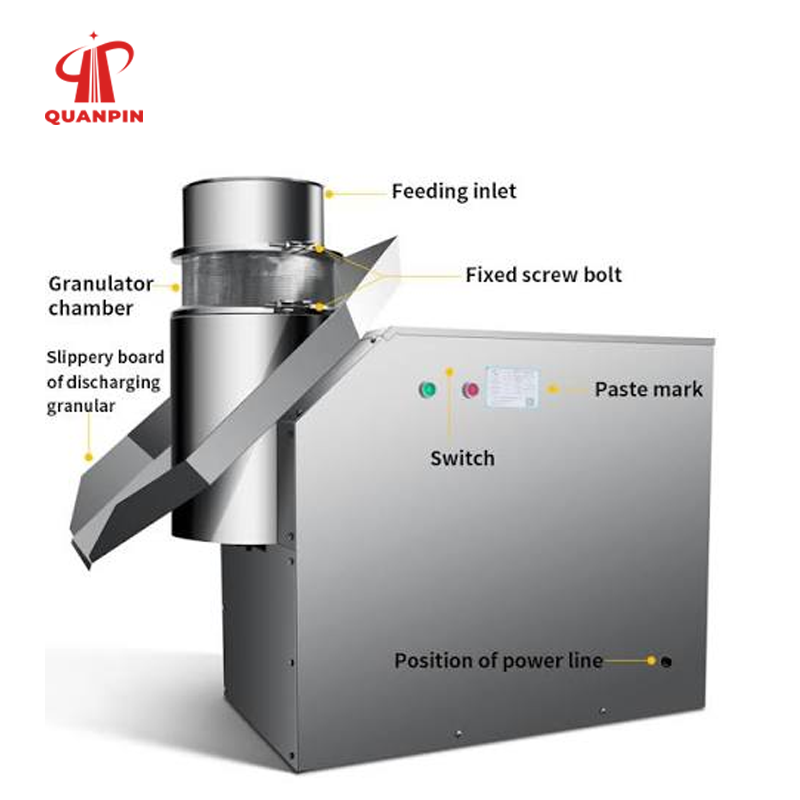
Prepare an Extrusion Enquiry
Prepare the enquiry with ingredient grades, formulation, liquid system and intended pellet attributes. Explain the specific extrusion or downstream observation the trial must resolve.
Identify available analytical methods and representative material. The proposed granulation equipment can supply specimens without automatically providing complete pharmaceutical formulation validation.
Confirm Equipment and Analytical Responsibilities
Compare the actual extrusion and downstream supply scope, including separately proposed equipment. Avoid assuming that a research route describes the offered production-line configuration.
The useful conclusion states what was demonstrated during extrusion, rounding and final testing. It retains the material conditions and unresolved product-development questions.
Frequently Asked Questions
Are powdered cellulose and MCC interchangeable?
No. Powdered cellulose and microcrystalline cellulose can have different wet-processing behaviour. The exact material and formulation need representative evaluation.
Does one MCC grade represent every grade?
No. Original MCC-grade comparisons found different water requirements and shape distributions. A broad ingredient name is not a complete processing specification.
Does an extrudate establish pellet quality?
No. An extrusion result demonstrates strand formation under its conditions. The later rounding, drying and final-quality requirements remain separate questions.
Can an excipient be replaced without evaluation?
Not automatically. Replacing an excipient changes the formulation system and may change wet-mass properties, liquid demand and subsequent pellet characteristics.
Does similar appearance establish similar dissolution?
No. Shape and dissolution are distinct attributes; original experiments showed that different physical appearances could coexist with comparable tested dissolution profiles.
What should the enquiry include?
Provide the complete formulation, exact grades, liquid preparation and stage-specific targets. Confirm the downstream operations and laboratory methods separately from the extruder supply.
Discuss Your Extrusion Application
Discuss the material, processing objective and required trials with QUANPIN. Review the equipment information and the relevant industry applications, or send an enquiry through our contact page.
Email sales@qpdryer.com or stacie@qpdryer.com. Call +86 19850785582 or contact WhatsApp +86 15921493205 to discuss the proposed scope.