A production proposal for dried coriander seed should start with the ingredient that will actually arrive at the factory and the product that must leave it. Receiving condition, preparation history and the next operation determine what useful processing means. A machine principle supplies the starting point for this discussion, while a representative trial supplies the application evidence.
This workflow follows dried coriander seed through preparation, processing, collection and changeover. It treats the application as a development project rather than a guaranteed performance claim. The purchasing decision should connect observable material behaviour with an agreed acceptance procedure, including the material recovered at the end of the run and the work needed before another recipe can begin.
- Prepare the application brief for the pulverizer machine by describing the incoming dried coriander seed. Record supplier lot identity, physical form, storage condition and any prior treatment. Include normal variation instead of selecting only the easiest material for the demonstration. Ask the production team which changes have previously affected handling, and retain an incoming sample so differences between trial and later deliveries can be investigated.
- Use the universal pulverizer discussion to follow the actual operating mechanism. The referenced pulverizing unit uses high-speed impact and cutting, followed by cyclone and bag collection. Coriander is a proposed application requiring independent trials rather than a published machine guarantee. Follow both the solids and the moving air through the arrangement. Powder recovered at separate points may need individual examination before the plant decides whether the fractions can enter the same finished batch.
- Arrange the feed to the industrial pulverizer as a controlled production task. Agree the preparation required before loading and the method for introducing successive quantities. Where a recipe has several ingredients, document their identity and addition order. Where reduction handles one ingredient, establish a consistent feed condition. Irregular charging can make observations difficult to interpret because the material and the operating duty change together.
- Assess the powder grinding machine through the properties the next operation needs. For dried coriander seed, inspect representative collected material rather than relying on a single convenient scoop. Agree how samples will cover the run and where they will be taken. Record visible segregation, persistent lumps or unusual fragments as appropriate. A proposed operating adjustment should be evaluated against these observations and the agreed end-use requirement.
- Connect the outlet to a defined receiving arrangement. Name the destination container, explain how it is exchanged and decide when its contents are released for further use. Keep trial fractions separate until their disposition is agreed. This gives the proposed route a practical advantage: production staff can identify where material goes, reconcile recovered quantities and investigate retained product instead of treating collection as an unspecified final step.
- Compare the complete production cycle with the plant schedule. Loading, processing, emptying, inspection and changeover all occupy operator time and space. The preferred arrangement for dried coriander seed should allow these tasks to proceed in a repeatable sequence. Discuss access and container handling before fixing the layout. Evaluate any suggested benefit against trial observations; do not convert a general equipment description into a capacity or quality guarantee.
- CFIA describes hazards that may enter spices through incoming materials, preparation, movement or storage. For dried coriander seed, use that guidance when assigning responsibilities at receiving and transfer. Identify the relevant operation in the plant procedure and verify how it will be performed during an ordinary batch. This reference supports the general process review; it does not verify this machine or prescribe a successful operating setting. Read the original institutional guidance.
- North Carolina Department of Labor identifies crushing and grinding among mechanical actions associated with combustible dust. Apply this context to the actual ingredient route, including containers used before and after the main operation. Check the proposed controls with the responsible plant team and retain the resulting instructions with the batch procedure. A useful application assessment considers the interfaces where operators handle material as carefully as the main processing chamber. Read the original institutional guidance.
- WorkSafeBC notes that cutting, grinding, mixing and screening can create or release combustible dust. Include the relevant tasks in the review for dried coriander seed: charging, collecting, inspection and changeover. Decide who checks the condition and what happens when the check is unsuccessful. Documenting an intended practice is only the beginning; its suitability must be established for the installed arrangement and the materials that will pass through it. Read the original institutional guidance.
- CCOHS discusses unexpected startup and stored energy during servicing and maintenance. Consider the implications while choosing access arrangements and writing the production method. Staff need a practical sequence for routine work and for interruptions, with the relevant responsibilities clearly assigned. Discuss the actual layout with the supplier and plant specialists. A public guidance document provides context, while installation-specific decisions still require a documented assessment. Read the original institutional guidance.
- CFIA distinguishes cleaning from sanitizing and asks food businesses to specify what, where, when and how equipment is cleaned. Use this evidence to define the questions asked during the acceptance review for dried coriander seed. Include the receiving vessels and transfer tools where they affect the issue, and record the selected method and verification approach. Avoid assuming that a successful processing demonstration establishes every other aspect of production suitability. Read the original institutional guidance.
- For an application review, send QUANPIN a representative sample of dried coriander seed, the intended finished ingredient specification and a description of the next production operation. Include the expected recipe sequence and the available collection arrangement. Agree trial observations before running the sample, then retain the accepted material and operating record. This produces a concrete basis for equipment selection and gives later production changes a reference for investigation.
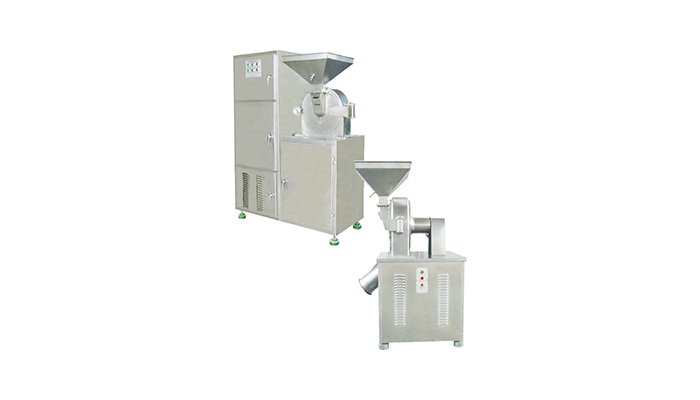
Discuss your material and production route with QUANPIN. Review the corresponding equipment information before arranging a material trial.
YANCHENG QUANPIN MACHINERY CO.. LTD
Sales Manager – Stacie Tang
MP: +86 19850785582
Tel: +86 0515-69038899
E-mail: stacie@qpdryer.com
WhatsAPP: 8615921493205
https://quanpindrying.en.alibaba.com/
Address: Jiangsu Province, China.