A workable dry sauce base process connects the incoming material with the ingredient specification used by the next production team. For dried chickpeas, equipment selection should follow that connection from receiving through processing and collection. The purpose of a development trial is to expose the steps that determine a repeatable result and to produce samples the customer can evaluate.
The following production review separates the equipment operating principle from the results that still require testing. It uses the QUANPIN product as the proposed processing route and institutional references for the surrounding handling and hygiene questions. No capacity, fineness, processing time or certification is assumed for this application; these decisions need documented product information and representative material trials.
- Begin with cleaned, dried chickpeas and define what the sauce manufacturer needs from the flour. Particle size affects how the ingredient behaves during subsequent formulation, but the required distribution must come from the recipe developer. Retain a sample of the existing acceptable ingredient, if available, and agree how the trial flour will be compared with it. Record the receiving condition before preparing the grinding feed. Discuss this requirement when reviewing the air classifier mill with the supplier.
- The WFJ arrangement combines mechanical size reduction with classification in an air stream. Grinding produces a range of particle sizes; classification separates the circulating material so the portion requiring further reduction can remain in the circuit. This relationship is the practical reason to examine the grinding and separation stages together. The finished sample still needs measurement because a machine description cannot establish a distribution for a particular chickpea lot. Discuss this requirement when reviewing the air classifying mill with the supplier.
- Prepare the incoming pieces to suit the agreed feed arrangement. Check for foreign material and identify any preparation already performed by the ingredient supplier. Chickpeas from different lots may arrive with different handling characteristics, so document the material used for every run. Keep the feed introduction steady enough for observations to have meaning, and record interruptions separately instead of quietly combining interrupted and uninterrupted production. Discuss this requirement when reviewing the ACM mill with the supplier.
- Use collected flour in a small sauce-base preparation following the customer’s normal formulation method. Observe dispersion, remaining coarse particles and the appearance of the prepared product. These observations help connect a particle-size requirement with an actual manufacturing need. They do not replace analytical measurement or establish nutritional claims. A useful trial identifies both an acceptable flour sample and the conditions under which that sample was obtained. Discuss this requirement when reviewing the fine powder grinder with the supplier.
- Follow the powder beyond the grinding chamber into its receiving vessel. Establish how operators identify the collected batch and exchange containers without mixing trial fractions. Weigh and label the fractions separately where the collection arrangement produces more than one stream. Reconcile what was charged, recovered and retained before deciding whether a proposed setting improves the usable ingredient yield. Include inspection and emptying time in the comparison.
- Chickpea flour can enter sauce powders, soup bases or other dry blends, but each destination needs its own acceptance check. A classifier-based route offers a way to coordinate reduction and separation; its value is the ability to develop a controlled ingredient specification. Discuss other pulse materials only as possible trial candidates. Differences in starting form and composition mean a result on chickpeas should not be carried over automatically.
- FAO’s feed-processing discussion describes size reduction and grinding mechanisms. Use that general context to document a specific check for the dry sauce base route. Name the task, responsible person and evidence retained after the trial. The cited guidance supports this process question; it does not establish performance of the proposed machine or acceptance of the finished ingredient. Read the original institutional source.
- CCOHS explains the information communicated through safety data sheets. Apply the reference at the relevant handling interface, including charging, receiving or container exchange. Review the actual installed arrangement with the responsible plant team. Keep the resulting procedure with the batch documentation so operators can follow the agreed method and report departures consistently. Read the original institutional source.
- HSE provides task-based dust guidance for bakery work. Include this topic in the pre-trial discussion and identify what staff should observe during ordinary operation. Record the selected controls and how their condition will be checked. A public reference supplies background; the production team still needs to evaluate suitability for its own ingredients and layout. Read the original institutional source.
- CCOHS discusses safeguards against hazardous machinery movement. Consider the issue when planning access for inspection, interruptions and cleaning. Identify the plant procedure that governs the task and ensure the trial team understands it before work begins. Processing observations should be recorded separately from decisions about the installed machine’s protective arrangements. Read the original institutional source.
- The cited US food manufacturing provisions address equipment cleanability and contamination prevention. Use the reference to frame questions about cleaning methods and checks between recipes. Record which product-contact areas and transfer tools need attention. The source is context for the review, rather than evidence that this application or equipment already meets a particular regulatory requirement. Read the original institutional source.
- To develop this dry sauce base application, send QUANPIN the material description, intended ingredient specification and a clear account of the following operation. Ask for a representative trial with an agreed sampling and acceptance procedure. Keep the resulting samples, collection records and changeover observations together, then base the purchasing discussion on those documented results. Contact stacie@qpdryer.com with the application details.
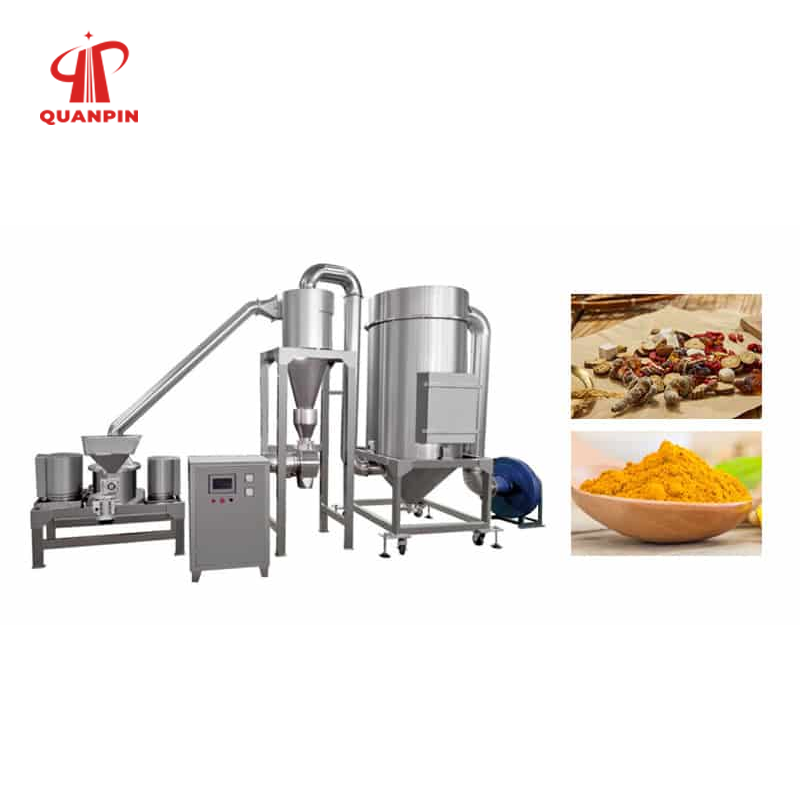
Discuss your material and production route with QUANPIN. Review the corresponding equipment information before arranging a material trial.
YANCHENG QUANPIN MACHINERY CO.. LTD
Sales Manager – Stacie Tang
MP: +86 19850785582
Tel: +86 0515-69038899
E-mail: stacie@qpdryer.com
WhatsAPP: 8615921493205
https://quanpindrying.en.alibaba.com/
Address: Jiangsu Province, China.