Cellulose Pulverizing: Distinguish Particle Size from Polymer Chain Length
By QUANPIN
A smaller cellulose particle is not the same thing as a shorter cellulose molecule. A powder-size result describes physical fragments, while degree of polymerization describes molecular chain length.
When evaluating an air classifier mill for a cellulose-based chemical material, keep those measurements separate. Ask QUANPIN to assess the actual feed and the required powder rather than promising an unmeasured molecular outcome.
Define the Cellulose Processing Duty
Define the cellulose grade and intended chemical application before preparing a trial. Cotton-derived cellulose, commercial powder grades and mixed plant materials should not be treated as identical feeds.
Identify what the customer wants to preserve or change. A request for smaller particles does not automatically include a request for depolymerization, altered crystalline organization or changed downstream reactivity.
Select an Equipment Reference
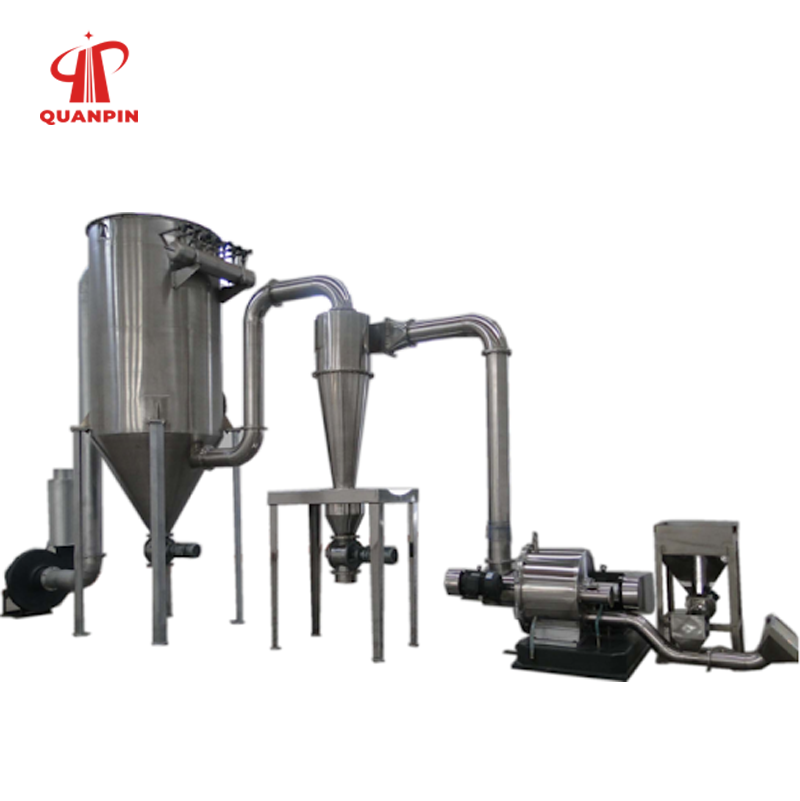
Use the WFJ fine-pulverizer reference to begin the equipment discussion. Confirm that the proposed configuration and material trial are appropriate for the actual incoming cellulose.
An air classifying mill is not a molecular-weight measurement system. Equipment selection needs the physical powder requirement, with any molecular characterization defined as a separate analytical task.
Five Different Material Questions
Particle Measurement
Name the particle measurement used for acceptance. An image of a broken fibre and a particle-size distribution provide different information and should retain their original descriptions.
Molecular Measurement
Name the molecular measurement where required. Report degree of polymerization or molecular-weight information with its method rather than inferring it from powder appearance.
Structural Measurement
Describe the structural measurement separately. A crystallinity index concerns molecular organization and is not another name for the external size of a powder fragment.
Feed Condition
Document the feed condition. Moisture, prior treatment and the actual grade help establish what was supplied for the comparison.
Intended Decision
Define the intended decision. The first trial may answer whether the required physical powder can be produced, while a separate question about molecular preservation remains open.
Process Overview and Working Principle
The working-principle description should remain within the agreed size-reduction and powder-collection scope. Do not add a controlled depolymerization function to an equipment description without actual project evidence.
A fine powder grinder can be evaluated as a physical processing stage. The resulting samples can then be examined by the laboratory methods required by the intended application.
Published cellulose experiments often use ball mills with prolonged mechanical treatment. These apparatus and conditions differ from the WFJ reference and cannot supply a transferable operating schedule.
Use such research to identify measurements worth keeping separate. It provides reasons to investigate actual samples, not permission to predict a particular molecular change in an untested installation.
Six Records for a Useful Trial
Material Identity
Keep the incoming material identification and prior-treatment history. This allows a laboratory result to be interpreted against the correct starting material.
Powder Report
Retain a physical powder report stating its method and sampling point. Avoid replacing the report with a general description such as “activated” or “improved.”
Molecular Report
Retain the molecular report if chain length matters to the application. Its reported quantity and sample preparation belong in the evidence record.
Structural Report
Retain structural information under its own method name. Changing an analytical calculation can change a reported index without implying the same change in the actual material.
Downstream Test
Retain the proposed downstream test where functionality matters. A chemical conversion or formulation result should not be assumed from the powder-size result alone.
Decision Statement
Retain a decision statement for the ACM mill enquiry. Specify what the trial established and identify any molecular or structural measurements still awaiting assessment.
What the Original Research Establishes
Chain Length and Crystallinity
The University of Pisa cellulose experiment measured degree of polymerization and crystallinity separately after ball milling four celluloses. Their changes were not equivalent. This supports distinct analytical endpoints, not a prediction of the changes a WFJ trial will produce.
For a buyer, the practical consequence is to avoid accepting a particle-size certificate as proof that chain length was retained or deliberately reduced.
If molecular preservation is important, establish the relevant baseline and comparison method with the responsible laboratory. Do not invent a universal acceptable change from another material’s experiment.
Physical and Chemical Observations
The original cotton-cellulose investigation combined microscopy, molecular-weight analysis and other techniques. It observed physical and chemical changes under its ball-milling conditions, illustrating why a single measurement cannot describe every consequence of that treatment.
The study’s apparatus was not a QUANPIN fine pulverizer. Its processing times and results should remain descriptions of that experiment rather than industrial specifications.
Keep this boundary visible when discussing a proposed application. A real trial should establish the physical outcome first, and any required chemical characterization should use samples from that trial.
Method-Dependent Structural Indices
The Park measurement-method comparison tested eight cellulose preparations using different X-ray and NMR approaches. The resulting crystallinity indices depended on method. A numerical index therefore needs its analytical definition before it is compared across reports.
This is especially useful when incoming and milled samples are tested by different laboratories. A changed method can complicate interpretation of an apparent structural difference.
Use consistent methods where a before-and-after comparison is intended, and retain any laboratory limitations. Even a well-defined crystallinity result does not replace a chain-length measurement.
Build a Traceable Before-and-After Comparison
A practical trial can compare coded samples from the same identified feed. Keep a starting-material sample available alongside the milled samples for the agreed analyses.
Evaluate powder characteristics without collapsing them into molecular claims. If the powder becomes finer, report that finding directly and separately from any analytical observation about polymer chains.
Where a downstream chemical test is included, describe its conditions and purpose. Increased conversion in one test would not by itself establish a universal improvement in all cellulose applications.
Retain results that do not change as well as results that do. A useful engineering record shows the scope of evidence instead of selecting only favorable observations.
Commercial Scope and Deliverables
The equipment quotation should identify the physical processing scope, proposed trial and supplied configuration. Clarify whether any laboratory characterization is separately arranged.
Commercial comparisons become clearer when milling, molecular analysis and downstream development are identified as different deliverables rather than one undefined promise of material improvement.
Material and Application Boundaries
The original fibrous-cellulose milling study found that adsorbed water or solvent influenced its powders’ particle size and crystallinity. The limited lesson for this enquiry is to document feed condition. It is not an instruction to introduce solvent into a WFJ machine.
If a material requires a special processing environment, discuss it directly with the supplier. Do not assume capability from research performed in another apparatus.
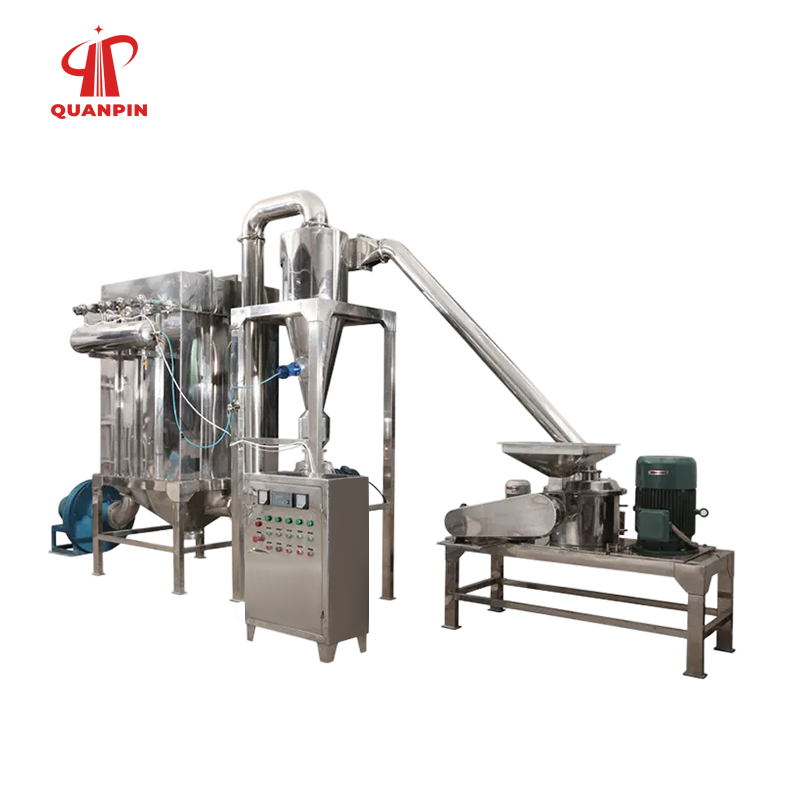
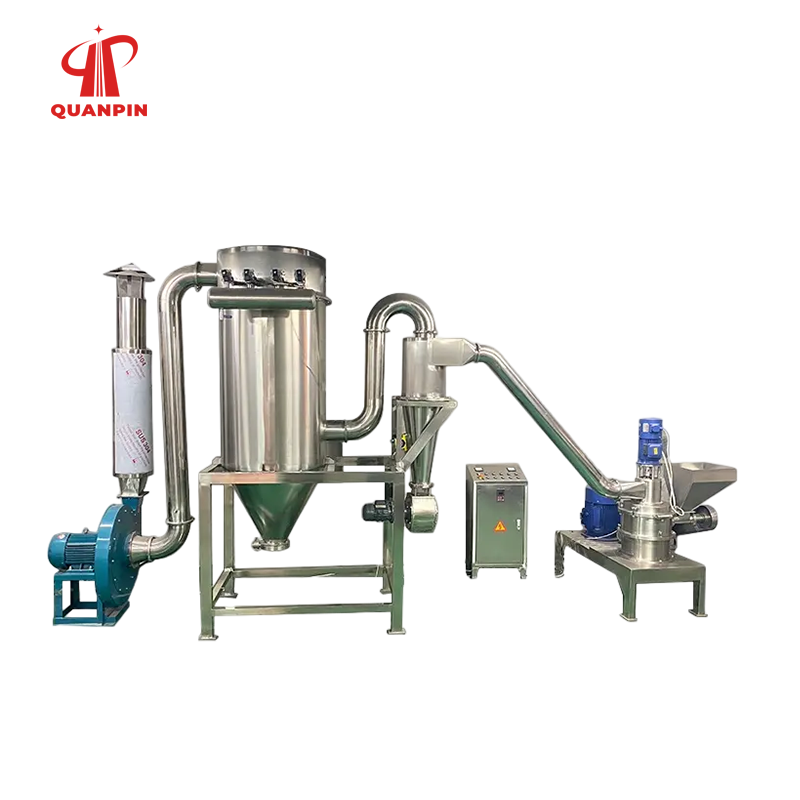
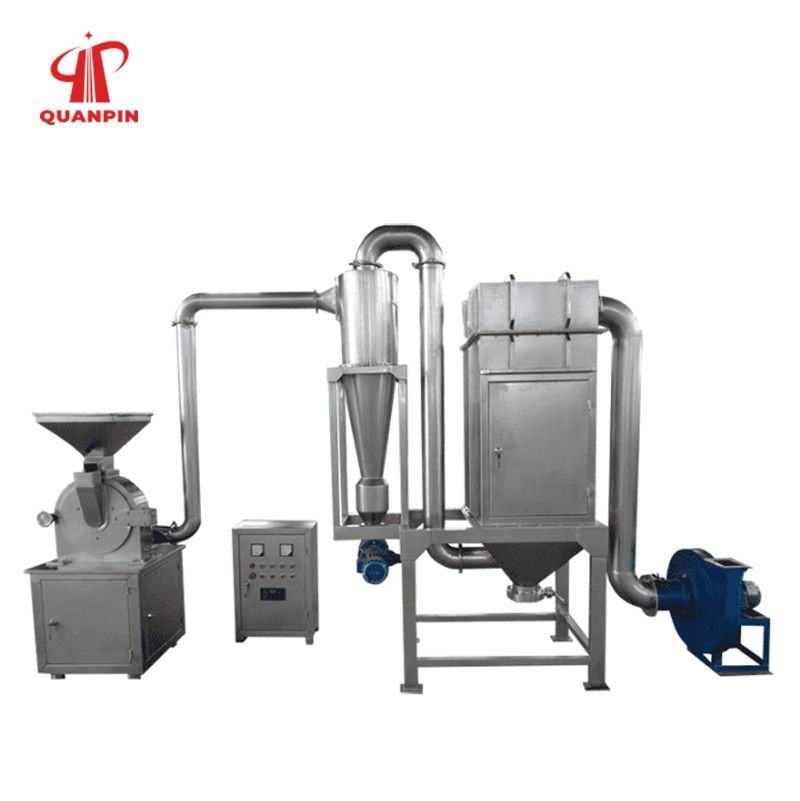
Use genuine matching equipment images as machine references. They should not suggest that the photographed unit reproduced a published molecular transformation.
Preserve the difference between fibre shape, powder size, molecular chain length and crystalline organization in captions and technical discussion. Each describes a different aspect of the material.
Confirm the intended chemical use and any material-handling concerns through the project enquiry. A general cellulose label is not a complete equipment specification.
Before selecting the final arrangement, review the actual physical trial and the separately identified laboratory findings. State remaining uncertainties without turning them into assumed capabilities.
Prepare a Specific Enquiry
Provide QUANPIN with the feed grade, incoming form, desired powder and intended use. Include the available information needed to discuss the installation and proposed trial.
Add molecular requirements as explicitly named questions for assessment. This avoids hiding a chain-length requirement inside a general request for fine cellulose powder.
Keep Research Conditions Attached to Results
The Ago solvent-comparison experiment produced differing cellulose morphologies and structural states in different ball-milling media. Its results reinforce the role of experimental context; they do not establish solvent processing or controlled depolymerization capability for the referenced equipment.
A responsible proposal connects the actual material to the actual supplied process. Published transformations remain research findings until an appropriate project-specific comparison establishes a relevant outcome.
Frequently Asked Questions
Do Smaller Particles Mean Shorter Chains?
Does smaller powder mean shorter cellulose chains? No. External particle size and molecular chain length require different measurements.
Does Crystallinity Measure Chain Length?
Does a crystallinity index measure degree of polymerization? No. The index concerns structural organization and depends on its analytical method.
Can Research Times Be Transferred?
Can ball-milling research supply a WFJ operating time? No. The apparatus, treatment conditions and material must remain part of the research boundary.
Should Feed Condition Be Recorded?
Should feed condition be recorded? Yes. Identify the actual grade, prior treatment and condition so the comparison has a clear starting point.
What Should the Supplier Assess?
What should the supplier assess first? Provide the real feed and required physical powder characteristics, then confirm the suitable configuration and trial scope.
What Supports Acceptance?
What supports an acceptance decision? Combine the physical trial with any explicitly required molecular, structural and downstream tests, keeping their individual conclusions visible.
Discuss Your Pulverizing Requirement
Discuss the material, processing objective and required trials with QUANPIN. Review the equipment information and the relevant industry applications, or send an enquiry through our contact page.
Email sales@qpdryer.com or stacie@qpdryer.com. Call +86 19850785582 or contact WhatsApp +86 15921493205 to discuss the proposed scope.