Food Protein-Powder Blending: Distinguish Uniform Protein Quantity from Amino-Acid Quality
By QUANPIN
A 3D powder mixer trial can assess how ingredients are distributed through a food-protein blend without establishing its nutritional protein quality. Uniform composition and amino-acid evaluation are separate questions.
This guide concerns ingredient characterization and the scope of a mixing trial. It does not prescribe protein recipes or make medical, exercise-performance or health claims for a blend or QUANPIN equipment.
Uniformity and Protein Quality Are Different
A total-protein measurement describes the reported protein quantity under its analytical method. It does not independently supply the concentration of every indispensable amino acid.
A composition-uniformity assessment compares sampled portions for the selected analyte. Passing that comparison does not independently establish amino-acid adequacy or digestibility.
Define the Actual Trial Objective
Define which attribute the proposed trial should demonstrate. A physical mixing test cannot replace separate ingredient analyses or a product-specific protein-quality evaluation.
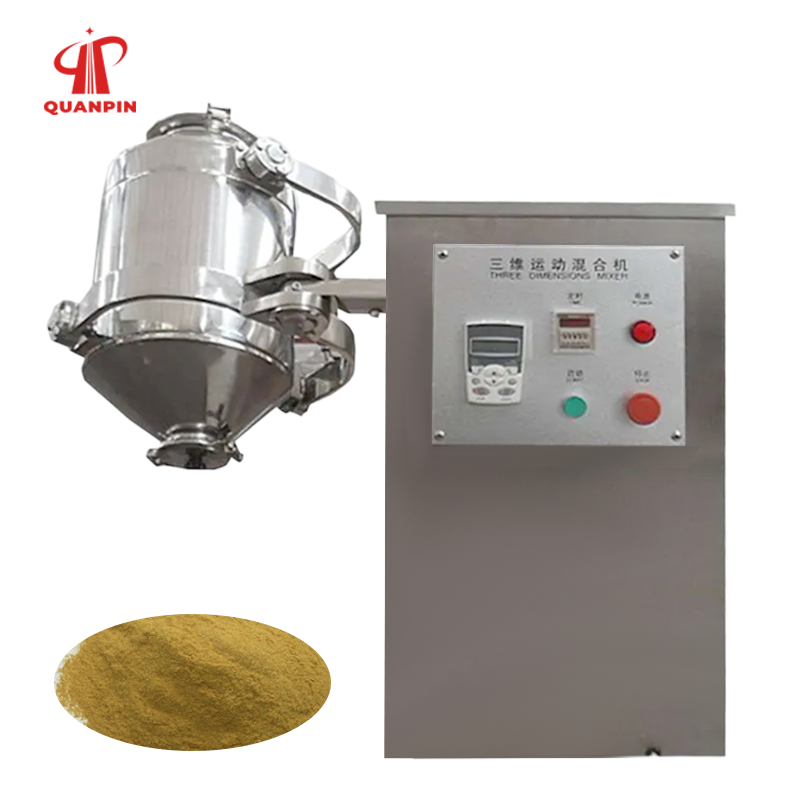
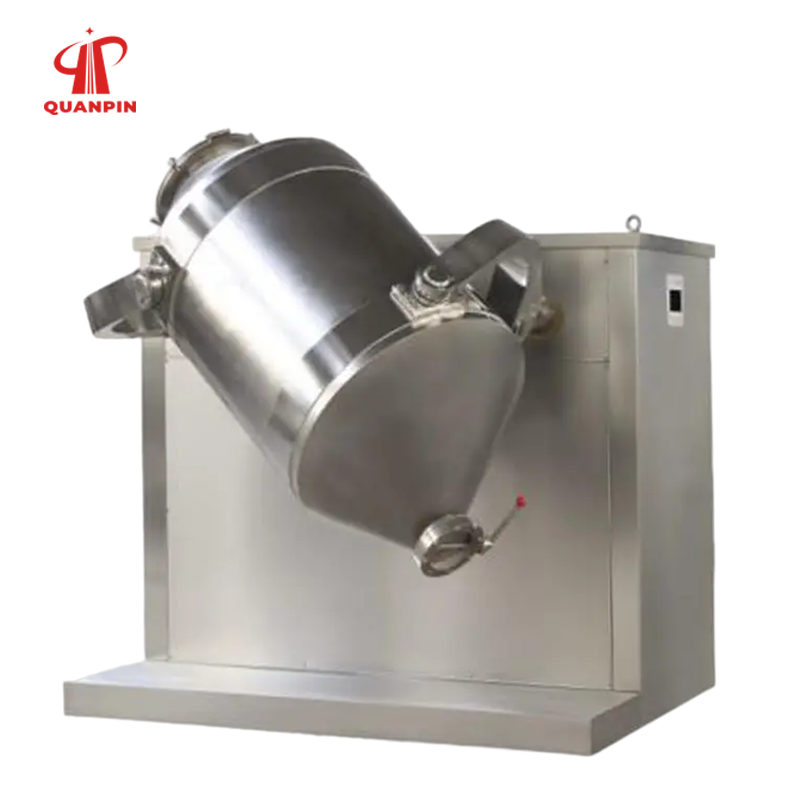
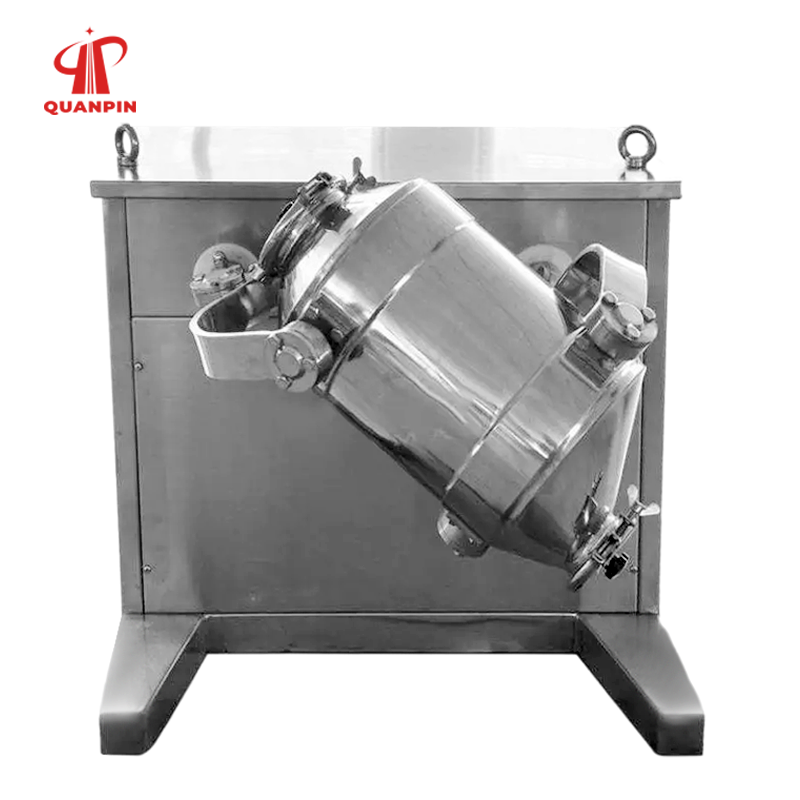
Confirm the supplied SYH configuration for the food formulation. The equipment does not acquire a nutritional validation function because the ingredients contain protein.
Five Inputs for an Ingredient Comparison
Ingredient identity
Identify the protein ingredients and grades. Different sources can have different compositions and preparation histories despite a similar total-protein statement.
Recipe basis
State ingredient proportions on an explicit basis. Keep the recipe definition distinguishable from the analytical quantity measured in a specimen.
Selected analyte
Define the sampled analyte and acceptance objective. Total protein, an individual amino acid and an ingredient-specific marker represent different observations.
Analytical method
Record the analytical method and reporting basis. A result cannot be interpreted fully without knowing what the laboratory measured.
Separate assessment
Identify any separate product-quality or claim assessment. Its responsible party and evidence requirements should remain distinct from the equipment trial.
Keep the Quality-Evaluation Boundary Clear
The FAO report on dietary protein-quality evaluation treats protein-quality assessment as a distinct technical subject involving amino-acid and digestibility considerations.
That framework explains why the mass of protein in a recipe is not a complete quality assessment. It does not establish a preferred formulation or validate a particular mixing installation.
Neither a supplier’s ingredient calculation nor a uniform total-protein assay independently supplies every measurement required by a chosen quality-evaluation approach.
A three dimensional mixer enquiry should therefore state the physical blending objective separately. Additional food-composition evaluation remains a laboratory and product-development responsibility.
Six Stages Connecting Recipe and Analysis
Incoming ingredients
Before mixing, identify each ingredient and retain its analytical information. Preserve any differences in preparation, grade or reporting basis.
Weighed recipe
During recipe preparation, record the actual weighed quantities. A planned proportion is different from a laboratory measurement of the completed blend.
Tested configuration
During mixing, retain the material and configuration represented by the trial. The result should remain attached to the actual tested arrangement.
Represented samples
During sampling, identify which portions and processing stage are represented. Keep sample records connected to the subsequent analyses.
Named analysis
During analysis, preserve the named analyte and method. Do not relabel a general protein result as a full amino-acid profile.
Evidence review
During review, distinguish demonstrated ingredient distribution from untested nutritional attributes. A successful mixing conclusion should state its actual evidence boundary.
Name the Reference and Measured Endpoint
Amino-acid reference
An amino-acid profile describes individual components rather than one aggregate protein quantity. The reference used for interpreting that profile also matters.
The National Academies’ official macronutrient reference tables present protein reference information and an indispensable-amino-acid scoring pattern as distinct items.
The tables identify their underlying 2002/2005 report. They are used here to illustrate a named reference basis, not to prescribe intake, recommend a formulation or certify a proposed blend.
Product-claim assessment
Product descriptions and claims require a separate assessment from equipment acceptance. The relevant jurisdiction and actual product remain part of that assessment.
The Canadian Food Inspection Agency’s official nutrient-claim guidance distinguishes protein-related claims and their conditions, including protein-rating methodology.
Its regulatory guidance does not establish that a uniform powder automatically qualifies for a claim. This article gives no legal approval or jurisdiction-independent labeling instruction.
Original analytical comparison
Original research also distinguishes the amino acids present in a test product from the response measured after its consumption. These are different study endpoints.
An original crossover investigation of a defined dairy-and-plant blend measured individual amino-acid availability separately from the administered protein quantity.
The measured individual profiles reflected differences among the tested protein sources. Its particular formulations and human-study observations cannot validate another blend or the mixer used to prepare it.
Compare the Actual Formulation
Start the material comparison with the actual formulation and ingredient analyses. Avoid replacing them with broad categories such as plant protein or dairy protein.
If composition uniformity is the equipment objective, define the analyte and sampling approach. State exactly what consistency between the sampled portions demonstrates.
If an amino-acid profile is required, obtain the corresponding analysis or appropriately verified ingredient evidence. An aggregate protein result cannot fill missing individual-amino-acid values.
If digestibility or a product claim is being evaluated, identify that separate programme. The physical mixing trial should not be described as having completed it.
Read Human Research within Its Scope
Another original crossover study of defined plant-protein blends assessed specified blood amino-acid endpoints against a whey-protein comparator under its research protocol.
Its comparisons show why researchers identify both the formulation and measured endpoint. They do not establish muscle outcomes, clinical benefit or a general recipe recommendation in this equipment discussion.
Investigate Unclear Quality Claims
If total-protein values are consistent across portions, report that result accurately. Do not extend it to unmeasured amino-acid composition or digestibility.
If ingredient ratios change while total protein remains similar, retain the recipe change explicitly. Similar aggregate quantities do not establish identical compositions.
If an individual amino acid differs between ingredients, do not assume bulk mixing creates additional quantities of that component.
If two studies use different formulations or populations, preserve those boundaries. Their responses cannot be merged into a universal performance claim for protein blends.
If labeling requires additional evidence, identify the unresolved requirement before approving a product description. An equipment quotation cannot supply that approval.
If the trial concerns only physical distribution, state that scope. A clear limitation is more useful than implying that every nutritional question has been resolved.
Prepare the Protein-Powder Enquiry
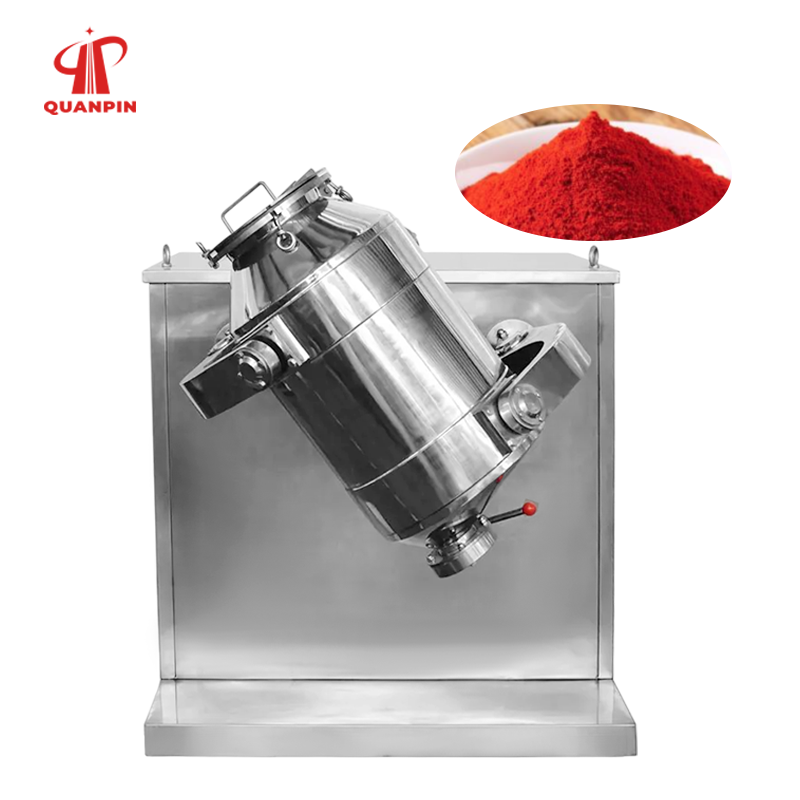
For a 3D mixer enquiry, provide ingredient identities, recipe basis and the selected uniformity objective. Describe separately any amino-acid or product-quality assessment.
For a three dimensional powder mixer comparison, retain the actual formulation and analytical responsibilities. Agree which specimens the material trial can provide.
Confirm Equipment and Assessment Responsibilities
Review the QUANPIN SYH equipment information against the proposed food-powder blending duty. Suitability and supplied features require confirmation.
A 3D powder mixer manufacturer proposal should distinguish equipment scope from nutritional evaluation. It cannot guarantee an untested amino-acid score, claim eligibility or physiological response.
Frequently Asked Questions
Does uniform total protein establish amino-acid composition?
No. Uniform aggregate protein results demonstrate the measured attribute across the represented portions. They do not independently establish a complete amino-acid profile.
Is protein quantity a quality score?
No. Protein quantity and protein quality are distinct evaluation questions. The chosen assessment must identify its methods and reference basis.
Does mixing create missing amino acids?
No. Physical mixing redistributes ingredients. It does not independently create a measured quantity of an amino acid absent from the formulation.
Does another trial validate this blend?
No. A defined research formulation and measured human-study endpoint cannot validate another food powder or demonstrate a nutritional function of SYH equipment.
Does a mixing test approve a claim?
No. Product claims require their own evidence and applicable assessment. A successful material-mixing trial is not a labeling authorization.
What should the enquiry specify?
Provide ingredients, proportions, reporting basis and uniformity analyte. Identify the separate amino-acid, digestibility or product-assessment requirements without treating them as automatic mixing outcomes.
Discuss Your Food-Powder Mixing Duty
Discuss the material, processing objective and required trials with QUANPIN. Review the equipment information and the relevant industry applications, or send an enquiry through our contact page.
Email sales@qpdryer.com or stacie@qpdryer.com. Call +86 19850785582 or contact WhatsApp +86 15921493205 to discuss the proposed scope.