JZL Extrusion Granulator Trials: Connect Drying Shrinkage with Pellet Porosity and Release
By QUANPIN
A spherical pharmaceutical pellet can have the required outline while its internal pore structure and dissolution behaviour remain unsuitable. Drying belongs in the development investigation because wet and dried pellets need not have the same structure.
For an Extrusion Granulator enquiry, distinguish the extruder’s confirmed duty from subsequent rounding, drying and release testing. A successful extrusion observation alone cannot establish the performance of the finished dosage form.
Separate the Extrusion Duty from Pellet Performance
Wet-mass extrusion forms material through a selected opening. Spheronization, where specified, is a separate rounding operation, and neither operation substitutes for assessment of the dried pellet.
Porosity describes void space on a stated measurement basis. Drug release describes a response in a defined medium over time; these observations should be connected experimentally rather than treated as synonyms.
Define Which Structural Change Is Being Measured
Shrinkage can change a pellet’s dimensions during drying. To investigate it, compare identified wet and dried populations while retaining the formulation and the method used to measure their dimensions.
An unchanged average diameter is not proof of unchanged internal structure. Conversely, a dimension change does not independently identify which pore population or release mechanism has changed.
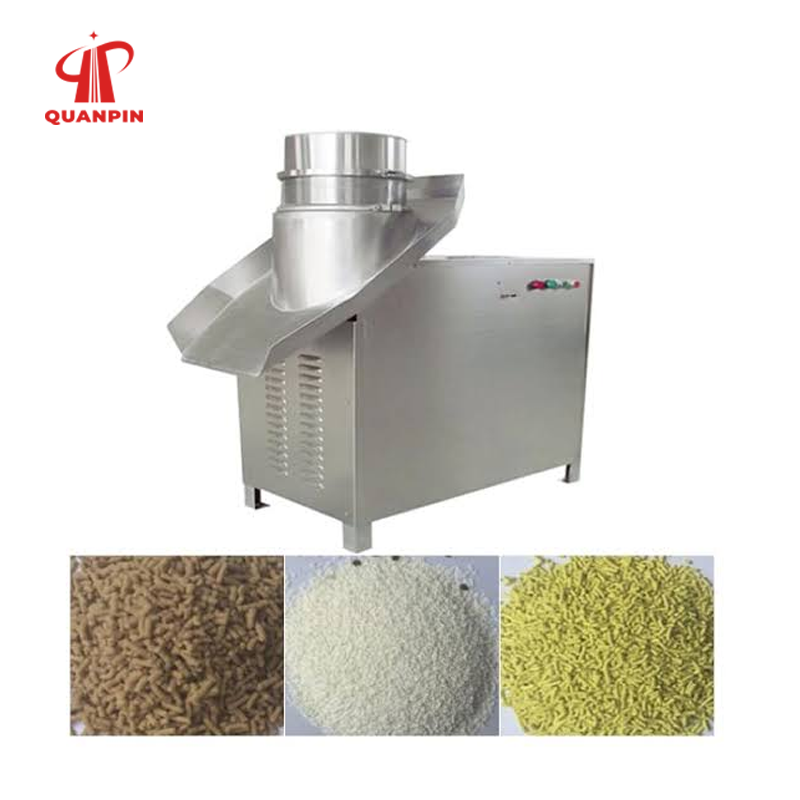
Five Inputs for a Useful Pellet Investigation
Formulation identity
Identify the drug and excipient grades, proportions and relevant solubility information. A result from a different formulation may describe a different material system.
Pelletizing liquid
Record the pelletizing liquid and its addition basis. The liquid used in wet granulation can influence the structure subsequently exposed to drying.
Sample population
Define the sampled population, including any size fraction selected before testing. A narrowly sieved subset should remain distinguishable from the entire batch.
Porosity definition
State whether the reported porosity concerns interparticle packing or pores within individual pellets. Bulk-bed voidage does not directly quantify internal transport pathways.
Dissolution method
Specify the dissolution method, medium and reporting basis. A release comparison requires its actual test conditions and suitable analytical controls.
Why Shrinkage Does Not Predict Release Alone
An original granulation experiment linked different wet-mass histories with drying shrinkage and pellet properties. Notably, lower porosity did not simply imply slower paracetamol release in that formulation. See the original granulation and shrinkage experiment.
The authors attributed their observed release behaviour to the presence of drug crystals at the pellet surface after greater shrinkage. That interpretation belongs to their studied system, not to every pharmaceutical pellet.
The useful development question is therefore not whether more or less porosity is always preferable. It is whether the actual material, drying history and structure explain the measured release profile.
Do not copy an experimental liquid level or drying schedule into a QUANPIN operating specification. Establish the proposed process with representative material and the responsible formulation team.
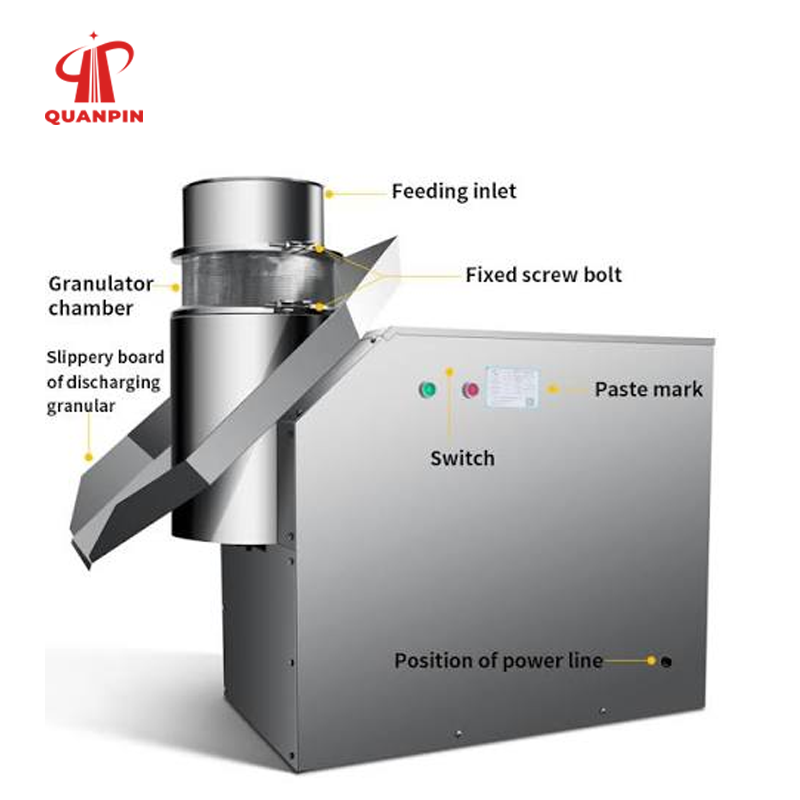
Follow the Specimen through Six Stages
Incoming materials
At incoming-material review, retain identity and grade information. An excipient substitution can change the meaning of a comparison intended to isolate a drying effect.
Wet-mass preparation
At wet-mass preparation, identify the mixing procedure and liquid addition. Keep this record linked to the extrudate and final pellet specimens.
Extrusion
At extrusion, document the confirmed configuration and material condition. A pharmaceutical granulator designation alone does not identify the later product structure.
Rounding
At rounding, retain the separate equipment and operation record. Do not credit the extruder with a downstream spheronization function that has not been specified.
Drying
At drying, record the actual programme, sample history and endpoint assessment. Link any structural measurement to the particular drying treatment it followed.
Laboratory testing
At testing, preserve the size selection, conditioning and measurement procedures. This makes it possible to distinguish a processing difference from a specimen-preparation difference.
Compare Structure and Dissolution Deliberately
Match the comparison
Begin a comparison with matched formulations and clearly identified collections. If several factors change together, explain that the observation cannot isolate one factor’s contribution.
A wet-versus-dry size comparison and a dried-pellet density measurement answer different questions. Retain both where they are needed rather than replacing either with a photograph.
Discuss the selected porosity method with the laboratory. Its specimen preparation and assumptions determine which void space the reported value represents.
Retain the release basis
Compare dissolution profiles using the same justified procedure where possible. The choice of medium can alter swelling, erosion and apparent solubility of a formulation.
Retain the drug-content assay beside release data. A percentage release requires an understandable amount and reporting basis, particularly where processing may alter the specimen.
If a structural explanation is proposed, look for evidence supporting it in the actual pellets. A correlation between two reported averages does not prove a unique mechanism.
Investigate the explanation
Separate observation from interpretation in the trial record. Record the measured dimensions and release response before describing a possible effect of drying shrinkage.
A granulation and drying line should therefore have agreed development responsibilities across the stages. Equipment configuration, formulation decisions and analytical interpretation need identifiable owners.
An unexpected release profile should trigger a review of specimens and methods as well as processing. Changing the extruder before checking the analytical comparison may obscure the original question.
Keep Matrix Behaviour in the Interpretation
Original chitosan–piroxicam pellet research examined size, composition and release in different media. Its results involved gel dissolution or erosion as well as particle size. See the original size and composition study.
This is evidence against treating a porosity result as a complete release prediction. Drug properties, matrix behaviour and test medium remain part of the explanation.
The study does not establish a universally favourable pellet diameter. Any target size and release requirement must follow the intended formulation and dosage-form development programme.
When comparing granulation equipment, keep the required wet-extrudate duty separate from claims about finished-pellet release. Confirm both the equipment scope and the testing boundary.
Retain the Pelletizing-Liquid Boundary
Another original formulation study found that pelletizing liquid and superdisintegrant affected the release of sulfasalazine and caffeine from MCC pellets. See the original liquid and disintegration experiment.
Its explanation of air-pocket formation during production was formulation-specific. The work does not recommend changing to a solvent mixture without considering the actual process, material and containment requirements.
Use Complementary Tests for Different Questions
Original thymol-pellet research measured intraparticle porosity alongside drug content, release and molecular structure. Similar physical pellet properties did not eliminate the need for those separate evaluations. See the original multi-method pellet investigation.
For a new project, select tests that address the intended product rather than reproducing an unrelated publication’s full method set. The evidence should resolve a specific development uncertainty.
Photographs can retain visible cracks or shape changes, but they do not independently quantify connected pores, drug distribution or dissolution behaviour.
A mechanical-strength test adds another observation. A strong pellet can still have an unsuitable release response, so strength should not become an assumed pharmaceutical acceptance result.
Original ethylcellulose-granule research compared defined in-vitro and in-vivo release systems using explicit release models. Such relationships required investigation rather than inference from appearance. See the original release-system comparison.
That experiment is not a universal clinical prediction for another drug or pellet matrix. Its role here is to distinguish measured dissolution from a broader performance claim.
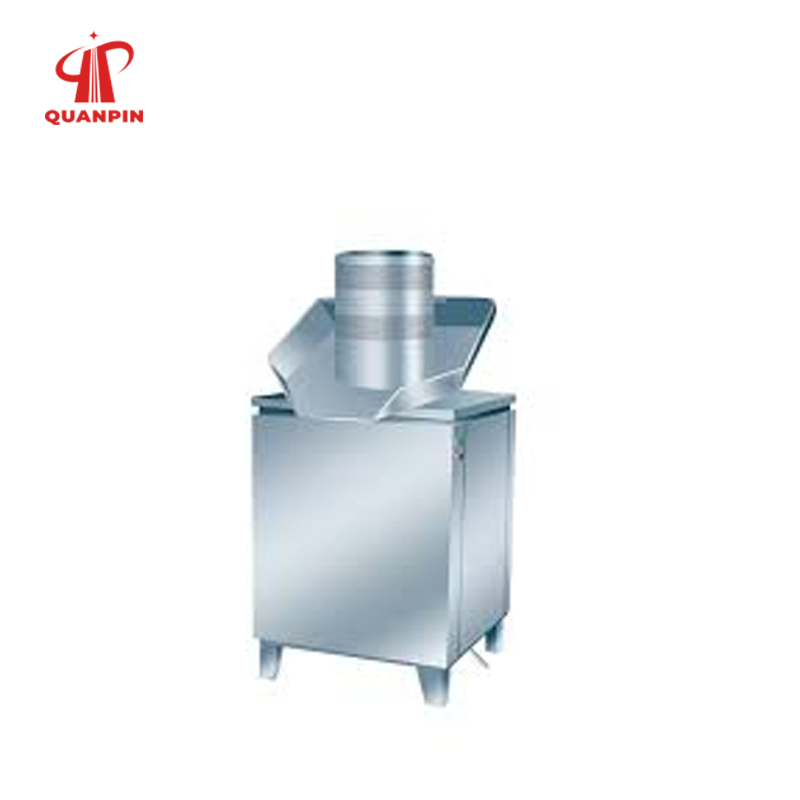
Prepare the JZL Development Enquiry
Provide QUANPIN with the wet-mass description, proposed extrusion duty and receiving process. Identify which rounding and drying stages are included in the supply scope.
Include the desired size population and the laboratory’s structural and release questions. An informative enquiry makes clear which observations the equipment trial must support.
Keep the Complete Pellet Evidence Record
Retain the formulation, process records, conditioning history and laboratory results together. Preserve the connection between wet specimens, dried pellets and the tested release population.
Conclude only what the actual comparison supports. Shape, shrinkage, internal structure and dissolution are related pieces of evidence, each with its own measurement boundary.
Frequently Asked Questions
Does a spherical pellet guarantee release?
No. Sphericity describes shape and does not independently establish internal porosity or the release profile in a specified dissolution medium.
Does lower porosity always slow release?
No. The cited experiments show formulation-dependent behaviour; surface drug distribution, matrix swelling and erosion can also influence the measured release response.
Can shrinkage be measured from diameter?
Only with an appropriate measurement design. Wet and dried specimens need identifiable populations and consistent dimensional methods before shrinkage is calculated.
Is bulk porosity an internal-pore measurement?
No. Interparticle packing voids and intraparticle pores describe different structures. Preserve the reported method and definition rather than combining the values.
Does JZL include every pellet operation?
No. The extrusion duty must be confirmed separately from any downstream spheronization, drying, coating and pharmaceutical product-testing responsibilities.
What should accompany an enquiry?
Provide material and liquid identities, extrusion requirements, downstream stages, sample populations and intended structure and dissolution tests. State who will evaluate the results.
Discuss Your Pharmaceutical Extrusion Duty
Discuss the material, processing objective and required trials with QUANPIN. Review the equipment information and the relevant industry applications, or send an enquiry through our contact page.
Email sales@qpdryer.com or stacie@qpdryer.com. Call +86 19850785582 or contact WhatsApp +86 15921493205 to discuss the proposed scope.