Spin Flash Dryer for Pigments: Review Material-Specific Combustible-Dust Information before Collection Design
By QUANPIN
Pigment identity and dispersed-powder behavior are different inputs to equipment review. Do not infer the absence of combustible-dust hazards from a material description.
For a spin flash dryer enquiry, identify what is known about the feed, recovered powder and process before specifying collection or other system interfaces. See chemical industry applications.
XSG Processing and Material-Specific Hazard Questions
The verified XSG route combines mechanical dispersion and hot-air contact for suitable wet powders, filter cakes and pastes.
That equipment principle does not establish the fire or explosion behavior of every pigment, formulation or recovered powder associated with the commercial category.
Define Known Material and Hazard Information
Start with the material and the information from its supplier and technical reviewers. HSE explains that risks from dangerous substances and explosive atmospheres need assessment for the actual work activity. See HSE DSEAR fire and explosion risk guidance.
The need for further material assessment should be decided by the competent team rather than replaced with an unsupported claim that all pigments behave alike.
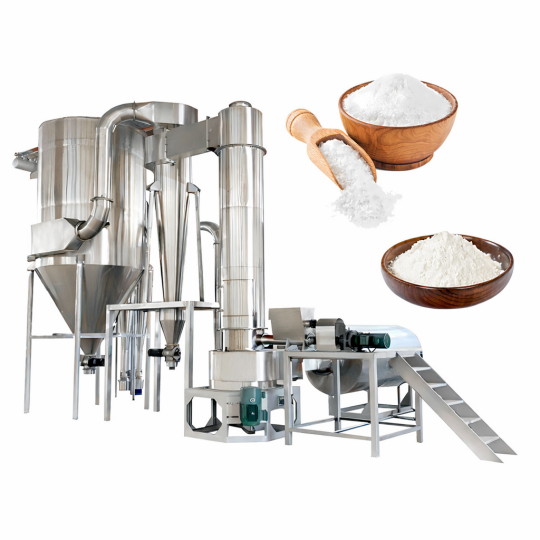
Five Steps for the Application Review
Identify feed and recovered powder
Identify the wet feed and the powder expected after processing.
Collect available material information
Collect the material and hazard information.
Describe drying and collection
Describe the drying and collection arrangement.
Flag unresolved assessment questions
Flag unresolved material or process questions for competent assessment.
Confirm engineering responsibilities
Confirm equipment and site responsibilities using the reviewed information.
Material Identity, Powder State and Engineering Evidence
A safety document provides useful information but does not replace the assessment of an material and work process.
A wet-feed description should not silently be treated as a statement about the subsequently recovered powder.
Keep preparation, additives and any material changes visible when they affect the identity being reviewed.
Do not infer a test result or a required protection design from a photograph or the generic name of a dryer.
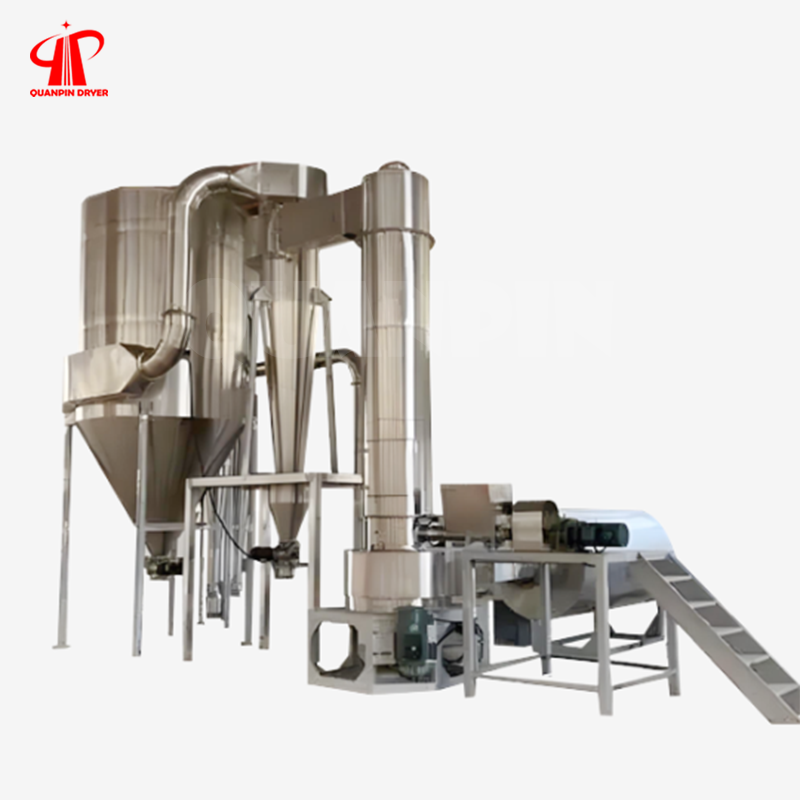
Equipment and Process Interfaces
Feed preparation
Feed preparation identifies the pigment material delivered to the process.
Feeding arrangement
The feeding arrangement presents the wet material to the reviewed drying configuration.
Mechanical dispersion and hot air
Mechanical dispersion and hot-air contact describe the XSG processing route.
Powder collection
Powder collection introduces system components and work tasks that need assessment for the material.
Site technical assessment
The site’s technical and safety team evaluates the hazards and engineering requirements within its assigned scope.
Confirmed supplier scope
The supplier’s proposal should distinguish components from protection or site interfaces requiring further engineering information.
Reviewing the Actual Pigment and Collection Duty
Define the Actual Material
Chemical powder drying should be reviewed using the real feed and required product attributes as well as hazard information.
For powder drying duties, an accepted product result does not establish the safety of every collection or handling condition.
A material’s susceptibility to a dust-related fire or explosion should not be guessed from its color, trade name or broad industry category. CCOHS explains the need to understand whether the actual material and process can create a combustible-dust hazard. See CCOHS combustible-dust guidance.
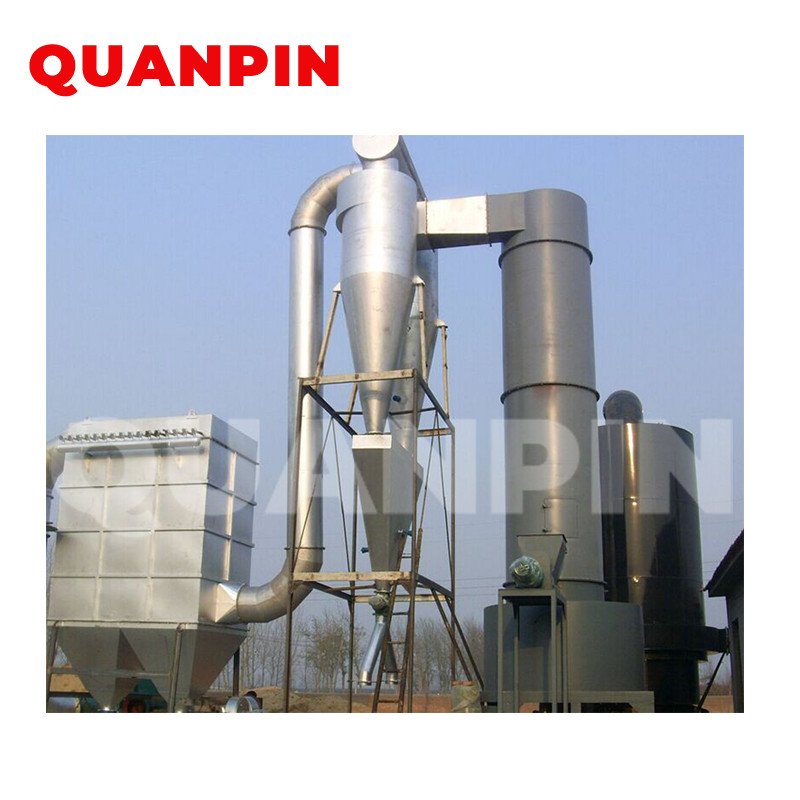
Preserve the Relevant Boundary
Where the information is incomplete, preserve that uncertainty and seek material-specific review.
Collector design, installation and maintenance can matter to the system risk where combustible dust is present. WorkSafeBC identifies design, installation and maintenance as relevant factors for combustible-dust collection risks. See WorkSafeBC dust-collection risk advisory.
Industrial drying equipment selection should therefore keep engineering scope and material assessment responsibilities explicit. HSE discusses assessment of fire and explosion risks and the information needed from the actual substance and work activity. See HSE dangerous-substances approved code and guidance.
State the Evidence Limits
The cited guidance explains why combustible dust and collection systems may need dedicated attention; it does not provide a universal pigment protection design.
Relevant requirements also depend on the installation and jurisdiction, so a reference should not be treated as a site compliance conclusion.
The enquiry should show what information supports the equipment duty and which safety questions remain unresolved.
Benefits and Limits of Material-Specific Review
A material-specific review can expose a question that is missed when the equipment is selected only by throughput.
It can help align the customer, material supplier and equipment engineer around the same pigment and process.
It cannot establish that every pigment is combustible or prescribe one protection arrangement for an unidentified powder.
Appropriate assessment and engineering evidence are needed for the material, configuration and site.
Pigment, Powder and Engineering-Scope Records
Record the pigment identity and known formulation information.
Describe the incoming wet feed and recovered-powder boundary.
Records, Handling and Safety Requirements
Preserve the hazard documents and material-assessment information.
Identify drying, collection and handling components.
Keep missing evidence and unresolved protection questions visible. WorkSafeBC provides workplace guidance on assessing combustible-dust risks, work practices and responsibilities. See WorkSafeBC combustible-dust resources.
Assign responsibility for material assessment, equipment engineering and site requirements.
Material testing, sampling and operating activities should follow the competent team’s procedures for the process.
An uncertainty about dust behavior does not authorize an improvised ignition test, unapproved equipment change or unsafe collector access.
Prepare the Pigment Dust-Information Enquiry
Compare spin flash dryer price proposals using the same material information, system scope and resolved engineering requirements.
Ask QUANPIN to state what further information is needed before an unconfirmed protection or collection arrangement is treated as part of the final proposal.
Evidence and Limits after Material Changes
Retain the assessed material identity and engineering basis with the equipment record.
When formulation, powder characteristics or process scope changes, review whether earlier material and engineering conclusions remain relevant.
Frequently Asked Questions
Does every pigment have the same dust behavior?
A broad pigment category does not establish one universal combustible-dust behavior.
Does wet feed fully describe the recovered powder hazard?
A wet-feed description is not a hazard description of the recovered dry powder.
Does product acceptance establish process safety?
A favorable product test does not establish every process-safety or site requirement.
Which collection factors can require review?
Relevant collection-system questions can include design, installation and maintenance for the material.
Can an illustration supply missing material tests?
An illustration cannot provide a material test or protection design.
What should the pigment enquiry identify?
The enquiry should identify the pigment, powder boundary, hazard evidence and the engineering questions requiring review.
Discuss Your Application with QUANPIN
Discuss the confirmed XSG Rotating Flash Dryer application with QUANPIN. Use the enquiry form or the contact page to describe your project.
Email sales@qpdryer.com or stacie@qpdryer.com. Call +86 19850785582, or contact us on WhatsApp: +86 15921493205.
For process evaluation, consider the spin flash dryer manufacturer for rapid contact between suitable dispersed feed and drying air; and the hollow paddle dryer for indirect heat transfer to suitable wet solids. Confirm suitability with representative material, the required product properties and the proposed process conditions.