Extrusion Granulator Trials: Preserve Unsuccessful Observations in the Pharmaceutical Development Record
By QUANPIN
An unsuccessful Extrusion Granulator development observation can be useful evidence when its material, configuration and context remain identifiable. Removing it from the record merely because a later sample looks better makes the actual study harder to understand.
For pharmaceutical work, preserve what happened and distinguish the observation from its investigation, interpretation and any authorized decision. Explore matching pharmaceutical applications.
What Can an Unsuccessful Trial Observation Establish?
The JZL is reviewed for compatible extrusion duties using actual prepared material and a confirmed fitted arrangement.
That equipment description does not establish the cause of every unfavorable appearance or analytical result obtained during development. The pharmaceutical record should preserve the actual observations and their context rather than only the selected successful outcome. See MHRA GxP data-integrity guidance.
JZL Configuration and Actual Study Context
A pharmaceutical granulator trial record should identify the objective and the conditions actually examined.
Do not replace the original sequence with a simplified success narrative when interruptions, adjustments or rejected observations affected the work.
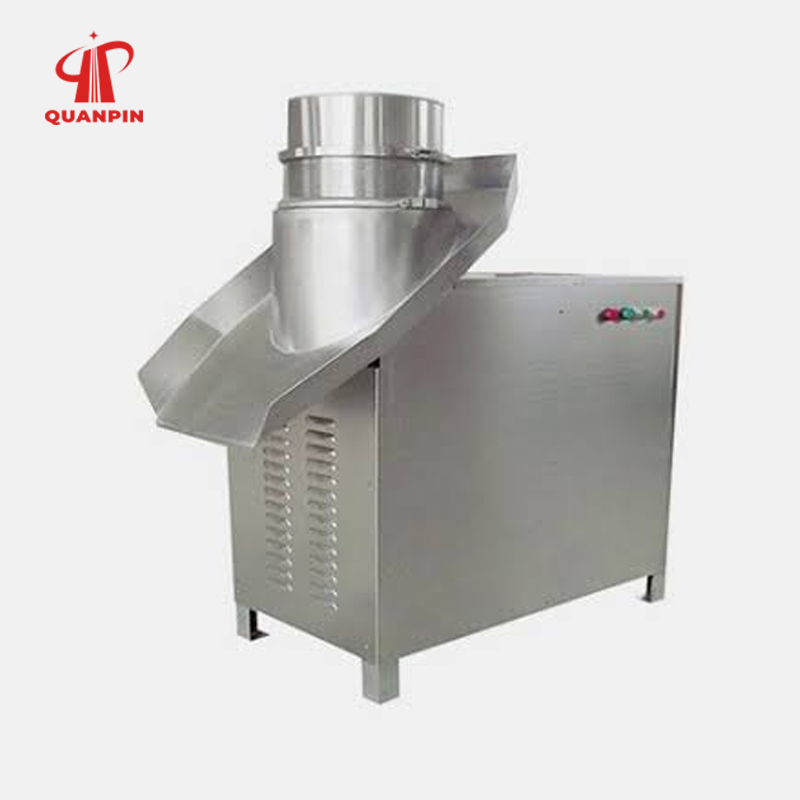
Five Steps to Preserve the Development Evidence
Identify the study question
Identify the development question and actual material.
Record the actual operation
Record the configured operation and observed events.
Preserve sample relationships
Preserve samples and measurements with their actual identities.
Review the relevant findings
Review findings through the appropriate technical and quality process.
State supported conclusions
State the supported conclusions without erasing the original evidence.
Four Observation and Decision Records
An observation describes what was seen or measured under stated conditions.
An investigation examines relevant information rather than assume a cause from appearance alone.
An interpretation explains the conclusion supported by that review.
A disposition or next-step decision belongs to the authorized process and should remain distinguishable from the raw observation.
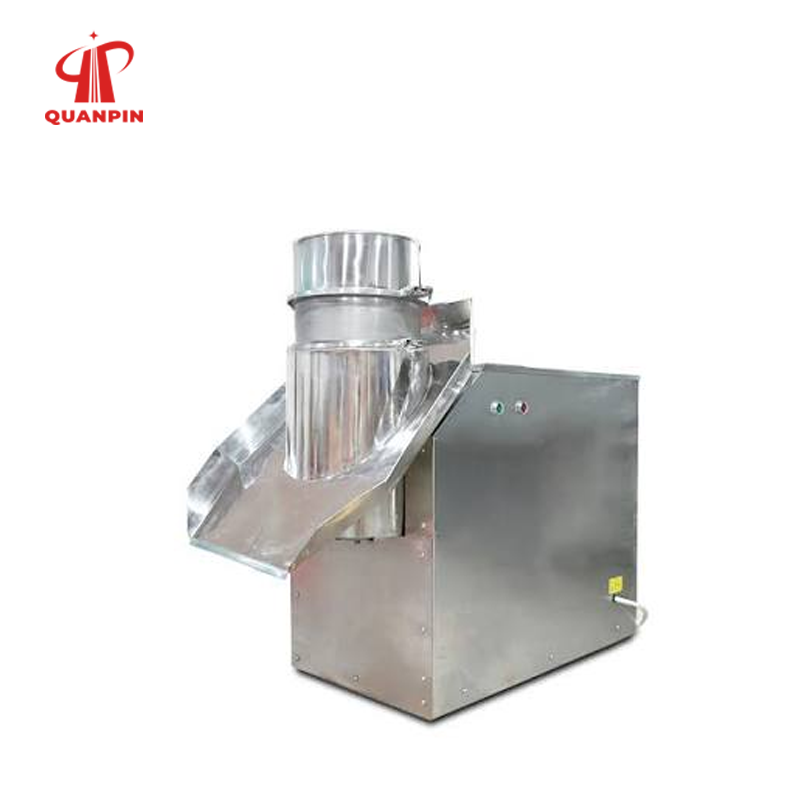
Process, Collection and Analytical Interfaces
Prepared-material feed
The feed arrangement establishes what prepared material entered the reviewed operation.
Extrusion assembly
The extrusion assembly identifies the actual working configuration.
Fitted components
Fitted components belong to the record of the particular activity rather than an unspecified catalogue arrangement.
Material collection
Collection identifies which output material was retained, examined or otherwise handled.
Later processing
Later shaping, drying or transfer creates additional boundaries where included.
Analytical examination
Analytical preparation and examination establish the actual material represented by a reported laboratory result.
Interpreting Changes and Unfavorable Findings
Preserve the actual event history
For pharmaceutical granulation equipment, a trial log should preserve relevant interruptions or changes that occurred during the study.
An unfavorable result does not independently establish an equipment defect, an unsuitable formulation or a particular operator action.
Wet granulation development should retain the actual powder, binder and preparation history used for each relevant observation.
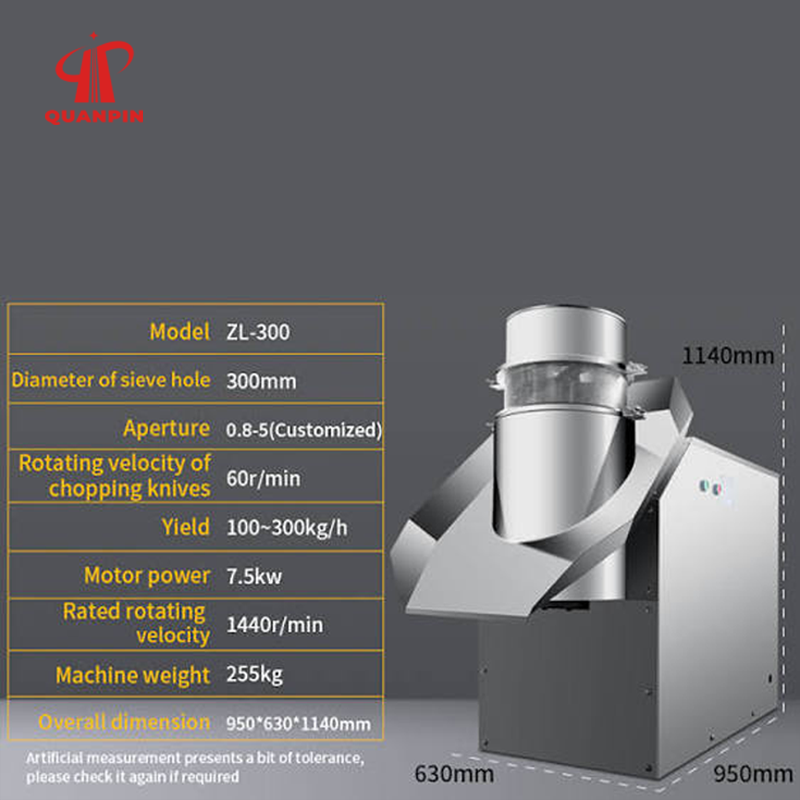
Distinguish development observations from OOS results
Keep the material before and after a documented adjustment separately identifiable when interpreting the comparison.
A granulation and drying line may introduce later operations that also belong in the history of a tested sample.
Do not convert every unsuccessful development observation into a laboratory out-of-specification classification without considering the applicable method, specification and scope.
Review original and later evidence
Where an actual laboratory OOS result occurs within the relevant framework, follow the appropriate investigation rather than treat a favorable retest as automatic replacement evidence.
A later successful sample can support its own stated result without retrospectively making an earlier observation disappear.
The technical review should explain which conclusions are supported and what remains unresolved for further development.
Pharmaceutical Review and Evidence Limits
Preserving unfavorable observations can expose a useful material or process question that a final summary alone would hide.
It also helps another reviewer distinguish an actual change in the study from a change in reporting. Reliable and accurate records require an appropriate data-integrity approach rather than unexplained removal of inconvenient observations. See FDA drug-CGMP data-integrity questions and answers.
The record does not establish a universal failure criterion or justify continued processing under an unresolved unsafe condition.
Actual product decisions and any further work require the relevant technical, quality and safety assessment.
Document the Objective and Actual Configuration
Record the development objective and actual formulation.
Identify the fitted configuration and material-collection boundaries. Data governance and record review should cover the activity actually performed and the relevant original records. See PIC/S PI 041: data management and integrity.
Original Records, Investigations and Safe Work
Preserve original observations, measurements and relevant event history.
Keep sample identifiers and analytical methods connected to the actual material.
Document the investigation, interpretation and authorized next steps separately.
Retain unresolved questions without rewriting the original study as though every condition was already understood. Where a laboratory result falls within the applicable OOS framework, follow the appropriate investigation; an unsuccessful development observation should not automatically be labelled an OOS result. See FDA investigation of pharmaceutical OOS test results.
Trial observations must be obtained through approved operating, sampling and safe-access procedures.
A desire to recover a better sample does not justify unsafe access or an unapproved process adjustment.
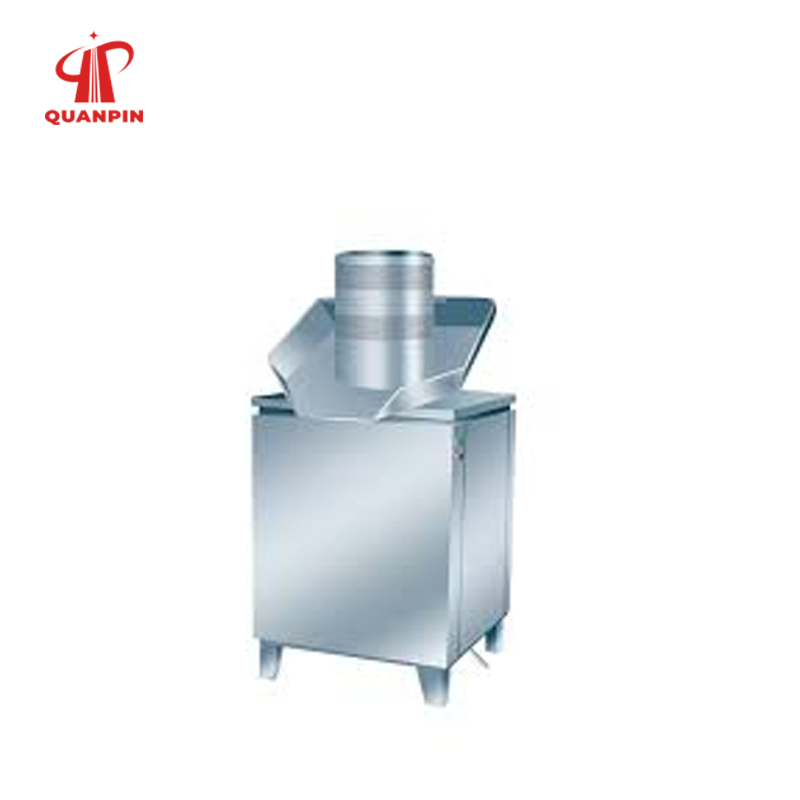
Provide QUANPIN with the Factual Processing Question
Send QUANPIN the actual equipment configuration and the clearly described processing observation requiring review.
Keep laboratory classification, product disposition and quality-system decisions assigned to the responsible customer reviewers.
Retain the Complete Relevant Development Record
The enquiry should support a factual engineering discussion without assigning an unverified cause or demanding a universal success guarantee.
Retain the final assessment with the complete relevant trial record, including observations that did not support the preferred outcome. Where regulated records are maintained electronically, determine the applicable Part 11 scope and preserve secure, reliable records under the underlying recordkeeping rules. See FDA Part 11 electronic-records scope and application.
Frequently Asked Questions
Should an unfavorable observation remain recorded?
An unsuccessful observation should remain identifiable even when a later trial produces a favorable sample.
Does appearance establish a cause?
An appearance difference alone does not establish its cause.
Is every unsuccessful trial an OOS result?
A laboratory OOS classification has an applicable analytical and specification context, not a generic unsuccessful-trial meaning.
Does a favorable retest erase an earlier result?
A favorable retest does not automatically erase an original result requiring appropriate review.
Are observations and decisions equivalent?
Raw observations, investigation conclusions and authorized decisions are different records.
What should the factual enquiry identify?
The enquiry should identify the actual material, configuration, event history and unresolved processing question.
Discuss Your Extrusion-Granulator Development Findings with QUANPIN
Discuss the matching QUANPIN equipment with QUANPIN. Use the enquiry form or our contact page to describe the actual application.
Email sales@qpdryer.com or stacie@qpdryer.com. Call +86 19850785582, or contact us on WhatsApp: +86 15921493205.