Centrifugal Spray Dryer for Coffee: Clarify the Reporting Basis of Feed Solids
By QUANPIN
A coffee-feed solids statement needs a defined reporting basis before it is used in an equipment enquiry. An unexplained percentage or concentration label should not silently become a complete material specification.
For a centrifugal spray dryer duty, preserve the meaning of the actual formulation and analytical information supplied with the coffee extract. See food industry applications.
Rotary Atomization and the Defined Coffee Feed
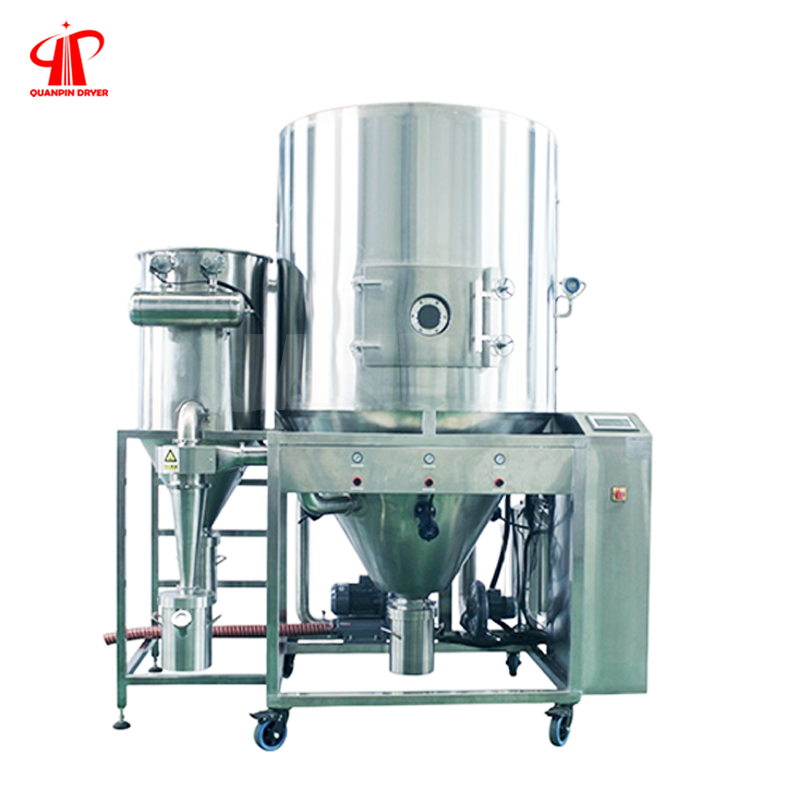
The verified centrifugal spray dryer working principle uses a rotary atomizer to disperse suitable pumpable feed into droplets for hot-air drying.
That process description does not establish that every concentration term represents the same solids basis, feed condition or engineering duty.
Define the Reported Quantity and Its Basis
Identify the reported quantity and the method or supplier specification behind it.
If the information is expressed using a volume basis, do not convert it to a mass-based statement without the additional applicable material information.
Five Steps for the Application Review
Identify the coffee formulation
Identify the coffee extract and any declared carrier.
Define the concentration information
State how the supplied concentration information is defined.
Preserve units and methods
Preserve the units and method associated with each result.
Describe delivered feed
Describe the actual feed delivered to the proposed atomizer.
Resolve comparison gaps
Resolve material-information gaps before treating proposals as equivalent.
Four Boundaries for Concentration Information
A formulation ratio, an analytical solids result and another instrument reading may answer different questions.
State which quantity is available rather than replacing its label with a more familiar term.
If a report does not identify its basis, record the gap instead of constructing an unsupported conversion.
Keep carrier contributions and later additions visible when they change the feed represented by the reported information.
Equipment and Process Interfaces
Coffee preparation
Coffee preparation establishes the actual formulation and material history of the extract.
Analytical or supplier information
A sample or supplier specification supplies the evidence behind the concentration description.
Feed connection
The feed connection establishes which prepared material reaches the reviewed drying system.
Drying configuration
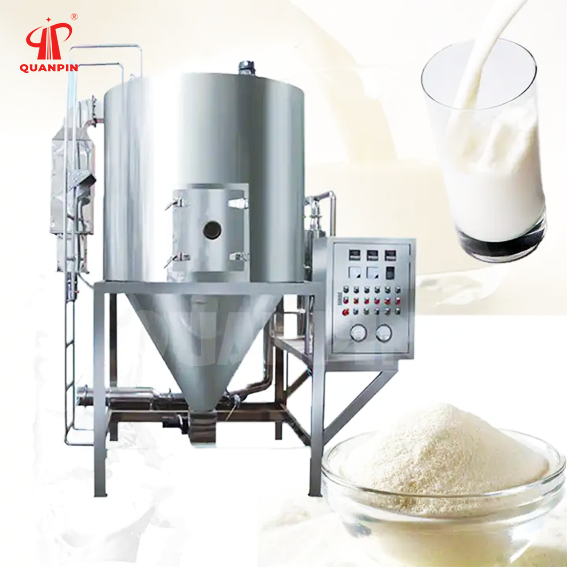
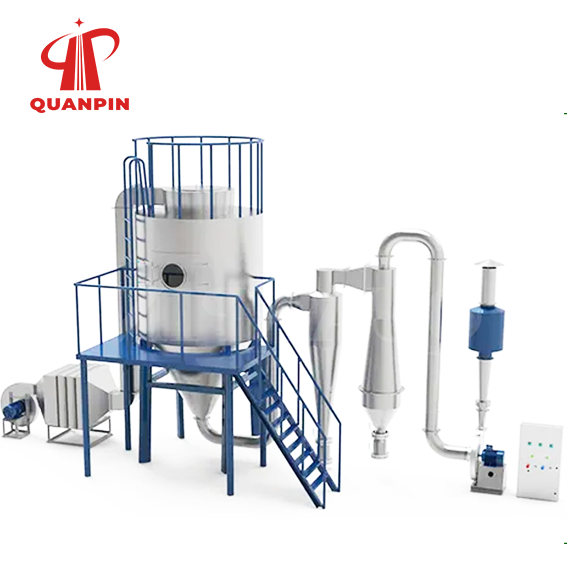
The high speed centrifugal spray dryer configuration identifies the actual atomization and hot-air arrangement.
Powder recovery
Powder recovery defines the material available for subsequent product assessment.
Equipment proposal
The equipment proposal connects the defined feed information to the engineering and product questions still requiring review.
Interpreting the Actual Feed Description
Define the Actual Material
A centrifugal spray dryer design enquiry should retain the source and meaning of the supplied feed data.
Do not assume that two identical numerical labels describe equivalent materials if the units, analytical basis or preparation differ.
Coffee extract and a carrier-containing coffee feed should remain separately identifiable where their formulations differ.
Preserve the Relevant Boundary
Viscosity, temperature-related material information and concentration describe different aspects of the feed and should not be treated as interchangeable terms.
Provide the actual available observations without inventing the missing properties of an unfamiliar formulation.
An engineer may need further information to evaluate the proposed pumpable-feed duty rather than accepting an unexplained concentration label.
State the Evidence Limits
Powder acceptance still requires relevant evidence for the collected material and intended application.
A clear concentration basis improves the enquiry description but does not by itself establish the finished coffee’s beverage properties.
Retain the actual formulation, method and material identity behind any statement used to compare representative trials.
Benefits and Limits of a Clear Concentration Basis
Clarifying the basis can expose a difference that would otherwise make two feed descriptions appear equivalent. Food equipment and processing need appropriate hygiene controls. See FDA food manufacturing practices.
It can help prevent a quotation discussion from relying on an unsupported material conversion. Identify allergens and cross-contact requirements when ingredients or carriers introduce them. See FDA food allergen information.
It cannot establish a universal operating setting, production rate or powder result for every coffee extract. Water activity describes a property different from total moisture content. See FDA water activity background.
Those conclusions need the actual feed information, proposed configuration and relevant application evidence.
Formulation, Units and Measurement Records
Record the coffee and carrier formulation represented by the information.
Identify the supplier specification or actual analytical report.
Records, Handling and Safety Requirements
Preserve the reported quantity, units and applicable method.
Describe preparation or additions after the original sample or specification.
State which properties remain unknown rather than borrowing values from another material.
Connect the information to the actual feed-entry boundary and required powder attributes.
Food-contact hygiene remains relevant during preparation, storage, transfer and product collection. Include relevant sanitation and handling requirements in the food-process review. See FDA sanitation and transportation resources.
Sampling and material handling should follow the applicable approved procedures independently from the numerical concentration discussion.
Prepare the Coffee Feed-Information Enquiry
A centrifugal spray dryer price comparison should use consistently defined feed requirements and the same supply scope.
Ask QUANPIN to identify which material information is sufficient and which unresolved basis or property needs clarification. Food hazard analysis and relevant preventive controls are separate from demonstrating a preferred ingredient appearance. See FDA preventive controls for human food.
Evidence and Limits after Method Changes
Retain the resolved feed description with the proposal and representative trial results.
When formulation or measurement methods change, review whether earlier data still describe the material being supplied.
Frequently Asked Questions
Does an unexplained percentage establish the basis?
An unexplained percentage does not establish a complete concentration basis for engineering review.
Can volume information be converted without additional evidence?
A volume-based description should not be silently converted into a mass-based statement without appropriate additional information.
Can carrier addition change the represented feed?
A carrier addition can change the feed represented by an earlier material report.
Are concentration and viscosity interchangeable?
Concentration and viscosity describe different feed properties rather than interchangeable equipment-selection labels.
Does feed solids establish beverage quality or output?
A defined solids basis does not independently prove beverage quality or a universal production rate.
What should the feed enquiry identify?
The enquiry should identify the formulation, reported quantity, units, method and the actual feed delivered for review.
Discuss Your Application with QUANPIN
Discuss the confirmed LPG Centrifugal Spray Dryer application with QUANPIN. Use the enquiry form or the contact page to describe your project.
Email sales@qpdryer.com or stacie@qpdryer.com. Call +86 19850785582, or contact us on WhatsApp: +86 15921493205.
For process evaluation, consider the centrifugal spray dryer machine for centrifugal atomization of suitable liquid feeds. Confirm suitability with representative material, the required product properties and the proposed process conditions.