Extrusion Granulator: Distinguish a Surrogate Trial Feed from the Actual Pharmaceutical Wet Mass
By QUANPIN
A surrogate feed used in an Extrusion Granulator activity should remain identifiable as a substitute material. An observation obtained with it does not automatically establish the response of the actual pharmaceutical wet mass.
State why a substitute was used and which limited question the activity was intended to answer before presenting its record as product evidence. Explore matching pharmaceutical applications.
Which Material Did the Trial Actually Process?
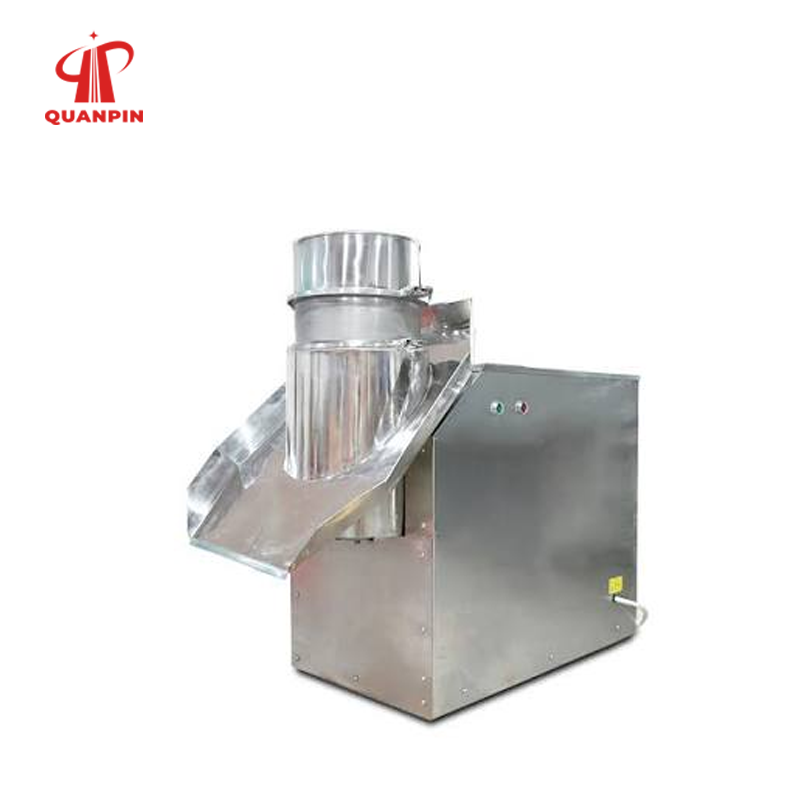
The JZL is reviewed for compatible extrusion duties using the prepared feed and confirmed working arrangement.
The equipment-family description cannot establish equivalent behavior for two different materials merely because both can be presented to the same machine. Use product-specific development knowledge to justify the attributes being examined. See FDA ICH Q8 pharmaceutical development.
JZL Extrusion and Material-Specific Evidence
For pharmaceutical granulation equipment, distinguish the actual formulation duty from a separate demonstration or study using another identified feed.
Do not rename substitute material as the customer product when the actual pharmaceutical formulation was not processed.
Five Steps to Define the Substitute-Feed Record
Define the intended feed
Identify the intended pharmaceutical wet-mass duty.
Identify the substitute
Describe the substitute material actually used.
State the study purpose
State the purpose and scope of the substitute-feed activity.
Preserve the configuration
Preserve the fitted configuration and recorded observations.
List unanswered formulation questions
Identify which actual-formulation questions remain unanswered.
Four Material and Interpretation Boundaries
The intended product description states the material and attributes the project ultimately needs to address.
The substitute-feed description identifies what was actually presented during the reported activity.
The observation record describes what happened under those stated conditions.
A relevance assessment explains which conclusions, if any, the available evidence supports for the intended application.
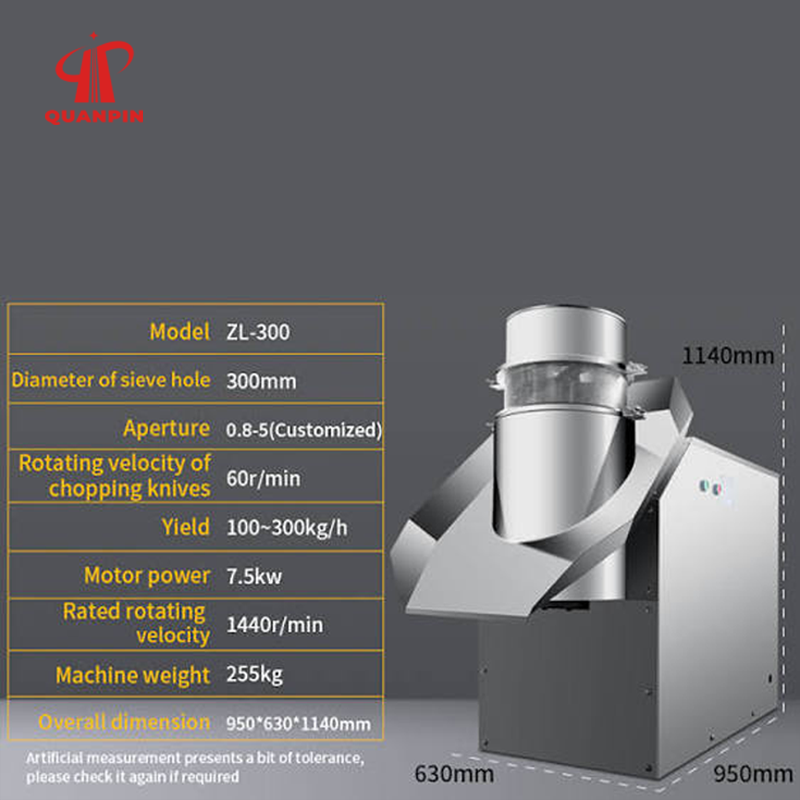
Equipment and Study-Material Interfaces
Feed arrangement
The feed arrangement establishes how the identified study material enters the process.
Extrusion assembly
The working assembly performs the confirmed extrusion operation in the stated configuration.
Fitted components
Fitted components belong to the actual equipment record used for the activity.
Output collection
Collection defines which output material became available for examination.
Separate downstream operations
Any separate shaping or drying stage needs its own confirmed process description.
Sampling and analysis
Sampling and analytical preparation determine what the reported observations actually represent.
Reviewing Relevance to the Pharmaceutical Duty
Identify the material honestly
A pharmaceutical granulator demonstration should identify its real material even when the immediate purpose concerns a handling or connection question.
A substitute may be selected for a stated study purpose, but the reason should not be invented after the result is known.
Do not assume equal composition, moisture behavior or mechanical response from a similar appearance.
Separate appearance from equivalence
For wet granulation development, the actual powder and binder preparation remain part of the intended formulation duty.
If those ingredients were not used, keep their behavior outside the demonstrated product result.
A granulation and drying line can introduce further operations whose application evidence is likewise material-specific.
Review actual-product evidence gaps
Compare configurations and observation methods explicitly rather than treating a shared equipment name as a complete relevance assessment.
A successful substitute-feed activity can leave important actual-material questions unresolved.
The development review should identify what further representative evidence is needed without pretending that an untested formulation has already been accepted.
Actual-Formulation Evidence and Its Limits
A clear substitute-feed statement prevents a useful limited activity from becoming a misleading pharmaceutical product claim.
It can also separate an equipment-interface observation from a request for actual formulation-performance evidence. A development comparison should not be presented as complete validation of an untested production process. See FDA process validation guidance.
The statement does not establish a universal substitute or a rule that one material always represents another.
Any proposed relevance needs the actual material information, study objective and appropriate technical and quality assessment.
Document Intended and Tested Material Identity
Record the intended formulation and required attributes.
Identify the substitute material and preparation used. Assess relevant quality risks using the actual material and process context. See FDA ICH Q9 quality risk management.
Study Records, Unanswered Questions and Safety
State the original purpose of the activity.
Preserve the equipment configuration and collection boundary.
Keep observations and methods attached to the actual tested material.
List the intended-product questions not answered by that activity. Interpret measurements through process understanding rather than treating an isolated instrument reading as product acceptance. See FDA process analytical technology framework.
The tested substitute and intended pharmaceutical feed each need their relevant material-hazard and compatibility review.
A familiar demonstration material does not authorize unsafe charging, collection or inspection of the extrusion installation.
Provide QUANPIN with the Labelled Trial Evidence
Send QUANPIN the actual product description together with the clearly labelled substitute-feed record.
Ask which further material information or representative study is needed for the intended application.
Preserve the Limited Findings and Their Context
The enquiry should preserve the limited evidence already obtained without expanding it into an untested product guarantee.
Retain the final interpretation with the actual study material, configuration and original observations. Retain knowledge and manage adopted process changes through the pharmaceutical quality system. See FDA ICH Q10 pharmaceutical quality system.
Frequently Asked Questions
Does a substitute result prove actual-product behavior?
A substitute-feed result is not automatically a result for the actual pharmaceutical wet mass.
Must tested material remain identified?
The tested material should remain explicitly identified even when the equipment is the same.
Does similar appearance establish equivalence?
Similar appearance does not establish equal composition or processing response.
Does an interface check prove formulation acceptance?
A limited equipment-interface observation does not independently establish complete formulation acceptance.
How should unanswered material questions be handled?
Unanswered actual-material questions should remain visible for further development review.
What should the actual-duty enquiry identify?
The enquiry should identify the intended product, substitute used, original study purpose and supported limits.
Discuss Your Actual Extrusion-Granulator Duty with QUANPIN
Discuss the matching QUANPIN equipment with QUANPIN. Use the enquiry form or our contact page to describe the actual application.
Email sales@qpdryer.com or stacie@qpdryer.com. Call +86 19850785582, or contact us on WhatsApp: +86 15921493205.