Centrifugal Spray Dryer for Coffee Extract: Distinguish Powder Recovery from Beverage Solubility
By QUANPIN
Powder recovery and beverage solubility answer different questions in a coffee spray-drying study. Keep the amount collected separate from the way that powder behaves when prepared for its intended drink.
A centrifugal spray dryer trial should therefore define both a collection boundary and an application-test method before results are compared. See food industry applications.
Coffee Atomization, Drying and Recovery
The centrifugal spray dryer working principle combines feed atomization with contact between droplets and drying air.
The resulting powder is collected through the confirmed recovery arrangement; collection alone does not establish the powder’s behavior in a cup.
Define the Coffee Formulation and Comparison Basis
Describe the actual coffee extract and any carrier used during the trial.
Do not compare recovery from one formulation with beverage performance from another without identifying the formulation difference.
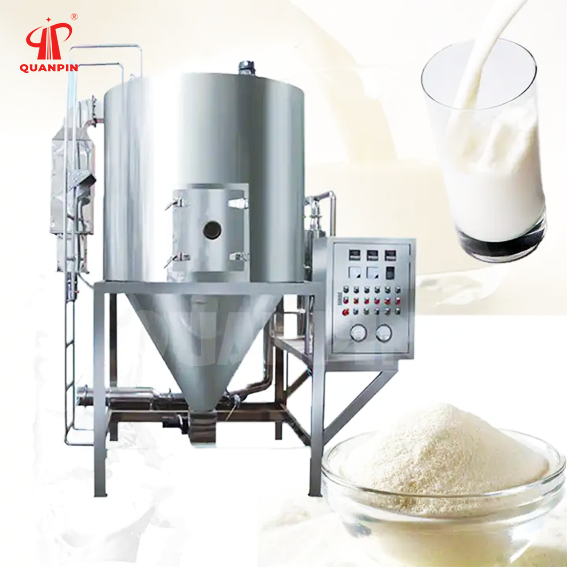
Five Steps for Separate Recovery and Beverage Results
Define the feed and interval
Define the incoming coffee feed and the complete trial interval.
Map recovered fractions
Identify every powder fraction included in the recovery statement.
Identify the beverage sample
Describe which collected material is used for beverage testing.
Specify the preparation method
Specify the intended drink preparation and assessment method.
Report separate results
Report recovery and beverage observations as separate results.
Collection and Beverage-Test Boundaries
Recovered mass needs an explicit accounting boundary: distinguish accepted product from samples, deposits and other material.
A beverage assessment needs an explicit preparation basis rather than a casual statement that the powder dissolves well.
If only one collected fraction is tested, identify that fraction and avoid extending its result to the entire output.
Record any blending of collected fractions before testing; it changes the material represented by the application sample.
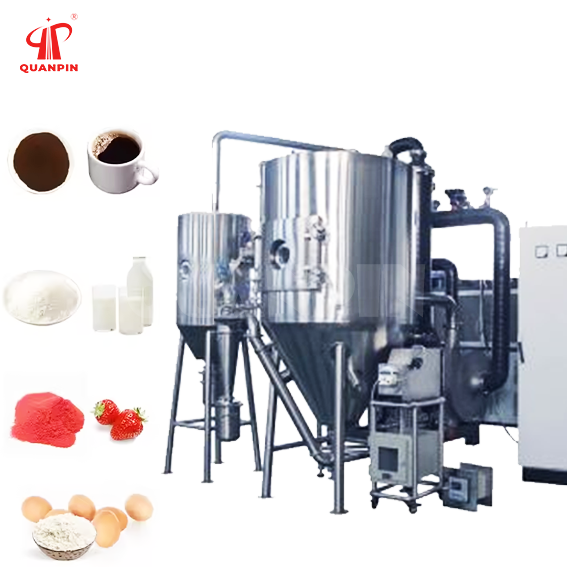
Coffee Spray Dryer Components and Interfaces
Coffee feed
Feed preparation establishes the coffee and carrier solids delivered to the dryer.
Atomization
The atomization arrangement belongs to the actual proposed high speed centrifugal spray dryer configuration.
Drying chamber
The chamber provides the reviewed drying environment rather than an independently demonstrated beverage result.
Powder recovery
The recovery equipment establishes where powder leaves the processing system and becomes available for collection.
Cooling and transfer
Any subsequent cooling or transfer stage should be identified when it occurs before sampling.
Beverage preparation
The beverage test uses a separate receiving operation whose preparation conditions belong in the test record.
Interpreting Recovery and Beverage Evidence
Define the Material Basis
Begin a recovery review with the defined material entering the system and the accepted fractions leaving it.
Do not count an unexamined deposit as saleable product merely to improve a reported percentage.
Explain whether the reported comparison covers the full collection interval or a selected portion of the run.
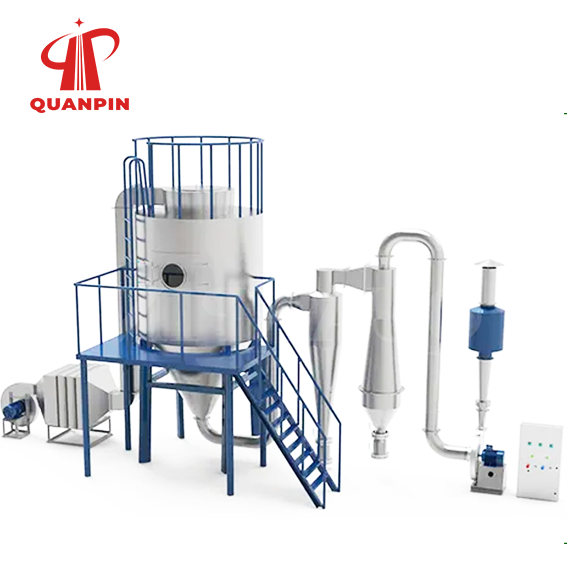
Keep Results Traceable
The beverage question should reflect the intended use of the coffee ingredient rather than an unrelated preparation.
Identify the powder sample, its storage history and any preparation before it is added to the test liquid.
Describe the test liquid and mixing procedure through the customer’s agreed method, without substituting an invented standard.
Identify Evidence Limits
Visible dispersion, undissolved material and sensory observations may represent different questions and should be labelled accordingly.
A favorable drink sample does not establish the total powder recovery, just as a favorable collection result does not prove solubility.
Keep the formulation, collection record and application-test record connected through the actual sample identity.
Benefits and Limits of Separate Assessments
Separating the two results makes it easier to locate an unresolved question in collection or in application performance. Food equipment and processing need appropriate hygiene controls. See FDA food manufacturing practices.
It also prevents a visually appealing cup from becoming unsupported evidence for the complete drying operation. Identify allergens and cross-contact requirements when ingredients or carriers introduce them. See FDA food allergen information.
Centrifugal spray dryer design should be reviewed with the actual extract and required powder attributes. Water activity describes a property different from total moisture content. See FDA water activity background.
There is no universal recovery or solubility guarantee for every coffee formulation described by the same equipment family.
Safety Information and Food-Handling Records
Food hygiene applies to the feed, product-contact equipment and collected powder handling.
Appropriate material and operating safety review remains necessary even when the immediate development objective is beverage quality.
Records, Handling and Safety Requirements
Identify the coffee formulation and any added carrier.
State the trial interval and powder-accounting boundary.
List accepted, sampled and otherwise collected fractions separately.
Record which material supplies the beverage-test sample.
Preserve the customer’s agreed preparation and analytical methods. Include relevant sanitation and handling requirements in the food-process review. See FDA sanitation and transportation resources.
Describe any transfer, blending or packing operation included before the product is evaluated.
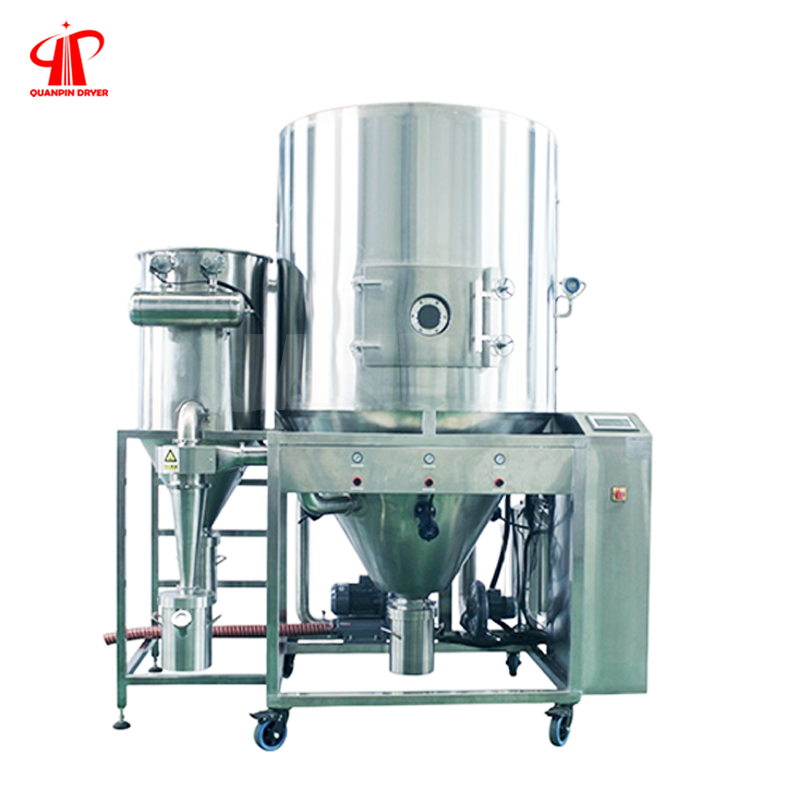
Prepare the Coffee-Drying Application Enquiry
A centrifugal spray dryer price comparison should use the same feed duty and recovery scope.
Ask QUANPIN to confirm equipment and collection responsibilities independently from the customer’s beverage acceptance requirements. Food hazard analysis and relevant preventive controls are separate from demonstrating a preferred ingredient appearance. See FDA preventive controls for human food.
Evidence and Limits of the Coffee Comparison
A useful report presents the recovery result and the beverage result side by side without making one stand in for the other.
Retain enough sample and method identity to explain what each result actually represents.
Frequently Asked Questions
Does recovered mass prove beverage suitability?
Collecting a powder fraction establishes its location and amount within a defined accounting boundary; it does not automatically establish beverage suitability.
What does a beverage test represent?
A beverage test represents the identified powder and preparation method used for that assessment.
Can one collector represent the whole output?
Material taken from one collector should not silently be described as the entire recovered product.
Should combined fractions be identified?
Combining fractions before sampling should remain visible because it changes the material presented to the test.
Does the trial establish shelf life?
A coffee trial does not establish commercial shelf life unless an appropriate separate study supports that conclusion.
What should the coffee enquiry include?
The enquiry should provide the formulation, collection scope, sample identity and intended beverage assessment.
Discuss Your Coffee Spray Dryer Application with QUANPIN
Discuss the confirmed LPG Centrifugal Spray Dryer application with QUANPIN. Use the enquiry form or the contact page to describe your project.
Email sales@qpdryer.com or stacie@qpdryer.com. Call +86 19850785582, or contact us on WhatsApp: +86 15921493205.
For process evaluation, consider the centrifugal spray dryer machine for centrifugal atomization of suitable liquid feeds. Confirm suitability with representative material, the required product properties and the proposed process conditions.