Universal Pulverizer for Pharmaceutical Ingredients: Define the Recovered-Powder Reconciliation Report
By QUANPIN
A powder reconciliation report should explain where supplied material was collected or otherwise accounted for. It should not hide unmeasured quantities behind a recovery percentage.
For the pulverizer machine, define the feed and collection boundaries before choosing which records will support the calculation. See pharmaceutical applications.
Define Recovered-Powder Reconciliation
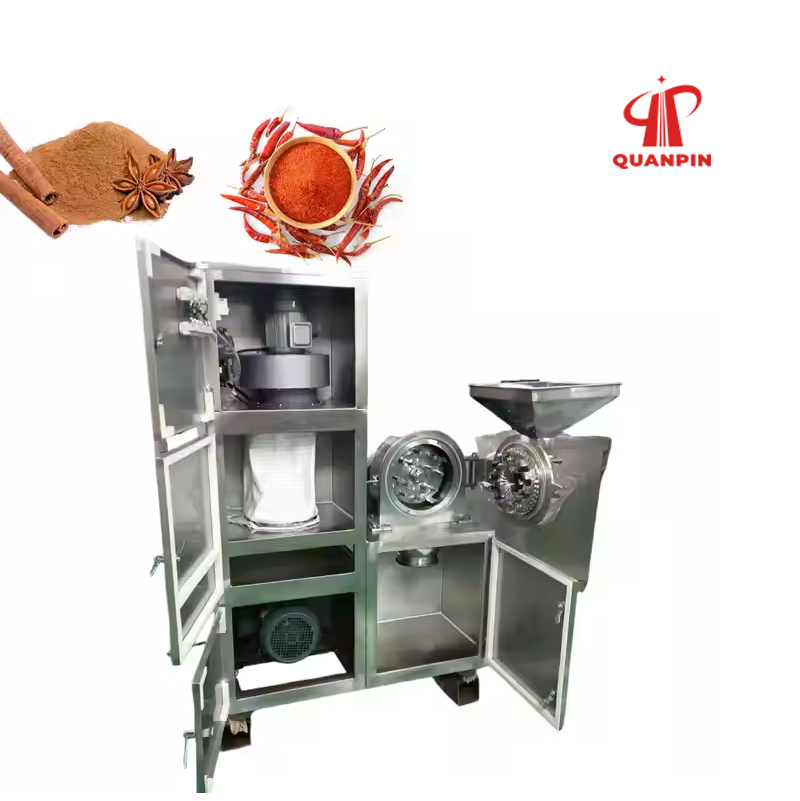
The QUANPIN unit combines mechanical size reduction with conveying and powder collection for compatible feeds.
A universal pulverizer arrangement can therefore involve more than one relevant collection or removal location during a study. Use product-specific development knowledge to justify the attributes being examined. See FDA ICH Q8 pharmaceutical development.
Equipment Principle and Application Scope
List the containers and other locations represented in the report before discussing accepted product.
Distinguish planned collection quantities from material that was actually weighed and identified.
Five Steps for the Review
Feed Added
Record the incoming feed added during the stated study interval.
Accepted Collection
Identify each external collection location included in the report.
Retained Samples
Separate accepted powder from fractions awaiting assessment or disposition.
Deposits
List retained samples and other known removals.
Unrecovered Difference
Reconcile the evidence and leave unexplained differences visible for review.
Four Evidence Boundaries
Collected material and accepted pharmaceutical product are not interchangeable categories.
A container may contain powder whose analytical status is still unresolved.
A retained laboratory sample is a known removal rather than unexplained process disappearance.
Deposits observed during shutdown also need a stated identity and measurement basis where included.
Components and Process Interfaces
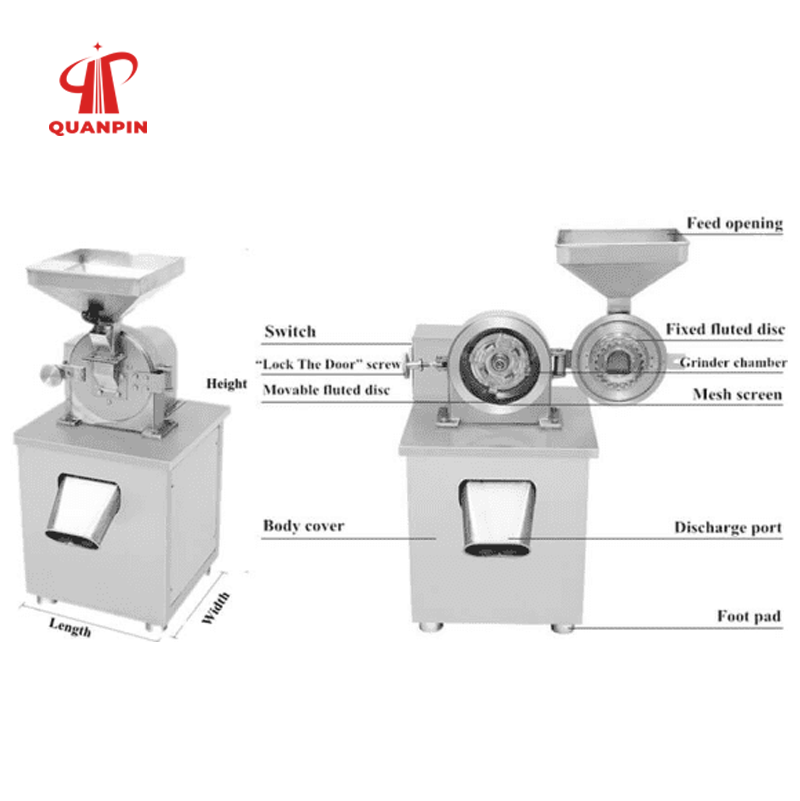
Feed Added Evidence
The feed boundary identifies the material introduced into the supplied system.
Accepted Collection Evidence
Each collector establishes an external location where recovered powder may be identified.
Retained Samples Evidence
The receiving container provides the basis for a particular collection record.
Deposits Evidence
Sampling points identify removals that may otherwise be omitted from the report.
Unrecovered Difference Evidence
Accessible deposits represent a different observation from powder removed during operation.
Measurement Basis Evidence
The laboratory record links the collected fraction to its product acceptance evidence.
Comparison Records and Interpretation
Define the Reference
An industrial pulverizer trial should preserve the interval covered by the reconciliation.
Do not combine feed from one run with powder collected after another without explaining the connection.
A powder grinding machine report should state whether all relevant external fractions were observed.
Preserve the Actual Conditions
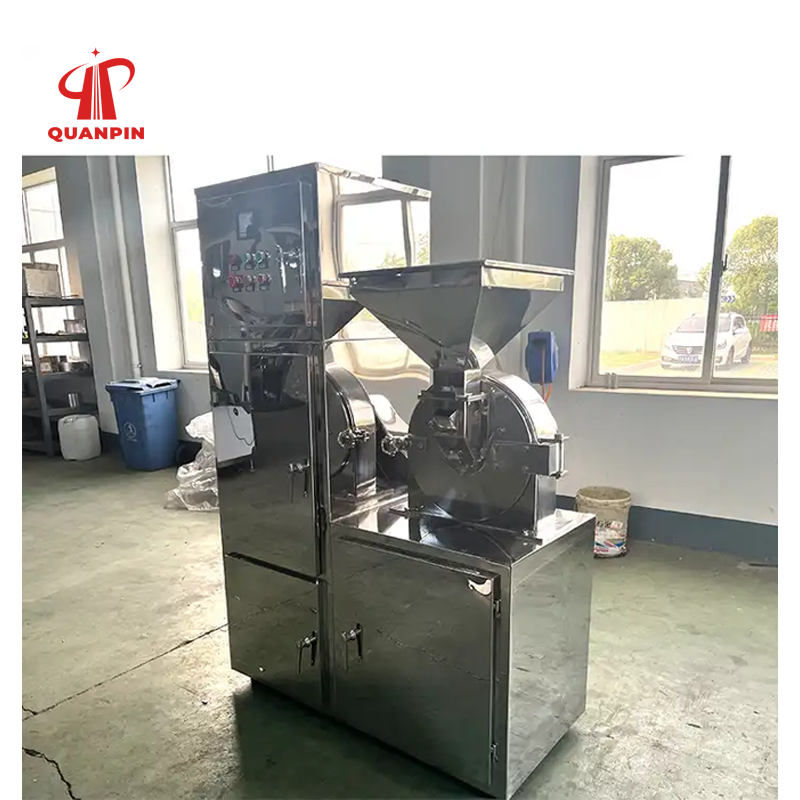
An unknown quantity should remain unknown until supported by measurement or another justified record.
Internally circulating material must not be counted repeatedly as new external feed.
Use consistent units and explain the weighing basis before comparing two reported totals.
Review the Receiving Process
Keep weighing observations separate from analytical determinations of composition or moisture.
When comparing industrial pulverizer price proposals, identify differences in collection equipment before treating recovery scope as equivalent.
A reconciled trial can inform the next development question without demonstrating every future batch or campaign.
Benefits and Limits of the Review
A clear report helps identify missing records and fractions that need further investigation.
It can prevent gross collected mass from being presented as accepted output without qualification. A development comparison should not be presented as complete validation of an untested production process. See FDA process validation guidance.
It cannot produce an accurate recovery figure when important quantities have not been established.
The appropriate conclusion may be that the current evidence supports only a limited material account.
Document the Material and Configuration
Identify the material lot and the quantity introduced within the reporting interval.
Name every included collector or receiving container. Assess relevant quality risks using the actual material and process context. See FDA ICH Q9 quality risk management.
Records, Handling and Safe Access
Record which collected fractions meet the defined product requirements.
Identify the quantity and destination of removed samples where measured.
Describe deposits or other removals included after shutdown.
Explain unresolved differences and the information needed to investigate them. Interpret measurements through process understanding rather than treating an isolated instrument reading as product acceptance. See FDA process analytical technology framework.
Obtaining deposit or collector records does not authorize opening operating equipment.
Follow approved isolation, access and powder-handling procedures for the actual installation and material.
Provide QUANPIN with the Application Scope
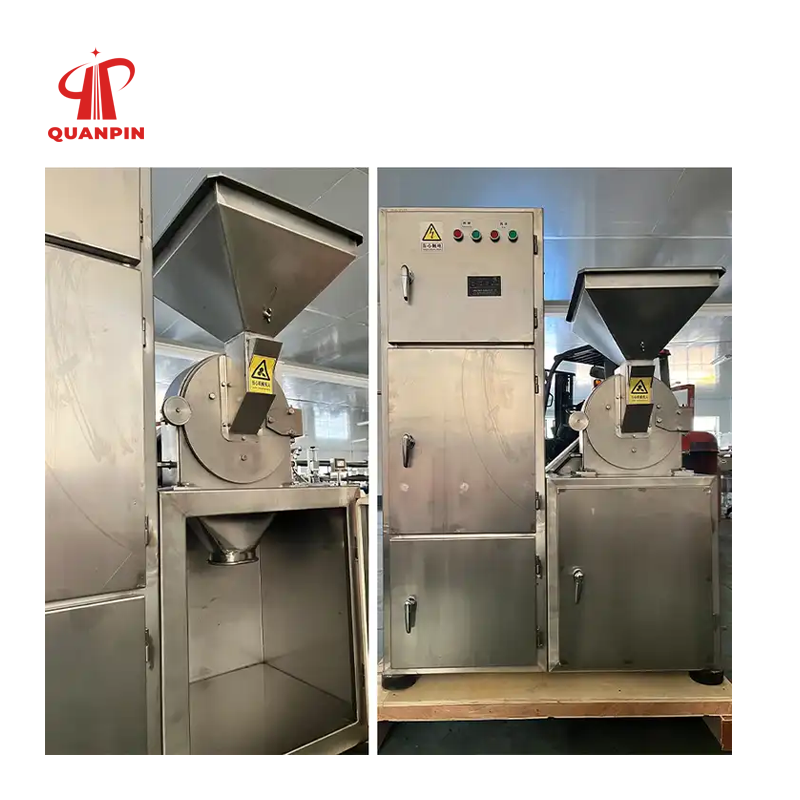
Provide QUANPIN with the material-flow boundary and the collection arrangement used in the study.
Include the actual weighing and sample records, plus the tests that determine whether collected powder is accepted.
Preserve the Evidence and Its Limits
Ask which additional observation would resolve each important gap in the material account.
Keep the final reconciliation attached to the configuration and interval that produced its records. Retain knowledge and manage adopted process changes through the pharmaceutical quality system. See FDA ICH Q10 pharmaceutical quality system.
Frequently Asked Questions
Is every collected fraction accepted product?
A collected fraction is not automatically accepted product; its status follows the required assessment.
Do removed samples belong in the reconciliation?
A sample can belong in the reconciliation even though it is no longer in the receiving container.
Does internal circulation represent fresh feed?
An internal return stream does not represent fresh feed each time it circulates.
Can an unexplained difference establish recovery efficiency?
An unmeasured difference should not be converted into an invented equipment efficiency.
Are shutdown deposits the same observation as operating collection?
Shutdown deposits and operating collections describe different observations and should remain identifiable.
What should the reconciliation report contain?
The report should specify feed, collected fractions, known removals, acceptance status and any unresolved quantities.
Discuss the Application with QUANPIN
Discuss the confirmed High-Efficiency Pulverizer Unit application with QUANPIN. Use the enquiry form or the contact page to describe your project.
Email sales@qpdryer.com or stacie@qpdryer.com. Call +86 19850785582, or contact us on WhatsApp: +86 15921493205.